How to Stop Costume Jewelry From Tarnishing Forever
Learn how to stop costume jewelry from tarnishing with expert sealing, storage, and cleaning techniques to keep fashion pieces shining.

The Science of Tarnish: Why Fashion Jewelry Fails
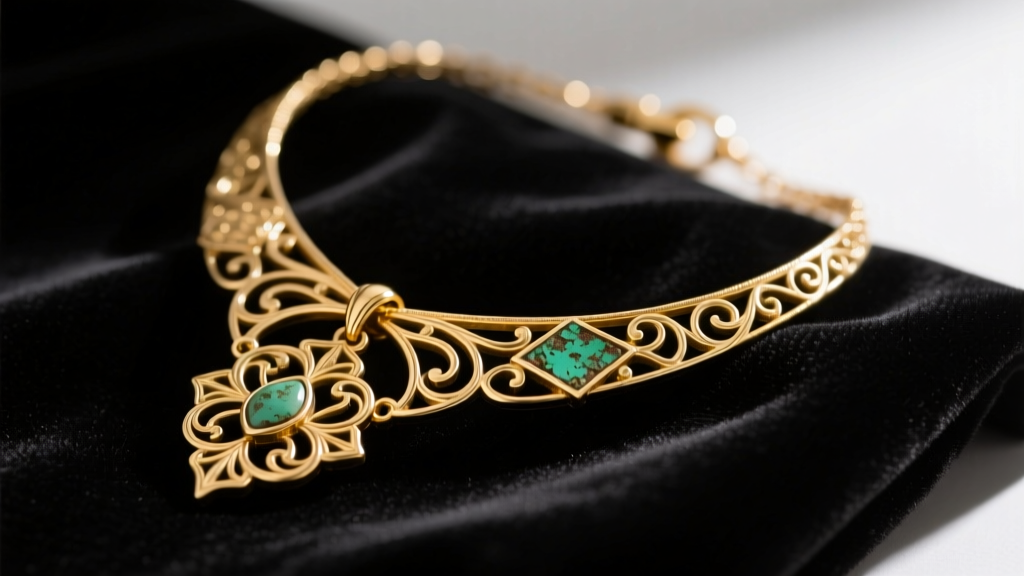
Costume jewelry offers incredible aesthetic versatility at a fraction of the cost of fine jewelry, but it comes with a notorious vulnerability: rapid tarnishing. To understand how to stop costume jewelry from tarnishing, you must first understand the metallurgy at play. Unlike solid 14k gold or platinum, fashion jewelry relies on base metals—typically brass, copper, or nickel alloys—coated with a microscopic layer of gold, silver, or rhodium.
This plating is often 'flash plated,' meaning it is less than 0.1 microns thick. When this ultra-thin barrier wears down through friction or chemical exposure, the underlying base metal is exposed to oxygen and sulfur compounds in the air and on your skin. The result is oxidation (tarnish) and the dreaded green skin reaction caused by copper salts. According to the Gemological Institute of America (GIA), preventing environmental exposure is the single most effective way to preserve plated and base-metal jewelry.
The Clear Coat Method: Sealing Your Pieces
The most proactive way to halt oxidation is to create an impermeable physical barrier between the metal and the environment. While many DIY blogs suggest using clear nail polish, this is a flawed approach. Nail polish contains harsh solvents that can melt acrylic stones, degrade faux pearls, and eventually turn yellow or chip unevenly, trapping moisture against the metal.
The Professional Sealing Protocol
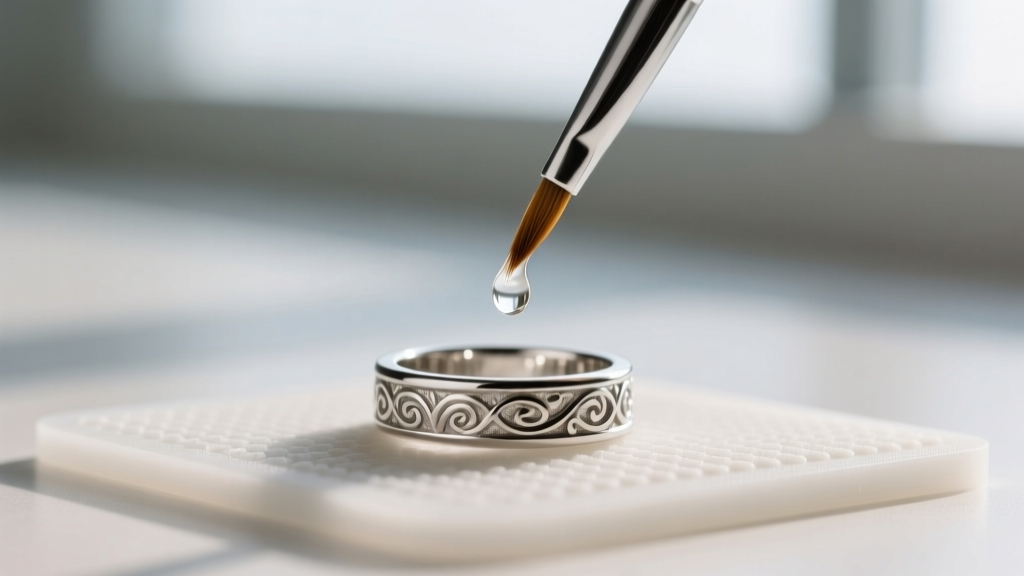
Instead, use a dedicated, skin-safe jewelry sealant like Everbrite ProtectaClear or a similar polyurethane-based coating designed for metals. Here is the exact framework for application:
- Step 1: Degrease. Wipe the piece thoroughly with 90% isopropyl alcohol to remove skin oils, lotions, and manufacturing residues. Let it dry completely.
- Step 2: Masking. Use painter's tape to cover any porous gemstones (like turquoise or malachite) or glued-in rhinestones, as sealants can alter their optical clarity.
- Step 3: Application. Apply a single, thin coat of the polyurethane sealant using a soft brush or by dipping. Thin coats cure harder and resist peeling better than thick, gloopy layers.
- Step 4: Curing. Allow the piece to cure in a dust-free environment for 24 to 48 hours. Once cured, the coating is entirely skin-safe and will prevent tarnish and copper-induced skin discoloration for months.
Strategic Storage: Micro-Climates for Costume Pieces
How you store your jewelry when it is not being worn dictates its lifespan. Tarnish is an electrochemical reaction accelerated by humidity and airborne sulfur. Leaving costume pieces on an open vanity or in a cardboard jewelry box is a death sentence for the plating. Cardboard and certain wood pulp papers off-gas sulfur compounds, while ambient humidity acts as a catalyst for oxidation.
Storage Material Comparison Chart
| Storage Method | Tarnish Protection Level | Moisture Control | Best For |
|---|---|---|---|
| Open Vanity Tray | Very Low | None | Daily wear items (if sealed) |
| Standard Jewelry Box | Low to Medium | Low | Short-term display |
| Ziploc + Silica Gel | High | High | Long-term storage, travel |
| Anti-Tarnish Cloth Pouch | High | Medium | Silver-plated costume pieces |
| Airtight Box + 3M Strips | Very High | High | Valuable designer costume jewelry |
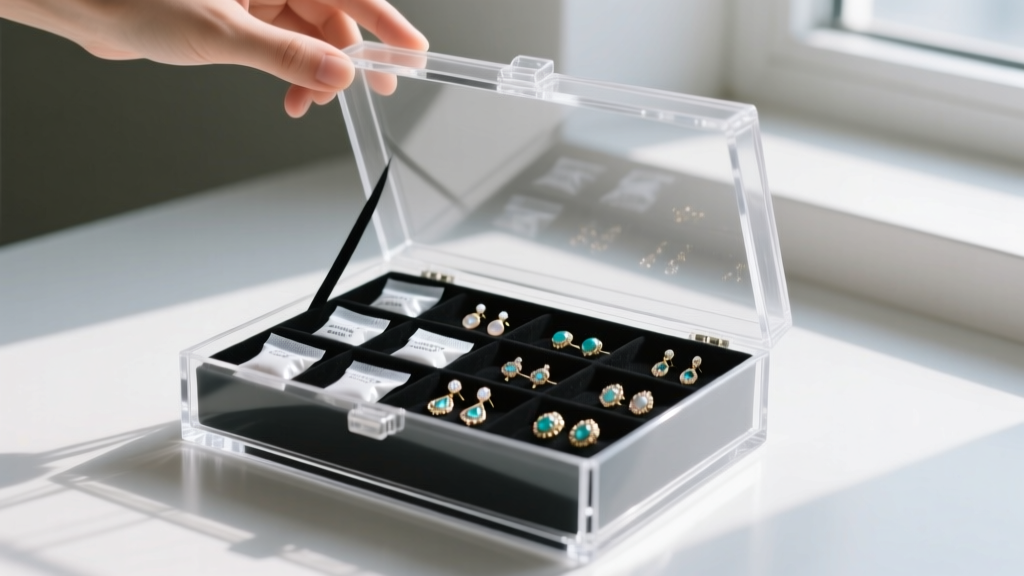
For optimal preservation, place each piece in an individual, airtight polyethylene bag. Add a small silica gel desiccant packet to control relative humidity (keeping it below 40%) and a 3M Anti-Tarnish strip. These strips are treated with copper-based compounds that actively absorb and neutralize airborne sulfur gases before they can reach your jewelry. Replace the strips every six months for maximum efficacy.
Cleaning Protocols: What to Use and What to Avoid
When costume jewelry loses its luster, the instinct is to scrub it. However, aggressive cleaning is the fastest way to strip flash plating. Never use ultrasonic cleaners on costume jewelry; the high-frequency vibrations will easily shatter glued-in glass crystals and loosen foil-backed rhinestones. Similarly, avoid toothpaste and baking soda pastes, as their abrasive particles will scratch soft gold plating and expose the base metal beneath.
According to Jewelers of America, mild surfactants are the safest route for plated items. Create a cleaning bath using lukewarm distilled water (tap water contains chlorine and minerals that can spot the metal) and a single drop of mild dish soap, like Dawn. Gently agitate the piece with your fingers or an ultra-soft baby toothbrush for no more than 30 seconds. Rinse quickly in distilled water and immediately pat dry with a lint-free microfiber cloth. Air drying will leave water spots that can etch into cheap plating over time.
Wear and Care: The Skin Chemistry Factor
Your body chemistry plays a massive role in how quickly costume jewelry degrades. Human sweat has an average pH of 4.5 to 5.5, making it slightly acidic. When this acidic moisture mixes with the copper or brass in your jewelry, it rapidly accelerates the creation of copper chloride—the green compound that stains your skin and ruins the metal.
To mitigate this, adopt the 'Last On, First Off' rule. Jewelry should be the very last thing you put on after applying lotions, perfumes, and hairspray, and the first thing you take off when you get home. Cosmetic emulsifiers trap dirt against the metal, while the alcohol in perfumes can chemically degrade thin rhodium or gold plating. If you know you will be sweating heavily, such as during a summer outdoor event or a workout, leave the costume pieces at home.
Troubleshooting: Restoring Already Tarnished Pieces
If a silver-plated costume piece has already turned black from silver sulfide buildup, you can reverse the reaction using an electrochemical bath. Line a glass bowl with aluminum foil (shiny side up), add a tablespoon of baking soda and a pinch of salt, and pour in boiling water. Submerge the jewelry so it touches the foil. The aluminum acts as a sacrificial anode, pulling the sulfur away from the silver and restoring the shine in minutes.
Critical Warning: Only use this boiling water method on solid metal pieces or those with prong-set, heat-resistant stones. If your costume jewelry features glued-in acrylics, rhinestones, or enamel, the boiling water will melt the cyanoacrylate adhesives and ruin the piece. For glued pieces, stick to the gentle distilled water and soap method, and rely on preventative sealing and strategic storage to keep them pristine for years to come.


