Troubleshooting Wicked Sugar Fashion Jewelry: Care & Fixes
Learn how to troubleshoot wicked sugar fashion jewelry. Expert fixes for resin yellowing, brass tarnish, and delicate clasp repairs.

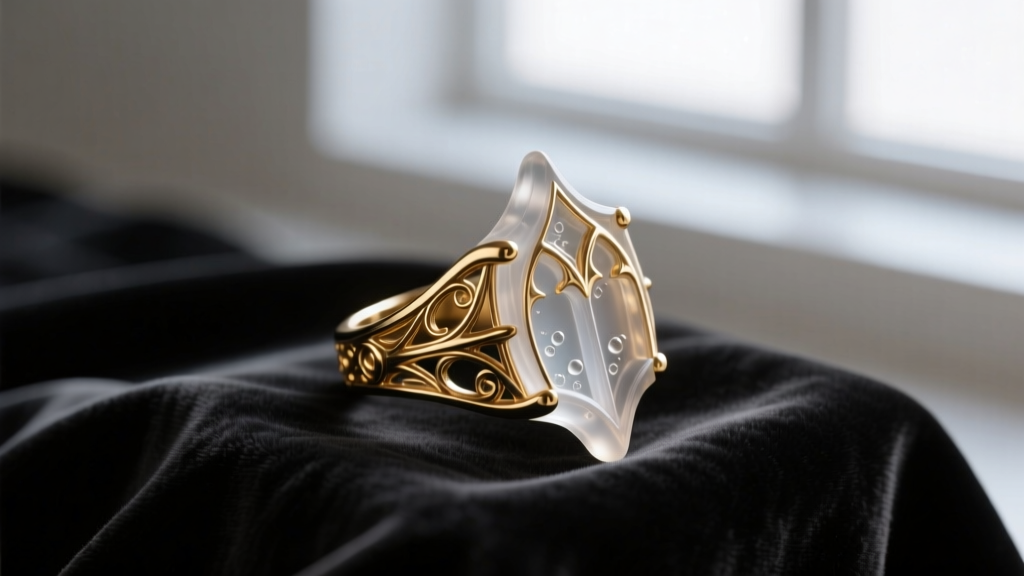
Wicked Sugar fashion jewelry and similar alternative, gothic, or mixed-media brands occupy a highly specific space in the accessory market. They bridge the gap between mass-produced costume jewelry and high-end artisan pieces, frequently utilizing polyurethane resins, UV-cured polymers, and intricately plated brass or copper bases. However, the very materials that give these pieces their dark, romantic, or whimsical aesthetics are also their greatest vulnerabilities. If you are wearing these pieces regularly in 2026, you have likely encountered clouded resin, green verdigris, or snapped chains. According to the Gemological Institute of America (GIA), mixed-media fashion jewelry requires specialized care routines that differ vastly from fine jewelry maintenance. This guide provides professional-grade troubleshooting for your favorite alternative fashion pieces.
Diagnosing Resin Degradation: Yellowing and Clouding
Resin cabochons and molded elements are staples of alt-fashion jewelry. Over time, exposure to UV light, cosmetics, and skin oils causes photodegradation. The polymer chains break down, forming chromophores that manifest as a stubborn yellow tint or milky cloudiness on the surface of the piece. This is particularly common in older UV-cured resins and lower-grade polyurethane mixes.
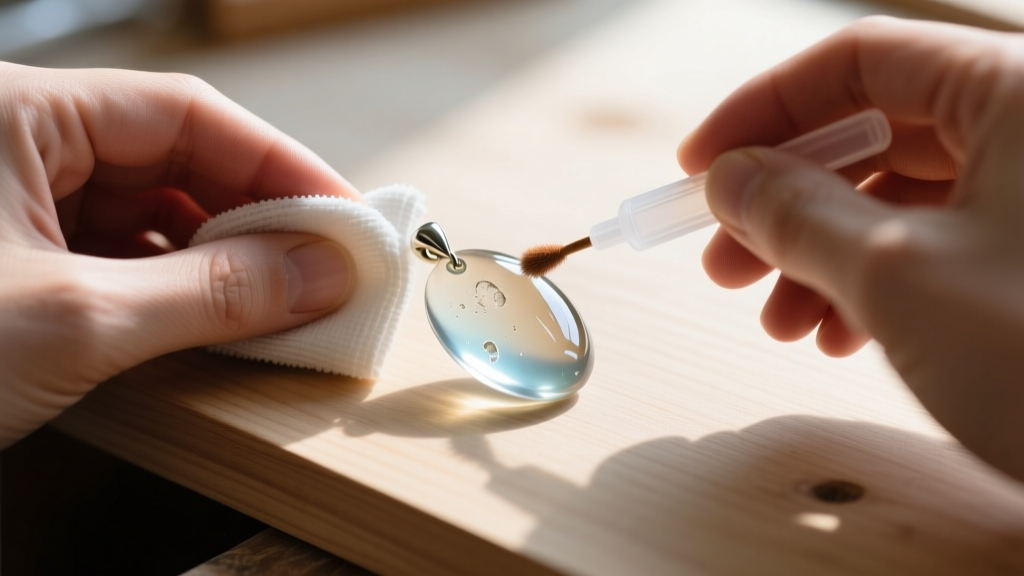
Troubleshooting the Cloudiness: Do not use isopropyl alcohol, acetone, or standard jewelry polishing cloths, as these will instantly craze, melt, or micro-scratch the resin. Instead, use a multi-step plastic polish system like Novus. Start with Novus #3 (Heavy Scratch Remover) to gently level the degraded surface layer. Follow this with Novus #2 (Fine Scratch Remover) to restore optical clarity. Apply with a lint-free microfiber cloth using small, circular motions, applying minimal pressure to avoid generating friction heat, which can further warp the resin.
When to Replace vs. Restore
If the yellowing has penetrated deep into the core of the resin (often seen in pieces stored in direct sunlight for years), surface polishing will not reach the discolored polymer. In these cases, the damage is permanent. However, you can sometimes mask deep yellowing by carefully applying a translucent, dark alcohol ink wash to the back of the cabochon, shifting the visual tone from yellow to a deliberate sepia or dark amber.
Solving Base Metal Tarnish and Verdigris on Plated Brass
The antique silver and oxidized gold finishes found on wicked sugar fashion jewelry are usually flash-plated over a brass or copper core. When the plating wears thin from friction, the base metal reacts with the acidic pH of human sweat (typically between 4.5 and 6.0). This chemical reaction creates copper acetate or copper chloride—commonly known as verdigris. This is the crusty, bright green buildup that accumulates in the crevices of rings and pendants.
| Cleaning Agent | Best For | Avoid On | Result |
|---|---|---|---|
| Dawn Dish Soap (Diluted) | General grime, light oils | Unsealed porous stones | Safe, mild degreasing |
| Isopropyl Alcohol (90%) | Sterilizing ear wires | UV Resin, Painted details | Causes resin cracking/clouding |
| Renaissance Wax | Sealing plated brass | High-friction clasp areas | Prevents oxidation and verdigris |
| Tarn-X Chemical Dip | Solid sterling silver | ANY plated fashion jewelry | Strips flash plating instantly |
Actionable Fix: To remove verdigris without stripping the remaining flash plating, avoid harsh chemical dips and abrasive pastes. Instead, use a soft-bristled baby toothbrush dipped in a solution of warm water and a single drop of ammonia-free dish soap. Gently agitate the crevices to lift the green crust. Rinse quickly and dry immediately with a microfiber cloth. Once completely dry, seal the bare metal patches with a micro-crystalline wax like Renaissance Wax. This creates an invisible, museum-grade barrier against moisture and oxygen, halting further oxidation.
Clasp and Jump Ring Failures on Delicate Chains
Fashion chains are typically lightweight to keep costs down, ranging from 22-gauge (0.64mm) to 24-gauge (0.51mm). The weak point is almost always the jump ring connecting the lobster clasp. Factory jump rings are often machine-cut and left unsoldered, meaning they can pull apart under minimal tension, leading to lost pendants.
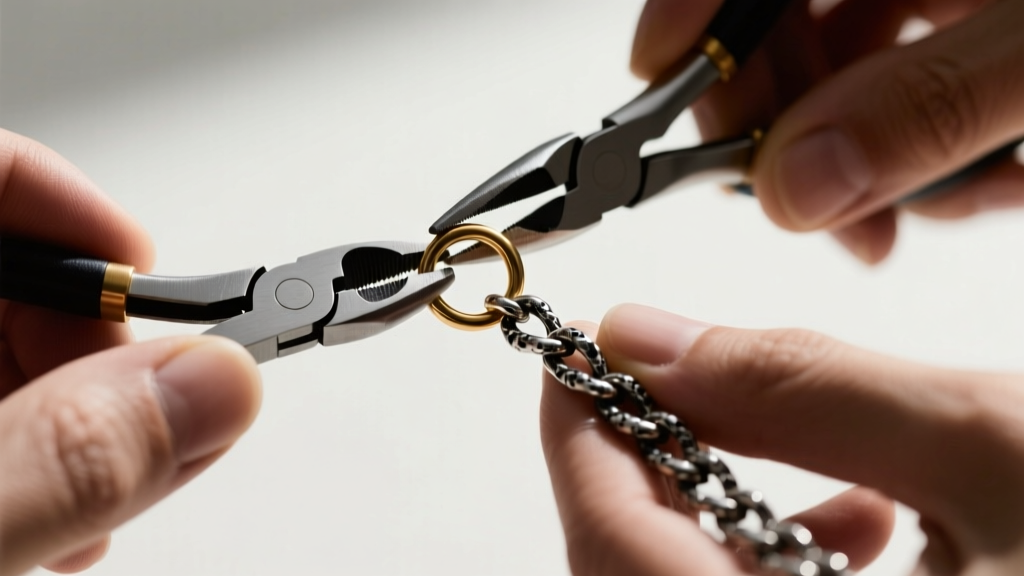
Actionable Fix: Upgrade the hardware before you lose the piece. Remove the factory 4mm jump ring using two pairs of flat-nose pliers. Never use round-nose pliers, as their tapered jaws will mar and dent the soft brass wire. Replace the weak link with a 5mm, 20-gauge brass or stainless steel split ring, which requires a deliberate picking motion to open and will not pull apart. If the lobster clasp's internal spring has failed, swap it for a 5mm stainless steel lobster clasp. As noted by the Fire Mountain Gems Encyclopedia, stainless steel findings offer superior corrosion resistance and tensile strength compared to plated base metal alternatives, making them ideal for upgrading fashion jewelry hardware.
Adhesive Failure: Re-Setting Loose Resin Cabochons
Temperature fluctuations cause the metal bezel and the resin stone to expand and contract at different rates. Over time, this thermal cycling breaks the factory adhesive bond, causing the cabochon to rattle or fall out entirely.
The Right Glue for the Job
Never use cyanoacrylate (Super Glue) for jewelry repair. It cures brittle, shatters upon impact, and leaves a permanent white "bloom" or haze on the resin and surrounding metal. Instead, clean the bezel with a wooden toothpick to remove old glue debris. Apply a microscopic bead of GS Hypo Cement for precision work, or E6000 Jewelry and Bead adhesive for a stronger, flexible bond that can absorb thermal expansion. Clamp gently with a silicone-jawed plier or use low-tack painter's tape to hold the cabochon in place for 24 hours while the solvents off-gas and fully cure.
Preventative Maintenance Schedule
To keep your alternative fashion jewelry in pristine condition, implement this simple maintenance routine:
- Weekly: Wipe down brass and copper elements with a dry microfiber cloth to remove skin oils and acidic sweat before storing.
- Monthly: Inspect all jump rings and prongs. Use flat-nose pliers to gently squeeze any slightly open jump rings back to a flush closure.
- Bi-Annually: Reapply a micro-thin layer of Renaissance Wax to any brass areas where the plating has worn through to the base metal.
- Storage: Always store resin pieces in a dark, climate-controlled drawer. UV exposure is the primary catalyst for resin yellowing.
"The longevity of mixed-media fashion jewelry relies entirely on the wearer's understanding of material limitations. By treating plated brass and polyurethane resins with the same respect as fine gemstones, you elevate everyday accessories into lasting wardrobe staples."
By understanding the specific failure modes of resin, plated brass, and delicate hardware, you can easily troubleshoot and repair your favorite pieces, ensuring they remain a staple in your wardrobe for years to come.


