Fine Jewelry Maintenance: Expert Tips via Gholson's Fine Jewelry
Discover expert care, cleaning, and maintenance tips for high-end gemstones and precious metals, inspired by Gholson's Fine Jewelry standards.

The Benchmark of Heirloom Care
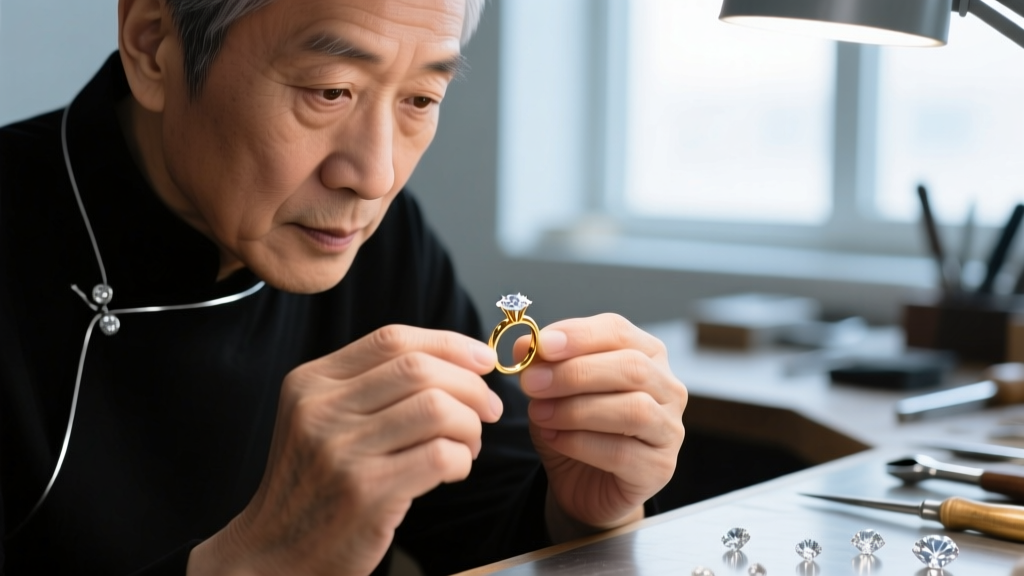
Fine jewelry is an intersection of precise metallurgical engineering and rare geological artistry. When evaluating the standard of regional luxury retail, institutions like Gholson's Fine Jewelry set a benchmark for not only curating exceptional pieces but also educating clients on lifelong maintenance. A high-carat diamond or a flawless colombian emerald is not merely an accessory; it is a physical asset that requires a rigorous, scientifically informed care protocol to preserve its structural integrity and optical brilliance over decades of daily wear.
Many owners inadvertently damage their heirloom pieces by relying on outdated myths or generic commercial cleaners. The reality of fine jewelry maintenance in 2026 involves understanding the specific Mohs hardness scales of your gemstones, the galvanic reactivity of your precious metal alloys, and the exact frequencies of ultrasonic cavitation. Below, we break down the professional-grade maintenance frameworks utilized by master jewelers to keep high-end pieces in pristine, gallery-ready condition.
Ultrasonic vs. Steam: Knowing the Frequencies
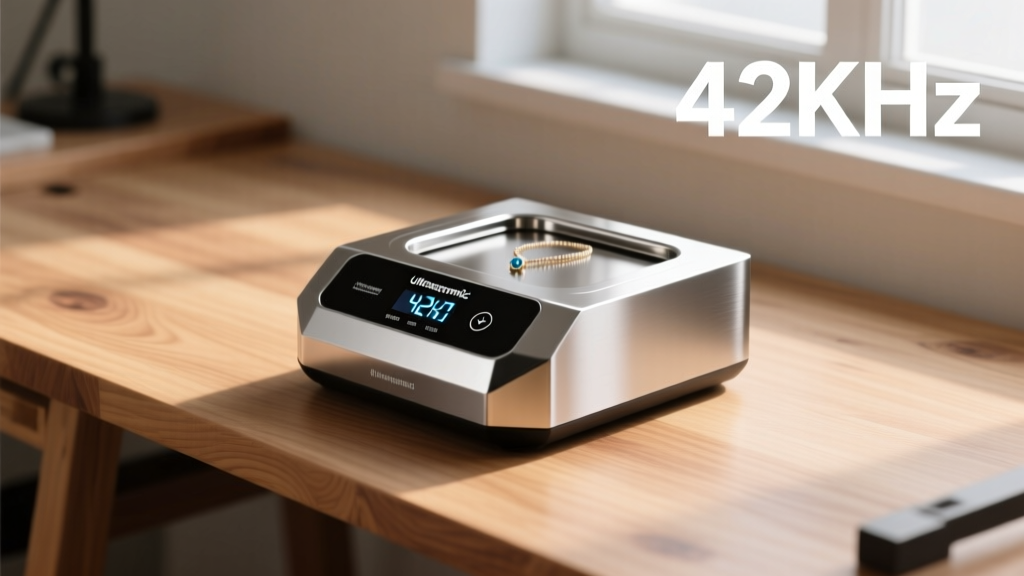
Ultrasonic cleaners are a staple in professional workshops, but they are not universally safe. These machines utilize high-frequency sound waves (typically between 25 kHz and 45 kHz) to create microscopic vacuum bubbles in a liquid solution. When these bubbles collapse against the surface of the jewelry—a process known as cavitation—they generate localized shockwaves that dislodge microscopic debris from under gallery wires and pave settings.
While a 42 kHz frequency is excellent for cleaning the hardened carbon buildup off a platinum diamond solitaire, it can be catastrophic for fragile or treated stones. According to the Gemological Institute of America (GIA), ultrasonic vibrations can easily strip the natural cedar oils or synthetic resins used to fill surface-reaching fissures in emeralds. Similarly, fracture-filled diamonds, opals, and tanzanite are highly susceptible to internal shattering when subjected to cavitation shockwaves.
Steam cleaning, conversely, uses pressurized vapor at temperatures exceeding 100°C (212°F) to blast away grease. While highly effective for diamonds and sapphires, sudden thermal shock can cause cleavage planes in stones like topaz or kunzite to split entirely. Master jewelers always verify the thermal and vibrational tolerance of a gemstone before introducing it to mechanized cleaning environments.
Chemical Sensitivities of Precious Alloys
The purity of gold is measured in karats, but pure 24k gold is far too malleable for daily-wear fine jewelry. To achieve the necessary tensile strength, gold is alloyed with metals like copper, silver, zinc, and palladium. These secondary metals introduce specific chemical vulnerabilities, particularly when exposed to halogens like chlorine.
| Metal Alloy | Typical Composition | Chlorine Vulnerability | Maintenance Protocol |
|---|---|---|---|
| 18K Yellow Gold | 75% Au, 12.5% Ag, 12.5% Cu | High (Stress Corrosion) | Strict removal before swimming or using hot tubs. |
| 14K White Gold | 58.3% Au, Nickel/Palladium, Cu, Zn | Moderate to High | Requires periodic rhodium replating; avoid bleach. |
| Platinum 950 | 95% Pt, 5% Ruthenium or Iridium | Extremely Low | Highly resistant to chemicals; develops a natural patina. |
| Sterling Silver | 92.5% Ag, 7.5% Cu | High (Tarnishing/Oxidation) | Store in anti-tarnish cloth; polish with rouge. |
When 18K gold is exposed to chlorinated water (such as in swimming pools or household bleach), the chlorine reacts with the copper and silver atoms in the alloy matrix. This triggers a phenomenon known as stress corrosion cracking. The microscopic joints inside the ring become brittle, eventually leading to catastrophic shank failure or the snapping of delicate prongs. Jewelers of America strongly advises removing all karat gold jewelry before engaging in household cleaning or recreational swimming.
Prong Wear and Micro-Pave Tolerances
The structural security of your gemstones relies entirely on the integrity of the metal holding them in place. In micro-pave settings, where diamonds are held by beads of metal barely a millimeter wide, even microscopic abrasion can lead to stone loss. A standard prong on a solitaire ring typically starts at 0.8mm to 1.2mm in thickness. Over five to seven years of daily wear, friction against clothing, steering wheels, and keyboards can reduce this thickness by up to 40%.
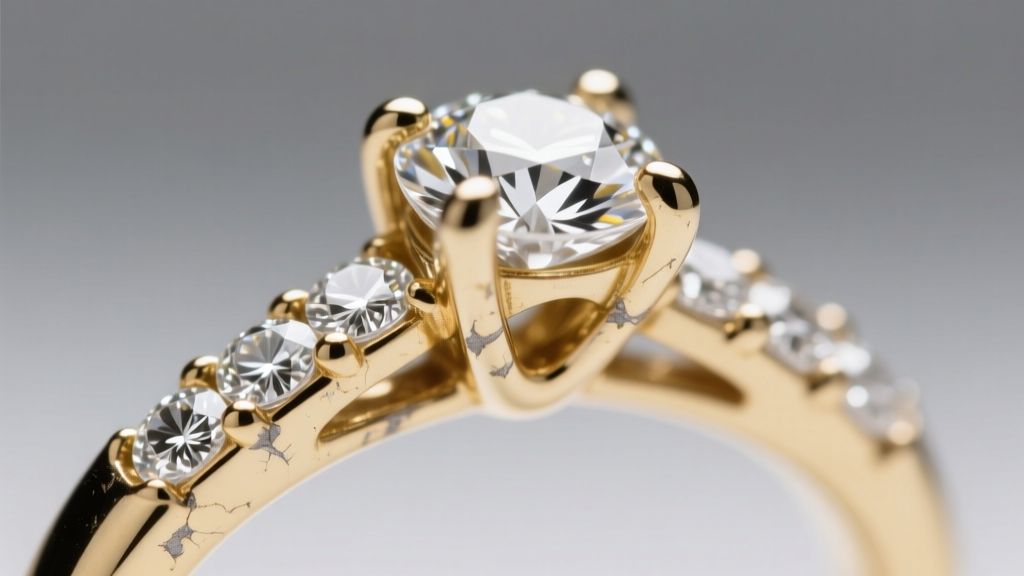
White gold requires an additional layer of maintenance: rhodium plating. Rhodium is a platinum-group metal electroplated onto white gold to give it a bright, reflective white finish. This plating is incredibly thin, usually measuring between 0.1 and 0.5 microns. As the plating wears away on the bottom of the shank, the underlying yellowish-grey alloy becomes visible. Re-rhodium plating is a standard annual maintenance procedure, but it requires the piece to be polished first, which slowly removes microscopic layers of the base gold over the decades.
Expert Insight: Never use a toothbrush with stiff bristles on high-polish gold or platinum. The abrasive action can create micro-scratches that dull the metal's luster. Always opt for a baby-soft brush or a specialized jeweler's lint-free cloth.
The Definitive At-Home Maintenance Protocol
While professional ultrasonic and steam cleaning should be performed by a jeweler every six months, maintaining the brilliance of your fine jewelry at home requires a gentle, chemically neutral approach. Commercial 'dip' cleaners often contain harsh thiourea compounds that can permanently pit the surface of porous gems like pearls or turquoise.
The Safe DIY Cleaning Formula
- The Solvent: Use warm, distilled water. Tap water contains trace minerals and chlorine that can leave hard water spots on highly reflective facets.
- The Surfactant: Add exactly two drops of a mild, ammonia-free, phosphate-free dish detergent (such as original Dawn). The surfactant breaks the surface tension of the water, allowing it to penetrate beneath the diamond's pavilion where skin oils and lotions accumulate.
- The Agitation: Soak the piece for 15 to 20 minutes. Gently agitate the water. Use an extra-soft baby toothbrush to lightly sweep the underside of the center stone. Never scrub the crown or the metal shank.
- The Rinse and Dry: Rinse thoroughly under a gentle stream of lukewarm distilled water. Pat dry with a microfiber optical cloth. Avoid paper towels, as the wood pulp fibers can inflict microscopic scratches on soft metals like 22k gold or high-purity silver.
Proper Storage Architecture
How you store your jewelry is just as critical as how you clean it. Diamonds rank a 10 on the Mohs hardness scale, meaning they can easily scratch the metal of their own setting, as well as any other gemstone they come into contact with. Sapphires and rubies (Mohs 9) will scratch emeralds (Mohs 7.5-8). Every individual piece of fine jewelry must be stored in its own soft, acid-free flannel pouch or a separate compartment in a fabric-lined jewelry box. For silver pieces, incorporating silica gel packets and anti-tarnish strips into the storage environment will drastically slow the oxidation process caused by ambient sulfur in the air.
Ultimately, treating your fine jewelry with the respect its engineering demands ensures it will survive as a true heirloom. By adhering to the rigorous standards championed by elite establishments like Gholson's Fine Jewelry, you protect both the financial value and the sentimental legacy embedded in every carat and gram of your collection. Schedule bi-annual prong checks with a certified gemologist, avoid chemical exposures, and your pieces will remain as breathtaking in fifty years as they are today.
For more detailed guidelines on specific gemstone tolerances, refer to the GIA Diamond Care Guide to ensure your specific stones receive the exact chemical and physical care they require.

