Brothers Fine Jewelry: Material Guide For Men's Heirlooms
Explore the metallurgical properties of men's heirloom pieces. Compare platinum, gold, and titanium with our Brothers Fine Jewelry material guide.

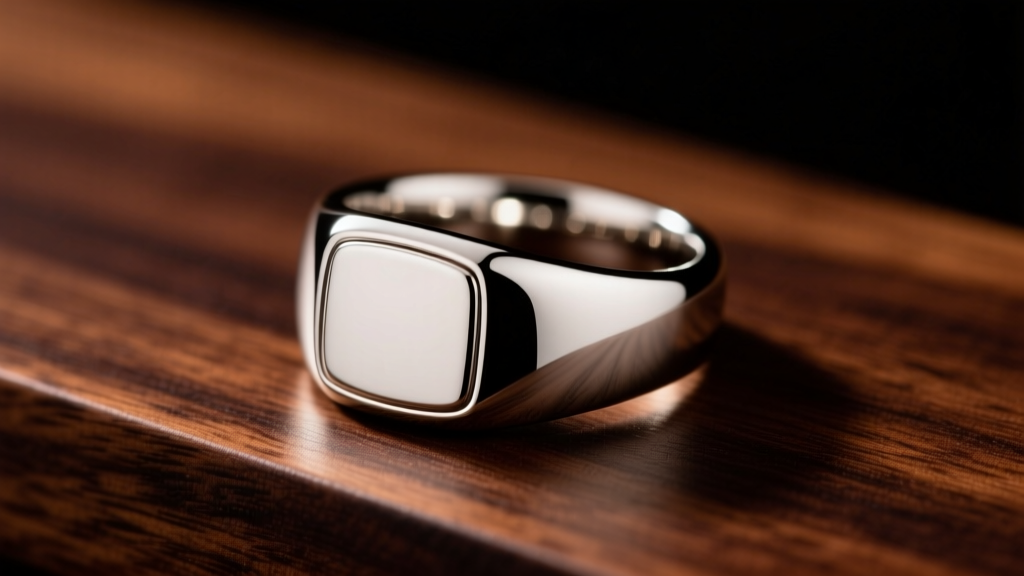
The Metallurgical Reality of Men's Heirloom Jewelry
The landscape of men's accessories has evolved dramatically as we move through 2026. No longer confined to simple wedding bands or utilitarian watches, modern men are investing heavily in signet rings, heavy Cuban link chains, and bespoke bracelets meant to be passed down through generations. Whether you are shopping at a renowned family-run establishment like Brothers Fine Jewelry or seeking the perfect heirloom piece to gift between siblings, understanding the underlying metallurgy is non-negotiable. Men's jewelry endures significantly more mechanical stress than women's fashion pieces. Rings strike against steering wheels, tools, and gym equipment, while chains bear the brunt of daily friction. Consequently, the material properties—specifically tensile strength, Vickers hardness, and malleability—dictate whether a piece will become a cherished family heirloom or a deformed disappointment.
When evaluating brothers fine jewelry collections, buyers must look beyond the aesthetic polish and scrutinize the alloy composition. A beautiful 18k yellow gold signet ring might look spectacular on the velvet display, but its high pure-gold content makes it inherently soft, prone to deep gouging and structural warping over a decade of daily wear. Conversely, alternative metals offer immense scratch resistance but introduce severe limitations regarding resizing and long-term repairability. This guide decodes the material science behind men's fine jewelry, providing a rigorous framework for making informed, multi-generational investments.
Decoding Alloys: What Brothers Fine Jewelry Buyers Must Know
Heritage jewelers and master goldsmiths understand that the 'best' metal is entirely dependent on the wearer's lifestyle. According to the Gemological Institute of America (GIA), the distinction between pure elemental metals and their jewelry-grade alloys is the most critical factor in determining a piece's lifespan. Let us break down the primary metals utilized in high-end men's jewelry.
Platinum 950 vs. 14k and 18k Gold
Platinum 950 is the undisputed heavyweight champion of heirloom men's jewelry. Composed of 95% pure platinum and typically 5% ruthenium or iridium, this alloy boasts a staggering density of 21.45 g/cm³. This density gives platinum rings a substantial, luxurious heft that gold simply cannot replicate. More importantly, platinum is malleable rather than brittle. When a platinum band is struck against a hard surface, the metal displaces rather than chipping away or losing mass. Over time, this displacement creates a soft, matte finish known as a patina, which many collectors of vintage Brothers Fine Jewelry pieces actively desire. However, platinum requires specialized, high-temperature torches for resizing and repair, meaning you must ensure your local jeweler has the proper equipment.
Gold, by contrast, relies on alloying metals for its structural integrity. 18k gold contains 75% pure gold, leaving only 25% for strengthening alloys like copper, silver, and zinc. While 18k gold offers a rich, saturated color, it is relatively soft (registering around 130-150 on the Vickers Hardness scale). For men's rings that will face daily abuse, 14k gold (58.5% pure gold) is often the superior pragmatic choice. The higher alloy content increases the Vickers hardness to approximately 170-190, providing vastly superior resistance to deformation and deep scratching, albeit with a slightly less intense yellow hue.
The Tungsten Carbide Trap
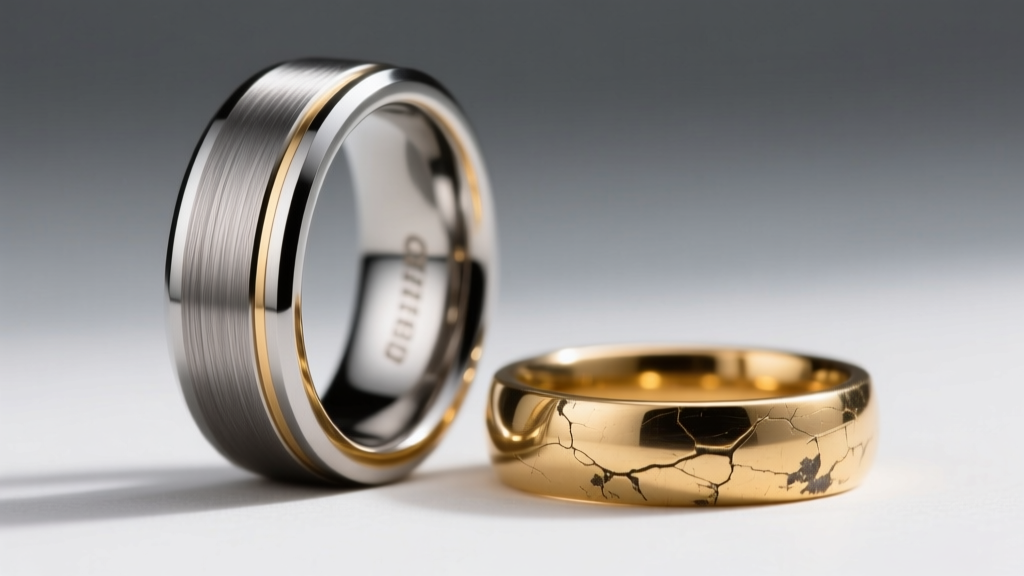
Tungsten carbide has flooded the men's jewelry market due to its aggressive marketing as 'scratch-proof.' It is crucial to understand that tungsten carbide is not a pure metal; it is a ceramic-metal matrix composite. Registering between 1500 and 2000 on the Vickers scale, it is virtually impossible to scratch with everyday objects. However, this extreme hardness comes with a fatal flaw: brittleness. If a tungsten carbide ring is dropped onto a tile floor or struck with a heavy object, it will not bend—it will shatter into pieces. Furthermore, tungsten cannot be resized or soldered. For a piece meant to be an heirloom passed down between brothers, tungsten carbide is a poor investment, as it lacks the permanence and repairability of precious metals.
Material Hardness & Durability Matrix
To visualize how these materials stack up against one another in a 2026 retail environment, refer to the comprehensive matrix below. This data is essential for comparing pieces you might find at a specialized Brothers Fine Jewelry showroom versus mainstream commercial outlets.
| Material | Composition | Vickers Hardness (HV) | Density (g/cm³) | Resizing Potential | 2026 Avg Price (Men's Band) |
|---|---|---|---|---|---|
| Platinum 950 | 95% Pt, 5% Ru/Ir | 120 - 150 | 21.45 | Excellent (Requires high heat) | $1,400 - $3,800 |
| 18k Yellow Gold | 75% Au, 25% Cu/Ag | 130 - 150 | 15.60 | Very Good | $900 - $2,200 |
| 14k Yellow Gold | 58.5% Au, 41.5% Alloy | 170 - 190 | 13.50 | Excellent | $600 - $1,500 |
| Grade 5 Titanium | Ti-6Al-4V | 340 - 360 | 4.43 | Impossible (Must be CNC milled) | $350 - $900 |
| Tungsten Carbide | WC + Cobalt/Nickel binder | 1500 - 2000 | 15.63 | Impossible (Shatters) | $150 - $450 |
Sizing, Resizing, and the Titanium Problem
One of the most frequent issues encountered with men's heirloom jewelry is the need for resizing. Men's knuckles often swell with age, or weight fluctuations necessitate a change in ring size. This is where material science directly impacts long-term ownership. As noted by industry analysts at JCK Online, the rise of alternative metals has created a secondary market of frustrated consumers who cannot alter their expensive jewelry.
Grade 5 Titanium (Ti-6Al-4V), often marketed as 'aerospace-grade,' is a prime example. While it is incredibly strong, lightweight, and hypoallergenic, it is a nightmare for traditional jewelers. Titanium has a melting point of 1,668°C (3,034°F), far beyond the capabilities of standard jeweler's torches. Furthermore, titanium reacts violently with oxygen at high temperatures, meaning it cannot be cast or soldered in a standard workshop environment. Titanium rings are CNC-milled from solid billets. If a titanium ring needs to be resized, the jeweler cannot simply cut it, add a bridge of metal, and solder it back together. The ring must be completely destroyed and remade. Therefore, if you are purchasing a titanium piece from a Brothers Fine Jewelry collection, you must be absolutely certain of your finger size, as the piece is permanently fixed to that exact dimension.
Investment Value and 2026 Market Trends
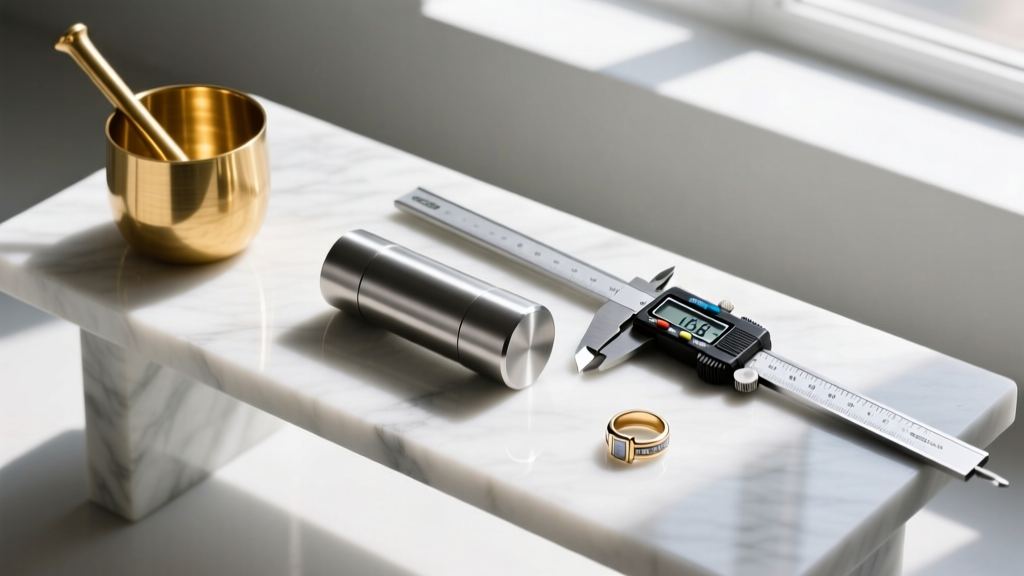
When purchasing fine jewelry with the intent of passing it down to the next generation, the intrinsic material value plays a significant role. According to data from the World Gold Council, gold continues to serve as a robust hedge against inflation, making 14k and 18k gold chains and heavy signet rings not just fashion statements, but tangible assets. The spot price of gold in 2026 remains historically high, meaning the melt value of a heavy 50-gram 14k gold Cuban link chain is substantial.
Platinum, however, presents a more complex investment case. While it is rarer than gold and historically carried a massive price premium, its value is heavily tied to industrial demand, particularly in the automotive sector for catalytic converters. As the global market shifts toward electric vehicles, the industrial demand for platinum has fluctuated, occasionally causing its spot price to dip below that of gold. Nevertheless, in the realm of fine jewelry, platinum's prestige, durability, and unmatched density ensure it remains the premier choice for high-end men's wedding bands and luxury heirloom pieces.
Final Verdict for Brotherhood Keepsakes
Selecting the right material for men's heirloom jewelry requires balancing aesthetic desires with metallurgical realities. If the goal is to acquire a piece that will endure decades of manual labor, gym sessions, and daily wear while developing a rich, personalized patina, Platinum 950 is the ultimate choice. It is the metal most frequently recommended by master bench jewelers for pieces meant to be passed from father to son, or between brothers, as it can be endlessly polished, resized, and restored.
For those seeking a more traditional look with higher scratch resistance and a lower price point, 14k gold offers the perfect compromise between precious metal value and structural durability. Conversely, buyers should approach tungsten carbide and titanium with a clear understanding of their limitations: they are modern, utilitarian materials that lack the repairability required for true generational heirlooms. By prioritizing material properties over fleeting trends, you ensure that your fine jewelry purchases will stand the test of time, both physically and sentimentally.


