Buying Kindred Lubeck of Artifex Fine Jewelry: A Collector's Guide
Discover what to look for when buying Kindred Lubeck of Artifex Fine Jewelry. Our expert guide covers metal grades, stone quality, and artisan valuation.

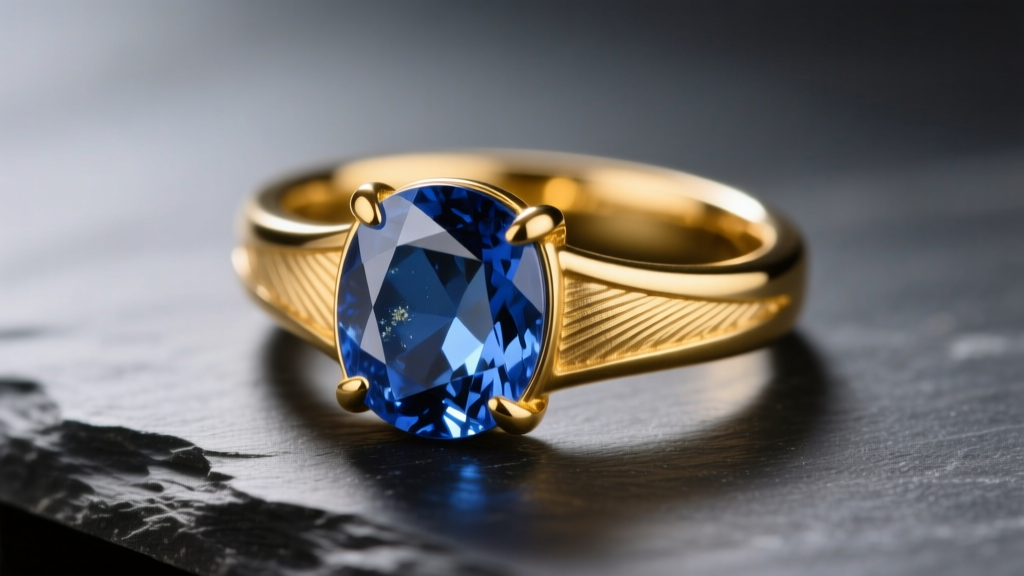
In the upper echelons of the luxury market, mass-produced pieces often give way to the distinct, soulful creations of independent artisans. When collectors and connoisseurs search for the work of Kindred Lubeck of Artifex Fine Jewelry, they are not merely looking for adornment; they are seeking wearable art that bridges the gap between historical goldsmithing techniques and modern aesthetic sensibilities. As we navigate the luxury landscape in 2026, the demand for bespoke, handcrafted fine jewelry has surged, making it crucial to understand the markers of true artisanal quality.
This comprehensive buying guide will walk you through the critical elements to evaluate when investing in Artifex Fine Jewelry. From metallurgical nuances to gemstone provenance, understanding these details ensures you acquire a piece that holds both intrinsic and artistic value for generations.
The Artisan Ethos: Decoding the Artifex Philosophy
The term 'Artifex' is Latin for craftsman or artist, a fitting moniker for a design house that prioritizes hand-fabrication over automated casting. When evaluating pieces from this tier of designer jewelry, the first thing to look for is the evidence of the human hand. Unlike commercial jewelry, which is often cast in large batches using rubber molds and wax injections, true artisan pieces frequently feature hand-forged components, custom-engraved milgrain, and asymmetrical, nature-inspired motifs that cannot be perfectly replicated by a machine.
According to industry experts featured in the Robb Report's jewelry coverage, the modern collector places a premium on 'maker's marks' and visible craftsmanship. When inspecting a piece, look under the gallery (the underside of the ring or pendant). Artisan jewelers typically finish the interior metalwork with the same meticulous care as the exterior, often featuring intricate pierced galleries or hand-hammered textures that reduce weight while increasing structural integrity.
Metal Purity and Craftsmanship Markers
Hand-Forged vs. Cast Shanks
One of the most significant differentiators in high-end artisan jewelry is the construction of the ring shank. Mass-market rings are cast via the lost-wax method, which can leave microscopic porosity within the metal. Hand-forged shanks, however, are shaped from a solid ingot of metal that is repeatedly hammered and rolled. This process aligns the metal's grain structure, making it 15% to 20% denser and significantly more resistant to bending and scratching. When buying a heavy, stone-set piece, always ask the jeweler if the shank is hand-forged or die-struck.
Proprietary Gold Alloys and Patinas
While 18k gold (75% pure gold) is the standard for fine jewelry, artisan houses often blend their own proprietary alloys to achieve specific hues. For instance, a bespoke rose gold piece might utilize a higher copper-to-silver ratio to achieve a deep, romantic 'peach' tone rather than the brassy pink found in commercial 14k rose gold. Additionally, look for the use of intentional patinas—such as oxidized recesses in blackened silver or matte, sandblasted finishes on yellow gold—which add depth and highlight the sculptural nature of the design.
Gemstone Selection: The Lubeck Standard
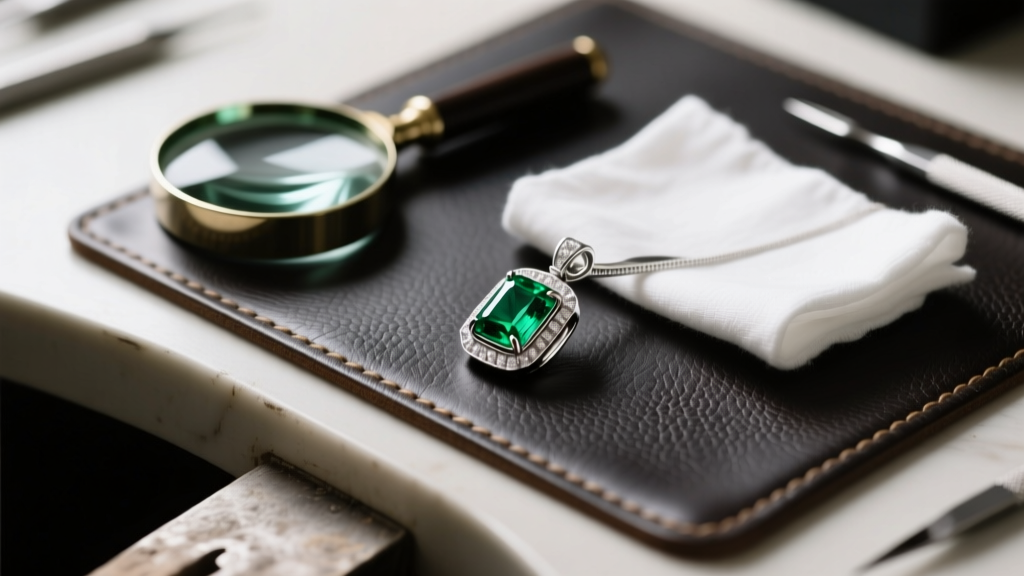
The gemstones selected for artisan fine jewelry are chosen for their character and optical performance, not just their grading certificates. While commercial brands prioritize flawless, heavily heated stones, high-end artisans often seek out gems with unique inclusions or rare, unheated origins. When evaluating the gemological aspects of these pieces, keep the following criteria in mind:
- Unheated and Untreated Origins: For sapphires and rubies, the absence of thermal treatment (unheated) commands a massive premium. Always request a report from a reputable lab like GIA or Gübelin confirming 'no indications of heating'.
- Embracing Inclusions: In emeralds, the 'jardin' (internal fractures and inclusions) is expected and celebrated as a fingerprint of nature. However, ensure the stone is only treated with traditional cedar oil, not fracture-filled with synthetic resins, which drastically lowers the value and longevity.
- Custom Cutting: Artisan jewelers frequently collaborate with lapidaries to cut stones specifically for their designs. Look for unique silhouettes like hexagonal step-cuts, kite shapes, or custom rose-cuts that maximize the stone's natural color zoning.
For a deeper understanding of how treatments affect long-term stability and value, the GIA Gem Encyclopedia remains the definitive resource for buyers navigating complex gemstone enhancements.
Valuation and Pricing Tiers for Artifex Pieces
Understanding the pricing architecture of independent fine jewelry is critical for making informed purchasing decisions. Unlike commercial brands that mark up prices based on marketing overhead, artisan pricing is heavily tied to material costs, stone rarity, and the hundreds of hours of bench time required for fabrication.
| Collection Tier | Materials & Stones | Estimated Price Range (2026) | Best For |
|---|---|---|---|
| Signature Essentials | 14k/18k Gold, melee diamonds, semi-precious stones | $1,800 – $4,500 | Everyday luxury, stacking, entry-level collecting |
| Core Artisan Collection | 18k Gold/Platinum, unheated sapphires, custom-cut gems | $5,500 – $14,000 | Statement rings, milestone gifts, serious collectors |
| Bespoke & High Jewelry | Platinum, rare colored diamonds, museum-grade emeralds | $18,000 – $65,000+ | Investment grade, heirloom creation, one-of-a-kind pieces |
Authentication, Provenance, and Hallmarks
Provenance is the lifeblood of fine jewelry valuation. When acquiring a piece, especially on the secondary market or through an estate, authentication goes beyond a simple receipt. You must look for physical hallmarks stamped into the metal. A genuine piece will feature a maker's mark (the artisan's unique stamp), a metal purity mark (e.g., '750' for 18k gold or '950' for platinum), and often a serial number that corresponds to the jeweler's internal ledger.
Furthermore, original documentation is paramount. This includes the original sketch or CAD rendering, the gemological laboratory report, and a certificate of authenticity signed by the designer. In the current market, pieces with intact provenance and original packaging retain up to 20% more of their resale value compared to those without.
Failure Modes and Long-Term Care
Even the most exquisitely crafted jewelry is subject to the laws of physics and wear. Understanding potential failure modes will help you maintain your investment. For instance, while bezel settings offer superior protection for the girdle of a gemstone, they can trap lotions and debris, requiring professional ultrasonic cleaning every six months. Conversely, delicate fishtail prong settings, while allowing maximum light return, are prone to snagging on textiles and must be checked under 10x magnification annually for metal fatigue.
If your piece features white gold, be aware that the rhodium plating will inevitably wear away, revealing the naturally yellowish undertone of the white gold alloy. Many modern collectors prefer to leave the plating off to appreciate the warm, champagne hue of the raw alloy, which aligns with the organic, unpolished ethos of artisan design. Always store handcrafted pieces individually in soft, anti-tarnish flannel pouches to prevent the harder metals and diamonds from scratching the high-polish finishes of adjacent pieces.
Ultimately, investing in this caliber of artisan jewelry is an exercise in appreciating the marriage of raw earthly materials and human ingenuity. By focusing on metallurgical density, gemstone character, and verifiable provenance, you ensure your collection remains both a personal treasure and a sound financial asset.


