Honest Fashion Jewelry Reviews: Assessing True Value
Read our expert fashion jewelry reviews framework. Learn to assess true value, compare plating microns, and calculate cost-per-wear for demi-fine pieces.

The Problem with Mainstream Fashion Jewelry Reviews
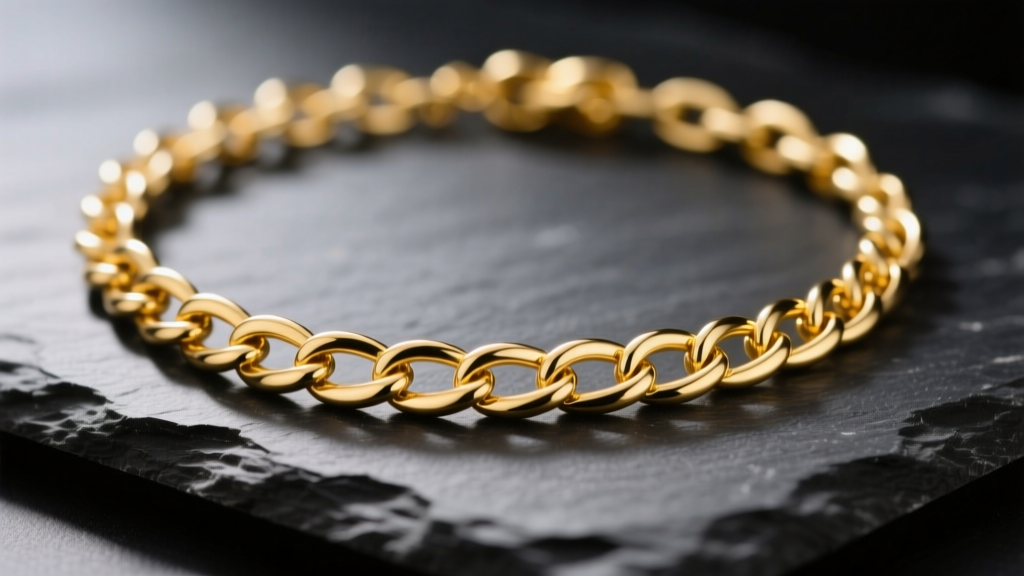
If you have spent any time researching accessories online, you have likely noticed a glaring issue: most mainstream fashion jewelry reviews focus almost exclusively on aesthetics. Influencers and lifestyle bloggers frequently praise pieces for being 'cute' or 'trendy,' completely ignoring the structural integrity, alloy composition, and long-term durability of the items they are promoting. As we move through 2026, the market is saturated with mid-tier brands charging premium prices for subpar materials. To build a collection that actually lasts, consumers need a more rigorous framework for evaluating budget and value.
At Jewel Style Radar, our approach to fashion jewelry reviews goes far beyond the initial unboxing. We evaluate pieces based on metallurgical standards, plating thickness, stone hardness, and setting techniques. Understanding these technical details is the only way to accurately assess whether a $45 necklace is a genuine bargain or a complete waste of money. Below, we break down the exact metrics you should use to evaluate the true cost-per-wear of your accessories.
Material Breakdown: What You Are Actually Paying For
The foundation of any jewelry piece is its base metal. In the fashion and demi-fine categories, brands typically rely on three primary materials. Knowing the difference between these metals is crucial for predicting how a piece will react to your skin's pH levels and environmental moisture.
Base Metals: Brass vs. Stainless Steel vs. Sterling Silver
- Jeweler's Brass (CuZn39): The most common base for fast-fashion jewelry. It is inexpensive to cast and takes plating well. However, brass is highly reactive. Once the thin outer plating wears off, the copper content reacts with sweat to create copper chloride, resulting in the dreaded 'green skin' effect. Expect a lifespan of 3 to 6 months with regular wear.
- 316L Stainless Steel: A massive upgrade from brass. The 'L' stands for low carbon, and the alloy contains molybdenum, which provides exceptional resistance to chloride corrosion (i.e., sweat and saltwater). Steel is hypoallergenic and incredibly durable, though it cannot be easily resized or soldered if broken. It is the gold standard for budget-friendly, waterproof everyday jewelry.
- 925 Sterling Silver: The baseline requirement for true 'demi-fine' jewelry. Composed of 92.5% pure silver and 7.5% copper, it holds intricate detailing and can be easily repaired by a bench jeweler. While it can tarnish, it can be polished back to its original luster indefinitely.
Plating Thickness: Flash Plated vs. Vermeil
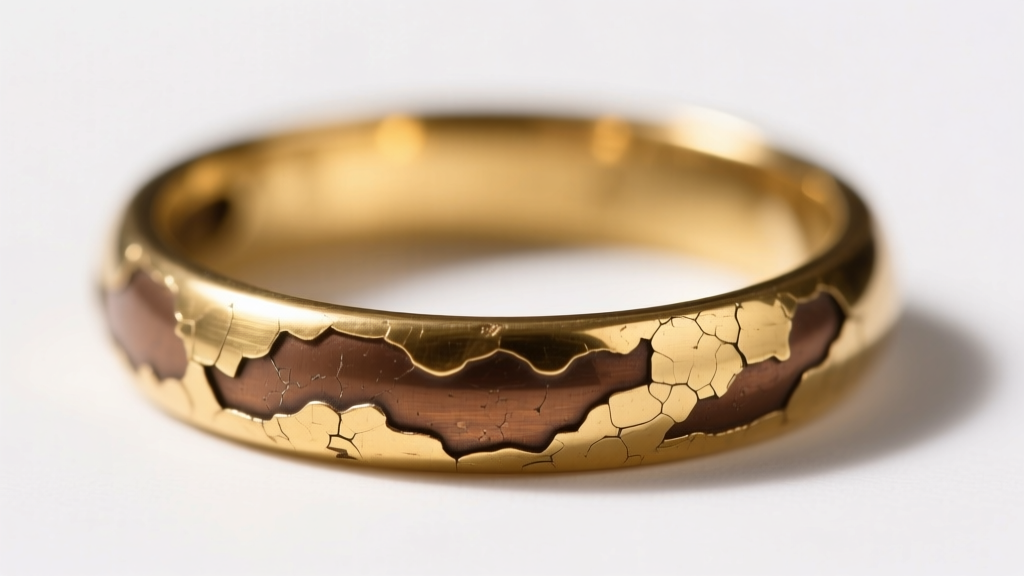
When reading fashion jewelry reviews, always look for mentions of plating thickness, usually measured in microns. 'Flash plating' involves dipping the base metal into a gold solution for mere seconds, resulting in a microscopic layer (0.1 to 0.5 microns). This will wear off within weeks of daily friction. In contrast, the Federal Trade Commission (FTC) strictly regulates the term 'Gold Vermeil.' According to the FTC Jewelry Guides, vermeil must consist of a sterling silver base coated with a minimum of 2.5 microns of gold (at least 10k fineness). A 2.5-micron vermeil piece can easily last 2 to 5 years with proper care, justifying a higher price point.
The Value Matrix: Cost-Per-Wear Calculator
To accurately assess value, we must abandon the 'sticker price' mentality and adopt a Cost-Per-Wear (CPW) framework. A $20 fast-fashion ring that turns your finger green after three wears has a CPW of $6.66. A $85 sterling silver and vermeil ring worn 300 times over two years has a CPW of $0.28. The table below illustrates how different quality tiers perform over a 12-month period of regular use.
| Quality Tier | Typical Materials | Average Price Range | Expected Lifespan (Daily Wear) | Estimated CPW (Year 1) |
|---|---|---|---|---|
| Fast Fashion | Zinc alloy, brass, flash plating, glued glass | $12 - $25 | 1 - 3 Months | $4.00 - $8.00 |
| Mid-Tier Costume | 316L Stainless steel, PVD coating, CZ stones | $35 - $60 | 1 - 2 Years | $0.08 - $0.16 |
| Demi-Fine | 925 Sterling silver, 2.5µ+ gold vermeil, lab spinel | $75 - $150 | 3 - 5+ Years (Repairable) | $0.04 - $0.11 |
As the data shows, investing slightly more upfront in PVD-coated stainless steel or true vermeil drastically reduces the long-term cost of your jewelry wardrobe.
Stone Quality and Setting Failure Modes
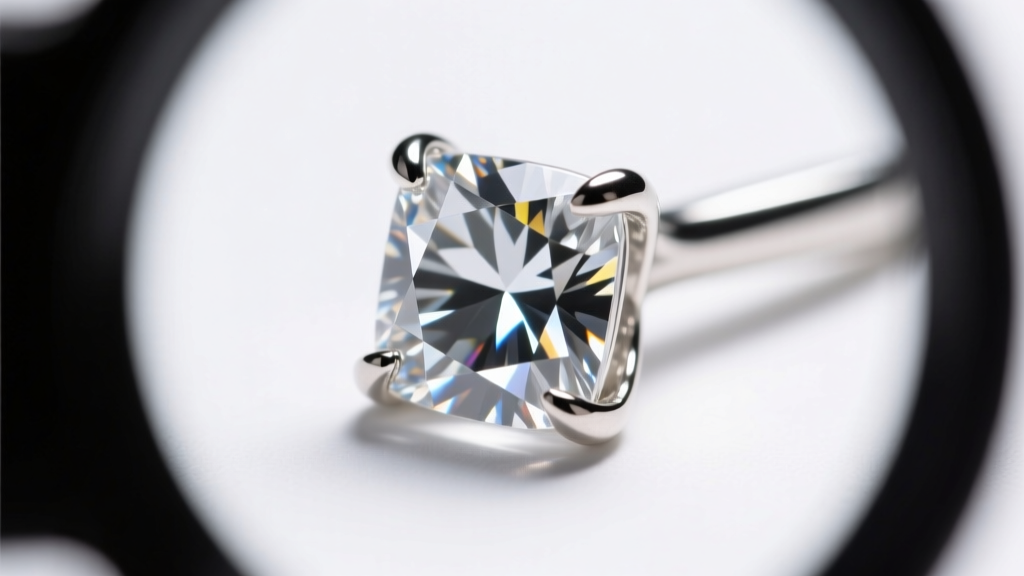
The gemstones used in fashion jewelry are rarely discussed in standard reviews, yet they are a primary indicator of a brand's commitment to quality. The vast majority of budget pieces utilize Cubic Zirconia (CZ). While CZ boasts a respectable Mohs hardness of 8 to 8.5, it is inherently porous. Over time, it absorbs oils from lotions and skin, leading to a cloudy, dull appearance that cannot be cleaned away.
Higher-end demi-fine brands are increasingly pivoting toward lab-created spinel or nano-crystalline glass ceramics. These materials sit at a 8.5 to 9 on the Mohs scale and are non-porous, meaning they retain their brilliance indefinitely. Furthermore, how the stone is secured matters immensely. In cheap cast brass jewelry, stones are often 'cast-in-place,' meaning the metal is poured around the stone. This results in brittle, shallow prongs that snap easily. Quality pieces feature hand-set stones, where a jeweler uses a burr to carve a precise seat into the metal and pushes sturdy prongs over the girdle of the stone.
Red Flags When Reading Fashion Jewelry Reviews
When conducting your own research, be highly skeptical of reviews that exhibit the following red flags:
'If a review praises a gold-toned piece for being 'waterproof' but fails to mention PVD coating or a solid gold/stainless steel composition, the reviewer is likely being sponsored by a fast-fashion brand. True waterproofing requires specific metallurgical choices, not just a marketing buzzword.'
- Vague Material Descriptions: Terms like 'gold alloy,' 'precious metal blend,' or 'hypoallergenic metal' are deliberate obfuscations. If a brand will not explicitly state '925 Sterling Silver' or '316L Stainless Steel,' they are likely using cheap zinc or nickel-heavy brass.
- Ignoring Clasp Quality: A heavy chain is useless if it is secured by a flimsy, hollow spring-ring clasp. High-value pieces utilize sturdy lobster clasps or, ideally, custom box clasps with safety figures-of-eight.
- Overlooking Warranty Policies: Brands that stand behind their plating thickness and stone settings will offer a minimum 1-year warranty against tarnishing and manufacturing defects. Brands selling flash-plated brass rarely offer any post-purchase support.
Final Verdict: Building a Value-Driven Collection
The landscape of accessible luxury has shifted dramatically. You no longer need to choose between $15 disposable costume jewelry and $2,000 fine jewelry. The demi-fine and high-grade stainless steel markets offer a massive middle ground, provided you know how to evaluate the specifications. By focusing on base metal composition, demanding a minimum of 2.5 microns for gold vermeil, and prioritizing hand-set, non-porous stones, you can curate a collection that looks exquisite and survives the rigors of daily life. The next time you browse fashion jewelry reviews, look past the aesthetics and demand the hard data. Your wallet—and your skin—will thank you.


