What Is Demi Fine Jewelry? A Buyer's Value Assessment
Discover what is demi fine jewelry and if it's worth your budget. We assess material grades, pricing tiers, and long-term value for smart buyers.

Defining the Middle Ground: What Is Demi Fine Jewelry?
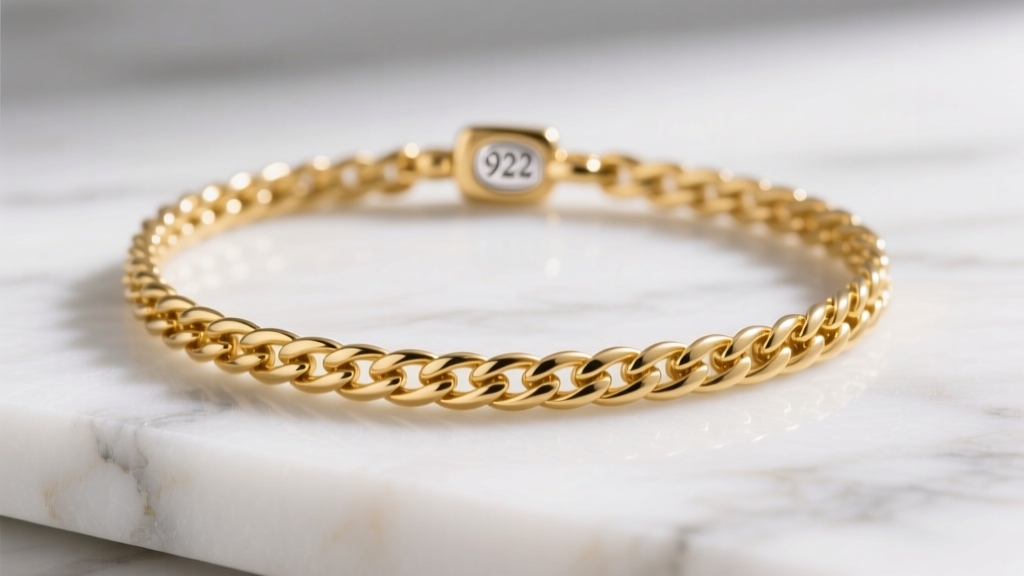
If you have been searching for what is demi fine jewelry and whether it deserves a spot in your collection, you are likely caught in the frustrating space between disposable fashion accessories and prohibitively expensive fine jewelry. Demi fine jewelry is the strategic middle ground. It bridges the gap by utilizing precious base metals—almost exclusively 925 sterling silver—and coating them with a substantial layer of solid gold, typically 14k or 18k. Unlike traditional costume jewelry, which relies on cheap brass or copper bases that turn your skin green, true demi fine pieces offer the luxurious look and hypoallergenic properties of fine jewelry at a fraction of the cost.
However, the term "demi fine" is not strictly regulated by the same legacy standards as fine jewelry hallmarks. This lack of strict nomenclature means that savvy buyers must understand the exact material grades, plating thicknesses, and pricing tiers to avoid overpaying for glorified costume pieces. In this comprehensive value assessment, we break down the metallurgy, the mathematics of cost-per-wear, and the red flags to watch for when allocating your jewelry budget.
The Material Breakdown: Where Your Money Actually Goes
To accurately assess value, you must understand the manufacturing processes that dictate a piece's lifespan and price point. The Federal Trade Commission's Jewelry Guides outline specific thresholds for gold plating, gold vermeil, and gold-filled items. Understanding these distinctions is the cornerstone of smart demi fine shopping.
| Category | Base Metal | Gold Layer | Minimum Thickness | Expected Lifespan | Typical Price Range |
|---|---|---|---|---|---|
| Fashion / Costume | Brass, Copper, Nickel | Gold Flash / Plated | 0.1 - 0.5 microns | 3 - 12 months | $15 - $60 |
| Gold-Filled | Brass or Copper | Mechanically Bonded | 1/20th of total weight | 5 - 15 years | $40 - $120 |
| True Demi Fine (Vermeil) | 925 Sterling Silver | 14k or 18k Solid Gold | 2.5 microns | 2 - 5+ years | $75 - $250 |
| Fine Jewelry | Solid 14k, 18k, Platinum | N/A (Solid throughout) | N/A | Lifetime / Heirloom | $300 - $5,000+ |
The Vermeil Standard vs. Gold-Filled
When asking what is demi fine jewelry, the most accurate answer points to gold vermeil (pronounced ver-may). For a piece to be legally classified as vermeil in the United States, it must have a sterling silver base and be plated with gold that is at least 10k, though reputable demi fine brands use 14k or 18k. Crucially, the gold layer must be at least 2.5 microns thick. This thickness is what prevents the silver base from bleeding through after a few months of daily wear.
Gold-filled jewelry, while highly durable due to its thick, heat-bonded gold layer, is structurally limited. Because it involves bonding a gold sheet to a brass core, it is mostly restricted to wire-based designs, simple chains, and tubing. Vermeil, utilizing an electroplating process over cast or hand-carved silver, allows for the intricate, sculptural, and stone-set designs that define modern demi fine aesthetics.
Budget Assessment: Pricing Tiers and What to Expect
Not all demi fine jewelry is created equal, and pricing can vary wildly based on brand positioning versus actual material costs. Here is how to evaluate the market tiers to ensure you are paying for metal, not just marketing.
The $50–$120 Sweet Spot (Everyday Staples)
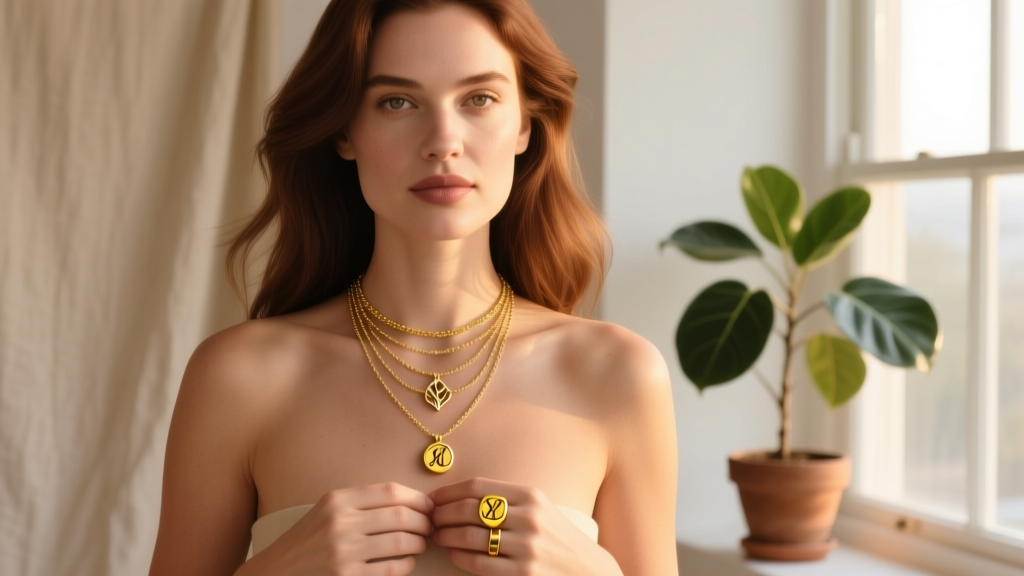
In this tier, you should expect high-quality 18k gold vermeil over 925 sterling silver. This is the ideal budget for everyday essentials like 12mm-15mm huggie hoops, simple cable chains (1.5mm to 2mm width), and minimalist signet rings. At this price point, you are paying for the intrinsic value of the silver and the labor of the 2.5-micron plating process. If a brand is charging $120 for a simple vermeil chain, they are likely marking up based on brand cachet rather than material cost.
The $120–$350 Premium Demi Tier (Statement & Gemstone Pieces)
When you move into this bracket, your budget should be funding semi-precious gemstones (like lapis lazuli, malachite, or freshwater pearls), complex CAD-designed castings, and heavier silver gram weights. According to the Gemological Institute of America (GIA), the integration of genuine semi-precious stones elevates a piece out of the fashion category. In this tier, scrutinize the gemstone settings; prong-set stones in demi fine jewelry should have sturdy, well-finished silver prongs, not glued-in cabochons disguised as high-end design.
Hidden Failure Modes: Why Cheap "Demi" Fails
Many brands misuse the term "demi fine" to sell overpriced costume jewelry. The most common failure mode in these deceptive pieces is the nickel flash layer. When manufacturers plate gold over brass or copper, they often spray a microscopically thin layer of nickel first to help the gold adhere. This causes severe contact dermatitis for those with metal sensitivities. True sterling silver vermeil does not require a nickel flash layer, making it inherently hypoallergenic. Furthermore, brass bases react with the acids in human sweat, creating copper chloride—the compound responsible for the dreaded green stain on your skin. Always verify the "925" stamp; if it is missing, you are likely buying brass.
Cost-Per-Wear Analysis: Is Demi Fine Worth the Investment?
To truly understand the value proposition, we must apply a cost-per-wear (CPW) framework. Fine jewelry is a capital expenditure, while fashion jewelry is a consumable. Demi fine operates as a mid-term amortized asset.
"The smartest jewelry wardrobes allocate 60% of their budget to versatile demi fine pieces for trend-driven styling, reserving 40% for solid gold heirlooms meant to withstand decades of friction and water exposure."
The CPW Calculation:
- Fashion Hoops ($30): Worn 20 times before the gold flash rubs off and the brass tarnishes. CPW = $1.50 per wear.
- Demi Fine Vermeil Hoops ($95): Worn 150 times over 2.5 years before requiring a professional re-plating (which costs about $25). CPW = $0.80 per wear.
- Solid 14k Gold Hoops ($450): Worn 500+ times over a lifetime. CPW = $0.90 per wear.
As the data shows, high-quality demi fine actually yields the lowest cost-per-wear for the first few years of ownership, making it the most mathematically sound choice for pieces you want to wear frequently but do not intend to pass down as generational heirlooms.
Red Flags: Spotting Overpriced Costume Pieces
Protect your budget by walking away from any piece that exhibits the following warning signs:
- Vague Terminology: Terms like "gold dipped," "gold tone," or "gold finished" are marketing loopholes used to avoid FTC plating thickness regulations. Demand the word "vermeil" or "solid gold."
- Missing Hallmarks: Every genuine demi fine piece will have a "925" stamp indicating the sterling silver base. If the clasp or inner band is blank, assume it is brass.
- Suspiciously Low Prices: The spot price of silver fluctuates, but the raw materials and electroplating labor for a standard pair of vermeil hoops cost a manufacturer roughly $18 to $25. If a retail brand is selling "demi fine" earrings for $28, they have cut corners on the silver purity or the micron thickness.
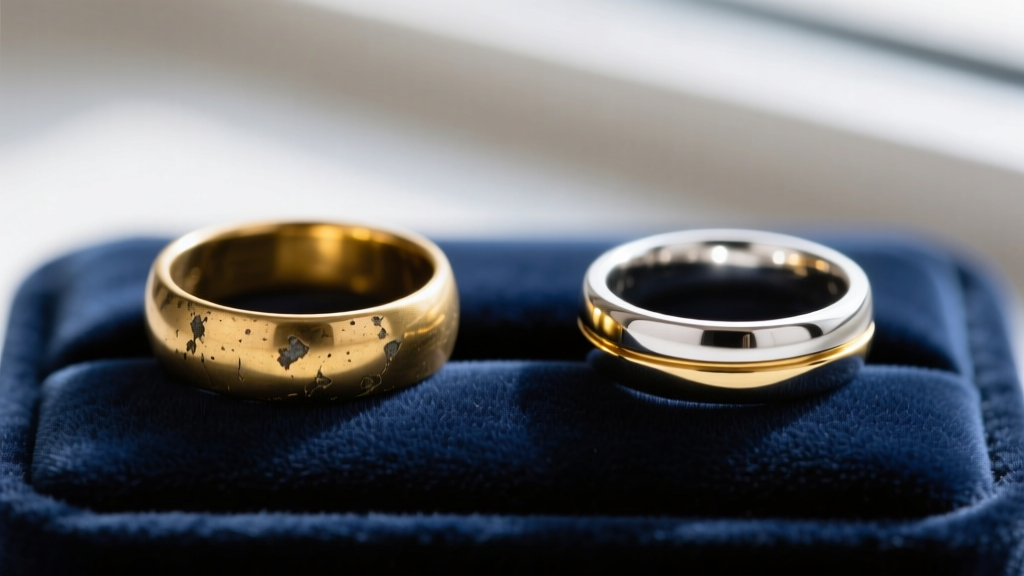
- Exposed Seams: Inspect the soldering points on chains and jump rings. Poorly plated costume jewelry will show dark, oxidized seams where the gold plating failed to reach during the electroplating bath.
Final Verdict: How to Allocate Your Jewelry Budget
So, what is demi fine jewelry in the context of a modern wardrobe? It is the ultimate tool for sartorial expression without the financial anxiety associated to solid gold. For trend-forward silhouettes, chunky sculptural cuffs, and seasonal layering pieces, demi fine vermeil offers unparalleled ROI. Reserve your fine jewelry budget for the items that will never leave your body: wedding bands, diamond studs, and signature signet rings. By understanding the metallurgy and demanding transparent material grades, you can build a luxurious, durable collection that respects both your aesthetic standards and your bank account.


