Definition of Costume Jewelry: Troubleshooting Tarnish and Green Skin
Learn the exact definition of costume jewelry and troubleshoot common issues like green skin, peeling plating, and nickel allergies with expert fixes.

The Technical Definition of Costume Jewelry
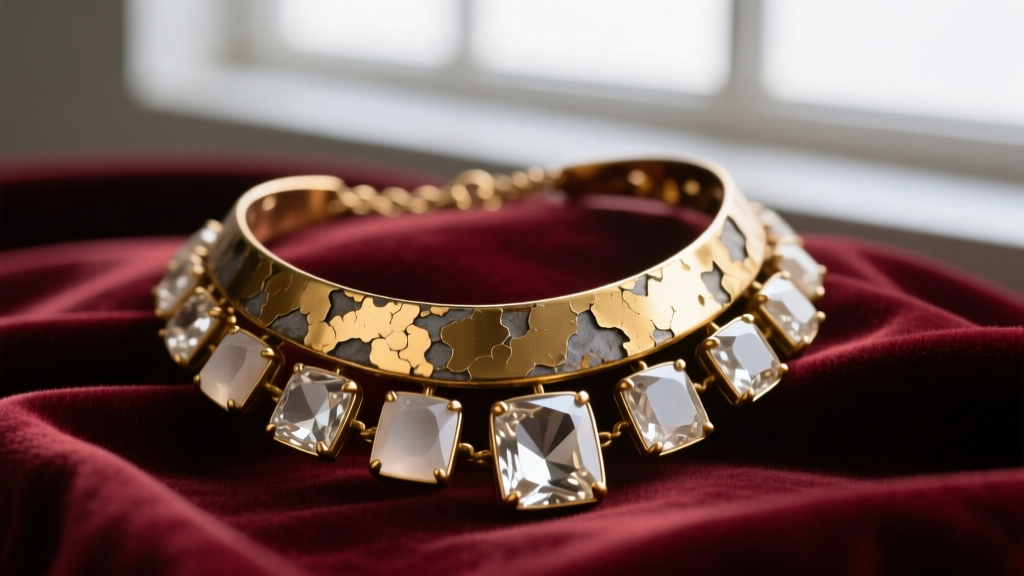
To effectively troubleshoot jewelry damage, we must first establish the precise definition of costume jewelry. In the gemological and metallurgical sectors, costume jewelry (often interchangeably called fashion jewelry) is defined by its base metal core and simulated gemstones. Unlike fine jewelry, which relies on solid precious metals (14k+ gold, platinum, sterling silver) and natural or lab-grown faceted gems, costume pieces are typically cast from base alloys like Zamak (a zinc, aluminum, magnesium, and copper blend), brass, or pewter.
These base metals are then subjected to electroplating. However, the plating thickness on standard costume pieces usually falls under the category of "flash plating," measuring a mere 0.1 to 0.5 microns thick. By comparison, high-quality demi-fine gold vermeil requires a minimum of 2.5 microns of gold over a sterling silver base. Furthermore, the stones utilized are almost exclusively simulated materials—such as cubic zirconia (CZ), leaded glass, acrylic, or resin—rather than genuine minerals. According to the Gemological Institute of America (GIA), simulated stones merely mimic the visual appearance of natural gems without sharing their chemical or physical properties, making them highly susceptible to scratching and clouding over time.
Understanding this structural reality is the first step in solving the most pervasive issues associated with fashion pieces: skin discoloration, plating degradation, adhesive failure, and allergic contact dermatitis.
Troubleshooting the "Green Skin" Phenomenon
The most frequent complaint regarding costume rings and bracelets is the dark green or black stain left on the skin. This is not an indicator of toxicity, but rather a predictable chemical reaction. When the copper or brass core of a costume piece is exposed to the acids in human sweat (specifically lactic acid), cosmetics, or lotions, it oxidizes and forms copper chloride or copper sulfate. These compounds are easily transferred to the skin, resulting in a stubborn green stain.
Actionable Solutions for Base Metal Reactions
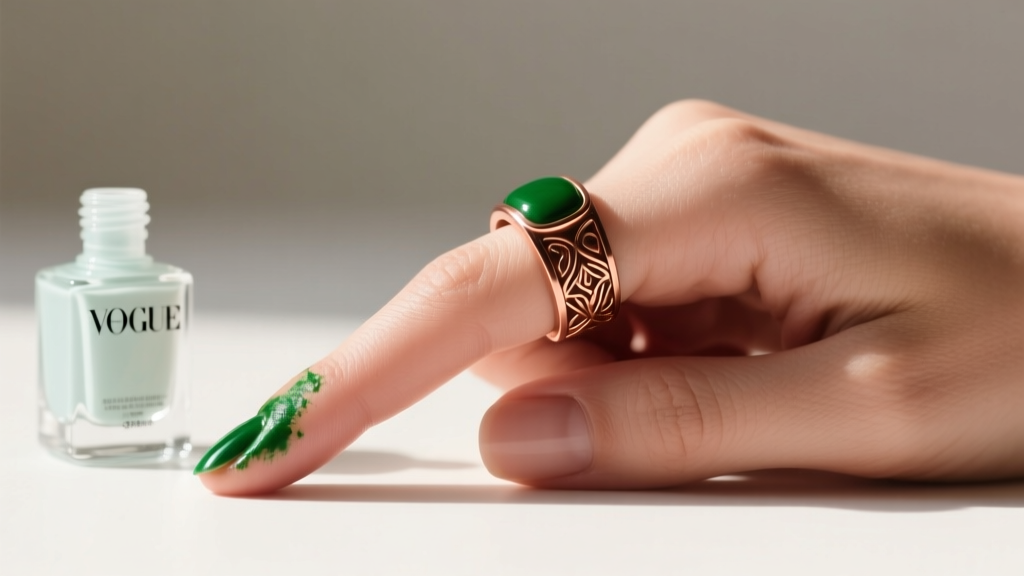
- The Polymer Barrier Method: Apply a thin, even coat of clear, fast-drying topcoat nail polish or a specialized product like Jewelry Shield to the interior band of rings or the clasps of necklaces. This creates an invisible, non-reactive polymer barrier between the copper alloy and your skin's pH. Reapply every 3 to 4 weeks, as friction will eventually wear the coating away.
- Microcrystalline Wax: For vintage costume pieces or items with textured interiors where nail polish is impractical, rub a thin layer of Renaissance Wax (a microcrystalline wax used by museum conservators) over the metal. Buff it with a lint-free cloth. This provides a moisture-resistant seal that lasts significantly longer than liquid barriers.
- Moisture Control: Remove all base-metal jewelry before washing hands, swimming, or exercising. If a piece gets wet, dry it immediately and thoroughly with a microfiber cloth to halt the oxidation process before copper chlorides can form.
Peeling Plating: Why It Happens and How to Halt It
Because the gold, silver, or rhodium plating on costume jewelry is often less than half a micron thick, it is highly vulnerable to friction, galvanic corrosion, and chemical stripping. When you see plating flaking or peeling, it is usually because the molecular bond between the base metal and the plated layer has been compromised by exposure to sulfur, chlorine, or abrasive friction.
Once flash plating begins to peel, it cannot be reversed at home. However, you can drastically slow down the degradation process and prevent tarnish on the exposed base metals through strict environmental control.
| Jewelry Tier | Core Material | Plating Thickness | Stone Type | Primary Failure Mode |
|---|---|---|---|---|
| Costume | Zamak, Brass, Copper | < 0.5 microns (Flash) | CZ, Glass, Resin | Green skin, rapid plating loss, glue failure |
| Demi-Fine | Sterling Silver (925) | 1.0 - 2.5 microns | Lab Gems, Semi-Precious | Eventual silver tarnish, prong wear |
| Fine | 14k/18k Gold, Platinum | Solid (No plating) | Natural/Lab Diamonds | Prong bending, metal scratching |
Optimal Storage Protocols
Never store costume jewelry in open-air displays or humid bathroom environments. Hydrogen sulfide in the air reacts rapidly with the silver or copper in the plating and base metal. Store each piece individually in a sealed, airtight polyethylene ziplock bag. Drop a 3M Anti-Tarnish Strip or a piece of Pacific Silvercloth into the bag. These materials actively absorb airborne sulfur compounds and moisture, extending the visual lifespan of flash-plated items by years.
Stone Loss: Adhesive Failure vs. Prong Wear
In fine jewelry, gemstones are held in place by tension and mechanically formed metal prongs or bezels. In costume jewelry, the definition of costume jewelry manufacturing relies heavily on industrial adhesives. Simulated stones like glass or acrylic are typically glued into shallow metal settings using cyanoacrylate-based epoxies.
Over time, exposure to body oils, perfume, and UV light causes these adhesives to become brittle and degrade. If a cubic zirconia or glass stone falls out, do not attempt to use standard super glue, which can fog the stone and create a messy, permanent white residue on the metal setting.
Expert Fix: Purchase a tube of GS Hypo Cement or a jewelry-specific E6000 adhesive. Use a toothpick to apply a microscopic dot of glue to the setting. Carefully drop the stone in using wax-tipped tweezers, and allow it to cure undisturbed on a flat surface for 24 hours. This ensures a flexible, clear bond that withstands minor temperature fluctuations.
Nickel Allergies and the DMG Spot Test
Allergic contact dermatitis is a severe, localized immune response triggered by prolonged skin contact with nickel, a metal frequently used in the base alloys or solder joints of inexpensive costume jewelry to add hardness and a bright white sheen. The American Academy of Dermatology notes that nickel allergy is one of the most common causes of allergic contact dermatitis, affecting millions of individuals globally.
Symptoms include intense itching, redness, blistering, and scaling directly beneath the metal contact point. If you suspect a vintage or unbranded costume piece contains nickel, you can perform a definitive test at home.
How to Perform a DMG Test
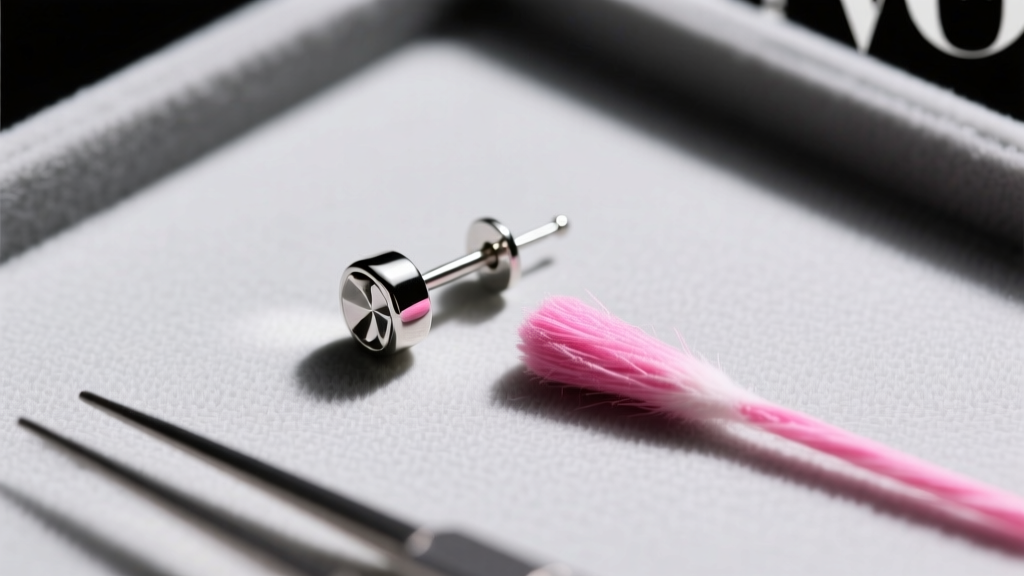
Purchase a Dimethylglyoxime (DMG) nickel spot test kit. Apply two drops of the testing solution to a cotton swab and rub it firmly against the earring post or the interior of a ring for 30 seconds. If the swab turns a distinct, vibrant pink, the jewelry is leaching nickel and is unsafe for sensitive skin. If the swab remains clear or yellow, the piece is likely nickel-free or sealed effectively. For pieces that test positive but hold high sentimental value, you can have a local jeweler re-plate the item in a thick layer of pure rhodium, which is entirely hypoallergenic and will seal the nickel core permanently.
When to Upgrade: The Demi-Fine Threshold
Troubleshooting can only extend the life of a flash-plated piece so far. If you find yourself constantly reapplying polymer barriers, re-gluing stones, or dealing with contact dermatitis, you have reached the functional limit of costume jewelry. At this juncture, the most practical solution is to transition your everyday essentials to the demi-fine tier. By investing in solid sterling silver or gold vermeil (which mandates a sterling base and a minimum of 2.5 microns of gold), you eliminate the copper-alloy reactions and adhesive stone settings entirely, securing pieces that can be professionally polished, re-plated, and worn without fear of chemical degradation.


