2026 Mourning Jewelry Trends: Modern Styles & Materials
Explore 2026 mourning jewelry trends, from bio-resin ash inclusions to aerospace titanium. Discover modern styles, pricing, and material guides.

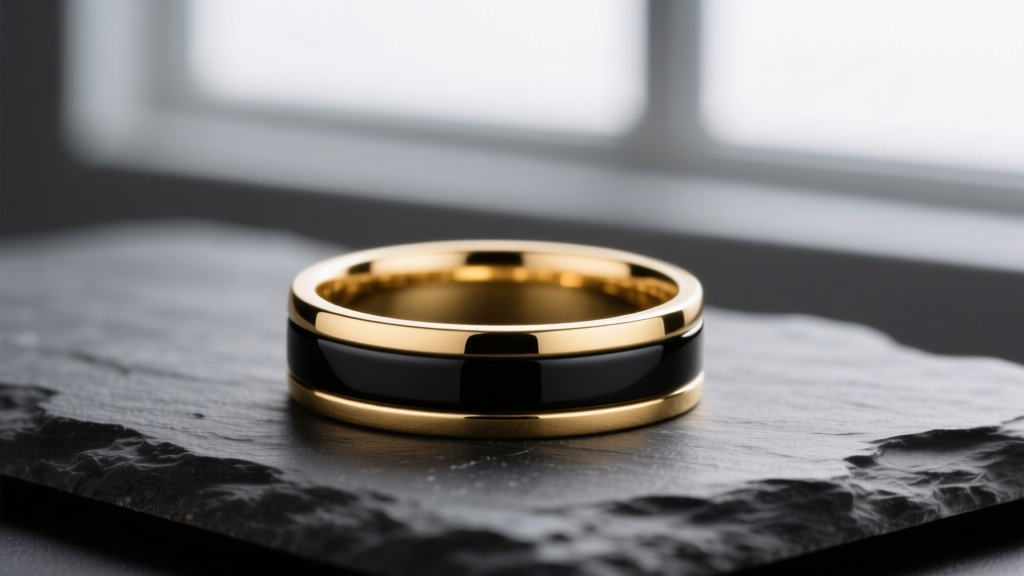
The landscape of remembrance has fundamentally shifted. While historical pieces were designed to broadcast grief to the outside world, contemporary mourning jewelry serves a deeply intimate, internalized purpose. As we navigate through 2026, the intersection of advanced material science and minimalist design has transformed how we keep our loved ones close. This style and trend analysis explores the technical specifications, emerging aesthetics, and market realities of modern memorial jewelry, offering a comprehensive guide for collectors, artisans, and those seeking meaningful remembrance pieces.
The Evolution: From Victorian Jet to 2026 Minimalism
To understand current trends, we must contextualize the departure from historical norms. According to the Victoria & Albert Museum, 19th-century mourning jewelry was heavily codified, utilizing materials like vulcanite, gutta-percha, and black enamel to signify public stages of grief. Hair weaving and intricate memento mori motifs were standard.
Today, the paradigm has inverted. The 2026 aesthetic champions 'invisible memorials'—pieces that hold profound personal significance while appearing as sleek, everyday fine jewelry to the casual observer. The overt sorrow of the past has been replaced by subtle celebrations of life, utilizing negative space, fingerprint topography, and microscopic inclusions rather than skulls or weeping willows.
Material Science: What Makes Modern Memorial Pieces Last?
The longevity of mourning jewelry is heavily dependent on material selection, particularly when dealing with organic inclusions like cremation ashes or hair. The industry has seen a massive pivot away from traditional metals and standard epoxies toward highly engineered alternatives.
UV-Stabilized Bio-Resins vs. Traditional Epoxies
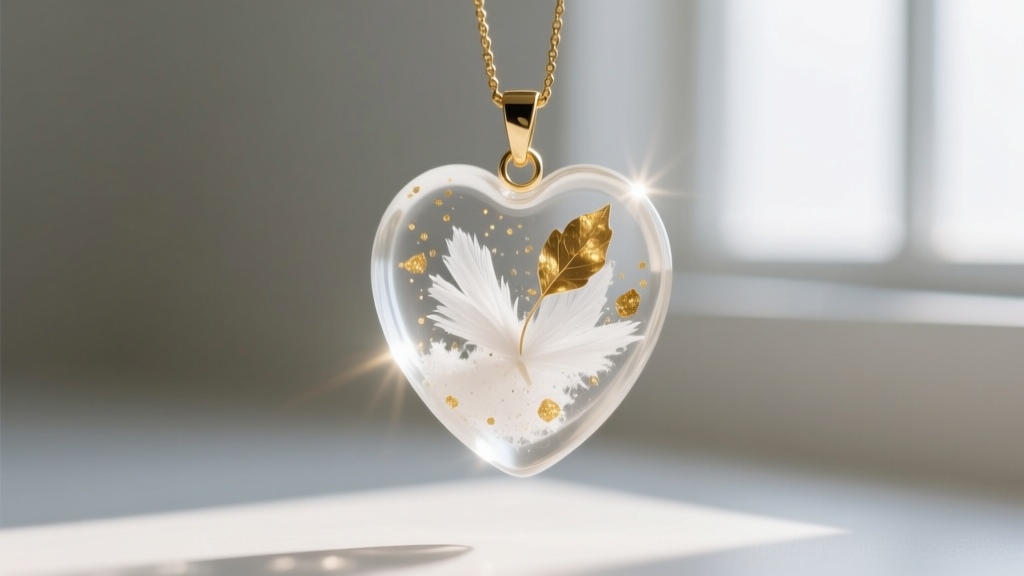
A common failure mode in early 2010s ash-inclusion jewelry was photo-oxidation. Standard two-part epoxies would yellow and become brittle within 18 to 24 months of UV exposure, obscuring the cremains inside. In 2026, reputable artisans exclusively use UV-stabilized bio-resins infused with HALS (Hindered Amine Light Stabilizers). These advanced polymers require precise 2:1 mixing ratios by volume and must be degassed in a vacuum chamber to prevent micro-bubbles from forming around the ash particles. The result is a crystal-clear, impact-resistant matrix that will not yellow, ensuring the cremains remain vividly visible for decades.
Aerospace-Grade Titanium and Niobium
For metal-focused memorial pieces, particularly rings and fingerprint-engraved bands, Grade 5 Titanium (Ti-6Al-4V) and Niobium have become the gold standard. Unlike sterling silver, which can tarnish and react with the sulfur compounds occasionally present in cremation ash if not properly sealed, Grade 5 Titanium is entirely inert. Furthermore, Niobium can be anodized using specific voltage outputs to create permanent, vibrant colors—such as deep purples or teals—without the use of dyes or plating that could wear off over time.
2026 Design Aesthetics: Comparative Analysis
The visual language of mourning jewelry has matured. Below is a structural breakdown comparing traditional design elements with the prevailing 2026 minimalist trends.
| Feature | Traditional / Victorian Era | 2026 Modern Minimalism |
|---|---|---|
| Primary Metals | Pinchbeck, Vulcanite, Yellow Gold | Recycled 14k/18k Gold, Grade 5 Titanium, Platinum |
| Inclusions | Woven hair, jet, black enamel | Cremation ash, lab-grown memorial diamonds, DNA glass |
| Engraving | Script calligraphy, 'In Memoriam' | Laser-etched fingerprints, soundwave topography, GPS coordinates |
| Silhouette | Heavy lockets, ornate cameos, large brooches | Solitaire bezels, ultra-thin cable chains, signet rings |
| Visibility | Overt, designed for public mourning | Covert, designed for personal connection |
Price Analysis and Market Positioning
Understanding the pricing tiers of mourning jewelry is critical for consumers navigating the market. The cost is rarely driven by the raw materials alone; rather, it reflects the artisan's expertise, the 'chain of custody' protocols for handling remains, and the technology used.
- Tier 1: Laser-Engraved Fingerprint & Soundwave Jewelry ($85 - $250)
Utilizing 1064nm fiber lasers, artisans etch exact fingerprint topography or audio waveforms onto stainless steel or titanium. This tier is highly durable but does not incorporate physical remains. - Tier 2: Resin & Glass Ash Inclusion ($150 - $450)
Custom-cast pieces where a small fraction of cremains is suspended in UV-stabilized resin or kiln-formed borosilicate glass. Pricing scales with the complexity of the mold and the addition of precious metal flakes. - Tier 3: Lab-Grown Memorial Diamonds ($1,800 - $6,000+)
As noted by the Gemological Institute of America (GIA), lab-grown diamonds can be synthesized using carbon extracted from cremation ashes or hair. This requires highly specialized HPHT (High Pressure High Temperature) or CVD (Chemical Vapor Deposition) facilities, driving the premium price point.
Styling and Wearability: Integrating Remembrance into Daily Wardrobes
A major trend in 2026 is the 'stacking and layering' of memorial pieces alongside everyday fine jewelry. To achieve this, the physical proportions of the mourning jewelry must be carefully considered.
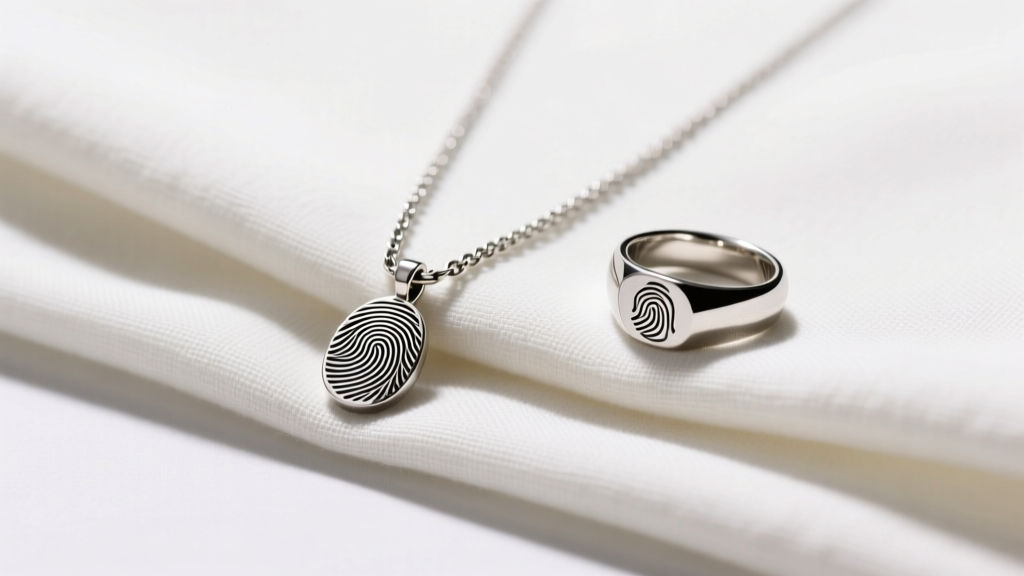
For necklaces, the industry has moved away from heavy, cumbersome chains. The standard for 2026 is the 0.9mm to 1.2mm stainless steel or solid gold cable chain. These gauges are robust enough to hold a solid gold or glass pendant (which can weigh between 3 to 8 grams) but delicate enough to layer seamlessly with standard chokers or lariat necklaces. Furthermore, magnetic clasps with neodymium cores are replacing traditional lobster clasps, allowing for easier fastening and a seamless look at the nape of the neck.
For rings, the 'comfort fit' 2mm to 4mm band is the prevailing standard. This width allows for a high-resolution fingerprint engraving on the exterior or a discreet ash-inclusion inlay on the interior of the band, keeping the memorial element hidden against the skin.
'The most profound memorial pieces in 2026 are those that invite touch. A signet ring with a debossed fingerprint meant to be rubbed by the thumb provides a tactile grounding mechanism during moments of grief, blending psychological utility with high-end aesthetics.'
Sourcing Authentic Artisans vs. Mass Production
As the demand for mourning jewelry has surged, so has the influx of mass-produced dropshipped alternatives. When sourcing a piece meant to hold physical remains, verifying the artisan's 'chain of custody' protocol is non-negotiable. Authentic studios utilize ISO-certified tracking tags, providing video or photographic documentation of the exact moment the client's specific ashes are introduced into the resin or glass matrix. Always request a certificate of authenticity that details the exact batch number of the resin used, including its HALS UV-stabilizer rating, ensuring your memorial piece is engineered to withstand the test of time.
Conclusion
The mourning jewelry of 2026 represents a beautiful synthesis of emotional resonance and material innovation. By moving away from the heavy, overt symbols of the past and embracing aerospace-grade metals, UV-stabilized polymers, and minimalist design, modern memorial pieces offer a timeless, durable way to honor those we have lost. Whether opting for a subtle fingerprint band or a lab-grown carbon diamond, today's collectors are investing in heirlooms that celebrate life with quiet, enduring elegance.


