Decoding the Demi Fine Jewelry Meaning: A Step-by-Step Buyer Guide
Learn the true demi fine jewelry meaning with our step-by-step buyer guide. Discover how to verify metal thickness, stone quality, and hardware grades.

Introduction: Why the Demi Fine Jewelry Meaning Matters
The modern jewelry market is saturated with confusing terminology, leaving many shoppers caught between overpriced luxury and disposable fast fashion. If you have been searching for the exact demi fine jewelry meaning, you are looking for the critical bridge between these two extremes. Demi-fine jewelry represents the sweet spot of accessible luxury: pieces crafted with intrinsic, high-quality materials like sterling silver and lab-grown gemstones, but priced significantly lower than solid 14k or 18k gold fine jewelry.
However, as the category has exploded in popularity, the market has been flooded with counterfeit demi-fine pieces—costume jewelry masquerading as premium goods through clever marketing. Understanding the true demi fine jewelry meaning is no longer just about vocabulary; it is a vital consumer protection skill. In this step-by-step guide, we will teach you how to physically inspect, verify, and authenticate demi-fine jewelry to ensure your investment lasts for years, not weeks.
Step 1: Decode the Metal Base and Plating Thickness
The most common point of failure in mid-tier jewelry is the metal composition. True demi-fine jewelry relies heavily on gold vermeil or gold-filled techniques, rather than standard flash plating. To understand the demi fine jewelry meaning in practice, you must look past the word "gold" and investigate the micron thickness and base metal.
The Vermeil Standard vs. Flash Plating
According to the Federal Trade Commission (FTC) Jewelry Guides, the term "vermeil" is strictly regulated. For a piece to be legally sold as gold vermeil in the United States, it must meet two non-negotiable criteria:
- Base Metal: Must be .925 sterling silver (never brass, copper, or zinc).
- Plating Thickness: The gold layer must be at least 2.5 microns thick.
Standard "gold-plated" jewelry, which dominates the lower end of the market, typically features a brass base with a gold layer measuring a mere 0.1 to 0.5 microns. This thin layer wears away rapidly at friction points, exposing the brass underneath. When brass (an alloy of copper and zinc) reacts with the acids in your sweat, it causes galvanic corrosion, resulting in the dreaded green skin and rapid tarnishing.
| Material Type | Base Metal | Gold Thickness | Expected Lifespan (Daily Wear) | Average Price Range |
|---|---|---|---|---|
| Flash Plated (Costume) | Brass / Zinc Alloy | 0.1 - 0.5 microns | 3 - 6 Months | $15 - $45 |
| Gold Vermeil (Demi-Fine) | .925 Sterling Silver | 2.5+ microns | 2 - 5 Years | $60 - $250 |
| Gold Filled (Demi-Fine) | Jeweler's Brass | 5% of total weight | 10 - 30 Years | $40 - $150 |
| Solid 14k Gold (Fine) | Solid Gold Alloy | N/A (Solid) | Lifetime / Heirloom | $300 - $2,000+ |
Actionable Tip: Always check the product specifications for the exact micron count. If a brand claims "vermeil" but cannot confirm a 2.5-micron thickness or a sterling silver base, they are likely selling standard plated jewelry at a premium markup.
Step 2: Evaluate the Stone Quality and Setting Techniques
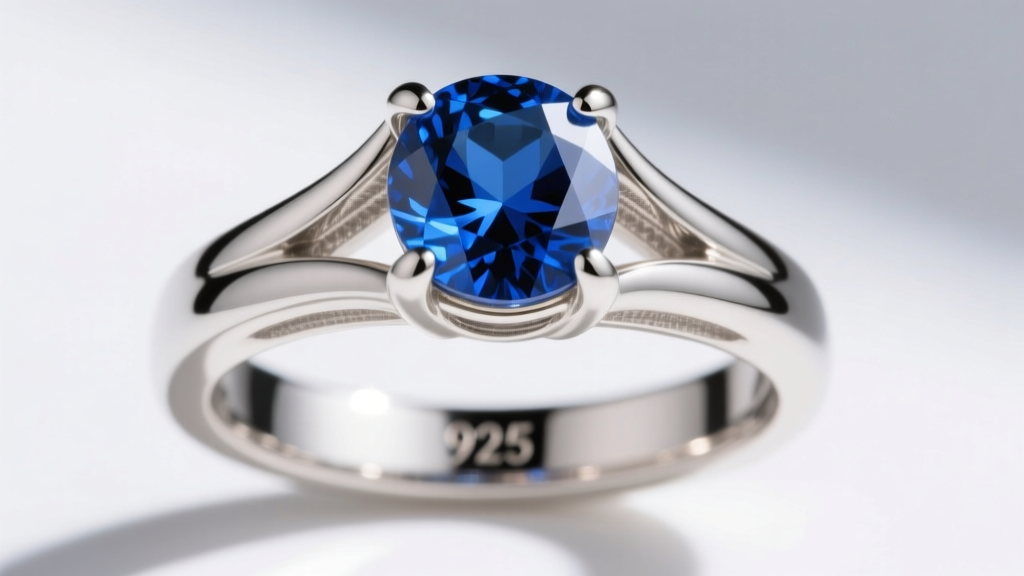
The second pillar of the demi fine jewelry meaning revolves around gemstones. While fine jewelry relies on naturally mined diamonds and precious stones, and costume jewelry uses glass, resin, or acrylic, demi-fine occupies a highly specific niche. It utilizes lab-grown precious stones, moissanite, or high-grade natural semi-precious stones.
Lab-Grown vs. High-Grade CZ
According to the Gemological Institute of America (GIA), lab-grown diamonds and sapphires possess the exact same chemical, physical, and optical properties as their mined counterparts. A lab-grown sapphire is a genuine corundum crystal, ranking at a 9 on the Mohs hardness scale, making it highly resistant to scratching. In contrast, Cubic Zirconia (CZ) ranks at an 8 to 8.5 and is much more prone to micro-abrasions that cause the stone to look cloudy over time.
True demi-fine brands are increasingly transparent about using lab-grown stones. However, some brands use 5A-grade CZ and market it vaguely as "crystals" to inflate the perceived value.
Inspect the Setting Technique
The way a stone is secured is a massive telltale sign of quality. Follow these inspection steps:
- Look for Prongs or Bezels: Authentic demi-fine jewelry uses metal prongs or bezel settings to physically secure the stone. This requires precise casting and hand-setting by a jeweler.
- The Glue Test: If you can see a glossy residue around the base of the stone, or if the stone appears to be sitting in a smooth, flat metal cup without prongs, it is glued in place. Glue degrades when exposed to lotions, perfumes, and water, leading to lost stones. Glued settings are a hallmark of costume jewelry, regardless of the metal used.
Step 3: Inspect the Hardware, Clasps, and Earring Posts
Hardware is where the structural integrity of jewelry lives or dies. When decoding the demi fine jewelry meaning on a physical piece, the moving parts and contact points will reveal the manufacturer's true commitment to quality.
Earring Posts and Hypoallergenic Standards
The post of an earring pierces the skin, making its material composition a matter of health and comfort. In the demi-fine category, earring posts must be crafted from .925 sterling silver, solid 14k gold, or implant-grade titanium.
Warning: Many brands will craft the decorative front of an earring in gold vermeil but use a brass or nickel-alloy post to cut costs. Nickel is a severe contact allergen. Always flip the earring over and look for a "925" stamp directly on the post itself, not just on the backing clutch.
Clasps and Jump Rings
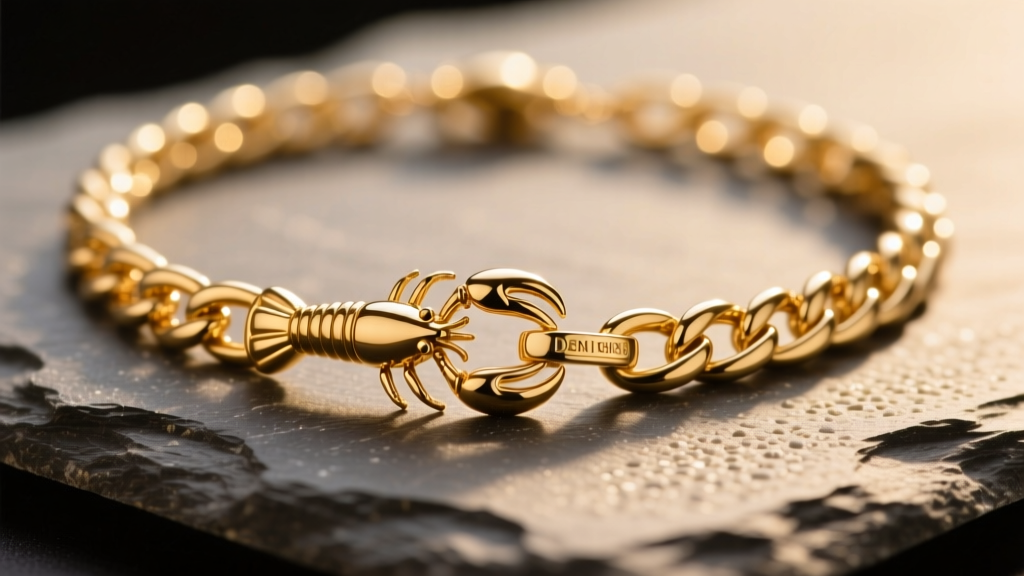
For necklaces and bracelets, inspect the clasp mechanism. Demi-fine pieces utilize solid lobster clasps or secure magnetic clasps with internal neodymium magnets encased in sterling silver. Spring ring clasps, while common, are generally considered a lower-tier hardware choice due to their fragile internal springs. Furthermore, the jump rings (the small loops connecting the clasp to the chain) should be soldered closed or made of thick-gauge wire to prevent the chain from slipping apart under the weight of a pendant.
Step 4: Calculate the Price-to-Longevity Ratio
Understanding the demi fine jewelry meaning ultimately comes down to financial pragmatism. You are paying for the intersection of durability and design. To evaluate if a piece is worth the investment, calculate the Cost Per Wear (CPW).
Divide the total cost of the jewelry by the estimated number of times you will wear it before it degrades. A $30 brass-plated ring that turns your finger green and tarnishes after 20 wears has a CPW of $1.50. A $120 gold vermeil ring with a lab-grown stone that you wear 300 times over three years has a CPW of $0.40. The demi-fine piece is mathematically the superior investment, provided it meets the material standards outlined in Steps 1 through 3.
Your Step-by-Step Purchasing Checklist
Before adding any mid-tier jewelry to your cart, run it through this definitive checklist to ensure it aligns with the true demi fine jewelry meaning:
- Metal Verification: Is the base metal explicitly listed as .925 sterling silver? (Avoid "silver-tone" or unspecified "base metals").
- Plating Thickness: Does the brand guarantee a minimum of 2.5 microns of gold for vermeil pieces?
- Stone Authenticity: Are the stones lab-grown, moissanite, or natural semi-precious? (Avoid vague terms like "crystal" or "diamond simulant" without further clarification).
- Setting Security: Are the stones held by physical metal prongs or bezels rather than adhesive glue?
- Hardware Stamp: Do the earring posts and clasps bear a physical "925" hallmark?
- Warranty: Does the brand offer a 1-year or lifetime replating warranty? (A strong indicator that they stand behind their micron thickness).
By applying these rigorous inspection steps, you can confidently navigate the market, filter out deceptive marketing, and build a lasting, high-quality jewelry collection that truly embodies the luxury and longevity of demi-fine craftsmanship.


