The 2026 Drop Earrings Value Guide: Budget vs Quality
Discover how to assess the true value of drop earrings in 2026. We break down material tiers, clasp mechanics, and cost-per-wear metrics.

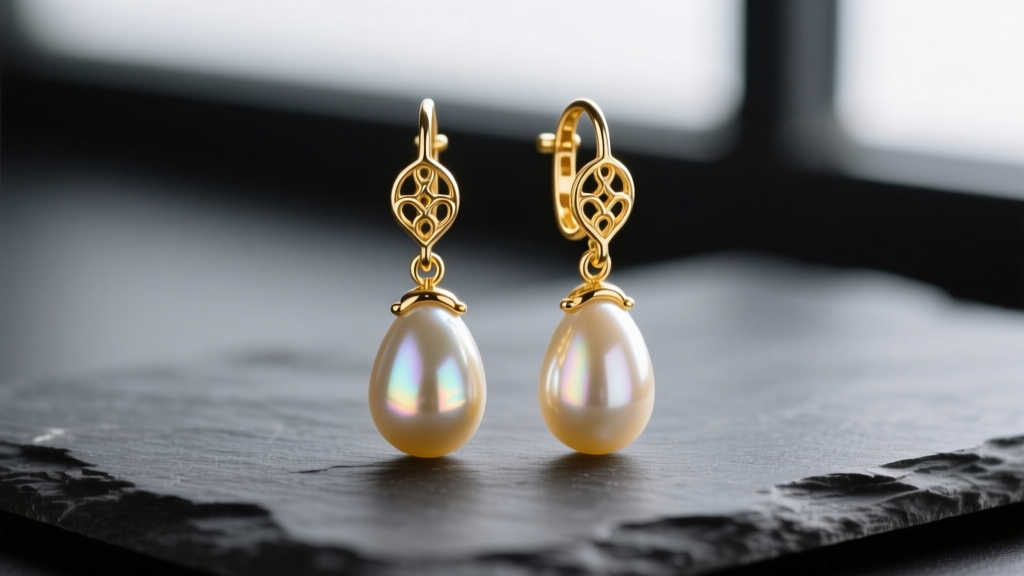
The Economics of Elegance: Assessing Drop Earrings in 2026
When evaluating the true worth of drop earrings in the 2026 jewelry market, consumers must look beyond the initial price tag. Unlike simple studs, drop earrings involve complex mechanical components, varied material stress points, and intricate gemstone settings that drastically affect their lifespan and cost-per-wear. Whether you are browsing demi-fine collections or investing in solid gold, understanding the structural and material value of drop earrings is essential for making financially sound jewelry decisions.
Deconstructing the Drop: Where the Money Actually Goes
The anatomy of a drop earring dictates its durability. A standard drop design consists of the primary wire or post, a connecting jump ring or bail, and the decorative drop element itself. In budget-friendly options under $40, manufacturers often use unsoldered jump rings made of soft base metals. This is a critical failure point; the weight of the drop element naturally pulls the ring apart over time, leading to lost earrings. High-value drop earrings feature laser-soldered jump rings or integrated bail designs that eliminate this structural weakness.
Clasp Mechanics and Security
The suspension mechanism is equally vital. Fish hooks are the industry standard for budget drops, but they require silicone stoppers to prevent loss, which degrade and yellow within months. Leverback clasps, which feature a hinged wire that snaps into a catch, offer superior security for heavier drop earrings. However, a high-quality leverback requires precise spring tension. In cheap castings, the internal spring fatigues after 50 to 100 uses, leaving the earring permanently open. When assessing value, always test the leverback snap; it should engage with a crisp, audible click and resist pulling open under moderate tension.

Material Tiers and the Cost-Per-Wear Matrix
To accurately assess value, we must analyze the materials used in the primary wire and the drop components. The following table breaks down the three main market tiers, their expected lifespans with bi-weekly wear, and the calculated cost-per-wear over a three-year period.
| Material Tier | Base / Plating Specs | Expected Lifespan | Avg. Retail Price | 3-Year Cost-Per-Wear |
|---|---|---|---|---|
| Fashion / Budget | Brass alloy, flash gold plated (0.05 microns) | 3 - 6 Months | $25 - $45 | $0.15 - $0.25 / wear |
| Demi-Fine | Sterling silver, gold vermeil (2.5+ microns) | 2 - 4 Years | $65 - $140 | $0.08 - $0.12 / wear |
| Fine / Investment | Solid 14k or 18k gold, no plating | Lifetime / Heirloom | $250 - $800+ | $0.02 - $0.05 / wear |
The Vermeil Sweet Spot
For most buyers, demi-fine drop earrings offer the highest immediate value. According to the Federal Trade Commission Jewelry Guides, genuine gold vermeil must feature a sterling silver base with a minimum of 2.5 microns of gold plating. This thickness ensures the drop earring can withstand years of friction against the neck and jawline without exposing the base metal. Always verify the micron count with the retailer; many brands use the term 'vermeil' loosely for pieces with only 1.0 micron of plating, which will wear through at the friction points within a year.
Solid Gold and Fine Gems
For heirloom-quality drop earrings, 14k or 18k solid gold is non-negotiable. Solid gold eliminates the risk of plating wear entirely. When assessing value in this tier, scrutinize the gemstone sourcing and setting techniques. Bezel-set drops offer superior protection for soft stones like opals or turquoise compared to traditional prong settings, which can snag on clothing and loosen the stones.
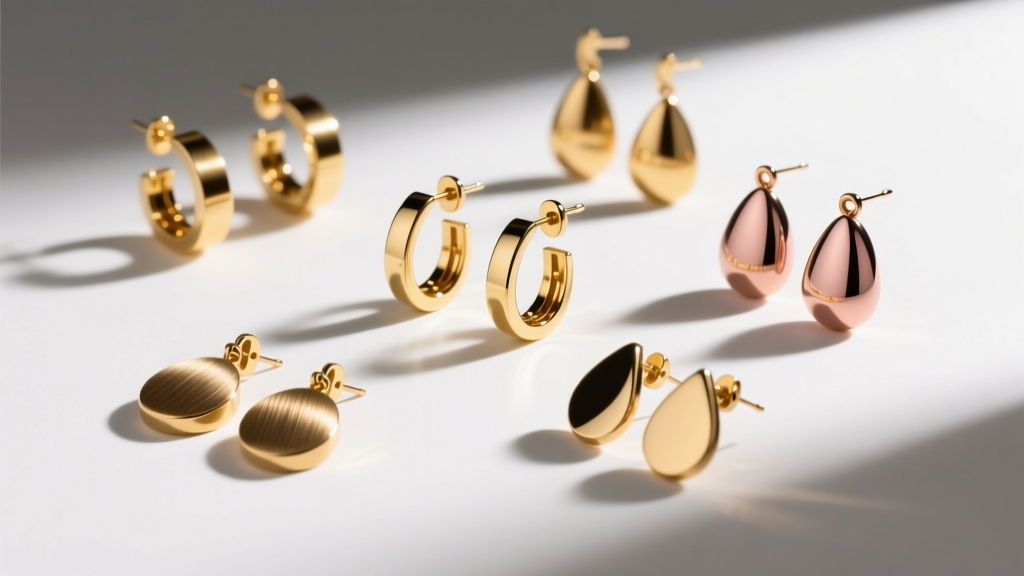
Gemstone and Pearl Valuation in Drop Designs
Drop earrings frequently feature pearls or elongated gemstones like briolettes. According to the Gemological Institute of America (GIA), pearl luster and nacre thickness are the primary drivers of value. In budget drop earrings, you will often find shell pearls or heavily treated freshwater pearls with thin nacre that can peel or chip upon impact. High-value drops utilize Akoya or high-grade Hanadama pearls, or solid briolette-cut semi-precious stones like amethyst or citrine, which are typically wire-wrapped rather than glued to ensure long-term security.
Common Failure Modes in Budget Drop Designs
When conducting a value assessment, it is crucial to recognize how cheaper drop earrings fail over time. Avoid these common manufacturing shortcuts:
- Vermeil Oxidation at Friction Points: The area where the earring rubs against the earlobe or hair will wear through thin plating within months, exposing the brass or copper beneath and causing skin discoloration.
- Leverback Spring Fatigue: In cheaper leverback designs, the tiny internal spring loses tension after minimal use, leaving the earring permanently open and prone to falling out.
- Adhesive Degradation: Budget pearl drop earrings often rely on cyanoacrylate glues rather than mechanical pins. Exposure to humidity and skin oils degrades the bond, resulting in the pearl detaching from the metal cap.
Final Verdict: Building a Value-Driven Collection
To maximize your jewelry budget in 2026, allocate your spending toward demi-fine or solid gold drop earrings for daily wear, reserving fashion-tier purchases strictly for occasional, trend-driven events. Always inspect the solder points, verify the plating micron count, and test the clasp tension before purchasing. By prioritizing structural integrity and material transparency, you can curate a collection of drop earrings that delivers both enduring elegance and exceptional financial value.


