Guide to Fine Jewelry Wholesale Suppliers No Minimum Order
Learn how to source high-quality pieces with our beginner guide to fine jewelry wholesale suppliers no minimum order. Start your boutique risk-free today.

Launching a jewelry boutique in 2026 is more accessible than ever, but sourcing authentic, high-quality pieces without tying up thousands of dollars in inventory remains a significant hurdle for beginners. Traditional manufacturing requires bulk purchases, but the rise of micro-boutiques has created a demand for fine jewelry wholesale suppliers no minimum order policies. This guide breaks down exactly how to find, vet, and profit from low-MOQ (Minimum Order Quantity) fine jewelry suppliers without sacrificing quality or authenticity.
What Does "No Minimum Order" Really Mean in Fine Jewelry?
In traditional jewelry manufacturing, factories rely on lost-wax casting. Creating a master mold and a vulcanized rubber mold costs hundreds of dollars, meaning suppliers require MOQs of 50 to 100 units per SKU to offset setup costs. When you search for fine jewelry wholesale suppliers no minimum order, you are typically engaging with suppliers who utilize one of two modern business models:
- CAD/CAM Direct-to-Metal Printing: Suppliers use advanced 3D printing to cast single pieces on demand, bypassing the need for rubber molds entirely. This allows them to offer solid 14k or 18k gold pieces with an MOQ of just one unit.
- Blank Inventory & On-Demand Setting: The supplier keeps a massive inventory of un-set, pre-casted gold mountings (blanks). When you place a single-unit order, their in-house gemologists set the stone and polish the piece. This is highly common for diamond and sapphire solitaire rings.
These models are ideal for dropshipping or lean-inventory boutiques, allowing you to test market demand for specific designs—like a 2mm 14k gold herringbone chain or a bezel-set emerald pendant—without buying 50 units upfront.
The Material Tier List: What You Should Actually Be Sourcing
Beginners often confuse "fashion" or "demi-fine" jewelry with true fine jewelry. If you are marketing your brand as fine jewelry, you must adhere to strict material standards. According to the FTC Jewelry Guides, misrepresenting metal content can result in severe penalties. Here is the definitive tier list for sourcing:
1. True Fine Jewelry (Your Target)
This category consists of solid precious metals and genuine gemstones. You should be sourcing solid 10k, 14k, or 18k gold, as well as platinum (PT950). Fine jewelry does not tarnish, holds intrinsic melt value, and can be repaired or resized by any local jeweler. With gold spot prices hovering around $2,400 per ounce in 2026, even lightweight solid 14k pieces carry a premium wholesale cost, but they command the highest retail loyalty.
2. Demi-Fine Jewelry (The Bridge)
Demi-fine is an excellent entry point for lower price brackets. The gold standard here is Gold Vermeil. To be legally classified as vermeil, the base must be .925 sterling silver, and the gold plating must be at least 10k purity and a minimum of 2.5 microns thick. Anything less is considered standard gold plating (fashion jewelry) and will wear off quickly, damaging your brand's reputation.
3. Fashion Jewelry (Avoid for Fine Boutiques)
Brass or copper bases with flash plating (0.05 to 0.5 microns) and cubic zirconia. While profitable, this belongs in the costume category, not a fine jewelry boutique.
How to Vet Fine Jewelry Wholesale Suppliers No Minimum Order
Finding a supplier is easy; finding a reliable one is difficult. When evaluating potential partners for your boutique, use this strict vetting framework to ensure you are getting genuine fine jewelry.
Verify Industry Memberships
Check if the supplier is a member of the Jewelers Board of Trade (JBT) or the American Gem Society (AGS). These organizations require strict financial and ethical vetting. A supplier with a JBT rating is significantly less likely to sell counterfeit metals or misgraded stones.
Request a "Test Buy"
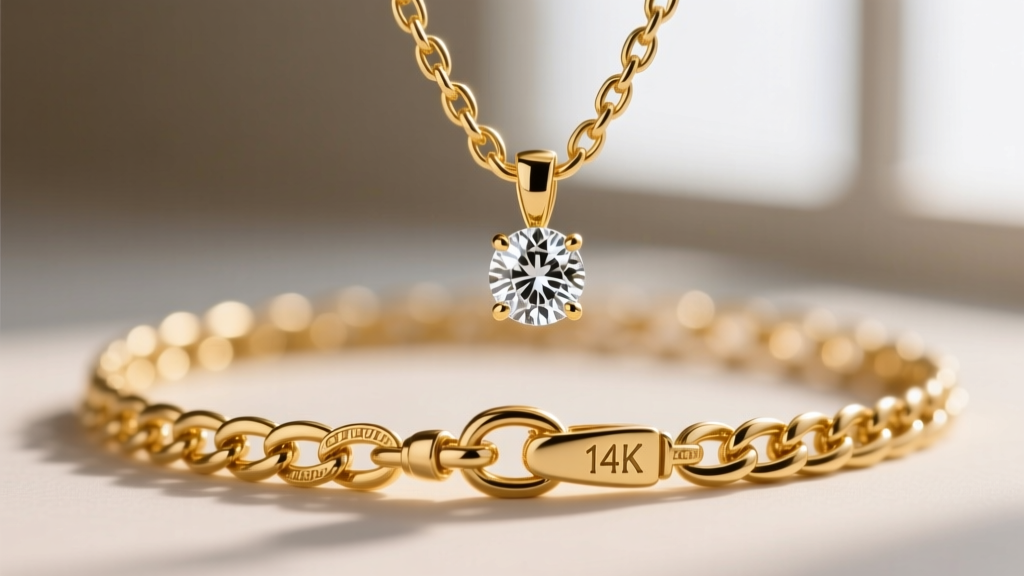
Never commit to a supplier without a test buy. Order a single, lightweight solid 14k gold chain. When it arrives, take it to a local independent jeweler to perform an acid test or XRF (X-ray fluorescence) scan. Verify that the piece is stamped with a proper hallmark (e.g., "14K" or "585") and a manufacturer's trademark stamp, which is legally required in the US to hold the maker accountable for the metal's purity.
Interrogate Gemstone Sourcing
The GIA Gem Encyclopedia notes that the market is flooded with lab-created and treated gemstones. A reputable no-MOQ supplier will explicitly state whether a sapphire is "natural, heated," "natural, unheated," or "lab-created." If a supplier uses vague terms like "crystal," "simulated diamond," or "cherry red stone" instead of precise mineral names, walk away immediately.
Pricing Breakdown: Wholesale vs. Retail Margins
Understanding the pricing structure of no-MOQ suppliers is critical. Because the supplier absorbs the risk of holding inventory and casting single units, their "wholesale" price is slightly higher than traditional bulk factory pricing. However, the margins are still highly favorable for boutique owners.
The industry standard for fine jewelry is Keystone Pricing (multiplying the wholesale cost by 2) or Modified Keystone (multiplying by 2.5 to 3 for bespoke or highly curated designs). Below is a realistic 2026 pricing breakdown for common no-MOQ fine jewelry items:
| Item Description | Est. Wholesale Cost (No MOQ) | Suggested Retail Price (2.2x - 2.5x) | Gross Margin |
|---|---|---|---|
| 14k Solid Gold 18" Box Chain (1.2mm) | $115.00 | $255.00 - $285.00 | 55% - 60% |
| 14k Gold 0.25ct Lab-Grown Diamond Studs | $85.00 | $195.00 - $225.00 | 56% - 62% |
| 18k Gold Vermeil Signet Ring (9g) | $32.00 | $75.00 - $85.00 | 57% - 62% |
| Platinum (PT950) 1.5mm Wedding Band | $340.00 | $750.00 - $850.00 | 55% - 60% |
Note: Wholesale costs fluctuate daily based on the spot price of gold and platinum. Always check the supplier's live metal surcharge before checking out.
Shipping & Fulfillment Logistics for Micro-Boutiques
When utilizing fine jewelry wholesale suppliers no minimum order policies for direct-to-consumer dropshipping, logistics can make or break your customer experience. Fine jewelry requires specific handling that fashion accessories do not.
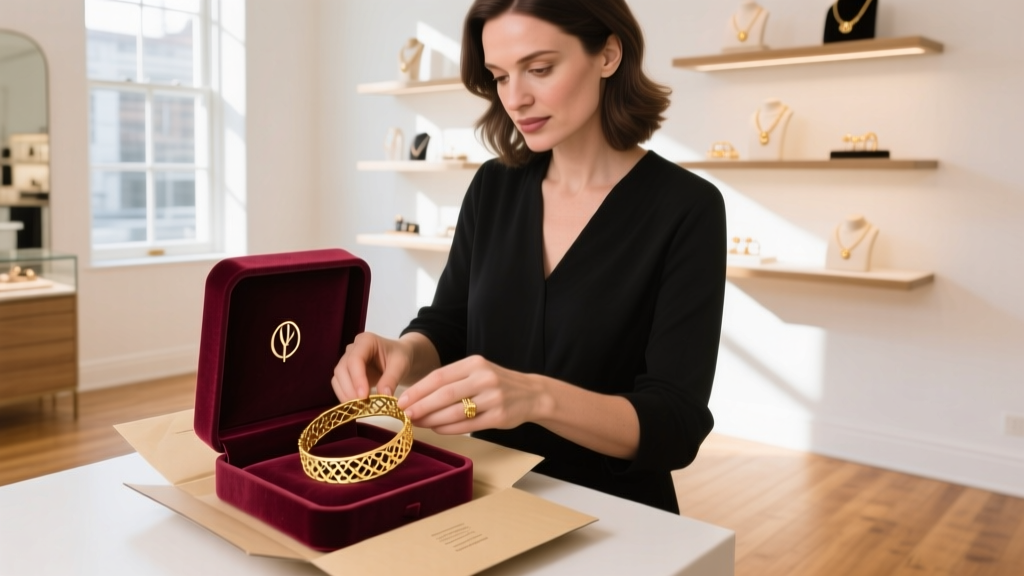
- Blind Shipping & Inserts: Ensure your supplier offers true blind shipping (no supplier branding on the box or packing slip). Negotiate the ability to include custom branded velvet pouches or authentication cards in the parcel. Many premium no-MOQ suppliers will keep your branded packaging in their warehouse and use it for your orders.
- High-Value Insurance: If a supplier ships a $1,500 solid gold tennis bracelet via standard ground mail, you are taking a massive risk. Require your supplier to use USPS Registered Mail for high-value domestic shipments. It is the most secure shipping method available, with a chain-of-custody signature log at every facility, and it includes built-in insurance up to $50,000. FedEx and UPS standard declared value insurance often have exclusions for precious metals and loose gemstones.
Red Flags to Avoid in the Sourcing Process
As a beginner, you will be targeted by predatory manufacturers masquerading as fine jewelry wholesalers. Protect your capital by watching out for these critical red flags:
- Impossible Pricing: If a supplier offers a "solid 14k gold" chain for $18 wholesale, it is either gold-plated brass or a scam. Always calculate the melt value. A 5-gram 14k gold chain contains roughly 3 grams of pure gold. At current market rates, the raw gold alone is worth over $200, before factoring in casting, polishing, and wholesale margins.
- Missing Hallmarks: By US law, any item stamped with a quality mark (like 14k) must also bear a registered trademark stamp of the manufacturer. If your test pieces arrive with no stamps, the supplier is cutting corners and violating FTC guidelines.
- Refusal to Provide Metallurgical Assays: Top-tier suppliers can provide XRF assay reports for their metal batches. If a supplier gets defensive when asked about their metal sourcing or refining partners, they are likely importing unverified alloys that may contain nickel or lead, which can cause severe allergic reactions for your customers.
Final Thoughts on Building Your Inventory
Sourcing from fine jewelry wholesale suppliers no minimum order is the smartest way to launch a modern, lean jewelry brand in 2026. It allows you to prioritize cash flow, test diverse aesthetic niches, and scale organically. By strictly adhering to material standards, verifying hallmarks, and understanding the true mathematics of precious metal pricing, you can build a highly profitable boutique that rivals established legacy jewelers. Start with a curated capsule collection of solid 14k gold essentials, master your fulfillment logistics, and let the intrinsic value of your products drive your brand's growth.