Good Costume Jewelry Brands: A Material Quality Guide
Discover which good costume jewelry brands use the best base metals, plating thicknesses, and stones. A deep dive into material properties and longevity.

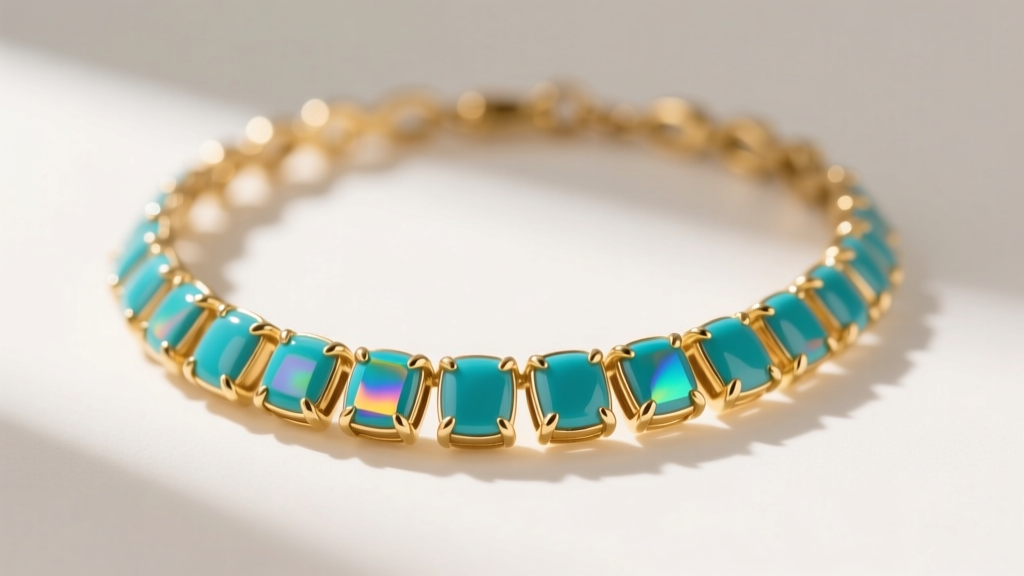
The Metallurgy of Costume: Why Base Metals Matter
When analyzing good costume jewelry brands, the conversation must begin beneath the surface. Unlike fine jewelry, which relies on the intrinsic value of precious metals, costume jewelry depends entirely on structural metallurgy and surface engineering. The core substrate dictates the piece's weight, tensile strength, and susceptibility to galvanic corrosion when exposed to human perspiration.
Premium costume brands utilize C26000 Cartridge Brass (70% copper, 30% zinc) or 316L Surgical Stainless Steel. Cartridge brass offers superior malleability for intricate casting and a smooth surface profile, which is critical for even electroplating. Conversely, mass-market, low-tier brands frequently rely on Zamak 3 (a zinc-aluminum-magnesium-copper alloy). While Zamak is exceptionally cheap to die-cast, it is highly porous. This porosity leads to microscopic pitting that eventually breaches the outer plating layer, causing the dreaded 'green skin' reaction as copper oxidizes against acidic skin pH.
The hallmark of a superior costume brand is not just the aesthetic design, but the rigorous selection of a non-porous base alloy that acts as a stable canvas for surface treatments.
Plating Technologies: Flash vs. Micron vs. PVD
The longevity of gold or silver-toned costume jewelry is governed by the thickness and application method of its outer layer. Understanding these tiers is essential for identifying brands that offer genuine value over disposable fast-fashion accessories.
| Plating Type | Thickness | Application Method | Expected Lifespan (Daily Wear) | Common Brand Tier |
|---|---|---|---|---|
| Flash Plating | 0.05 - 0.1 µm | Electroplating | 1 - 3 Months | Fast Fashion / Budget |
| Micron Plating | 0.5 - 2.5 µm | Electroplating | 1 - 3 Years | Mid-Tier / Good Costume |
| PVD (Physical Vapor Deposition) | 0.1 - 0.5 µm | Vacuum Chamber (TiN) | 3 - 5+ Years | Innovative / Premium |
| E-Coating (Anti-Tarnish) | N/A (Clear) | Electrophoretic | Extends base life 2x | Quality-Conscious Brands |
In 2026, the most forward-thinking good costume jewelry brands are shifting toward PVD coating. Originally developed for industrial tooling, PVD vaporizes titanium nitride in a vacuum, bonding it to the brass substrate at a molecular level. This creates a surface that is up to four times harder than traditional electroplated gold, highly resistant to UV degradation, and impervious to the sulfides that cause silver to tarnish.
Evaluating Good Costume Jewelry Brands by Material Tiers
Tier 1: Heritage & High-End (Ciner, Chanel)
Brands like Ciner (established 1892) operate in the upper echelon of costume jewelry. Ciner utilizes lead-free pewter and brass bases, heavily plated with rhodium or 18k gold, and finished with hand-set Swarovski crystals and glass pearls. Their pieces ($200–$600) feature mechanical prong settings rather than adhesive, ensuring stones do not dislodge when the metal expands or contracts with temperature changes. Similarly, vintage and modern Chanel costume pieces employ heavy micron-plating over bronze or brass, often utilizing Gripoix glass (poured glass enamel) which possesses a Mohs hardness of 5.5, making it more durable than standard epoxy resins.
Tier 2: Mid-Tier Innovators (Kendra Scott, BaubleBar)
Kendra Scott has built a massive footprint by standardizing 14k gold and rhodium plating over brass, typically in the 0.2 to 0.5-micron range. Their signature 'drusy' material is often a cast glass or dyed agate backed with a metallic foil, sealed to prevent moisture ingress. BaubleBar focuses on trend-driven statement pieces but maintains quality by utilizing cubic zirconia (CZ) instead of glued acrylics, and frequently applies an e-coat sealant over their gold-plated brass to stave off oxidation. Pricing here ($40–$150) reflects the cost of the micron-plating and CZ material.
Stone and Inlay Material Science
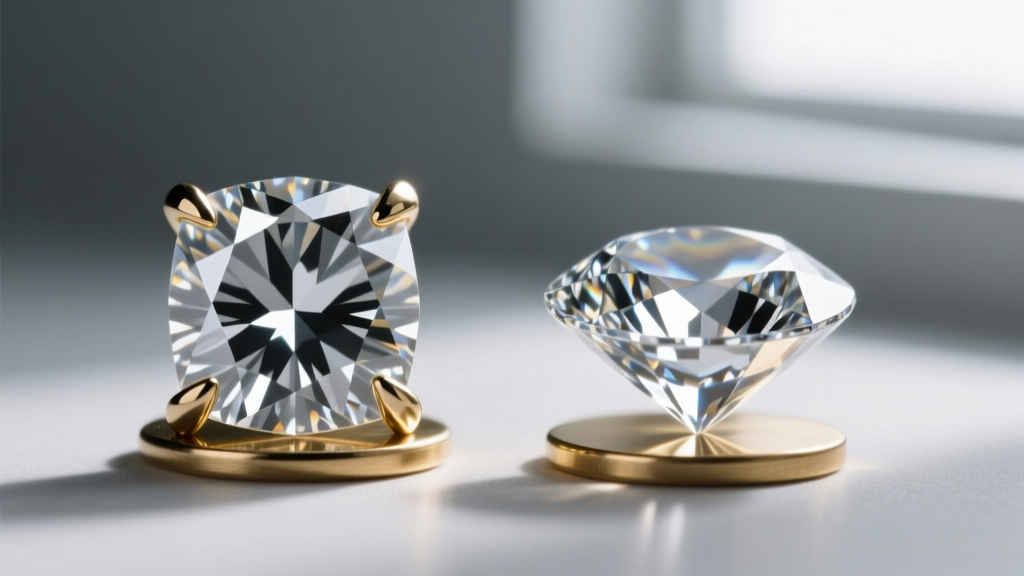
The gemological substitutes used by good costume jewelry brands drastically alter the piece's refractive index, scratch resistance, and overall perceived value.
- Cubic Zirconia (CZ): With a Mohs hardness of 8.5 and a dispersion rate of 0.058–0.066 (higher than a diamond's 0.044), CZ is the premier choice for brilliant-cut simulants. Quality brands use machine-cut, AAA-grade CZ with precise facet junctions, avoiding the rounded, melted facet edges seen in cheap, molded glass stones.
- Advanced Crystal (Lead-Free): Following global mandates to remove lead oxide from glass, brands now use 'advanced crystal' formulations (like Swarovski's patented lead-free standard). These maintain a high refractive index (~1.52) but require precise cutting to achieve the same fire as older leaded glass.
- Cold Enamel vs. Vitreous Enamel: Most modern costume jewelry uses cold enamel (an epoxy resin). While vibrant, epoxy has a Mohs hardness of roughly 2.0–3.0 and will yellow under prolonged UV exposure. High-end brands occasionally use vitreous (kiln-fired) enamel, which fuses glass powder to the metal at 1400°F, yielding a permanent, scratch-resistant (Mohs 5-6) finish.
The Nickel & Lead Compliance Factor
A critical, often overlooked metric in evaluating costume jewelry is chemical compliance. Cheap alloys frequently contain nickel as a hardening agent and brightener in the plating bath. According to the European Chemicals Agency (ECHA) REACH Annex XVII, nickel release from articles intended to come into direct and prolonged contact with the skin must not exceed 0.5 µg/cm²/week. Good costume jewelry brands rigorously test their 20-gauge (0.8mm) earring posts and necklace clasps to ensure they meet this strict hypoallergenic threshold, often utilizing a palladium or pure silver barrier layer between the brass and the final gold plate to block nickel migration.
Furthermore, the Federal Trade Commission (FTC) Jewelry Guides strictly regulate the use of terms like 'gold plated' and 'vermeil'. Reputable brands adhere to these guidelines, ensuring that a 'gold plated' designation means a minimum of 0.175 microns of 10k gold, whereas unbranded imports often falsely label flash-plated items, leading to rapid consumer disappointment.
Care Protocols to Prevent Galvanic Corrosion
Even the best-engineered costume jewelry will fail if subjected to galvanic corrosion. This occurs when two dissimilar metals (e.g., the copper in the brass base and the gold in the plating) are exposed to an electrolyte (human sweat or saltwater). The resulting electrochemical reaction rapidly eats away the base metal, causing the plating to blister and flake.
To maximize the lifespan of micron-plated and PVD-coated pieces, consumers must adopt specific care protocols: always remove jewelry before exposure to chlorinated pools or sulfur-rich hot springs, store pieces in anti-tarnish cloth bags infused with silver chloride to absorb ambient sulfides, and gently wipe the interior shanks and earring posts with a microfiber cloth after each wear to remove acidic sebum buildup. By understanding the material science behind these pieces, collectors can accurately identify which good costume jewelry brands offer true material integrity and which merely rely on superficial marketing.
For more insights on gemological properties, the Gemological Institute of America (GIA) provides extensive research on the optical and physical characteristics of synthetic simulants used across all jewelry tiers.


