Fine Jewelry Rental in 2026: Trend Analysis & Cost Breakdown
Discover if fine jewelry rental is worth it in 2026. We analyze luxury leasing trends, cost breakdowns, top platforms, and hidden insurance fees.

The Shift from Ownership to Access in Luxury
The luxury accessories market has undergone a seismic psychological shift over the last decade, culminating in the mainstream normalization of the circular economy. In 2026, the concept of fine jewelry rental is no longer relegated to bridal parties or red-carpet stylists; it is a core component of the modern accessorizing strategy for everyday consumers. According to the McKinsey & Company State of Fashion report, the resale and rental luxury market is growing three times faster than traditional primary luxury sales. Consumers are increasingly prioritizing variety, sustainability, and the experiential thrill of wearing high-carat pieces without the crippling upfront capital expenditure.
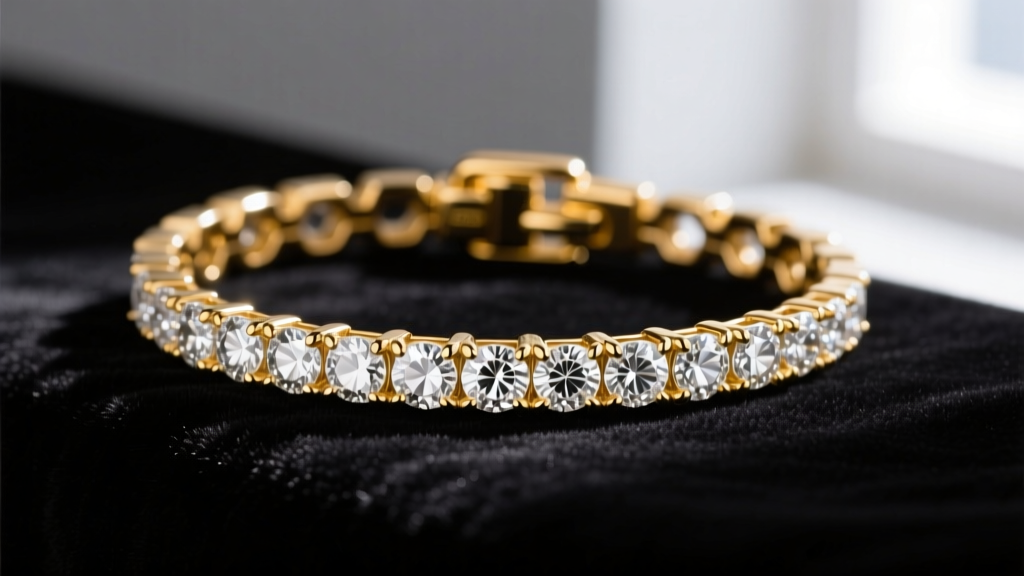
However, the transition from buying solid 14k gold from a demi-fine brand to renting a 5-carat diamond tennis bracelet from a luxury vault introduces complex variables. From authentication protocols to microscopic wear-and-tear liabilities, understanding the mechanics of luxury leasing is critical before you swipe your card for a monthly membership. This analysis breaks down the real costs, the hidden damage fees, and the style trends driving the rental boom this year.
How Fine Jewelry Rental Platforms Actually Work
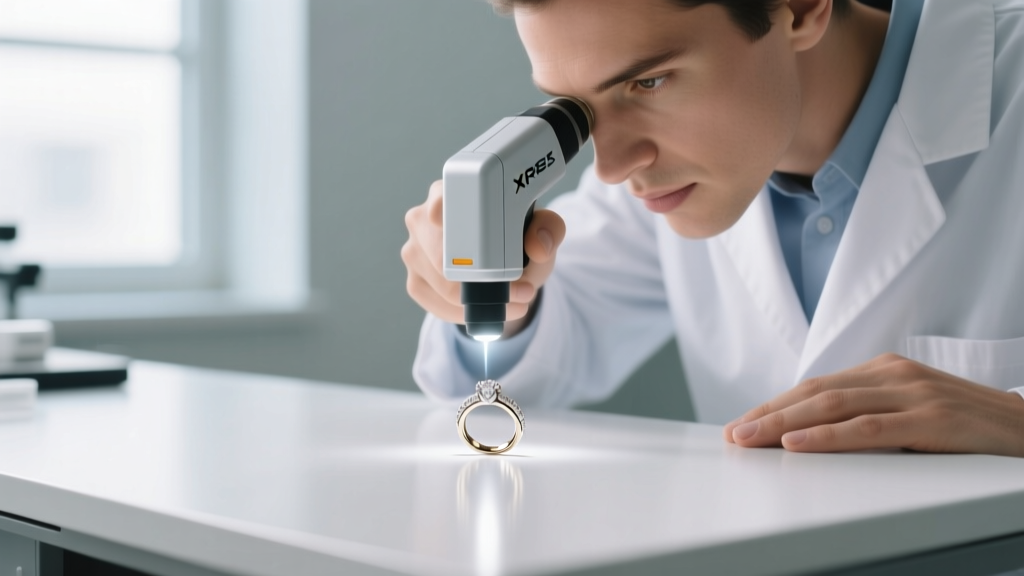
Unlike renting a designer handbag, fine jewelry requires rigorous scientific authentication and meticulous condition tracking. Top-tier rental platforms do not rely solely on visual inspections. When a piece is returned to a facility, it undergoes a multi-point diagnostic checklist:
- XRF Spectrometry: X-ray fluorescence guns are used to verify the exact karat purity of gold and platinum alloys, ensuring no microscopic soldering repairs have altered the metal composition.
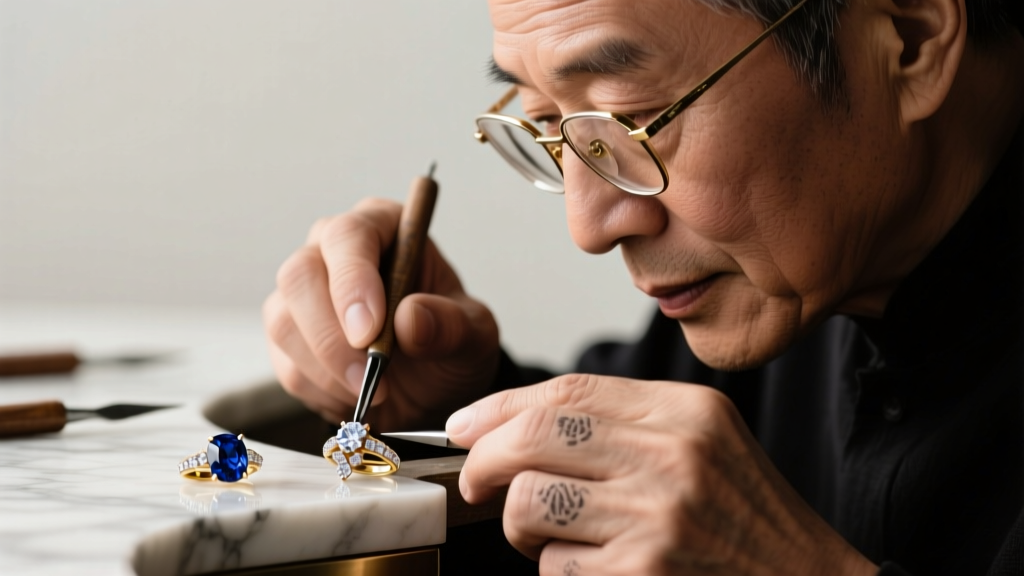
- GIA Loupe Inspections: Gemologists inspect diamond girdles and inclusions under 10x magnification to match the stones against original GIA grading reports, preventing bait-and-switch fraud.
- Ultrasonic Cleaning & Steam: High-frequency sound waves remove trapped sebum and cosmetics from pavé settings, which is crucial for maintaining the light return of melee diamonds.
For the consumer, the process is streamlined. You select a membership tier, choose your pieces, and they arrive in tamper-evident, GPS-tracked packaging. But the true value of these platforms lies in their inventory curation, which has shifted heavily toward "Heirloom Revival" styles in 2026—think vintage Cartier Love bracelets, Van Cleef & Arpels Alhambra motifs, and heavy, sculptural 18k yellow gold chains rather than the minimalist, delicate chains of the early 2020s.
Cost Breakdown: Renting vs. Buying Demi-Fine vs. Fine
To understand the financial viability of fine jewelry rental, we must compare it against the alternatives: buying demi-fine (vermeil or solid 10k/14k) or purchasing entry-level fine jewelry outright. Below is a 12-month cost analysis based on a consumer who wants to wear high-impact, luxury-tier pieces for weekly events and daily office styling.
| Category | 12-Month Cost | Material Quality | Resale/End Value | Best For |
|---|---|---|---|---|
| Fine Jewelry Rental (e.g., Vivrelle Premier) | $2,388 ($199/mo) | 18k Gold, VVS Diamonds, Platinum | $0 (Access only) | Trend-hoppers, event-goers, luxury lovers |
| Demi-Fine Purchase (e.g., Mejuri, Gorjana) | $1,200 (approx. 3 pieces) | 14k Solid Gold, Gold Vermeil, Lab Diamonds | $300 (Secondary market) | Everyday wear, minimalists |
| Entry Fine Purchase (e.g., Tiffany, Cartier) | $4,500+ (1 signature piece) | 18k Gold, VS Diamonds | $2,500 (Resale value) | Milestone gifts, heirloom building |
As the data illustrates, renting provides access to $20,000+ worth of inventory for the price of a single entry-level designer pendant. However, you build zero equity. The decision ultimately hinges on whether you view jewelry as an experience or an asset.
The Hidden Catch: Insurance, Wear-and-Tear, and Damage Fees
The most frequently overlooked aspect of fine jewelry rental is the liability matrix. While platforms include standard insurance for theft and catastrophic loss (often requiring a police report and a $100-$250 deductible), they are notoriously strict about "excessive wear and tear." Because fine jewelry is crafted from relatively soft precious metals, damage happens faster than consumers expect.
Common Damage Fees You Might Face
If you rent an 18k gold diamond ring for a month and wear it daily, you are subjecting it to friction, chemicals, and impacts. Here is what platforms actually charge when you return a damaged item:
- Prong Re-tipping ($45 - $85 per prong): 18k gold is softer than 14k. Catching a prong on a knit sweater can pull it away from the diamond. If a gemologist notes a lifted prong upon return, you pay for the laser welding repair.
- Rhodium Replating ($35 - $60): White gold is naturally yellowish and plated with rhodium. Daily wear strips this plating off the shank within weeks. Rental companies will charge you for the electroplating bath required to restore the bright white finish.
- Melee Diamond Replacement ($30 - $60 per stone): Pavé settings feature tiny diamonds (usually 0.01 to 0.03 carats) held by micro-prongs. Losing a single melee stone due to impact is common, and the rental platform will bill you for the stone and the bench jeweler's setting fee.
- Deep Scratching / Metal Loss ($100+): While surface micro-scratches are considered normal wear, deep gouges that require aggressive laser polishing (which removes metal weight) will incur a depreciation fee.
Pro Tip: Never wear rented fine jewelry to the gym, in the pool, or while applying lotion. Chlorine and bromine can cause stress corrosion cracking in gold alloys, leading to sudden shanks snapping—a catastrophic damage event you will absolutely be billed for.
Top Platforms Dominating the 2026 Market
The rental landscape has consolidated, with a few key players offering distinct advantages based on your styling needs.
1. Vivrelle
Vivrelle operates on a tiered subscription model (ranging from $49 to $199+ per month). It is highly favored for its "swap" mechanics, allowing users to borrow up to three items at a time. Their inventory leans heavily into recognizable luxury designer brands (Cartier, Van Cleef, Messika) alongside high-end independent fine jewelers. It is the premier choice for those who want brand prestige and trend-heavy statement pieces.
2. Flont
Flont bridges the gap between rental and ownership through its unique "rent-to-own" and fractional ownership models. If you rent a piece and fall in love with it, your monthly rental fees can be applied toward the outright purchase price. Flont’s inventory is curated with a focus on exceptional gemstone quality and modern, architectural fine jewelry designs, making it ideal for brides and high-net-worth individuals testing investment pieces.
3. Rent the Runway (Fine Jewelry Tier)
While primarily known for apparel, RTR’s fine jewelry expansion has made luxury accessories accessible to a broader demographic. Their inventory focuses heavily on demi-fine to entry-level fine pieces (like Gorjana Fine Jewelry or Kendra Scott Solid Gold). It is less about high-carat diamond tennis bracelets and more about curated, stackable 14k gold sets perfect for vacation rentals and weekend weddings.
Verdict: Who Should Rent and Who Should Buy?
The fine jewelry rental model is not a universal solution; it is a highly specific tool for a specific type of consumer. According to the Bain & Company Luxury Study, the circular luxury market thrives on consumers who value novelty over permanence.
You should RENT if:
- You attend frequent galas, weddings, or high-profile networking events and need varied, high-impact statement pieces.
- You suffer from "jewelry fatigue" and constantly want to update your aesthetic without cluttering your safe.
- You want to "test drive" a heavy, expensive investment piece (like a 5-carat diamond line bracelet) to see how it fits your lifestyle before committing $15,000 to buy it.
You should BUY if:
- You are looking for an everyday "signature" piece (like diamond studs or a simple gold herringbone chain) that you never want to take off.
- You are highly active or work with your hands, making the stress of potential damage fees on a rented item too high.
- You view jewelry as a store of value or an emotional heirloom to be passed down to future generations.
Ultimately, fine jewelry rental in 2026 represents the democratization of the vault. By understanding the hidden costs, respecting the metallurgy of the pieces, and choosing the right platform, you can enjoy the brilliance of high-carat luxury without the heavy financial anchor of ownership.


