The Ultimate Care Guide for Hera Fine Jewelry Pieces
Learn expert cleaning and maintenance tips for Hera Fine Jewelry. Discover safe solutions for 18k gold, pavé diamonds, and delicate chain care.

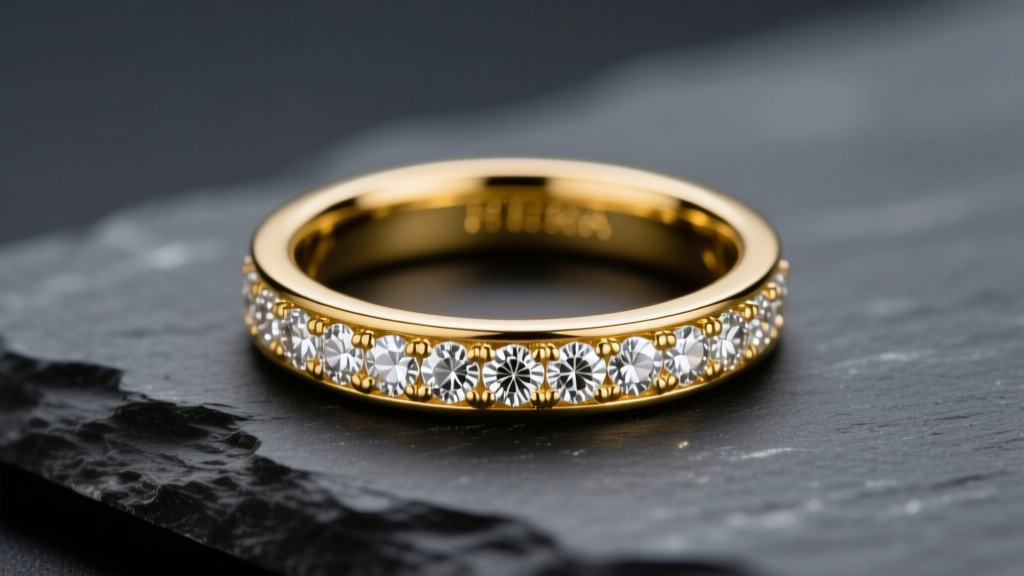
Owning a piece from the Hera Fine Jewelry collection is an investment in exceptional craftsmanship, high-karat precious metals, and precision-set gemstones. Known for intricate micro-pavé diamond settings, fluid 18k gold silhouettes, and occasional delicate enamel or mother-of-pearl inlays, these pieces require a meticulous approach to maintenance. As of 2026, while home cleaning technology has advanced significantly, the fundamental chemistry of precious metal alloys and the physical vulnerabilities of gemstone settings remain unchanged. This comprehensive guide provides domain-level expertise on preserving the brilliance, structural integrity, and long-term value of your Hera Fine Jewelry pieces.
Understanding the Material Profile of Hera Fine Jewelry
Before applying any cleaning solution or mechanical action, it is critical to understand the exact metallurgy and gemology of your pieces. Hera Fine Jewelry predominantly utilizes 18k gold (stamped 750), which consists of 75% pure gold and 25% alloy metals like copper, silver, or zinc. Pure gold is exceptionally soft (ranking 2.5 to 3 on the Mohs hardness scale), meaning the 25% alloy matrix is what provides the tensile strength required to hold diamonds securely in delicate pavé settings.
If you own white gold pieces from the collection, they are likely plated with a microscopic layer of rhodium to achieve a bright, mirror-like white finish. Over time, friction and exposure to acidic skin pH levels can wear this plating down to the underlying yellowish-white alloy. Furthermore, the diamonds used in Hera collections are typically high-clarity (VS or higher) and excellent cut grades. Because diamonds are lipophilic (oil-attracting), they rapidly accumulate sebum and cosmetic residues, which drastically reduces their light return and makes them appear cloudy or gray.
The Daily Wear Protocol: Preventing Micro-Abrasions
Preventative care is vastly superior to corrective polishing. Every time you polish a gold ring, you are removing a microscopic layer of metal. To minimize the need for aggressive polishing, adopt a strict daily wear protocol.
- The Mohs Scale Rule: Never store your Hera diamond rings loose in a bag with other jewelry. A diamond (Mohs 10) will effortlessly micro-scratch the 18k gold band (Mohs 3) of an adjacent ring, creating a dull, frosted appearance over time.
- Chemical Avoidance: Remove all pieces before swimming in chlorinated pools or using household bleach. Chlorine reacts violently with the copper and silver alloys in 18k gold, causing a phenomenon known as 'stress corrosion cracking,' which can cause prongs to snap without warning.
- Cosmetic Sequencing: Always apply lotions, perfumes, and hairsprays before putting on your jewelry. The alcohol and emollients in cosmetics create a stubborn film on diamond pavé that is difficult to remove with basic soap and water.
Cleaning Method Matrix: Choosing the Right Approach
Not all cleaning methods are safe for all materials. Below is a decision matrix to help you select the appropriate cleaning technique based on the specific materials present in your Hera Fine Jewelry piece.
| Cleaning Method | Safe for 18k Gold & Diamonds | Safe for Enamel / Pearl / Opal | Efficacy on Micro-Pavé | Risk Factors |
|---|---|---|---|---|
| Manual Soak & Brush | Yes | Yes (with modified pH) | High | Bristle stiffness can bend delicate prongs if scrubbed aggressively. |
| Ultrasonic (42 kHz) | Yes | No | Extreme | Cavitation bubbles can shatter fracture-filled diamonds or dislodge epoxy-set stones. |
| Steam Cleaning | Yes | No | High | Thermal shock can fracture included diamonds; high heat melts enamel. |
| Commercial Dip Cleaners | No | No | Low | Harsh thiourea chemicals can permanently pit gold alloys and strip rhodium. |
Step-by-Step Manual Cleaning for Maximum Brilliance
For routine maintenance of your solid gold and diamond Hera pieces, the manual soak-and-brush method is the gold standard recommended by gemological laboratories. According to the Gemological Institute of America (GIA), gentle manual cleaning preserves the structural integrity of micro-settings while effectively removing lipophilic grime.
- Prepare the Solution: Mix a 6:1 ratio of distilled water to phosphate-free, mild dish detergent (such as original Dawn). Avoid tap water, as it contains chlorine and calcium carbonate that can leave a micro-film on high-refractive-index diamonds, dulling their brilliance.
- The Soak: Submerge the jewelry for exactly 15 to 20 minutes. This allows the surfactants in the soap to break the surface tension of the oils trapped beneath the pavé diamonds and inside the gallery of the ring.
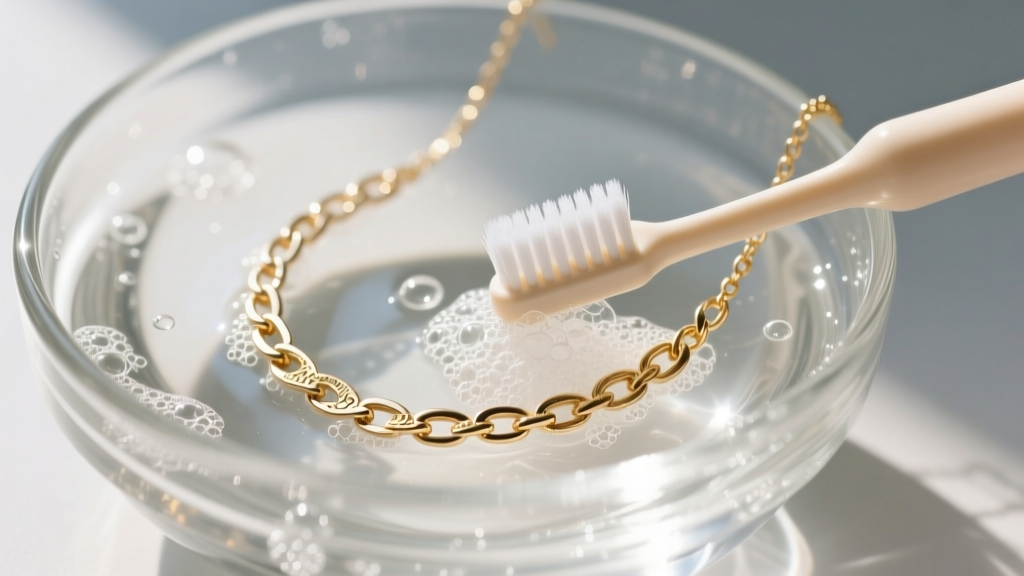
- Agitation: Using an ultra-soft baby toothbrush (never a standard adult brush, as the bristles are too rigid), gently brush the piece. Focus on the underside of the setting where dead skin cells and lotion accumulate. Brush in a circular motion, applying zero downward pressure.
- The Rinse: Rinse thoroughly under a gentle stream of lukewarm distilled water. Ensure the drain is securely plugged or use a mesh strainer over the sink.
- Drying: Pat dry with a lint-free microfiber cloth. Avoid paper towels or tissues, as the wood fibers can cause microscopic scratches on highly polished gold surfaces.
Troubleshooting Common Issues
Even with meticulous care, fine jewelry can exhibit signs of wear. Here is how to address specific issues commonly encountered with high-end boutique pieces.
Cloudy or Gray Diamonds
If your diamonds remain dull after a manual clean, they likely have a hardened layer of cosmetic buildup or hard water scale. Create a paste of baking soda and distilled water, apply it gently to the stones with a cotton swab, and let it sit for five minutes before rinsing. The mild alkalinity helps dissolve acidic cosmetic residues without scratching the diamond.
Scratched 18k Gold Bands
Micro-scratches on the shank of a ring are inevitable. Do not attempt to buff them out with commercial metal polishes, which often contain harsh abrasives like silica. Instead, take the piece to a certified jeweler for a professional 'rouge polish.' They will use a specialized muslin wheel and jeweler's rouge to restore the mirror finish, removing less than a micron of metal in the process.
Fading Rhodium on White Gold
If your white gold Hera piece begins to show a yellowish tint on the high-contact areas (like the bottom of the band or the clasp of a necklace), the rhodium plating has worn through. This requires a professional re-plating. According to the Jewelers of America, professional rhodium dipping should only be done when necessary, as the polishing required prior to plating removes a small amount of the base metal each time.
Long-Term Storage and Professional Maintenance Timelines
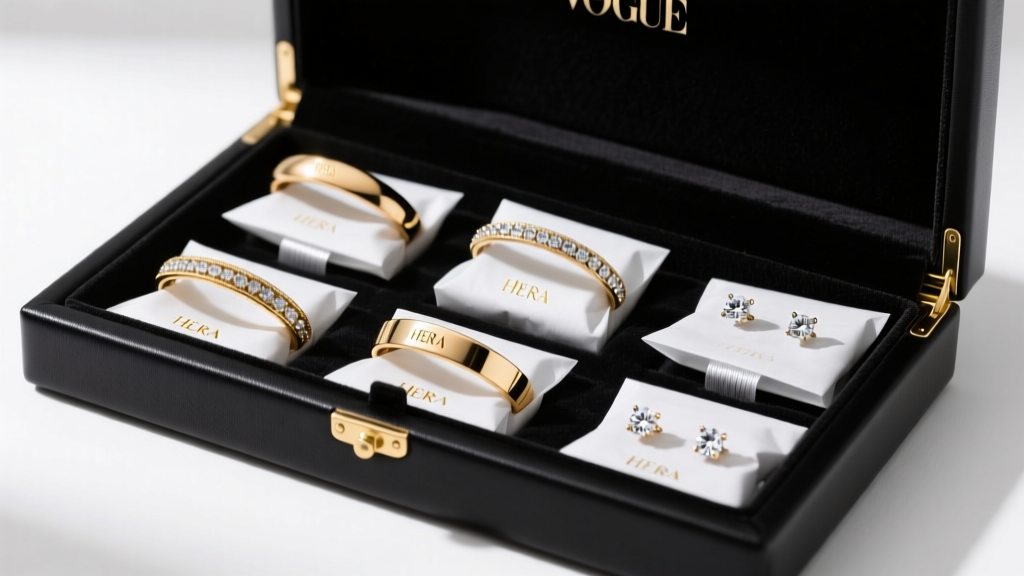
How you store your Hera Fine Jewelry when it is not being worn is just as critical as how you clean it. Exposure to ambient humidity and airborne sulfur compounds can cause the silver and copper alloys in 18k gold to tarnish, particularly in rose gold variations which have a higher copper content.
- Individual Compartmentalization: Store every piece in its own soft flannel pouch or a dedicated compartment in a lined jewelry box. This prevents the diamond pavé of one piece from scratching the polished gold of another.
- Anti-Tarnish Technology: Place 3M anti-tarnish strips inside your jewelry box or storage drawers. These strips absorb airborne sulfur and hydrogen sulfide gases, effectively neutralizing the chemical precursors to tarnish for up to 12 months.
- The 6-Month Prong Check: Micro-pavé settings utilize incredibly small prongs (often less than 0.5mm thick). Every six months, have a professional jeweler inspect the prongs under 10x magnification. They will check for 'prong lift' and perform laser welding to secure any stones that have become loose due to daily impact and thermal expansion.
By adhering to these rigorous, science-backed maintenance protocols, you ensure that your Hera Fine Jewelry retains its structural security and optical brilliance for generations. Fine jewelry is not merely an accessory; it is an heirloom that demands expert stewardship.


