Top Italian Luxury Jewelry Brands: Value Assessment
Discover if top Italian luxury jewelry brands justify their premium pricing in 2026. We analyze craftsmanship, materials, and true resale value.

The Allure of Italian Craftsmanship: Beyond the Logo
When evaluating the global fine jewelry market in 2026, the phrase 'Made in Italy' carries a specific, quantifiable weight. Italian luxury jewelry brands are not merely selling precious metals and gemstones; they are monetizing centuries of localized metallurgical expertise. However, with gold prices reaching historic highs and luxury conglomerates aggressively increasing retail prices year-over-year, savvy collectors and first-time buyers alike are asking a critical question: Does the premium attached to Italian luxury jewelry brands actually translate to intrinsic and retained value?
To answer this, we must look past the marketing campaigns and examine the structural realities of Italian goldsmithing. The value proposition of these houses relies heavily on proprietary techniques, strict material sourcing, and the geopolitical prestige of specific manufacturing districts. According to Statista's Luxury Jewelry Market Data, the Italian sector remains a dominant force in the global luxury goods market, but the gap between 'commercial luxury' and 'high jewelry' has never been wider. Understanding this gap is the key to making financially sound acquisitions.
The Geography of Value: Valenza, Arezzo, and Vicenza
Unlike French houses that centralize their high jewelry workshops in Paris, Italian luxury jewelry brands rely on a decentralized network of hyper-specialized regional hubs. The origin of your piece heavily influences its craftsmanship tier and, consequently, its long-term value retention.
- Valenza (Piedmont): The undisputed capital of Italian high jewelry and stone setting. Brands like Bulgari and Damiani operate massive, state-of-the-art ateliers here. Valenza is renowned for complex micro-pavé settings and articulated high jewelry pieces that require hundreds of hours of bench work.
- Arezzo (Tuscany): Famous for chain-making and volumetric gold work. If you are purchasing a heavy, intricate gold chain or a piece relying on complex wire-drawing techniques, it likely originates from Arezzo's master goldsmiths.
- Vicenza (Veneto): The industrial heart of Italian jewelry manufacturing. While it produces a high volume of commercial pieces, Vicenza is also home to advanced precision milling and CAD-assisted goldsmithing that allows brands to scale complex designs without sacrificing structural integrity.
Signature Techniques That Justify the Premium
The true E-E-A-T (Experience, Expertise, Authoritativeness, and Trustworthiness) of Italian luxury jewelry brands lies in their mastery of labor-intensive, historically significant techniques. When you pay a premium for a Buccellati or a Bulgari piece, you are paying for these specific methodologies that cannot be easily replicated by mass-market casters.
Bulino and Rigato Engraving
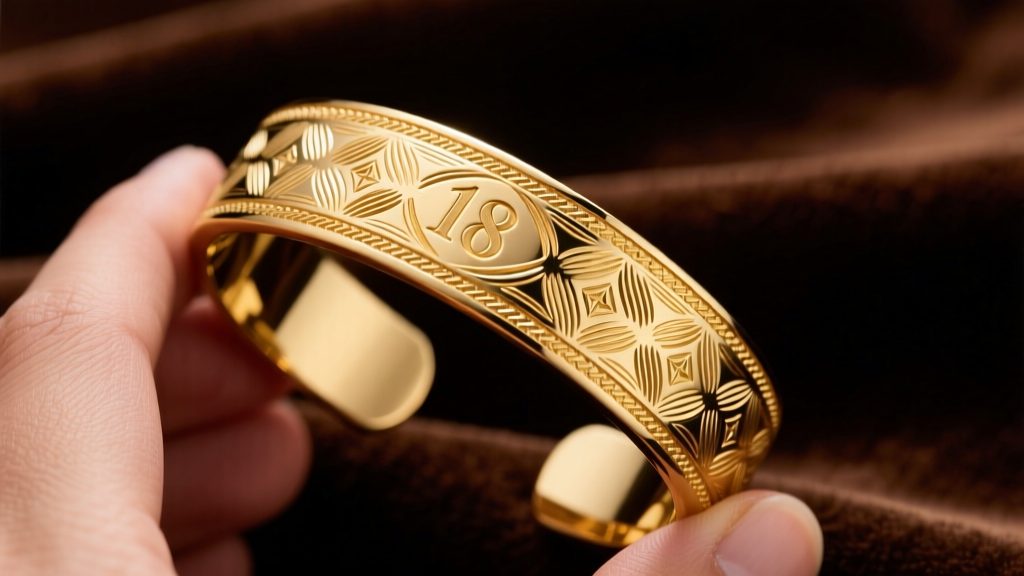
Pioneered and perfected by the house of Buccellati, bulino is a hand-engraving technique that uses a specialized burin to carve thousands of microscopic lines into the surface of the gold. This creates a 'silky' or lace-like texture that diffuses light, making the metal look like fine fabric. Rigato involves parallel lines that mimic the texture of silk. These techniques remove metal rather than displacing it, requiring absolute precision. A single slip of the burin ruins the piece. This immense labor cost is baked into the retail price and is a primary driver of the brand's high secondary-market desirability.
Tubogas and Interlocking Mechanics
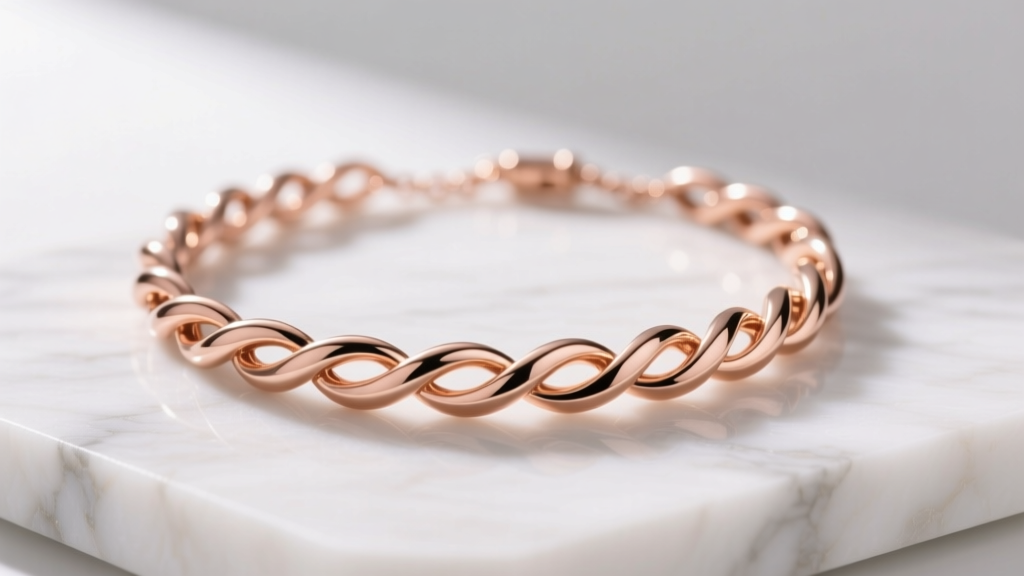
Bulgari’s iconic Tubogas technique involves wrapping interlocking bands of gold around a core without the use of solder. The tension and precise milling of the gold strips hold the structure together. This requires a mastery of gold's tensile strength and annealing processes. In 2026, as consumers look for durable, everyday luxury that withstands mechanical stress, solder-less Italian engineering represents a significant value-add over traditional cast-and-soldered alternatives.
Brand Tier Analysis: Pricing the 'Made in Italy' Premium
Not all Italian luxury jewelry brands occupy the same tier in terms of pricing, craftsmanship, and value retention. Below is a comparative assessment of the top houses, analyzing their entry-level pricing, signature value drivers, and typical secondary market performance.
| Brand | Signature Technique / Line | 2026 Entry Price (Approx.) | Craftsmanship Tier | Resale Value Retention |
|---|---|---|---|---|
| Buccellati | Macri / Bulino Engraving | $3,500 - $5,000 | Artisanal / Heirloom | 50% - 75% |
| Bulgari | Serpenti / Tubogas | $1,800 - $3,200 | Commercial to High Jewelry | 30% - 55% (Commercial) |
| Pomellato | Nudo / Irregular Gem Cuts | $1,500 - $2,800 | Modern / Colored Stone Focus | 25% - 45% |
| Damiani | Master Diamond Setting | $2,200 - $4,500 | Traditional High Jewelry | 35% - 60% |
| Roberto Coin | Hidden Ruby / Mesh Weaving | $1,200 - $2,500 | Accessible Luxury / Precision | 20% - 40% |
Note: Resale value retention refers to the percentage of the original retail price a piece can command on the secondary market (e.g., Chrono24, The RealReal, or private auction) in mint condition with original box and papers. High Jewelry (Haute Joaillerie) unique pieces from these same brands often retain 80% to over 100% of their value.
Material Reality: What You Actually Pay For
To accurately assess the budget and value of Italian luxury jewelry brands, one must audit the raw materials. Italian assay laws are among the strictest in the world, providing a baseline of trust that justifies the luxury markup.
Gold Purity and the '750' Standard
While the US market is saturated with 14k (58.5% pure) gold, true Italian luxury houses almost exclusively utilize 18k gold (75% pure, stamped '750'). The higher copper and silver alloy ratios in 18k gold allow Italian masters to achieve the specific hues required for techniques like bulino. Furthermore, every piece of Italian gold jewelry bears not only the purity mark but also the manufacturer's identification mark (e.g., '1234 AL' for a specific Arezzo workshop). This dual-hallmarking system provides an unbroken chain of custody and authenticity, which is crucial for long-term value preservation and insurance appraisals.
Gemstone Sourcing and Certifications
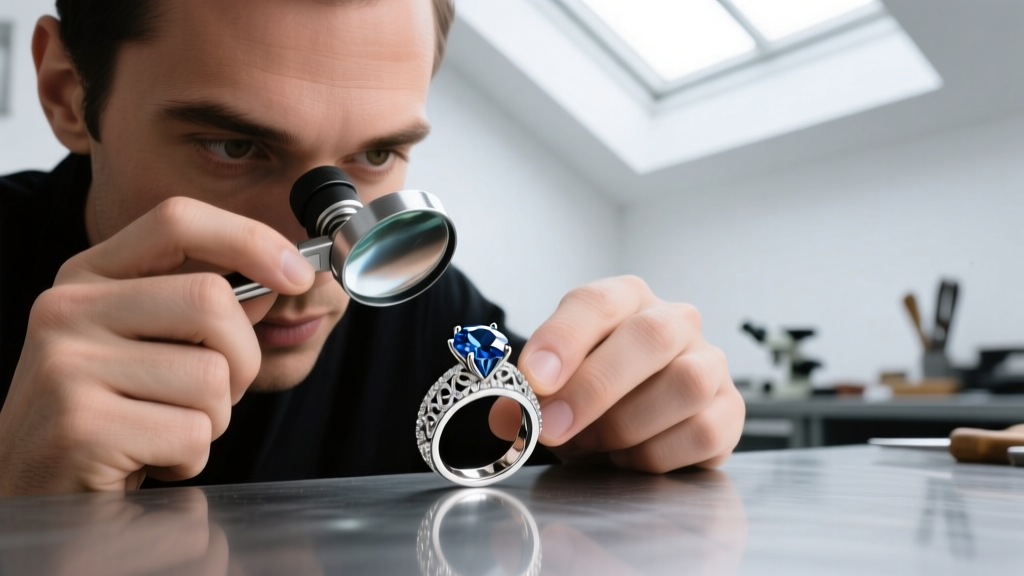
According to the Gemological Institute of America (GIA), the origin and treatment of colored gemstones drastically affect their valuation. Top Italian brands like Pomellato and Bulgari have heavily invested in traceable supply chains for emeralds, rubies, and sapphires. When purchasing high-ticket colored stone pieces from these houses in 2026, you are paying for the guarantee that the stones are untreated or minimally treated, often backed by in-house gemologists and third-party lab reports (such as Gübelin or SSEF). This rigorous sourcing protects the buyer from the catastrophic value drops associated with synthetic or heavily fractured stones.
The 2026 Resale Market: Depreciation vs. Investment
A common misconception is that all luxury jewelry is an 'investment.' In reality, jewelry is a depreciating asset the moment it leaves the boutique, much like a luxury automobile. However, the rate of depreciation varies wildly based on the brand, the collection, and the materials.
Data from Bain & Company's Luxury Market Insights indicates that the secondary market for hard luxury goods has matured significantly. Buyers are now highly educated. Commercial, mass-produced lines (like standard diamond pavé bands or simple logo pendants) suffer the steepest depreciation, often losing 50% to 70% of their retail value immediately. Conversely, pieces that showcase unmistakable Italian craftsmanship—such as a vintage Bulgari Trombino ring, a Buccellati Macri cuff, or articulated high jewelry—suffer far less depreciation. Collectors pay for the labor and the design patent, not just the melt value of the gold.
Verdict: How to Buy Smart and Maximize Value
If you are allocating a budget toward Italian luxury jewelry brands, adopt the following decision framework to ensure you are paying for genuine craftsmanship rather than mere brand awareness:
- Prioritize Proprietary Techniques: Avoid paying a 300% markup for a simple cast gold band with a logo. Direct your budget toward pieces featuring Tubogas, Bulino, granulation, or complex mesh weaving. These techniques are difficult to counterfeit and hold their value better.
- Demand the Dual Hallmark: Always inspect the clasp or inner band for both the '750' purity mark and the Italian manufacturer's polygonal maker's mark. This is your legal guarantee of origin.
- Target the 'Sweet Spot' Collections: Mid-tier collections (like Pomellato's Nudo or Damiani's Belle Époque) offer a better ratio of gemstone carat weight to retail price compared to the entry-level diamond-pavé lines of larger conglomerate brands.
- Retain the Provenance: In the 2026 resale market, the original certificate of authenticity, the stamped box, and the purchase receipt can increase the secondary market value of an Italian piece by up to 20%. Treat the paperwork as part of the asset.
Ultimately, Italian luxury jewelry brands justify their premium pricing only when you purchase pieces that reflect the zenith of their regional craftsmanship. By focusing on structural engineering, hand-finishing, and verifiable provenance, you transform a simple luxury purchase into a lasting acquisition of wearable art.