Expert Jewelry Care Tips Inspired By Nick's Fine Jewelry NYC
Discover expert fine jewelry care and cleaning protocols inspired by the master jewelers at Nick's Fine Jewelry NYC. Protect your heirlooms today.

The Benchmark: Why Master Jewelers Set the Standard
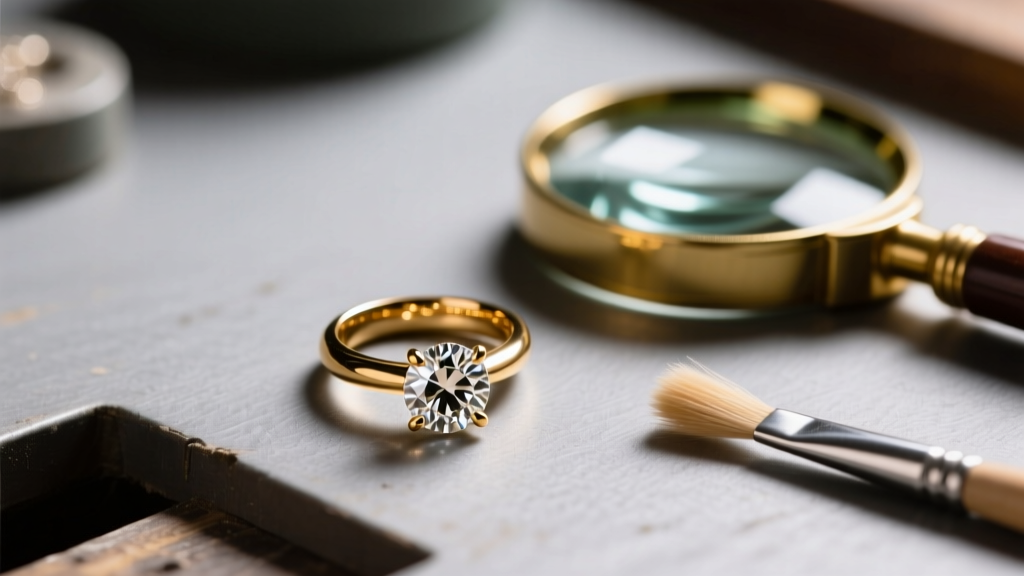
When it comes to preserving the structural integrity and optical brilliance of heirloom pieces, the protocols used by elite ateliers are vastly different from generic internet hacks. Established experts, such as the master craftsmen at Nick's Fine Jewelry NYC, understand that fine jewelry maintenance is not merely about surface shine; it is about managing metal fatigue, preserving delicate gemstone treatments, and preventing microscopic abrasion. In a bustling urban environment like New York City, jewelry is subjected to unique environmental stressors—from subway humidity to cosmetic aerosols—that demand a rigorous, scientifically grounded approach to care.
This comprehensive guide translates professional-grade maintenance techniques into actionable, at-home protocols, ensuring your fine jewelry retains its value and structural soundness between professional bench visits.
The Science of Surface Tension and Urban Grime
Before applying any cleaning solution, it is crucial to understand what actually dulls fine jewelry. The primary culprit is not dirt, but a combination of sebum (skin oils), cosmetic lotions, and urban particulate matter. These substances create a hydrophobic film over gemstone pavilions (the bottom facets), drastically reducing the stone's refractive index and causing it to appear lifeless. Furthermore, the accumulation of dead skin cells and soap scum beneath the gallery wire of a ring creates a damp microenvironment that can accelerate the corrosion of lower-karat gold alloys and irritate the skin.
According to the Jewelers of America, regular removal of this lipid barrier is essential not just for aesthetics, but for hygiene and the longevity of the metal setting.
Material-Specific At-Home Cleaning Protocols
A common mistake in jewelry care is treating all pieces with a single, universal method. The Mohs hardness scale and the specific metallurgical properties of your piece dictate the exact cleaning protocol required.
Diamonds, Sapphires, and Platinum: The Ultrasonic Debate
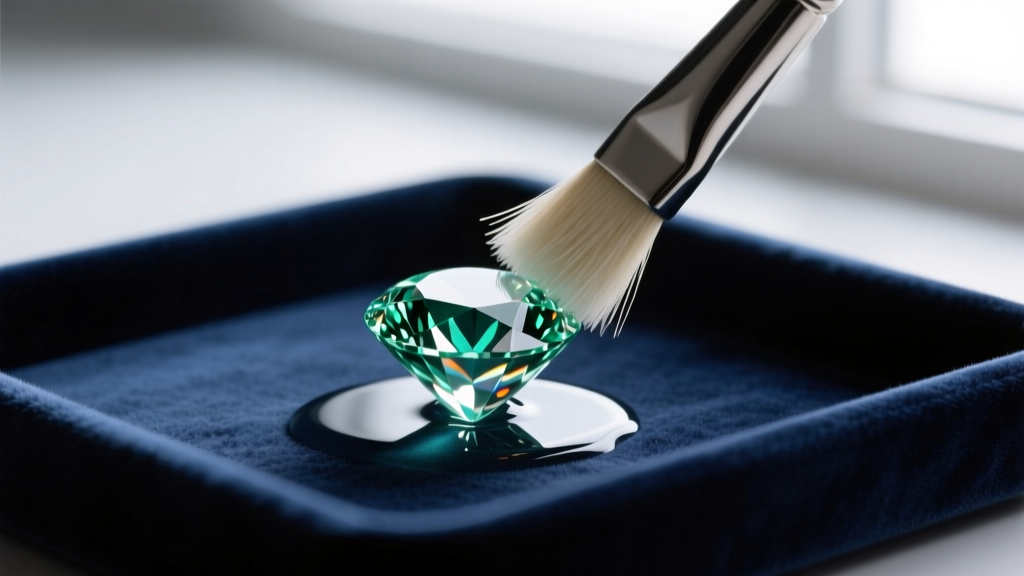
For high-hardness stones (Mohs 9-10) set in dense metals like platinum or 18k gold, ultrasonic cleaners are highly effective. These machines operate at frequencies typically between 40 and 45 kHz, creating microscopic cavitation bubbles that implode against the jewelry, dislodging grime from beneath the prongs. However, you must use a specialized, non-ammonia surfactant solution. Household dish soaps often contain heavy moisturizers and degreasers that can leave a secondary film on the diamond's surface. For at-home care, a soft horsehair brush dipped in a warm water and mild, lotion-free dish soap solution remains the gold standard for manual agitation.
Porous and Fracture-Filled Gemstones: The Danger Zone
Emeralds, opals, and pearls require extreme caution. Nearly all commercial emeralds are fracture-filled with cedar oil or synthetic resins (like Opticon) to improve clarity. The high-frequency vibrations and localized heat generated by an ultrasonic cleaner will literally boil this oil out of the stone, leaving stark, white internal fractures and drastically reducing the gem's value. Similarly, opals contain between 3% and 21% water within their silica structure. Heat and ultrasonic waves can cause "crazing," a network of micro-cracks that destroys the stone's play-of-color. These stones must only be wiped gently with a damp, untreated microfiber cloth.
Pearls and Organic Gems: Protein Preservation
Pearls are composed of nacre and conchiolin, an organic protein that is highly susceptible to acidic degradation. The Gemological Institute of America (GIA) strongly advises against submerging pearl strands in water, as this weakens the silk thread and causes it to stretch, leading to gaps between the pearls. Always apply perfumes and hairsprays before putting on pearls, and wipe them with a soft cloth after every wear to remove acidic sweat.
Environmental Hazards in Urban Settings
Living in a metropolis introduces specific hazards to fine jewelry. The high humidity in subway systems, combined with airborne sulfur compounds and cosmetic aerosols, creates a perfect storm for tarnishing sterling silver and lower-karat gold alloys (like 10k and 14k, which contain higher percentages of copper and zinc).
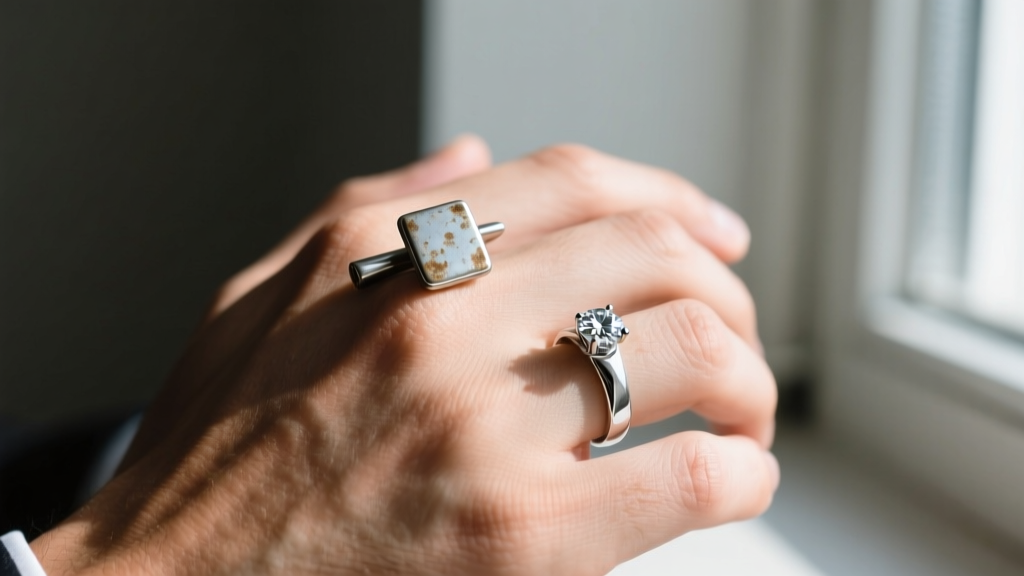
To combat this, store your pieces in anti-tarnish bags infused with silver nitrate or activated charcoal, which absorb ambient sulfur gases. Never store jewelry in the bathroom, where daily temperature fluctuations and high humidity from showers accelerate the oxidation process of reactive alloys.
The Professional Maintenance Schedule
While at-home cleaning handles surface grime, it cannot address structural wear. High-end studios like Nick's Fine Jewelry NYC recommend a strict schedule for professional bench inspections. Below is a framework for maintaining the structural integrity of your most worn pieces.
| Maintenance Task | Frequency | Technical Details & Tolerances |
|---|---|---|
| Prong Inspection & Retipping | Every 6 Months | Prongs worn down by just 0.2mm lose up to 40% of their tensile grip. Master jewelers use a 10x triplet loupe to check for microscopic burrs and metal fatigue. |
| Rhodium Replating (White Gold) | 12 - 18 Months | White gold is alloyed with palladium/nickel and plated with rhodium (0.05 to 0.10 microns thick). Highly acidic skin pH (4.5-5.0) can wear this plating down faster. |
| Ultrasonic Deep Clean & Steam | Annually | Professional steam cleaners operate at high pressure, blasting out compacted lotions from pavé settings that at-home brushes cannot reach without risking stone displacement. |
| Shank Thinning Measurement | Every 2 Years | The bottom of the ring band thins over time due to friction. If the shank drops below 1.2mm in thickness, it requires a "shank-up" or half-shank replacement to prevent snapping. |
When to Trust a Master Jeweler Over DIY
There is a distinct line between maintenance and repair. Polishing, for instance, is an abrasive process that removes a microscopic layer of metal to eliminate scratches. Over-polishing a piece at home with commercial dips or abrasive cloths will eventually round off the crisp edges of a design, degrade milgrain detailing, and thin out the prongs. A master jeweler uses specialized polishing compounds (like rouge for gold and platinum-specific abrasives) on variable-speed buffing wheels to restore the luster without compromising the architectural integrity of the piece.
Furthermore, if a ring feels loose or catches on fabrics, the setting may be bent. Attempting to bend a platinum or titanium band back into shape without a professional mandrel and rawhide mallet will work-harden the metal, making it brittle and prone to catastrophic shattering. By adopting the meticulous, preventative care standards championed by top-tier establishments like Nick's Fine Jewelry NYC, you ensure that your fine jewelry remains structurally sound and optically brilliant for generations to come.


