Jason Guven Fine Jewelry: The Ultimate Buying Guide
Explore our buying guide for Jason Guven fine jewelry. Learn what to look for in bespoke craftsmanship, diamond grading, and luxury pricing tiers.

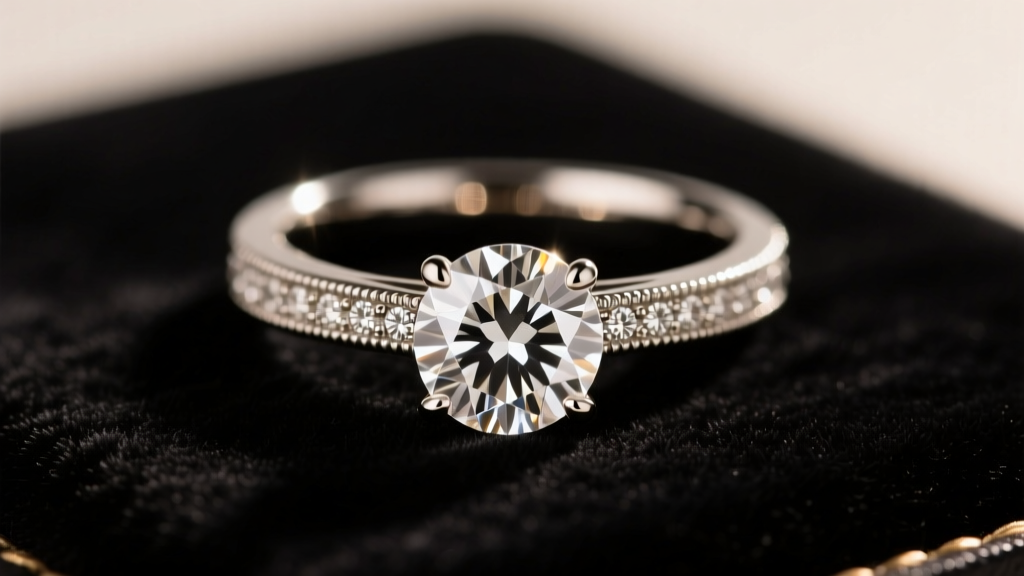
The Shift to Bespoke: Why Jason Guven Fine Jewelry Sets the Standard
The landscape of luxury accessories has shifted dramatically as we move through 2026. Consumers are increasingly abandoning mass-produced, commercial fine jewelry in favor of hyper-personalized, artisan-crafted pieces. When evaluating the upper echelon of the market, Jason Guven fine jewelry serves as a prime benchmark for what collectors and discerning buyers should expect from a bespoke house. Unlike mall-brand jewelers that rely on cast-from-mold inventory, true designer fine jewelry prioritizes structural integrity, premium alloy mixes, and optical precision in gemstones. This buying guide will dissect the exact material grades, craftsmanship markers, and pricing architectures you need to scrutinize when investing in high-end custom jewelry.
Metallurgy and Alloy Selection: Beyond the Basic Stamp
The foundation of any heirloom-quality piece lies in its metallurgy. While commercial brands often cut corners with porous casting alloys or thin rhodium plating, a premier bespoke jeweler approaches metal selection with an engineering mindset. According to the Federal Trade Commission (FTC) Jewelry Guides, metal stamping must accurately reflect the purity of the alloy, but the FTC does not regulate the secondary metals used in the mix. This is where the true quality gap emerges.
Platinum 950: Ruthenium vs. Iridium
In the designer tier, you will almost exclusively encounter Platinum 950. However, the remaining 5% of the alloy dictates the ring's long-term durability. Jason Guven fine jewelry typically utilizes a ruthenium alloy for cast pieces. Ruthenium increases the hardness of the platinum, resulting in a denser cast with fewer microscopic pores and a superior polish retention. Iridium, while easier to work with for hand-forged die-striking, can result in a slightly softer final product that is more prone to micro-scratching over decades of daily wear.
18k Gold and the Palladium Advantage
For gold enthusiasts, 18k (75% pure gold) is the standard for luxury. The critical differentiator in 2026 is the white gold alloy. Mass-market brands use nickel-based white gold, which requires annual rhodium plating to mask its yellowish undertone and can cause contact dermatitis. High-end bespoke houses formulate their white gold with palladium. This palladium-alloyed 18k white gold is naturally stark white, entirely nickel-free, and will never require rhodium replating, maintaining its structural color integrity indefinitely.
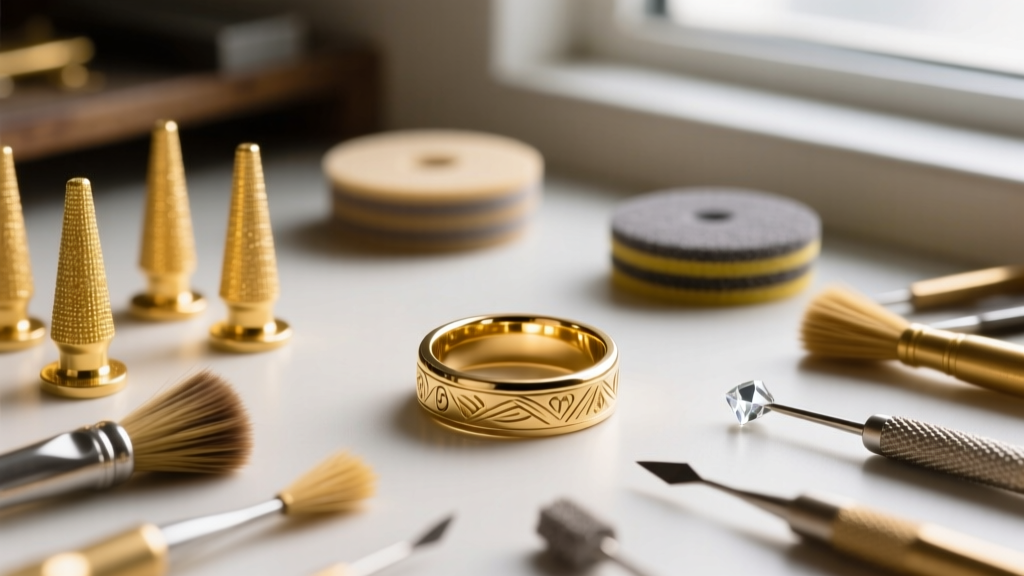
Gemstone Sourcing: The 4Cs and Optical Symmetry
When investing in designer jewelry, relying solely on the basic 4Cs (Cut, Color, Clarity, Carat) is insufficient. The Gemological Institute of America (GIA) provides the baseline grading report, but elite jewelers curate stones based on optical symmetry and light performance that transcend the paper certificate.
The Ideal Cut Parameters
A GIA Triple Excellent grade is a great starting point, but it encompasses a wide range of proportions. A master jeweler will hand-select diamonds that fall within the strict super-ideal parameters: a table percentage between 54% and 57%, a total depth between 61% and 62.5%, a crown angle of 34 to 35 degrees, and a pavilion angle of 40.6 to 41 degrees. Furthermore, they will actively avoid stones with strong blue fluorescence in color grades D through G, as it can cause a milky or hazy appearance in direct sunlight.
| Feature | Mass-Market Fine Jewelry | Jason Guven Bespoke Tier |
|---|---|---|
| Diamond Cut Grade | GIA Very Good to Excellent | Super-Ideal / Hearts & Arrows Optical Symmetry |
| Fluorescence Tolerance | Any (often unverified) | Strictly None to Faint (colorless grades) |
| Side Stone Matching | Visual estimation | Calibrated to 0.05mm tolerance for color/clarity |
| Grading Reports | In-house or secondary labs | GIA or AGS Platinum Reports only |
Structural Integrity: Inspecting the Setting Architecture
The most common failure mode in fine jewelry is not the metal wearing away, but the setting architecture failing under lateral stress. When evaluating a custom piece, you must look beneath the stone and examine the structural scaffolding.
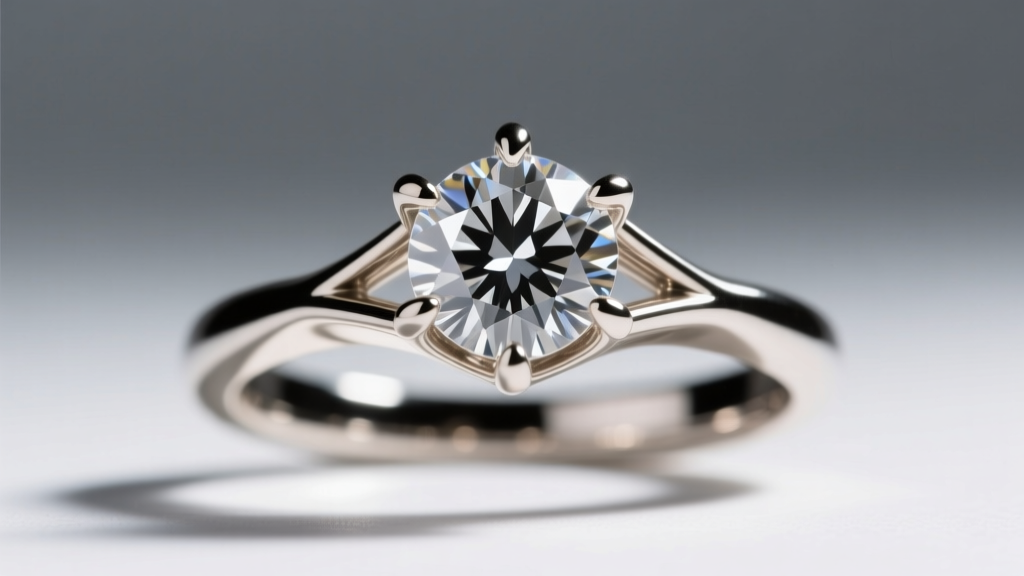
Prong Geometry and Contact Points
In a high-end prong setting, the prong should not merely rest on the diamond; it must wrap around the crown. Look for a contact point that covers at least 50% of the distance from the girdle to the table. The tips should be perfectly rounded and polished to prevent snagging on textiles. Furthermore, the prong thickness at the base should be no less than 0.8mm to withstand decades of torque.
Gallery Wire and Under-Bead Support
The gallery wire is the horizontal metal ring that connects the prongs beneath the diamond. In commercial jewelry, this wire is often paper-thin (0.6mm) to save on metal weight. In bespoke fine jewelry, the gallery wire should be a minimum of 1.2mm thick. This prevents the ring's basket from crushing inward if the wearer accidentally grips a heavy object or drops something on their hand. Additionally, the interior of the gallery and the underside of the prongs should be mirror-polished; a rough interior traps oils and dead skin, accelerating tarnish and dulling the diamond's light return from below.
Pricing Architecture: Understanding the Bespoke Premium
Buyers often experience sticker shock when transitioning from commercial retail to bespoke fine jewelry. It is vital to understand that you are not simply paying for a brand name; you are funding a localized, multi-step manufacturing process. A typical custom engagement ring from a top-tier designer involves:
- Design and CAD Engineering: 3D modeling with structural stress-test simulations.
- Lost-Wax Casting or Hand-Forging: Creating a singular mold that is destroyed after use, ensuring your piece is truly one-of-a-kind.
- Stone Sourcing: The jeweler's time and global network access to pull top 1% diamonds from the wholesale market on memo.
- Master Setting Labor: A master setter using a microscope to seat the stone, ensuring zero pressure points on the girdle that could cause cleavage.
While a mass-market 1.5-carat ring might retail for $9,000, a bespoke equivalent from a house like Jason Guven may range from $14,000 to $18,000. The premium covers the palladium alloy, the super-ideal diamond curation, the 1.2mm gallery wire, and the lifetime structural warranty that commercial brands simply cannot offer.
Final Verdict: Is the Designer Tier Right for You?
If your goal is to acquire a piece of jewelry that functions as a wearable heirloom, the investment in Jason Guven fine jewelry or a comparable bespoke house is entirely justified. The meticulous attention to alloy purity, optical diamond performance, and structural scaffolding ensures the piece will not only survive generations of daily wear but will retain its aesthetic brilliance without requiring constant, expensive maintenance. When shopping, demand to see the GIA report, ask the jeweler about their specific platinum alloy mix, and inspect the gallery wire thickness with a loupe. True luxury lies in the details that are hidden from plain sight.


