Expert Care and Cleaning for Sustainable Fine Jewelry
Learn expert cleaning and maintenance tips for sustainable fine jewelry. Protect recycled gold, lab-grown diamonds, and ethical gems with our care guide.

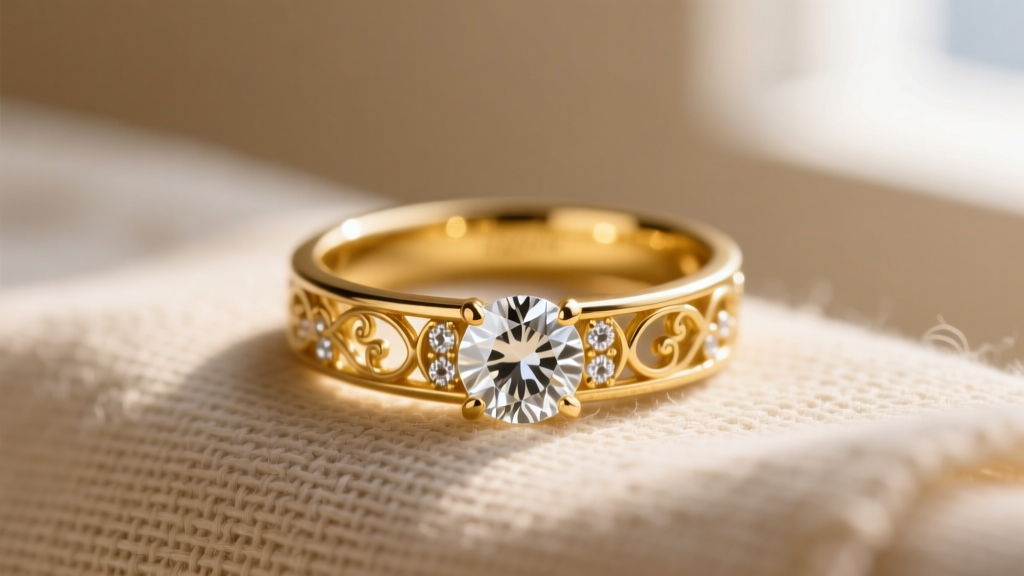
The shift toward eco-conscious luxury has redefined how we buy, wear, and value our accessories. However, owning sustainable fine jewelry requires more than just a mindful purchase; it demands a specialized approach to care and maintenance. Whether your collection features recycled 18k gold, lab-grown Type IIa diamonds, or traceable, ethically mined colored gemstones, the physical properties of these materials dictate their longevity. In 2026, as sustainability certifications become more rigorous, preserving the integrity of your eco-friendly pieces ensures they remain heirlooms rather than landfill contributions.
The Unique Anatomy of Sustainable Materials
To properly clean sustainable fine jewelry, you must first understand its metallurgical and gemological composition. Recycled precious metals—such as reclaimed 14k and 18k gold or recycled sterling silver (925)—possess the exact same atomic structure and alloy ratios as newly mined metals. According to the Federal Trade Commission Jewelry Guides, recycled gold must meet the same karat purity standards as mined gold. However, vintage-upcycled components or pieces crafted from reclaimed electronic waste gold may have microscopic variations in soldering points that require gentler handling during deep cleaning.
Similarly, lab-grown diamonds are optically, chemically, and physically identical to earth-mined diamonds. Most high-quality lab-grown stones are Type IIa, meaning they lack nitrogen impurities, resulting in exceptional clarity. While they score a perfect 10 on the Mohs hardness scale, their settings—often crafted from recycled alloys—remain the primary vulnerability during aggressive cleaning routines.
Daily Maintenance: Preventing Tarnish and Micro-Abrasions
The most effective cleaning strategy is preventative maintenance. Sustainable fine jewelry is frequently exposed to environmental stressors that accelerate tarnishing and degrade metal finishes.
- The Lotion and Cosmetics Barrier: Apply lotions, perfumes, and hairsprays at least five minutes before putting on your jewelry. The chemical compounds in cosmetics can create a stubborn, cloudy film over lab-grown diamonds and ethically sourced sapphires, reducing their light return and brilliance.
- Friction and Micro-Scratches: Store pieces individually in soft, untreated organic cotton pouches. Recycled sterling silver is highly susceptible to scratching because silver is a relatively soft metal (2.5 on the Mohs scale). Tossing multiple pieces into a single hard-lined jewelry box will result in micro-abrasions that dull the polish over time.
- Nightly Wipe-Downs: Use a clean, lint-free microfiber cloth to gently wipe down your rings and bracelets before bed. This removes the day’s accumulation of sebum (skin oils) and environmental dust, which are the primary catalysts for tarnish in recycled copper-alloyed metals.
Deep Cleaning Protocols by Material
When daily maintenance is no longer sufficient to restore brilliance, a deep clean is required. The method you choose must be tailored to the specific materials in your sustainable fine jewelry.
Lab-Grown Diamonds and Moissanite
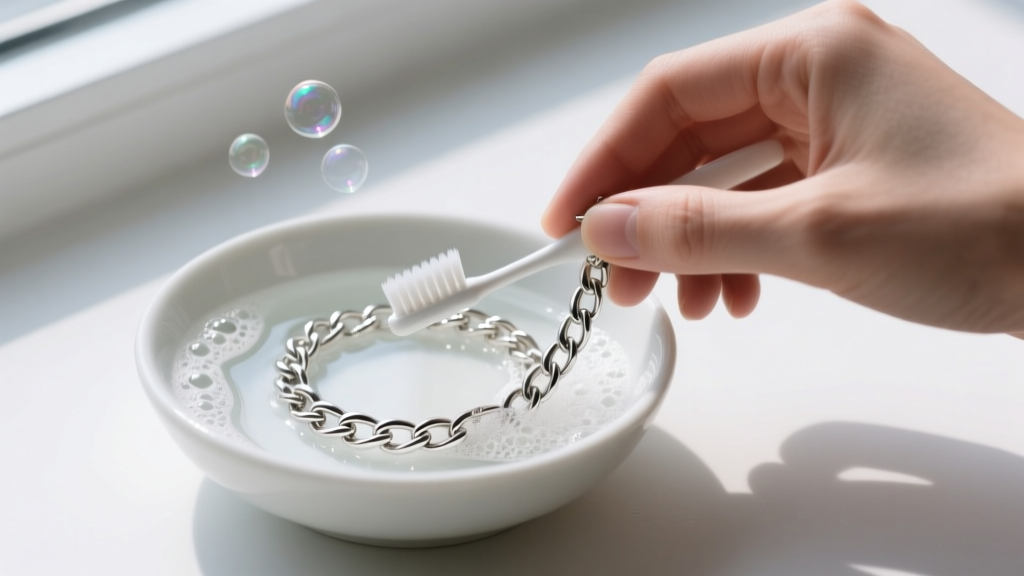
Because lab-grown diamonds and moissanite are highly durable and non-porous, they can withstand more rigorous cleaning methods. The Gemological Institute of America (GIA) recommends a simple solution of warm water and a few drops of mild, ammonia-free dish soap. Soak the piece for 15 to 20 minutes to loosen grease buildup. Use a soft-bristled baby toothbrush to gently scrub the pavilion (the underside of the stone), where oils accumulate and block light reflection. Rinse thoroughly under lukewarm running water and pat dry with a lint-free cloth.
Ethically Sourced Colored Gemstones
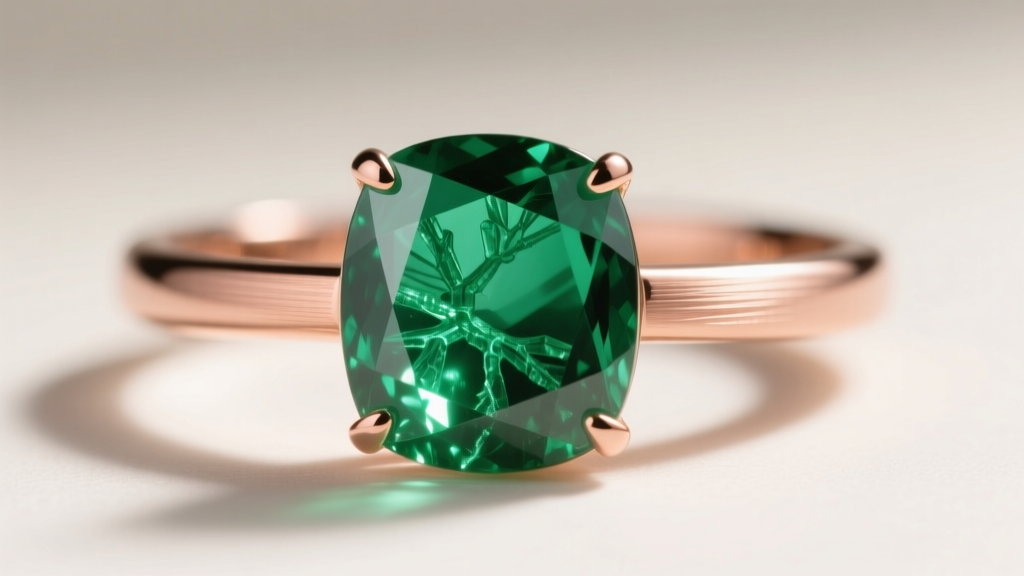
This category requires extreme caution. Many ethically sourced emeralds, particularly those from traceable Zambian or Colombian mines, undergo traditional cedar-oil treatments to minimize the appearance of natural surface-reaching fractures. Never place an oil-treated emerald in an ultrasonic cleaner. The high-frequency vibrations and heat will emulsify and boil out the oil, leaving the stone looking cloudy and heavily fractured. Instead, clean ethical emeralds, opals, and turquoise exclusively with a damp, soft cloth and lukewarm water. Avoid all chemical detergents.
Recycled Precious Metals
For recycled 14k and 18k gold, a mild soap bath is usually sufficient. However, if your recycled sterling silver has developed heavy sulfide tarnish (a dark black or purple hue), avoid commercial liquid silver dips. These dips often contain thiourea and sulfuric acid, which strip away the patina, degrade the metal surface over time, and are highly toxic to aquatic ecosystems—defeating the purpose of buying sustainable jewelry. Instead, use a high-quality, treated polishing cloth (such as a Sunshine cloth) to mechanically remove the tarnish layer without harsh chemicals.
Cleaning Agent Compatibility Chart
Use the following reference table to ensure you are matching the correct cleaning method to your specific sustainable fine jewelry materials.
| Material | Mild Soap & Water | Ultrasonic Cleaner | Steam Cleaner | Commercial Dips |
|---|---|---|---|---|
| Recycled 14k/18k Gold | ✔ Safe | ✔ Safe | ✔ Safe | ✘ Avoid |
| Recycled Sterling Silver | ✔ Safe | ✔ Safe (if no stones) | ✘ Avoid | ✘ Avoid |
| Lab-Grown Diamonds | ✔ Safe | ✔ Safe | ✔ Safe | ✘ Avoid |
| Ethical Emeralds (Oiled) | ✘ Damp Cloth Only | ✘ NEVER | ✘ NEVER | ✘ NEVER |
| Traceable Sapphires | ✔ Safe | ✔ Safe (usually) | ✔ Safe | ✘ Avoid |
What to Avoid: The Enemies of Eco-Friendly Pieces
Even the most responsibly sourced materials are vulnerable to specific chemical and physical threats. Understanding these failure modes is critical for preserving your investment.
Chlorine and Stress Corrosion Cracking
Recycled 14k gold contains 58.5% pure gold, with the remainder consisting of alloying metals like copper, silver, and zinc to provide structural integrity. When exposed to chlorine—whether in a swimming pool or household bleach—the copper in the alloy reacts violently. This causes a metallurgical failure known as stress corrosion cracking. The metal becomes brittle and can literally snap at the prongs or solder joints. Always remove your sustainable gold jewelry before swimming or cleaning with harsh chemicals.
Thermal Shock in Ethical Gemstones
Moving jewelry rapidly from extreme cold to extreme heat (or vice versa) can cause thermal shock. While diamonds are highly resistant to this, ethical colored gemstones like tanzanite, opal, and even some heavily included sapphires can fracture internally if exposed to sudden temperature changes. Never use boiling water to clean your gemstone jewelry, and avoid wearing delicate pieces in saunas or hot tubs.
Professional Servicing and Eco-Warranties
Expert Insight: Many sustainable fine jewelry brands offer lifetime eco-warranties that cover prong tightening, rhodium replating for recycled white gold, and stone replacement. However, these warranties are almost universally voided if the piece shows evidence of chemical damage from improper at-home cleaning, such as acid etching from silver dips or ultrasonic fracture damage in treated gemstones.
To maintain your warranty and ensure the structural integrity of your pieces, schedule a professional inspection with a certified gemologist or the original artisan every 12 to 18 months. A professional will use specialized, eco-friendly ultrasonic solutions and properly check the microscopic wear on the prongs holding your lab-grown or ethical stones in place. By combining mindful daily habits with expert-level deep cleaning protocols, you ensure that your sustainable fine jewelry remains as brilliant and impactful as the day it was ethically crafted.


