Lucido Fine Jewelry Rochester: The Ultimate Buying Guide
Discover our expert buying guide for Lucido Fine Jewelry in Rochester. Learn what to look for in designer collections, custom designs, and diamond grading.

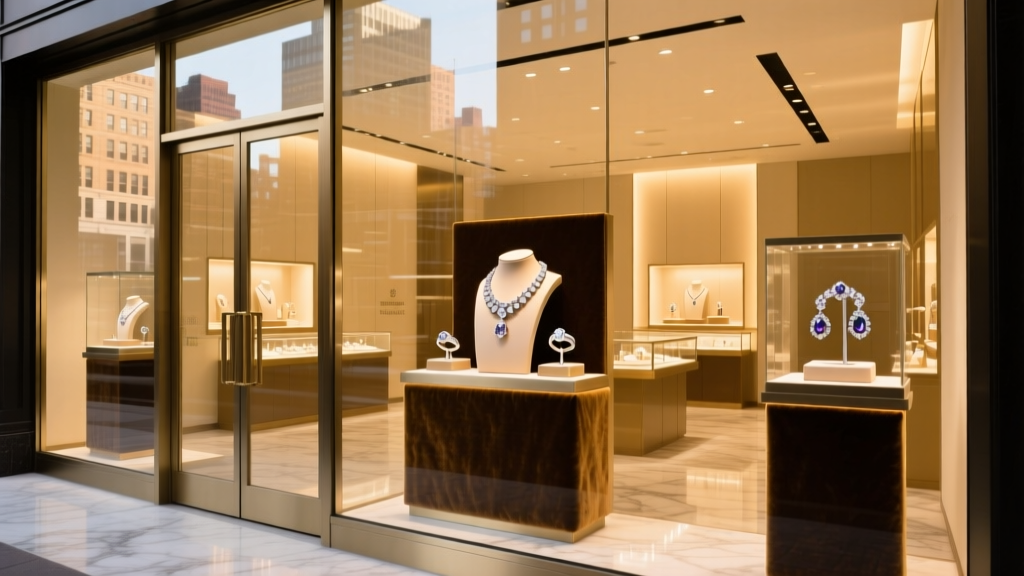
When navigating the landscape of fashion, demi-fine, and true fine jewelry, the retail environment you choose is just as critical as the pieces you select. For residents of Western New York, Lucido Fine Jewelry Rochester represents a premier destination for high-end, curated collections and bespoke custom design. However, walking into a luxury boutique requires a discerning eye. Understanding the metallurgy, gemological grading, and designer signatures that separate heirloom-quality fine jewelry from mass-produced alternatives is essential for making an informed investment.
This comprehensive buying guide will walk you through exactly what to look for when shopping for luxury jewelry in Rochester, from evaluating designer hallmarks to scrutinizing custom CAD designs and diamond proportions.
The Boutique Advantage: Tactile Evaluation Over Digital Guesswork
The rise of e-commerce has conditioned buyers to rely on 2D renderings and heavily edited photography. Yet, true fine jewelry demands tactile evaluation. When you visit a high-end establishment like Lucido, you gain the ability to assess the micro-details that define luxury craftsmanship. Online retailers often obscure poor prong construction, uneven gallery wiring, or the dull, chalky luster of low-grade pearls. In-person evaluation allows you to test the tension of a clasp, feel the weight distribution of a statement necklace, and inspect the polish quality inside the shank of a ring—areas where mass-market demi-fine brands routinely cut corners to reduce manufacturing costs.
Decoding Designer Signatures: What to Look For
Luxury boutiques curate specific designer lines that maintain strict quality control and unique artistic signatures. When browsing collections, look for these specific markers of authenticity and superior craftsmanship:
The Roberto Coin Hidden Ruby
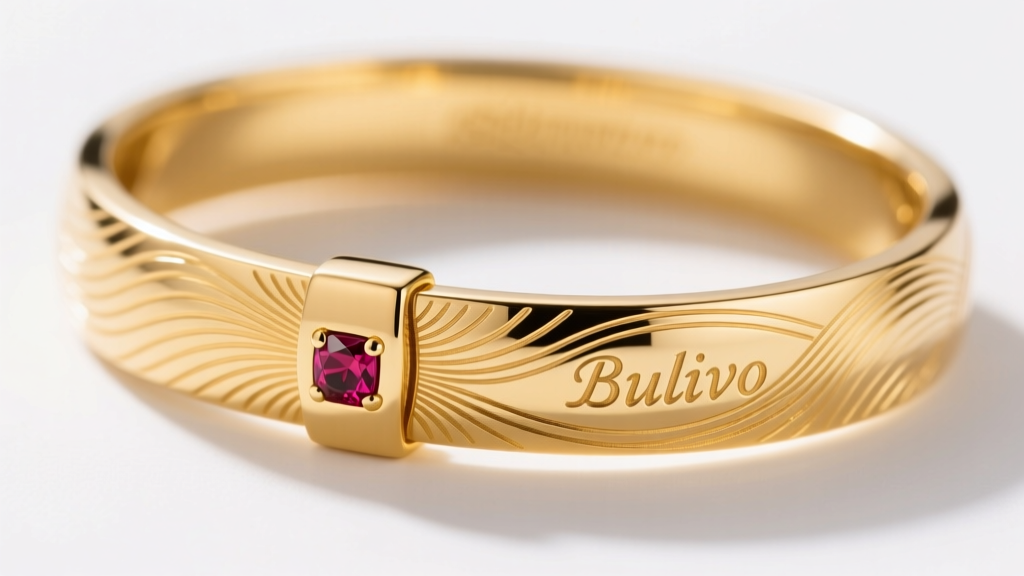
Every genuine Roberto Coin piece features a small, synthetic ruby set on the interior of the shank or near the clasp. While this is a brand signature rooted in ancient lore (believing rubies touching the skin bring prosperity), from a structural perspective, it requires precise micro-setting that fast-fashion jewelers cannot replicate. Ensure the ruby is flush-set and does not irritate the skin.
Marco Bicego and the Bulino Technique
If you are evaluating gold jewelry, pay attention to surface finishing. Marco Bicego is renowned for the Bulino technique, an ancient hand-engraving method that gives 18k yellow gold a soft, textured, matte finish. Unlike chemical etching or sandblasting used in lower-tier fashion jewelry, hand-engraved Bulino texturing catches the light dynamically and hides micro-scratches acquired through daily wear.
The Custom Design Process: Metallurgy and Failure Modes
One of the core pillars of the Lucido Fine Jewelry Rochester experience is their custom design bench. When commissioning a bespoke piece, the choice of metal dictates the longevity and failure modes of the jewelry. Many consumers default to 14k white gold without understanding the long-term maintenance required.
| Metal Alloy | Purity & Composition | Long-Term Maintenance | Best Use Case |
|---|---|---|---|
| Platinum (Pt950) | 95% Platinum, 5% Ruthenium/Iridium | Develops a patina; does not lose metal mass when scratched. No plating required. | Intricate pavé settings, heirloom engagement rings, securing high-value diamonds. |
| 18k White Gold | 75% Gold, 25% Palladium/Nickel | Requires rhodium plating every 12-18 months to maintain stark white color. | High-end fashion rings, designer wedding bands where a warmer white hue is acceptable. |
| 14k White Gold | 58.3% Gold, 41.7% Alloy Metals | Highly prone to yellowing as rhodium wears off. Brittle over time. | Budget-conscious fine jewelry, simple solitaire settings without micro-pavé. |
Expert Tip: If your custom design features micro-pavé diamonds (stones under 0.02 carats), always insist on Platinum. White gold prongs can become brittle and snap under pressure, leading to catastrophic stone loss. Platinum prongs are malleable and can be re-tightened securely by a master jeweler without snapping.
Diamond Grading: Beyond the Basic 4Cs
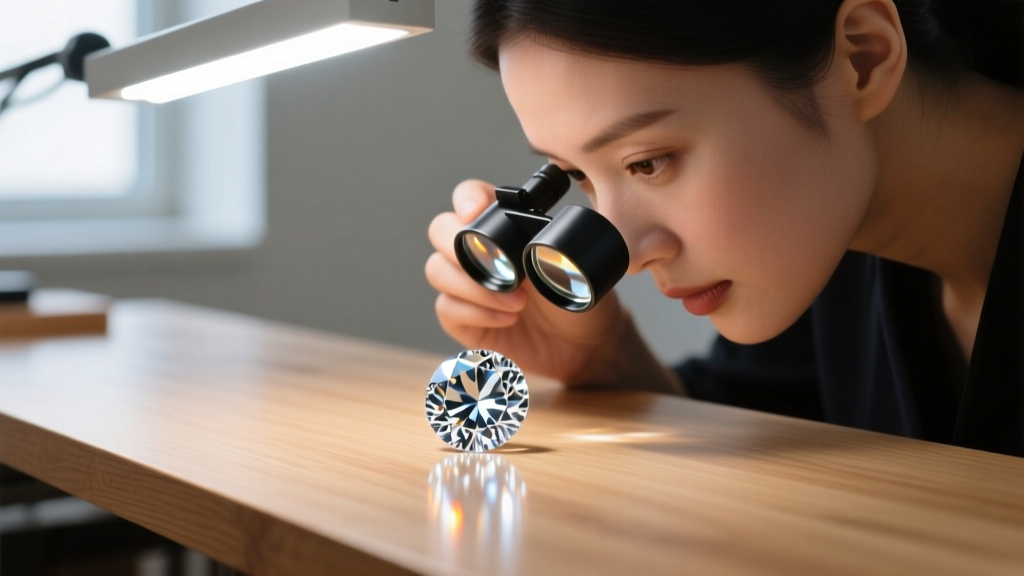
When selecting a center stone at a premier Rochester jeweler, relying solely on the basic 4Cs (Cut, Color, Clarity, Carat) is a novice mistake. True connoisseurs evaluate proportions, fluorescence, and certification rigor. Always demand a grading report from the Gemological Institute of America (GIA) for natural diamonds, as their grading standards remain the most stringent in the global market.
Critical Proportions for Round Brilliants
Even a GIA "Triple Excellent" diamond can suffer from light leakage if the proportions are not perfectly optimized. When reviewing a diamond's dossier, look for these specific parameters to ensure maximum scintillation:
- Table Percentage: 54% to 57% (Avoid tables over 60%, which create a "fish-eye" effect).
- Depth Percentage: 59% to 62.5%.
- Crown Angle: 34 to 35 degrees.
- Pavilion Angle: 40.6 to 41.0 degrees.
The Fluorescence Factor
Medium to Strong Blue fluorescence is often demonized by inexperienced sales staff. However, in diamonds graded H, I, or J color, blue fluorescence can actually mask the faint yellow body color, making the stone face up whiter in UV-rich environments (like natural sunlight). Always view the stone in both LED and natural daylight before making a final decision.
Fine Jewelry vs. Demi-Fine: Evaluating Cost-Per-Wear
The Rochester market is flooded with "demi-fine" brands offering gold vermeil and thin-plated brass. While these pieces serve a temporary fashion purpose, they fail the longevity test. Vermeil (a 2.5-micron layer of gold over sterling silver) will inevitably wear through at high-friction points like ring shanks and bracelet clasps, exposing the silver beneath, which then oxidizes and tarnishes.
"True fine jewelry is defined by its homogeneous metal composition and the absence of plating. A solid 18k gold piece can be polished indefinitely, losing only microscopic amounts of metal over decades, whereas plated fashion jewelry has a hard expiration date." — Jewelers of America Guidelines on Metal Quality.
When investing at a boutique like Lucido, you are paying for the intrinsic value of the precious metals and the structural integrity of the casting. A solid 18k gold herringbone chain will last generations; a gold-plated brass equivalent will snap and tarnish within a single season.
Your Final Pre-Purchase Checklist
Before finalizing your purchase at Lucido Fine Jewelry Rochester or any high-end regional jeweler, run through this expert checklist to ensure you are acquiring a piece of true heirloom quality:
- Hallmark Verification: Use a 10x loupe to verify the metal stamp (e.g., 750 for 18k, Pt950 for Platinum) and the maker's mark.
- Prong Inspection: Ensure prongs are smoothly rounded, not flat or catching on fabrics. They should cover at least 15% of the diamond's crown.
- Clasp Mechanics: Test lobster clasps and fold-over safeties. They should snap shut with a distinct, spring-loaded click, not a soft, mushy closure.
- Report Matching: Cross-reference the laser-inscribed GIA report number on the diamond's girdle with the physical paperwork provided.
- Post-Sale Service: Confirm the boutique's policy on complimentary ultrasonic cleanings, prong tightening, and rhodium re-plating for white gold pieces.
By applying these rigorous standards, you elevate your jewelry purchase from a simple transaction to a curated investment in enduring artistry and metallurgical excellence.


