2026 Gift Guide: Finding the Most Valuable Costume Jewelry
Discover the most valuable costume jewelry for gifting in 2026. Explore rare Chanel, Trifari, and Bakelite pieces with our expert occasion-matching guide.

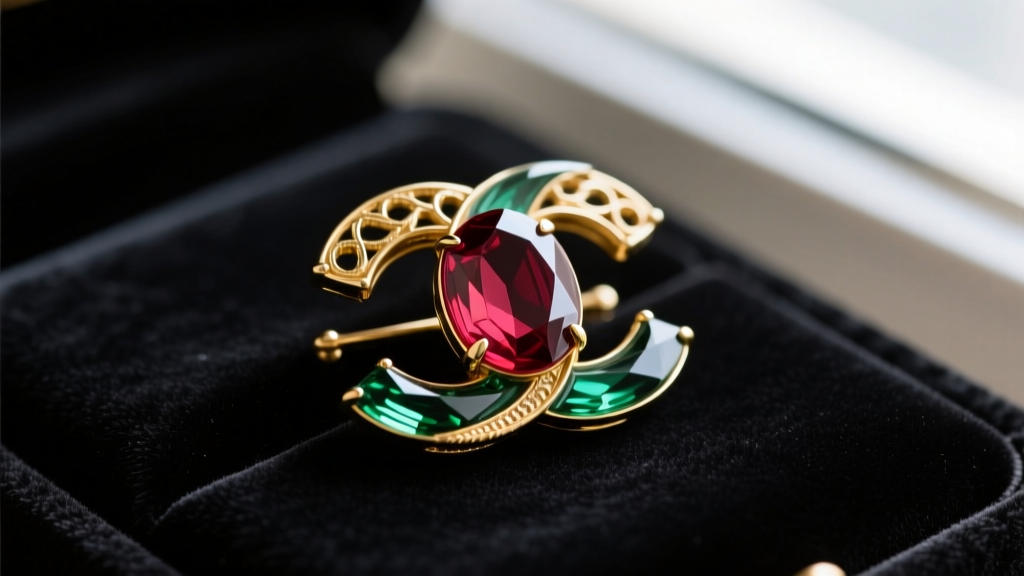
When curating a gift for a discerning collector or a fashion-forward recipient, the modern gifter is increasingly looking past traditional fine jewelry. Instead, they are turning to the rich, historically significant world of vintage designer accessories. The market for the most valuable costume jewelry has evolved from a niche collecting hobby into a serious alternative asset class. As we navigate the 2026 vintage market, pieces that once served as accessible alternatives to fine jewelry are now commanding auction-level premiums, driven by their impeccable craftsmanship, historical provenance, and the sheer impossibility of replicating their mid-century manufacturing techniques.
The Paradigm Shift: Why Costume Jewelry Holds Investment Value
The term "costume jewelry" was popularized in the 1920s by Coco Chanel, who believed that adornment should be about aesthetic expression rather than sheer monetary wealth. However, the pieces created by master artisans from the 1930s through the 1960s were anything but cheap imitations. Designers like Alfred Philippe (who previously designed for Cartier and Van Cleef & Arpels) brought haute joaillerie techniques to base metals and glass. Today, the value of these pieces is dictated by rarity, the specific manufacturing era, and the survival rate of delicate components like rhodium plating and foil-backed rhinestones. According to the Victoria and Albert Museum, the historical significance of these pieces lies in their reflection of wartime material rationing and post-war industrial innovation, making them wearable artifacts of 20th-century history.
The 2026 Valuation Matrix: Brands, Materials, and Price Tiers
Understanding the hierarchy of the vintage market is crucial for occasion matching. Below is a breakdown of the most sought-after categories and their current market valuations for pieces in excellent to mint condition.
| Designer / Brand | Key Era & Material | Defining Characteristic | 2026 Price Range (USD) |
|---|---|---|---|
| Chanel (Pre-1954) | Maison Gripoix Poured Glass | Hand-shaped molten glass set in gold-tone metal | $2,500 - $15,000+ |
| Trifari (Philippe Era) | 1940s "Jelly Belly" Lucite | Carved clear Lucite bellies set in sterling or rhodium | $1,200 - $8,000 |
| Miriam Haskell | 1930s-1950s Russian Gilt | Baroque glass pearls with complex wire-wrapping | $600 - $4,500 |
| Artisan Bakelite | 1930s Phenolic Resin | Deeply carved "Applejuice" or "End of Day" colors | $800 - $12,000 |
| Christian Dior (Kramer) | 1950s Aurora Borealis Glass | Early Swarovski AB rhinestones in intricate floral motifs | $400 - $2,500 |
Occasion Matching: Strategic Gifting by Recipient Profile
Gifting vintage requires a deep understanding of the recipient's lifestyle, aesthetic preferences, and the specific occasion. A fragile 1930s dress clip is not suited for daily wear, whereas a substantial Bakelite bangle can become a signature daily piece.
1. The Milestone Anniversary: Chanel and Maison Gripoix
For a 30th or 40th anniversary, or a landmark birthday for a serious fashion archivist, early Chanel pieces featuring Gripoix glass are the ultimate gesture. Maison Gripoix developed a technique where glass was not molded, but heated and shaped with tweezers, then pressed directly into metal settings while semi-molten. This created a seamless, prong-less setting that mimicked the look of raw, uncut gemstones. Gifting Tip: Look for the "Chanel" signature stamped directly onto the metal or a sewn-in cloth tag for pre-1940s pieces. Because these are highly fragile and prone to glass cracking if dropped, they are best gifted to recipients who appreciate museum-level preservation over daily wear.
2. The Vintage Bride: Miriam Haskell and Russian Gilt
If you are gifting a bride who favors non-traditional, bohemian, or vintage-inspired wedding aesthetics, a Miriam Haskell floral corsage or layered pearl necklace is unparalleled. Haskell's early work is defined by "Russian Gilt," a highly volatile gold-wash technique applied over copper or brass that yields a warm, antique, almost oxidized golden hue. Combined with hand-blown baroque glass pearls sourced from Bohemia, these pieces offer a romantic, organic texture that modern cultured pearls cannot replicate. Condition Warning: Russian gilt wears away easily. When sourcing, prioritize pieces stored in their original boxes with the gilt fully intact, as re-plating destroys the historical value.
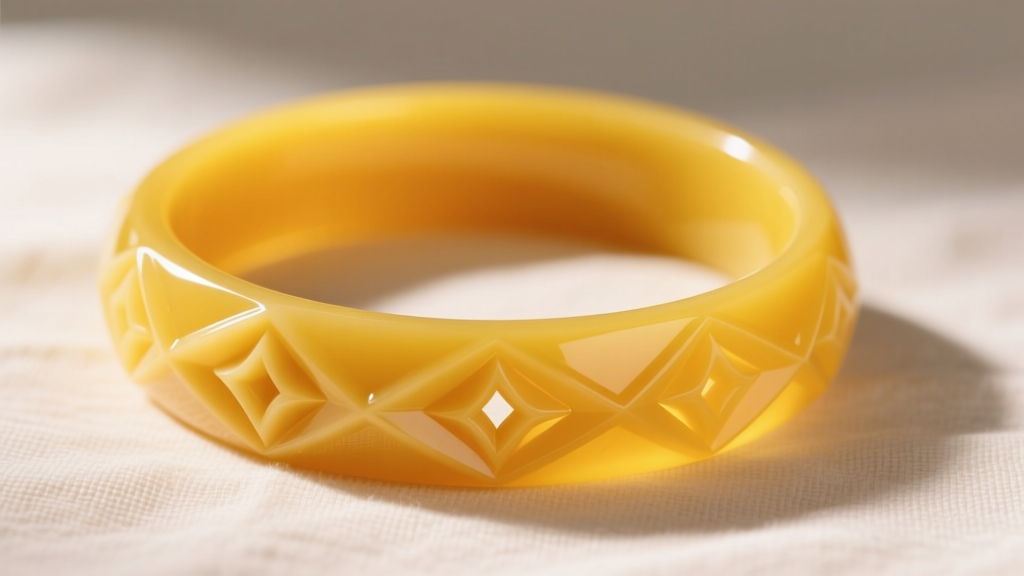
3. The Fashion Archivist: Carved Bakelite and Phenolic Resins
For the creative director, the gallery owner, or the bold fashion archivist, a carved Bakelite bangle is a wearable sculpture. Bakelite (polyoxybenzylmethylenglycolanhydride) was the first synthetic plastic, but in the 1930s, artisans treated it like ivory or jade. The most valuable hues include "creamed corn," "applejuice" (a translucent yellow-orange), and "end of day" (a marbled mix of leftover factory colors). Authentication Insight: To verify genuine Bakelite without damaging the piece, collectors use the Simichrome polish test. A cotton swab dipped in Simichrome will turn bright yellow when rubbed on an inconspicuous area of true Bakelite, whereas later plastics like Lucite or celluloid will not react. Never use the "hot pin test," as it will permanently melt and scar the vintage resin.
Authentication and Condition: The Collector’s Checklist
When investing in the most valuable costume jewelry, the difference between a $200 piece and a $2,000 piece often lies in microscopic hardware details. Use this checklist when evaluating a potential gift:
- Clasp Mechanics: Pre-1930s pieces typically feature simple "C-clasps" without a rolling lock. The "trombone clasp" (a push-pull mechanism with a locking ring) was prevalent in European pieces from the 1930s to 1950s. Fur clips (featuring a double-prong spring mechanism) date specifically to the late 1930s and 1940s.
- Rhinestone Foiling: Flip the piece over. Early rhinestones were foil-backed to increase light refraction. If the foil is scratched, blackened, or missing (often called "dead stones"), the value drops by up to 70%. Look for pristine, mirror-like foiling.
- Signature Evolution: Trifari's signature changed dramatically. The highly coveted "KTF" (Krug, Trifari, Fishel) mark in a crown shape was used in the 1920s and 30s. Post-1955, the copyright symbol (©) was added. Knowing the exact typography of the stamp is vital for dating the piece.
- Plating Integrity: Rhodium plating, popular in the 1940s for its tarnish-resistant, platinum-like finish, is incredibly durable. Conversely, early gold-tone washes are prone to flaking. Avoid pieces with green verdigris (copper oxidation), as this indicates structural degradation of the base metal.
"The true value of mid-century costume jewelry lies in its impossibility. The labor-intensive wire-wrapping of Miriam Haskell and the toxic, now-banned chemical processes used to create early plastics mean these pieces can never be authentically reproduced at scale." — Vintage Jewelry Appraisal Guidelines, 2025 Edition
Sourcing the Most Valuable Costume Jewelry in 2026
Finding investment-grade costume jewelry requires moving beyond standard thrift stores and general auction sites. In 2026, the most reliable sources for authenticated, high-end vintage pieces are specialized digital marketplaces and vetted dealer networks. Platforms like 1stDibs and RubyLane offer robust buyer protections and require sellers to provide detailed macro-photography of signatures and clasp mechanisms. When purchasing as a gift, always request a condition report detailing any replaced stones, re-soldered pins, or polished areas, as over-cleaning can strip the original patina that serious collectors covet.
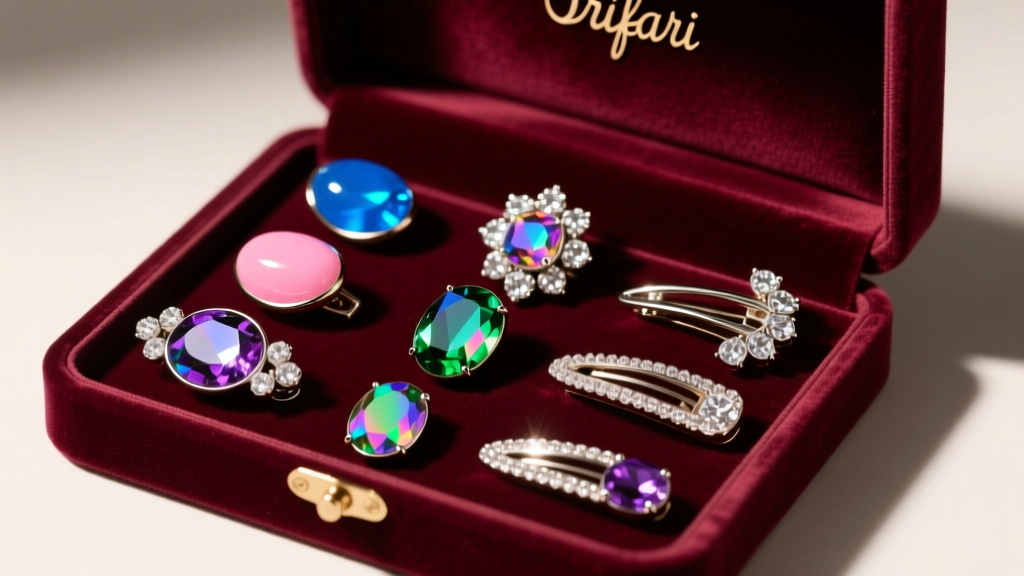
Ultimately, gifting the most valuable costume jewelry is an exercise in historical curation. You are not merely giving an accessory; you are passing down a piece of 20th-century industrial art. By matching the specific material and designer history to the recipient's personal style and lifestyle, you ensure that the gift is not only financially valuable but deeply cherished and meticulously preserved for the next generation of collectors.


