Weiss Costume Jewelry: A Beginner's Guide to Vintage Collecting
Discover the magic of Weiss costume jewelry. Learn how to identify hallmarks, value vintage rhinestone pieces, and care for aurora borealis finishes.

The Legacy of Albert Weiss: More Than Just Sparkle
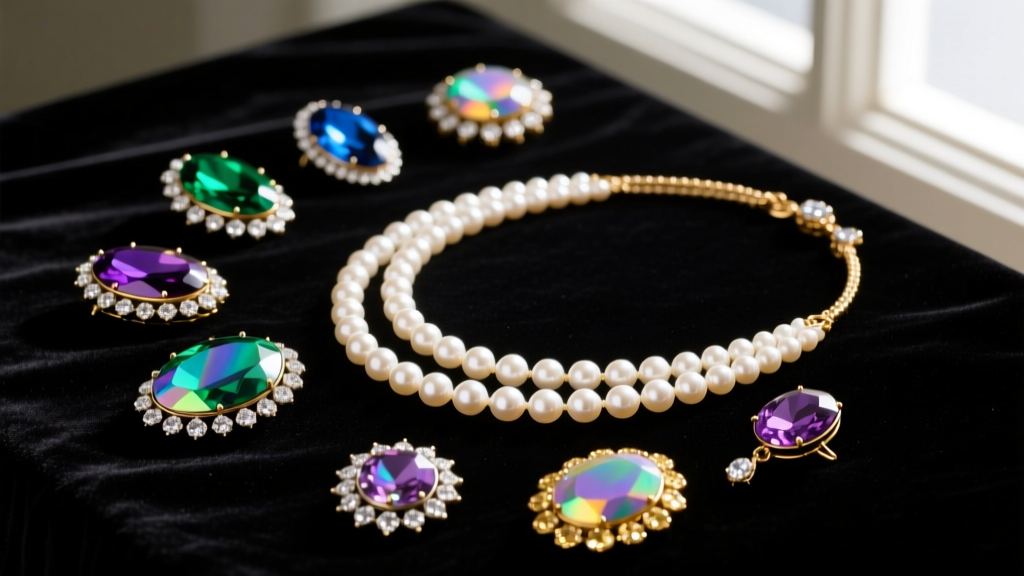
When diving into the world of mid-century vintage accessories, Weiss costume jewelry stands out as a masterclass in accessible luxury. Founded in 1942 by Albert Weiss in New York City, the company quickly became a powerhouse during the golden era of American costume jewelry. Unlike fine jewelry, which relies on the intrinsic value of precious metals and gemstones, Weiss focused on exceptional craftsmanship, innovative metalwork, and the highest quality simulated stones available at the time.
For beginners, understanding Weiss is crucial because the brand bridges the gap between mass-market trinkets and high-end designer pieces. Weiss competed directly with giants like Trifari and Coro, but carved out a niche by heavily utilizing premium Austrian crystals and intricate pavé settings. According to the Vintage Fashion Guild, Weiss was particularly renowned for its floral and botanical motifs, as well as its bold, geometric statement pieces that defined 1950s and 1960s fashion. If you are looking to start a vintage collection, Weiss offers an incredible entry point with high visual impact and a rich historical pedigree.
How to Identify Authentic Weiss Costume Jewelry
Identifying genuine Weiss pieces requires a keen eye for both hallmarks and construction techniques. Because the company operated for nearly three decades before closing in 1971, their marking practices evolved.
Common Hallmarks and Signatures
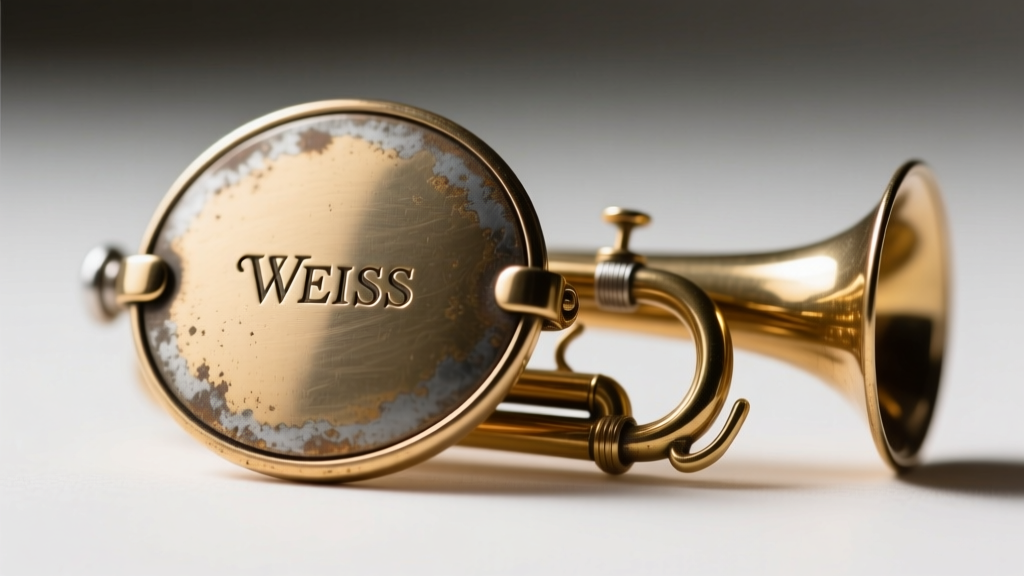
- "WEISS" - The most common stamp, usually found on the reverse of brooches, pendants, and clasps. It is often stamped in a simple, sans-serif font.
- "A.W." - Used primarily in the earlier years of the company (1940s to early 1950s).
- "Albert Weiss" - A rarer signature, typically found on higher-end or later parure sets.
- Unmarked Pieces - Early Weiss or pieces where the foil label wore off can be unmarked. In these cases, you must rely on construction clues.
Construction Clues for Unmarked Pieces
If a piece lacks a stamp, look for puddle casting. This is a technique where molten base metal is poured into a mold, resulting in a slightly textured, uneven back rather than a perfectly smooth, machine-stamped finish. Weiss also favored prong-set stones rather than glued stones, and frequently used secure trombone clasps or barrel clasps on their necklaces. Familiarizing yourself with these physical traits is essential, as Kovels notes that missing hallmarks are common in vintage costume jewelry due to decades of wear and polishing.
Material Breakdown: What Makes Weiss Pieces Shine
The true value of Weiss costume jewelry lies in its materials. While the base metals were not precious, the decorative elements were sourced from top-tier global suppliers.
| Material | Characteristics & Weiss Usage | Collector Appeal |
|---|---|---|
| Aurora Borealis (AB) Rhinestones | Introduced by Swarovski in 1955, these stones feature a micro-thin metallic coating that creates an iridescent, rainbow-like flash. Weiss was an early and prolific adopter of AB stones. | Highly sought after; the AB coating is delicate and pieces with intact, unscratched coatings command a premium. |
| Austrian Crystal | High-lead-content glass cut with precision to maximize light refraction. Weiss used these in clear, sapphire, ruby, and emerald hues. | Prized for their diamond-like brilliance. Foil-backed stones were common to enhance the sparkle. |
| Marcasite | Actually pyrite (fool's gold), faceted and set into darkened silver or pot metal to create a subtle, antique metallic sparkle. | Popular in Weiss's floral and animal brooches; adds a sophisticated, understated texture. |
| Base Metals | Often brass, pot metal, or white metal alloys, heavily plated in rhodium, gold-tone, or silver-tone finishes to prevent tarnishing. | Rhodium-plated Weiss pieces are highly desirable as rhodium resists tarnish and mimics the look of platinum. |
Valuation and Pricing: What to Expect in the Vintage Market
As a beginner, it is important to understand the pricing tiers of Weiss costume jewelry. Values are driven by rarity, condition, complexity of the design, and the presence of original tags or boxes. Here is a general pricing framework for the current market:
Entry-Level ($25 - $75)
Simple, single-color rhinestone brooches, basic clip-on earrings, or pieces with minor wear (such as slight darkening of the base metal or a few missing non-essential stones). This is the best tier for beginners to learn about the brand's weight and clasp mechanisms without a massive financial commitment.
Mid-Tier Collectibles ($80 - $250)
This tier includes intricate floral brooches, multi-strand faux pearl necklaces, and pieces heavily featuring Aurora Borealis stones. Bracelets with complex link constructions and secure fold-over safety clasps also sit in this range. Condition should be very good, with all original stones intact and vibrant foil backing.
Premium and Parures ($300 - $800+)
A "parure" is a complete matching set (e.g., necklace, bracelet, earrings, and brooch). Complete Weiss parures, especially those featuring rare colors like padparadscha (pink-orange) sapphires or elaborate figural designs (like poodles or birds), are highly coveted by serious collectors. Pieces with original Albert Weiss hang tags can push the value to the higher end of this spectrum.
Care and Maintenance: Preserving Aurora Borealis Finishes
The most common mistake beginners make with vintage costume jewelry is cleaning it like fine jewelry. Never soak Weiss costume jewelry in water or commercial jewelry dips. Many vintage rhinestones are "foil-backed," meaning a thin layer of metallic foil is glued to the back of the glass to reflect light. If moisture seeps under the prongs, the foil will oxidize, turn black, and ruin the stone's brilliance permanently.
Safe Cleaning Protocol
- Dust Removal: Use a clean, dry, soft-bristled makeup brush or a baby toothbrush to gently sweep away dust and skin oils from the prongs and settings.
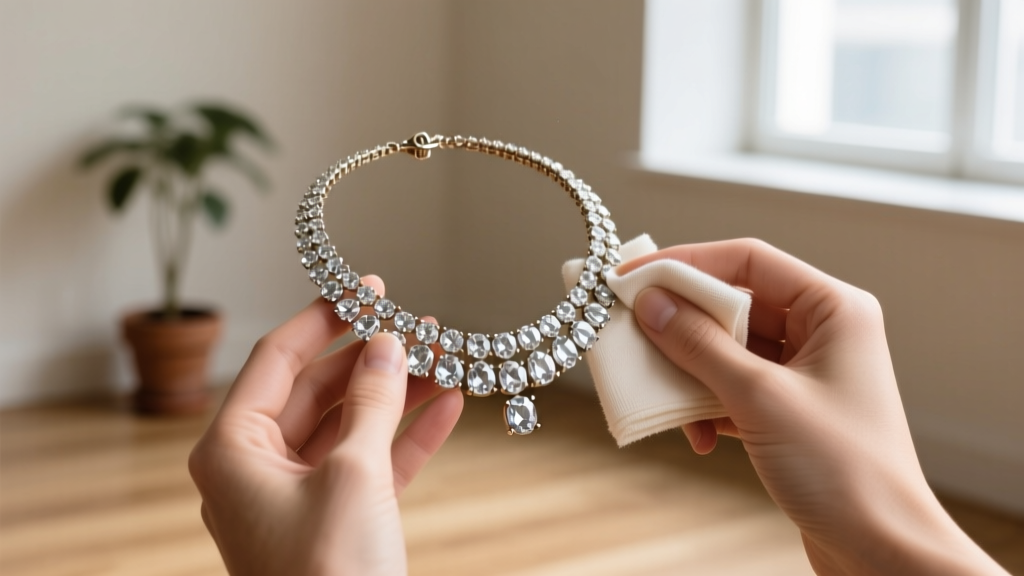
- Surface Polishing: For the glass stones, use a dry microfiber cloth. If a stone is exceptionally dirty, lightly breathe on it (like cleaning eyeglasses) and wipe immediately. Do not use liquid glass cleaners.
- Metal Care: For un-rhodium plated base metals, use a dry silver polishing cloth. Avoid liquid polishes, which can strip the original gold or silver plating and damage the patina.
- Storage: Store Weiss pieces in a cool, dry place. Use anti-tarnish strips in your jewelry box, and keep pieces separated in soft pouches to prevent the harder Austrian crystals from scratching the softer Aurora Borealis coatings.
Building Your First Weiss Collection
Starting a Weiss collection is an exciting journey into mid-century design. To build a cohesive and valuable collection, focus on a specific theme. You might choose to collect only Weiss figural brooches, or perhaps focus entirely on the transition of their clasp mechanisms from the 1940s to the 1960s.
When shopping at estate sales, antique malls, or online auction sites, always carry a jeweler's loupe. Use it to inspect the prongs (ensure they are metal and not glued) and check the foil backing of the stones for any signs of blackening or moisture damage. By prioritizing condition and understanding the rich material history of Albert Weiss's designs, you will curate a collection that not only sparkles but tells a vivid story of American fashion history.


