Fashion Jewelry Meaning: Material-Specific Care Guide
Decode the fashion jewelry meaning with our expert care guide. Learn material-specific cleaning, storage, and tarnish prevention for costume pieces.

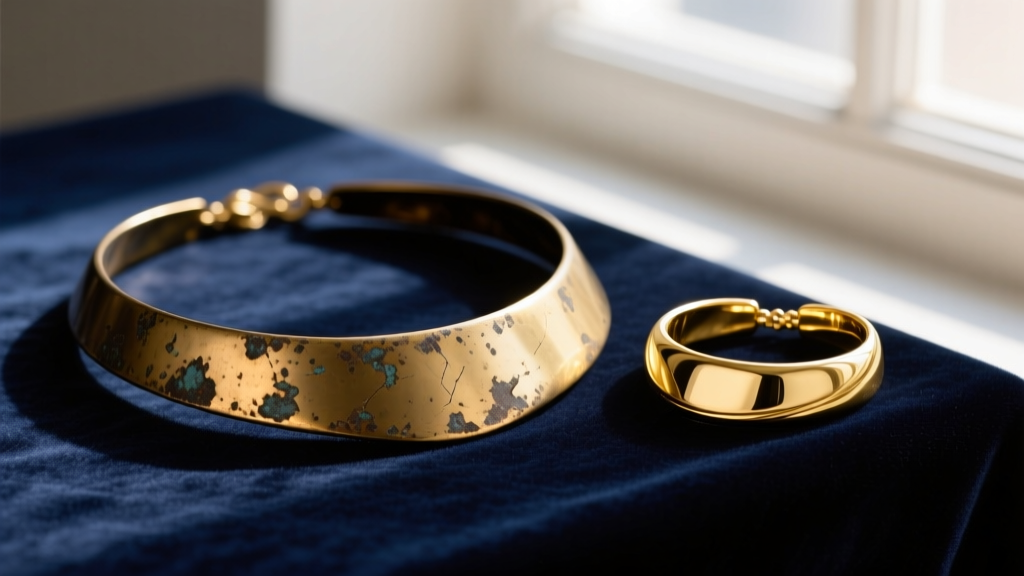
When collectors, stylists, and archivists discuss the fashion jewelry meaning, they are delineating a specific category of adornment defined not by intrinsic metal value, but by design, trend-relevance, and material composition. Unlike fine jewelry, which relies on solid precious metals and naturally occurring gemstones, fashion jewelry (often interchangeably called costume jewelry) utilizes base metals, alloys, and synthetic or simulated stones. Understanding this fundamental distinction is the absolute prerequisite for proper maintenance. The care protocols for a solid 14k gold chain will actively destroy a gold-plated brass piece. In 2026, as sustainable fashion and archival vintage collecting continue to dominate the market, preserving the structural integrity and aesthetic finish of fashion jewelry has never been more critical.
The True Fashion Jewelry Meaning: Why Composition Dictates Care
To properly care for these pieces, we must look beneath the surface. The core of most fashion jewelry consists of base metals or alloys. Common substrates include brass (an alloy of copper and zinc), copper, pewter, and Zamak (a zinc alloy with aluminum, magnesium, and copper). These metals are highly reactive to oxygen, moisture, and the acids present in human skin.
To make these reactive metals visually appealing and hypoallergenic, manufacturers apply surface coatings. The Federal Trade Commission (FTC) strictly regulates how these coatings are labeled. 'Flash plating' typically involves a microscopic layer of gold or silver (often less than 0.5 microns thick), while 'gold vermeil' requires a much thicker 2.5-micron layer of gold over a sterling silver base. Knowing whether your piece is flash-plated brass or PVD-coated stainless steel determines whether it can withstand a simple water rinse or requires specialized chemical intervention.
The Chemistry of Tarnish: Understanding Base Metal Failure Modes
Tarnish on fashion jewelry is rarely a surface-level issue; it is often a symptom of galvanic corrosion or substrate oxidation. When the microscopic pores in gold or rhodium plating are exposed to the saline environment of human sweat, a galvanic cell is created between the plating and the base metal. This accelerates the oxidation of the underlying copper or brass.
Verdigris and Copper Carbonate
If you have ever seen a crusty, bright green substance forming on the clasps or interior bands of vintage fashion jewelry, you are looking at verdigris (copper carbonate). This occurs when copper-rich alloys react with carbon dioxide and moisture. Verdigris is not just unsightly; it is actively corrosive and can cause severe skin irritation. Attempting to scrub verdigris off a plated piece with a hard brush will strip the remaining plating, exposing more raw copper and accelerating future degradation.
Material-Specific Cleaning Protocols
The Gemological Institute of America (GIA) emphasizes that cleaning agents must be matched to the specific material. Here is how to approach the most common fashion jewelry substrates.
Gold-Plated Brass and Copper
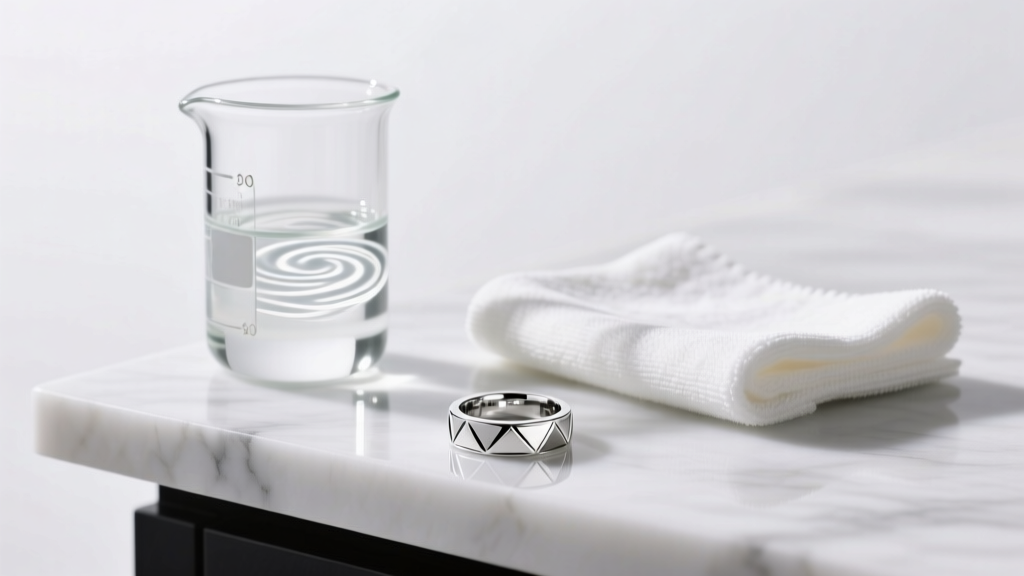
- The Solution: Mix three drops of pH-neutral dish soap (like original Dawn) into a bowl of distilled water. Tap water contains chlorine and trace minerals that can leave hard water spots on delicate plating.
- The Technique: Submerge the piece for no more than 60 seconds. Do not agitate. Gently swish the water. Use a pristine, lint-free microfiber cloth to pat the piece completely dry. Air-drying will leave water marks that etch into the soft gold plating over time.
Rhodium-Plated White Metal Alloys
Rhodium is a platinum-group metal used to give white gold and silver-toned fashion jewelry a brilliant, reflective finish. While rhodium is incredibly hard, it is also brittle. Fashion jewelry plated with rhodium over soft base metals is prone to micro-cracking when bent. Clean these pieces using a cotton swab lightly dampened with 91% isopropyl alcohol to dissolve skin oils without introducing moisture into the micro-cracks, which would cause the base metal to oxidize from the inside out.
PVD (Physical Vapor Deposition) Coated Steel
Modern fashion jewelry increasingly utilizes PVD coating, a process where titanium or gold nitride is vaporized and bonded to stainless steel in a vacuum. PVD is vastly superior to traditional electroplating in terms of wear resistance. However, it can be scratched by harder materials. Clean PVD pieces with warm soapy water, but ensure they are stored away from cubic zirconia (Mohs hardness 8-8.5), which will easily scratch the PVD surface (Mohs hardness ~6).
The Ultimate Fashion Jewelry Maintenance Matrix
| Base Material | Plating / Finish | Approved Cleaning Agent | Drying Method | Primary Failure Mode |
|---|---|---|---|---|
| Brass / Copper | Gold Flash (0.5μm) | Distilled water + pH-neutral soap | Microfiber pat-dry | Plating wear-through, verdigris |
| Sterling Silver | Gold Vermeil (2.5μm+) | Mild soap solution, soft brush | Air dry or microfiber | Silver sulfide tarnish beneath gold |
| White Metal / Pewter | Rhodium | 91% Isopropyl alcohol | Evaporation | Micro-cracking, base metal oxidation |
| Stainless Steel | PVD Gold / Black | Warm soapy water | Lint-free cloth | Micro-scratching from harder gems |
Advanced Storage: Preventing Micro-Abrasion and Off-Gassing
How you store fashion jewelry is just as critical as how you clean it. The most common mistake consumers make is storing costume pieces in the polyvinyl chloride (PVC) plastic bags they were shipped in. As PVC degrades, it releases hydrogen chloride gas. In the presence of ambient humidity, this gas forms hydrochloric acid, which will rapidly tarnish silver and corrode copper alloys.
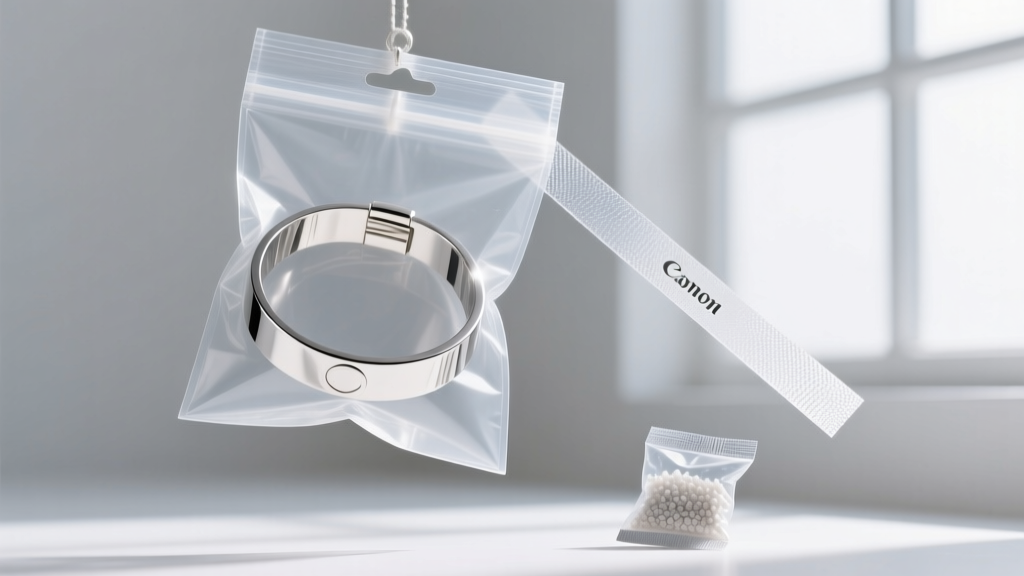
Always re-bag fashion jewelry in Polyethylene (PE) or Polypropylene (PP) ziplock bags, which are chemically stable and do not off-gas. For optimal preservation, include two additives in each bag:
- 3M Anti-Tarnish Strips: These utilize a specialized chemistry that absorbs airborne sulfur compounds before they can react with the metal substrate.
- Silica Gel Desiccant Packets: By maintaining a relative humidity below 40% inside the micro-environment of the bag, you effectively halt the electrochemical reactions required for galvanic corrosion and verdigris formation.
What Never to Do: The Fashion Jewelry Care Blacklist
To protect your investment, completely avoid the following common, yet destructive, cleaning methods:
- Ultrasonic Cleaners: The high-frequency cavitation bubbles generated by ultrasonic machines will strip flash plating in seconds. Furthermore, the vibrations will shatter the delicate foil backing on vintage rhinestones, turning them cloudy and black.
- Toothpaste and Baking Soda: Both contain abrasive silica and calcium carbonate particles. While these may polish solid silver, they act like sandpaper on gold or rhodium plating, creating microscopic scratches that dull the finish and expose the base metal.
- Ammonia-Based Cleaners: Commonly found in commercial glass and jewelry cleaners, ammonia will aggressively attack the copper and zinc in brass alloys, leading to rapid structural weakening and severe discoloration.
By respecting the true material composition behind the fashion jewelry meaning, you can extend the lifespan of your favorite statement pieces from a single season to a multi-generational archive.


