Evaluating Hearnes Fine Jewelry: Budget & Value Guide
Is Hearnes Fine Jewelry worth the investment? We break down pricing, craftsmanship, diamond grading, and long-term value compared to online brands.

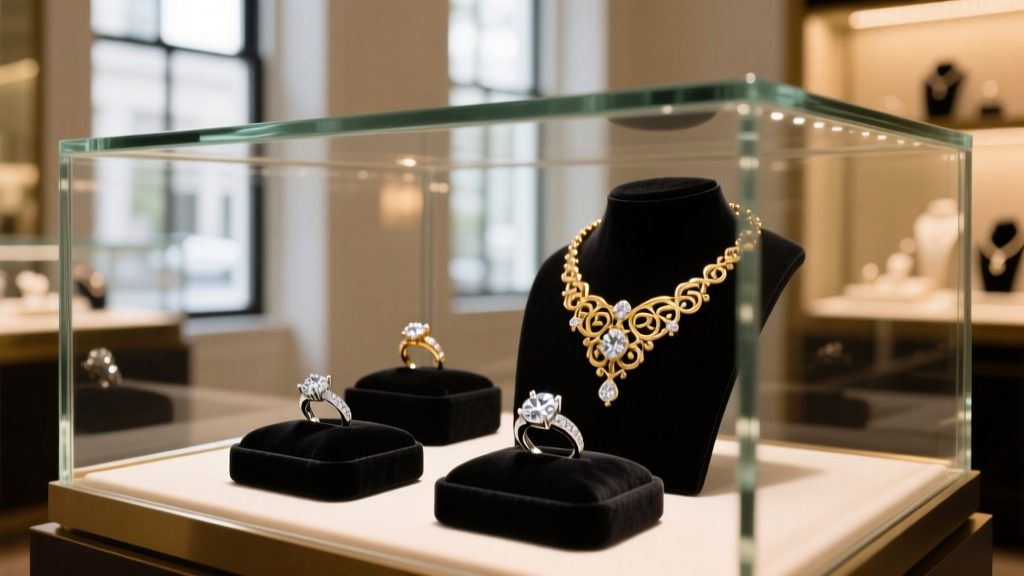
In the modern jewelry landscape, consumers are constantly weighing the convenience of direct-to-consumer (DTC) online brands against the established prestige of traditional brick-and-mortar boutiques. When assessing Hearnes Fine Jewelry, or any comparable high-end regional jeweler, the conversation must shift from simple sticker price to total cost of ownership, metallurgical integrity, and gemological transparency. This comprehensive budget and value assessment breaks down exactly what you are paying for when you invest in a traditional fine jewelry experience, and how to determine if the premium is justified for your specific needs.
The Pricing Architecture: Brick-and-Mortar vs. Direct-to-Consumer
The most common hesitation buyers face when walking into an established fine jewelry boutique is the perceived markup. Online DTC brands have built their marketing around 'cutting out the middleman,' but this narrative often obscures the hidden costs of online purchasing, such as return shipping, third-party appraisal fees, and out-of-pocket maintenance. Traditional jewelers operate with higher overhead—prime real estate, master jewelers on staff, and secure vaulting—but they also provide a localized service ecosystem that online retailers cannot replicate.
Below is a comparative breakdown of what a typical budget allocation looks like across different retail tiers for a standard 1-carat diamond solitaire engagement ring.
| Feature | Hearnes Fine Jewelry (Traditional Boutique) | Online DTC Brand | Mall Chain Retailer |
|---|---|---|---|
| 1ct G/VS2 Solitaire Price | $7,500 - $9,200 | $5,800 - $6,500 | $8,500 - $11,000 |
| Setting Metal Weight | 3.5g - 5.0g (18k/Plat) | 2.0g - 2.8g (14k) | 2.5g - 3.5g (10k/14k) |
| Diamond Certification | GIA / AGS | IGI / GCAL / In-house | IGI / In-house |
| Lifetime Sizing & Service | Included / Low Cost | $150+ / Voids Warranty | $50-$100 per size |
While the initial outlay at a traditional boutique may be 15% to 25% higher than a DTC brand, the inclusion of heavier metal weights and superior certification often balances the long-term value proposition.
Metallurgical Realities: Casting vs. Hand-Forging
To truly assess the value of fine jewelry, one must look beneath the polish. The structural integrity of a ring dictates its lifespan. Many online brands utilize ultra-lightweight castings to minimize gold and platinum costs. A 2-gram 14k gold setting might look identical to a 4-gram setting on a website, but in the real world, the lighter ring is highly susceptible to bending, warping, and eventual diamond loss.
Understanding Metal Alloys and Hardness
Established jewelers prioritize durability and heirloom-quality construction. Here is how the metallurgy breaks down:
- 14k Gold (58.5% Pure): Alloyed with copper, silver, and zinc. It boasts a Vickers hardness of roughly 135, making it highly resistant to scratching, though it lacks the rich, buttery hue of higher karats.
- 18k Gold (75% Pure): With a Vickers hardness around 125, it is slightly softer but offers superior color saturation and is less likely to cause allergic reactions due to fewer base metals.
- Platinum 950: Composed of 95% platinum and 5% alloy (usually ruthenium or iridium). Ruthenium-based platinum is harder and ideal for precision casting, while iridium-based platinum is softer, making it the preferred choice for master jewelers who hand-forge and carve settings. A platinum setting from a high-end boutique will often feature die-struck or hand-forged components, resulting in a denser, less porous metal structure that securely grips gemstones for decades.
Diamond Provenance and Certification Nuances
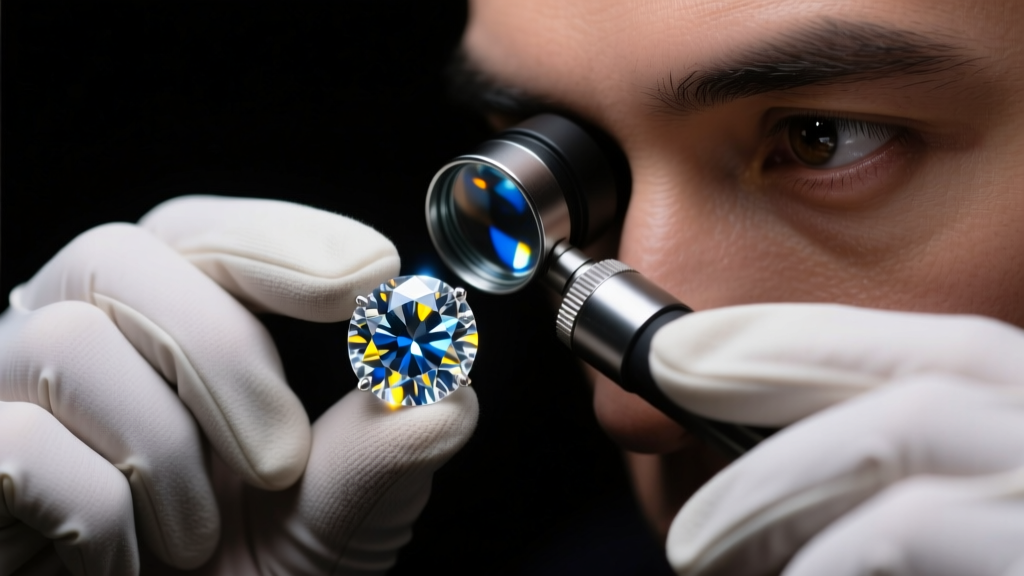
When evaluating the budget for a center stone, the grading laboratory is just as critical as the Four Cs. According to the GIA Diamond Grading Standards, laboratories have varying degrees of strictness. Traditional fine jewelers typically rely on the Gemological Institute of America (GIA) or the American Gem Society (AGS) because their color and clarity grading is exceptionally consistent.
Conversely, many online and mall retailers utilize laboratories with looser grading parameters. An 'H' color diamond graded by a less stringent lab might actually be a 'J' or 'K' color when cross-referenced with GIA standards. This discrepancy means that a seemingly 'cheaper' diamond online may actually possess a noticeable brown or yellow tint, ultimately representing poor value. Furthermore, high-end boutiques physically curate their inventory, filtering out diamonds with milky fluorescence or poorly placed inclusions that compromise brilliance—nuances that are nearly impossible to detect when buying blind online.
The Estate and Vintage Valuation Advantage
One of the most compelling reasons to allocate your budget toward a traditional fine jeweler is access to authenticated estate and vintage jewelry. Pieces from the Art Deco (1920s-1930s) or Retro (1940s) eras offer unparalleled craftsmanship and historical value that modern mass-market jewelry cannot replicate.
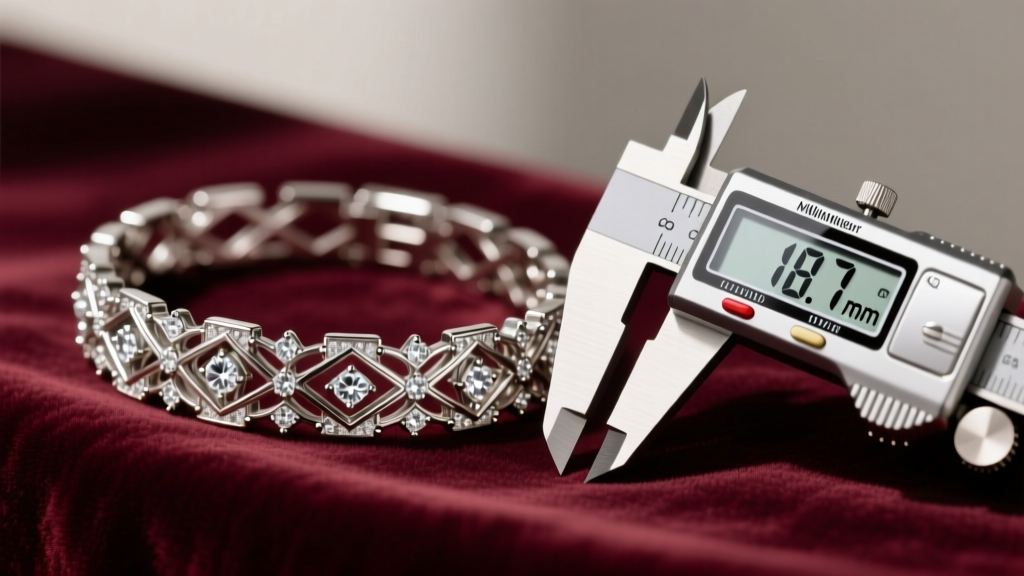
When assessing estate pieces at a reputable boutique, you are paying for the jeweler's expertise in verifying hallmarks, testing for lead solder in vintage repairs, and identifying untreated gemstones. For example, verifying that a vintage ruby is unheated or that an emerald possesses only minor traditional oiling requires specialized gemological equipment and trained eyes. The Jewelers of America Consumer Guide frequently emphasizes the importance of purchasing estate jewelry from credentialed professionals to avoid costly misattributions and synthetic substitutions.
Long-Term Cost of Ownership (TCO)
Fine jewelry is a wearable asset that requires ongoing maintenance. When calculating your budget, you must factor in the Total Cost of Ownership over a 10-to-20-year period. Traditional jewelers often offset their initial premium by providing in-house service departments.
'The true cost of a piece of jewelry is not just its purchase price, but the cost of keeping it secure, polished, and structurally sound over a lifetime of daily wear.'
Standard Maintenance Pricing Matrix
- Rhodium Plating (White Gold): $45 - $85 every 12 to 18 months to maintain a bright white finish.
- Prong Retipping: $35 - $60 per prong when metal wears thin from friction and contact.
- Shank Replacement: $150 - $300 to cut out a severely worn bottom section of the ring band and solder in new metal.
- Ultrasonic & Steam Cleaning: Usually complimentary for life at traditional boutiques, whereas third-party jewelers may charge $25 to $50 per visit.
When a boutique includes complimentary cleanings, annual prong checks, and discounted resizing in their initial purchase package, the 10-year TCO often falls below that of a DTC ring that requires third-party servicing at full market rates.
Final Verdict: Is the Premium Justified?
Evaluating Hearnes Fine Jewelry—or any established regional fine jeweler—requires looking past the initial price tag. If your primary goal is to acquire the absolute largest diamond for the lowest possible dollar amount, and you are willing to accept lighter metal weights and manage your own third-party repairs, a direct-to-consumer online brand may suit your budget.
However, if you value heirloom-quality metallurgy, strict GIA gemological standards, access to authenticated estate pieces, and the security of a localized master jeweler for lifetime maintenance, the traditional boutique premium is not just justified; it is a vital investment in the longevity and security of your jewelry. By understanding the pricing architecture and the hidden costs of ownership, you can confidently allocate your budget toward pieces that will endure for generations.


