How to Turn Ashes into Jewelry: A Step-by-Step Guide
Learn how to turn ashes into jewelry with our step-by-step guide. Compare resin, glass, and diamond methods, plus prep tips and pricing.

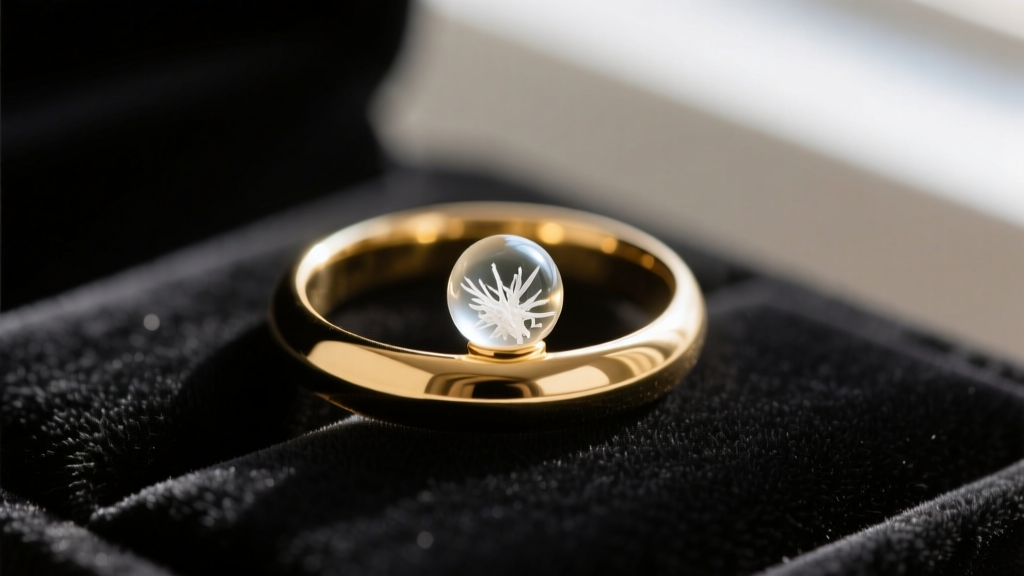
Transforming cremated remains into a wearable keepsake is a deeply personal process that merges emotional significance with metallurgical and chemical precision. Whether you are a DIY jeweler looking to craft a resin pendant or a consumer researching professional kiln-fired glass and lab-grown diamonds, understanding the exact mechanics of turning ashes into jewelry is critical. As of 2026, advancements in carbon extraction and UV-stable resins have vastly improved the longevity of these memorial pieces. This step-by-step guide breaks down the technical requirements, material grades, and safety protocols necessary to create durable, high-quality cremation jewelry.
Understanding the Core Methods: Resin, Glass, and Diamond
Before beginning the physical preparation, you must select the infusion method. Each medium interacts with cremains (the technical term for processed ashes) differently, requiring specific mesh sizes and environmental controls.
| Method | Durability (Mohs Scale) | Ashes Required | Avg. Cost (2026) | Best For |
|---|---|---|---|---|
| UV-Resistant Resin | 2.0 - 3.0 | 1/2 teaspoon | $50 - $250 | DIY crafters, intricate pendants |
| Kiln-Fused Glass | 5.5 - 6.5 | 1 teaspoon | $150 - $600 | Everyday rings, durable beads |
| Memorial Diamond (CVD) | 10.0 | 1/2 to 1 cup | $3,500 - $15,000+ | Heirloom engagement rings, prong settings |
While resin is accessible for home studios, it requires strict UV-inhibitor additives to prevent yellowing. Kiln-fused glass offers superior scratch resistance, and memorial diamonds—created via Chemical Vapor Deposition (CVD) by extracting the 1-4% carbon naturally present in human remains—provide a permanent, gemological-grade tribute. For more on lab-grown diamond grading, refer to the Gemological Institute of America (GIA).
Step 1: Preparing and Measuring the Cremains
The most common point of failure in cremation jewelry is improper ash preparation. Cremains straight from an urn are often too coarse, containing bone fragments that will create uneven, jagged pockets in glass or resin.
Sifting and Safety Protocols
Cremains contain trace amounts of crystalline silica. Always wear an N95 respirator and nitrile gloves when handling raw ashes outside of a sealed urn.
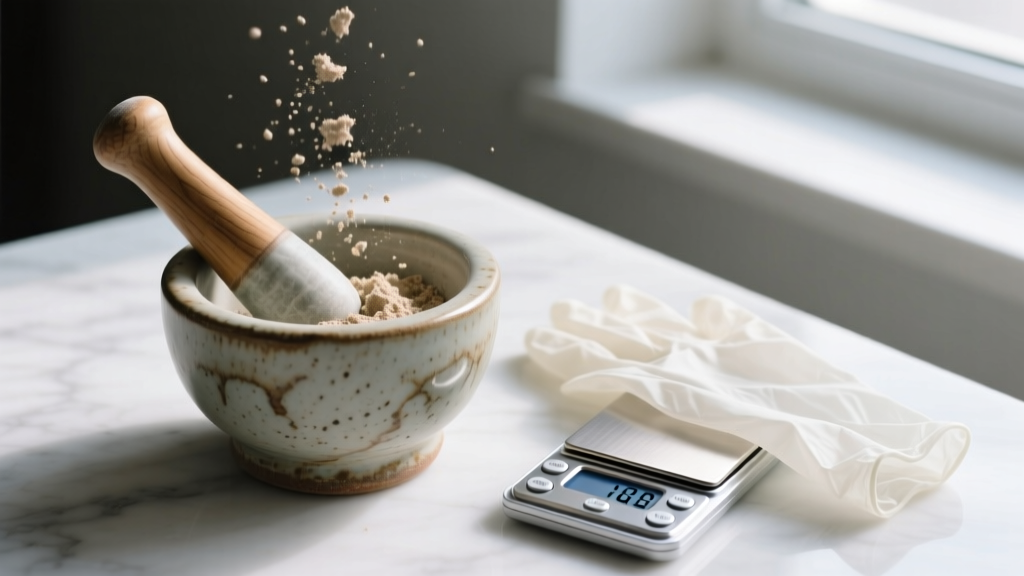
1. Milling: Use a ceramic mortar and pestle to gently crush the remains. Do not use metal grinders, as they can introduce iron shavings that will oxidize and turn the ashes green or brown over time.
2. Sieving: Pass the milled ashes through a brass mesh sieve. For resin jewelry, a 100-mesh sieve (150 microns) is ideal. For glass fusing, a finer 200-mesh (75 microns) ensures the ashes act as a smooth flux rather than a disruptive aggregate.
3. Measuring: Use a digital jewelry scale. For a standard 10mm glass cabochon, you will need exactly 0.8 to 1.2 grams of prepared ashes.
Step 2: Selecting the Right Jewelry Setting and Metal
The setting must protect the infusion medium while accommodating the structural realities of the ashes. According to the Federal Trade Commission (FTC) Jewelry Guides, understanding metal purity is essential for durability and hypoallergenic properties.
- 14k Gold (58.5% pure): The optimal choice for bezel settings holding glass or resin. The alloy metals (usually copper and zinc) provide the tensile strength needed to hold a bezel wall tightly against a glass cabochon without warping.
- 18k Gold (75% pure): Softer and richer in color, but prone to scratching. Best for memorial diamond prong settings where the diamond's hardness protects the center, but less ideal for holding soft resin.
- Platinum (95% pure): Dense, hypoallergenic, and highly durable. Ideal for heavy, everyday memorial rings, though its high melting point makes it difficult for DIY glass-fusing artists to work with directly.
Step 3: The Infusion Process
The technique varies wildly depending on your chosen medium. Below are the technical parameters for the two most common physical methods.
Kiln-Fused Glass (Professional Route)
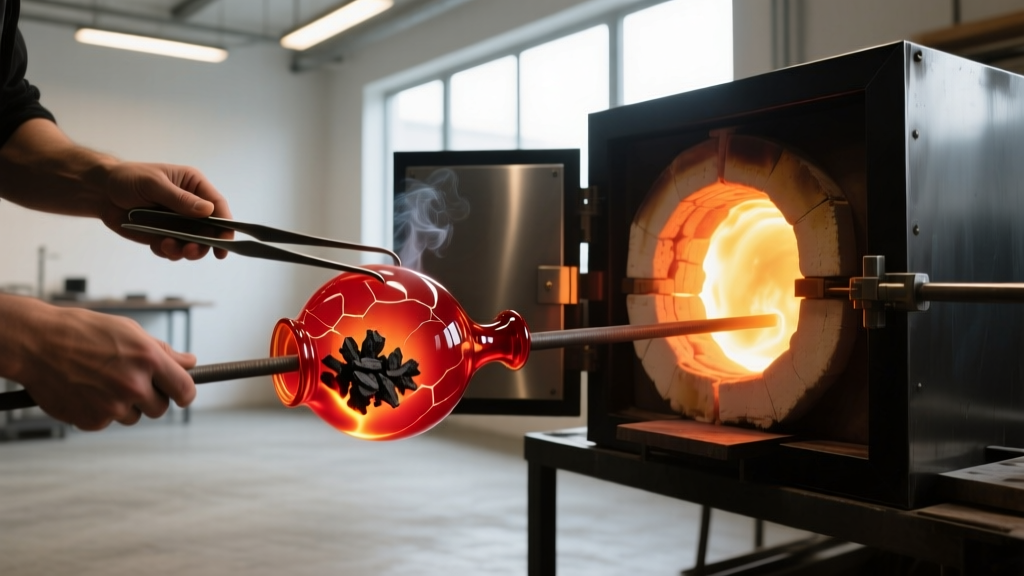
Glass fusing requires a programmable jewelry kiln. The ashes are mixed with borosilicate or dichroic glass frit.
The Kiln Schedule:
- Ramp 1: Heat at 300°F per hour to 1100°F. Hold for 20 minutes. This crucial step burns off any residual organic compounds and pre-heats the ashes to prevent thermal shock.
- Ramp 2: Heat at 500°F per hour to 1450°F. Hold for 10 minutes to allow the glass to fully melt and encapsulate the ashes.
- Annealing: Drop the temperature to 960°F and hold for 1 hour. This relieves internal molecular stress. Skipping the anneal phase will result in the glass shattering days or weeks later.
UV-Stable Resin (DIY Route)
If crafting at home, use a jewelry-grade, non-yellowing epoxy resin (1:1 mixing ratio).
1. Mix the resin slowly for 3 minutes to minimize air introduction.
2. Fold in the 100-mesh ashes gently.
3. Pour into a silicone mold and immediately place in a vacuum degassing chamber at 29.9 inHg for 5 minutes. This pulls all trapped air bubbles to the surface, ensuring a crystal-clear finish around the ashes.
4. Cure in a UV-free, dust-controlled environment for 48 hours.
Expert Insight: Never use standard hardware-store epoxy for memorial jewelry. Standard epoxies lack HALS (Hindered Amine Light Stabilizers) and will turn an opaque, sickly yellow within 6 months of sun exposure. Always source resins specifically formulated with UV inhibitors.
Step 4: Sealing, Polishing, and Long-Term Care
Once the infusion medium has cooled or cured, the piece must be finished to ensure skin safety and longevity.
For glass pieces, the cabochon is removed from the kiln shelf and polished using a series of diamond lapidary pads (starting at 400 grit and moving up to 14,000 grit) to achieve a high-gloss finish. The glass is then seated into the metal bezel using a bezel roller and pusher tool, ensuring no sharp metal edges remain.
For resin pieces, the edges are sanded with wet/dry sandpaper up to 3000 grit, followed by a plastic polishing compound to restore optical clarity. The Cremation Association of North America (CANA) frequently advises families that proper care extends the life of these keepsakes significantly.
Maintenance Rules by Material
- Resin: Clean only with a damp microfiber cloth. Never use ultrasonic cleaners, alcohol, or commercial jewelry dips, as these will dissolve the resin's chemical bonds and cause clouding.
- Glass: Safe for mild soap and water. Avoid hard impacts against quartz or granite countertops, as glass can chip at the girdle edge.
- Memorial Diamonds: Treat exactly like a mined diamond. Safe for ultrasonic cleaning and steam. Have the prongs checked by a bench jeweler every 12 months.
Frequently Asked Questions
Is it legal to turn ashes into jewelry?
Yes. In the United States and most of Europe, it is entirely legal to possess, transport, and encase cremated remains in jewelry, provided the ashes were obtained legally and you have the authorization of the next of kin.
Can pet ashes be used in the same way?
Absolutely. Pet cremains undergo the same calcination process as human remains. However, pet ashes often have a higher concentration of calcium from bone density, which can occasionally create a whiter, more opaque reaction in kiln-fired glass compared to human ashes.
Turning ashes into jewelry is a meticulous blend of art and science. By respecting the material properties of the cremains and adhering to strict metallurgical and chemical protocols, you can create a flawless, enduring tribute that safely honors a loved one for generations.


