Male Cremation Jewelry: Technical Guide to Metals and Seals
Explore the technical specs of male cremation jewelry. Compare titanium, tungsten, and steel ash rings, sealing methods, and durability metrics.

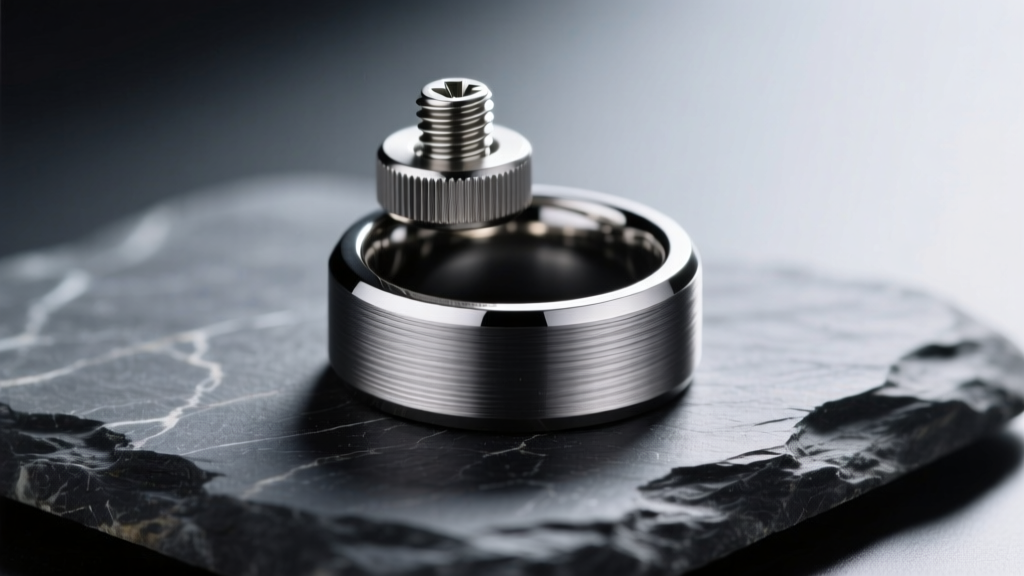
The Engineering of Male Cremation Jewelry
When selecting male cremation jewelry, the focus often lands entirely on aesthetics, overlooking the complex micro-engineering required to safely encapsulate human remains. Men's memorial pieces—particularly rings and heavy pendants—face unique mechanical stresses, environmental exposures, and ergonomic demands. A poorly engineered ash cavity can lead to catastrophic failure, resulting in the irreversible loss of the memorialized ashes.
As a domain expert in memorial jewelry fabrication, I approach these pieces not merely as sentimental keepsakes, but as precision-machined micro-vessels. This guide bypasses generic buying advice to deliver a rigorous technical deep dive into the metallurgy, sealing mechanisms, and failure modes of high-end male cremation jewelry available in today's market.
Metallurgical Breakdown: Tungsten vs. Titanium vs. Steel
The structural integrity of an ash ring or pendant is dictated by its base alloy. Men's jewelry typically favors wider profiles (6mm to 10mm), which influences how internal cavities are milled without compromising the tensile strength of the band.
Tungsten Carbide (WC)
Tungsten carbide is exceptionally hard, rating between 8.5 and 9 on the Mohs scale of mineral hardness. This makes it highly scratch-resistant. However, its extreme brittleness means internal threads cannot be cut directly into the tungsten without risking micro-fractures. High-quality tungsten cremation rings utilize a press-fitted 316L stainless steel or titanium threaded insert to house the ash cavity. Furthermore, ensure the tungsten uses a nickel-free cobalt binder to prevent skin oxidation and allergic reactions.
Aerospace-Grade Titanium (Ti-6Al-4V)
Grade 5 titanium offers an unparalleled strength-to-weight ratio. Unlike pure Grade 2 titanium, which is relatively soft, Ti-6Al-4V can be precision-milled with intricate M3 micro-threads directly into the metal. It is entirely hypoallergenic and highly resistant to chloride-induced pitting, making it ideal for men who work with their hands or frequently swim.
316L Surgical Stainless Steel
Compliant with the ASTM F138 standard, 316L steel contains molybdenum, which drastically increases corrosion resistance compared to standard 304 steel. It is the most forgiving metal for resizing and repairing, though it is more susceptible to surface scratching than tungsten.
| Material | Hardness (Mohs/Vickers) | Specific Gravity | Threading Method | Cavity Volume Limit |
|---|---|---|---|---|
| Tungsten Carbide | 8.5 - 9.0 | 14.5 g/cm³ | Press-fit Metal Insert | 0.15 - 0.25 cm³ |
| Grade 5 Titanium | 340 HV | 4.43 g/cm³ | Direct CNC Milled | 0.20 - 0.35 cm³ |
| 316L Steel | 160 HV | 8.00 g/cm³ | Direct CNC Milled | 0.20 - 0.40 cm³ |
Ash Encapsulation and Sealing Mechanisms
The most critical point of failure in any cremation piece is the seal. According to guidelines observed by the Cremation Association of North America, proper containment is essential for both hygiene and preservation. There are three primary sealing technologies used in men's ash jewelry:
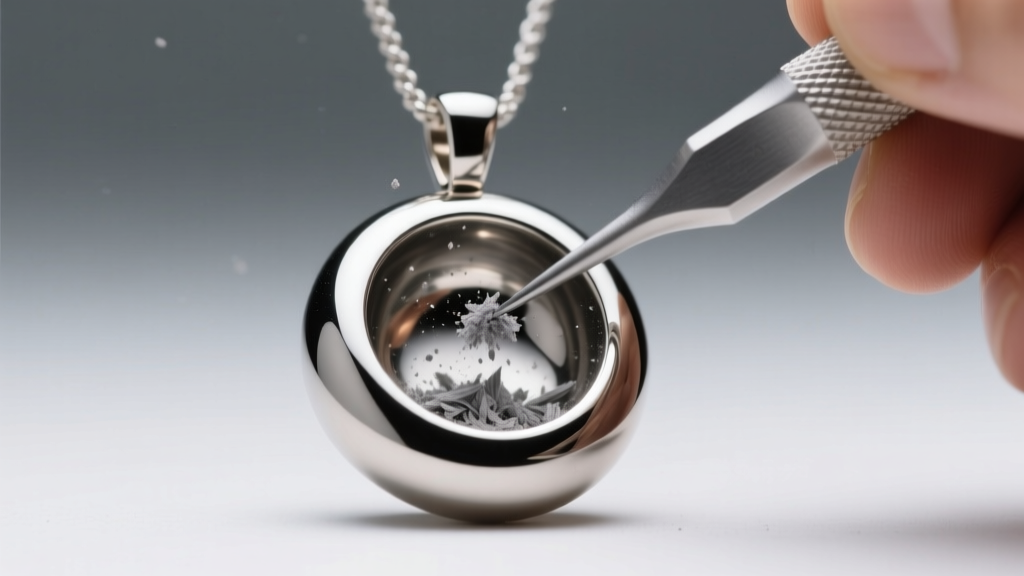
1. Threaded Micro-Screws with O-Ring Gaskets
This is the gold standard for mechanical seals. The screw cap features a precision-cut thread (typically M3x0.5 or M4x0.7 pitch). Beneath the cap head sits an O-ring gasket. While cheap manufacturers use standard silicone or rubber, premium pieces utilize Viton fluoroelastomer O-rings. Viton maintains its elasticity and waterproof seal across extreme temperature variations and resists degradation from skin oils and environmental chemicals.
2. Friction-Fit Plugs
Common in pendants and thicker ring bands, a tapered metal plug is pressed into the cavity. This relies on exact tolerances (often within 0.02mm). While sleek, friction plugs are highly susceptible to backing out under the vibrational stress of manual labor or heavy machinery operation.
3. Permanent Resin Encapsulation
For inlay-style rings where ashes are mixed into a visible band, a UV-inhibited cycloaliphatic epoxy is required. Standard hardware-store epoxy will yellow and become brittle within 12 months of UV exposure. Professional jewelers use optical-grade, UV-stabilized resins that cure to a Mohs 3 hardness, allowing them to be polished flush with the surrounding metal.
Expert Sealing Protocol: Never use cyanoacrylate (Super Glue) to seal a threaded ash cap. It cures brittle, will shatter under torque, and releases cyanoacetate vapors that can chemically alter the cremains. Use a microscopic drop of medium-strength, removable threadlocker (e.g., Loctite 243) applied only to the external threads, avoiding the O-ring.
Sizing, Ergonomics, and Failure Modes
Men's rings generally range from 6mm to 10mm in width. The addition of an internal ash chamber removes structural mass from the band, requiring careful ergonomic design to prevent bending or discomfort.
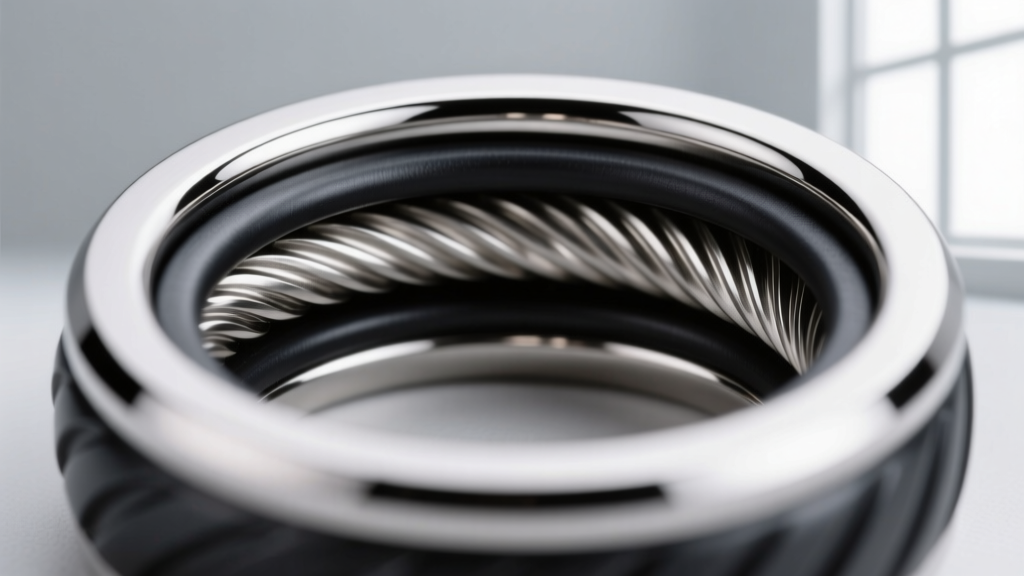
The Knuckle-to-Base Ratio
Men often have larger knuckles relative to the base of their fingers. A wide, flat-profile cremation ring will struggle to pass over the knuckle, leading the wearer to constantly twist and torque the ring. This repetitive torsional stress is the primary cause of cross-threading in micro-screws. Always opt for a comfort-fit (domed interior) profile for rings wider than 7mm, as the rounded inner edge reduces the surface area dragging across the knuckle.
Common Failure Modes
- Cross-Threading: Applying a threaded cap at a slight angle strips the soft metal insert. Always spin the cap counter-clockwise until you feel the threads "drop" into alignment before tightening clockwise.
- O-Ring Extrusion: Over-tightening the cap causes the O-ring to bulge out of its groove, compromising the waterproof seal and eventually snapping the gasket.
- Resin Delamination: In inlay rings, if the metal channel is not sandblasted or chemically etched prior to resin pouring, the epoxy will separate from the metal wall over time, creating a gap where moisture enters.
Maintenance and Long-Term Preservation
Proper maintenance of male cremation jewelry requires an understanding of both the metal and the seal. Ultrasonic jewelry cleaners are strictly prohibited for any piece featuring an O-ring or threaded seal. The high-frequency cavitation bubbles will degrade the elastomer gasket and can vibrate micro-screws loose, leading to catastrophic ash loss.
For routine cleaning, use a soft-bristled brush with a mild, phosphate-free dish soap and warm water. Avoid chlorine bleach and harsh abrasive polishes, which can degrade the Viton seals and scratch resin inlays. If the ring features a resin ash inlay, apply a micro-crystalline wax (like Renaissance Wax) every six months to protect the epoxy from micro-abrasions and maintain optical clarity.
Final Technical Recommendations
When investing in male cremation jewelry, prioritize the sealing mechanism and alloy grade over superficial design elements. A Grade 5 Titanium ring with a Viton-sealed threaded cap will outlast and outperform a hollow tungsten band with a friction plug. Demand transparency from jewelers regarding their O-ring materials and thread pitches, ensuring your memorial piece is engineered to endure a lifetime of daily wear.


