Munchel's Fine Jewelry Value Assessment: Is the Premium Worth It?
Discover if Munchel's Fine Jewelry justifies its price tag. We break down metal grades, diamond sourcing, and long-term value vs. online retailers.

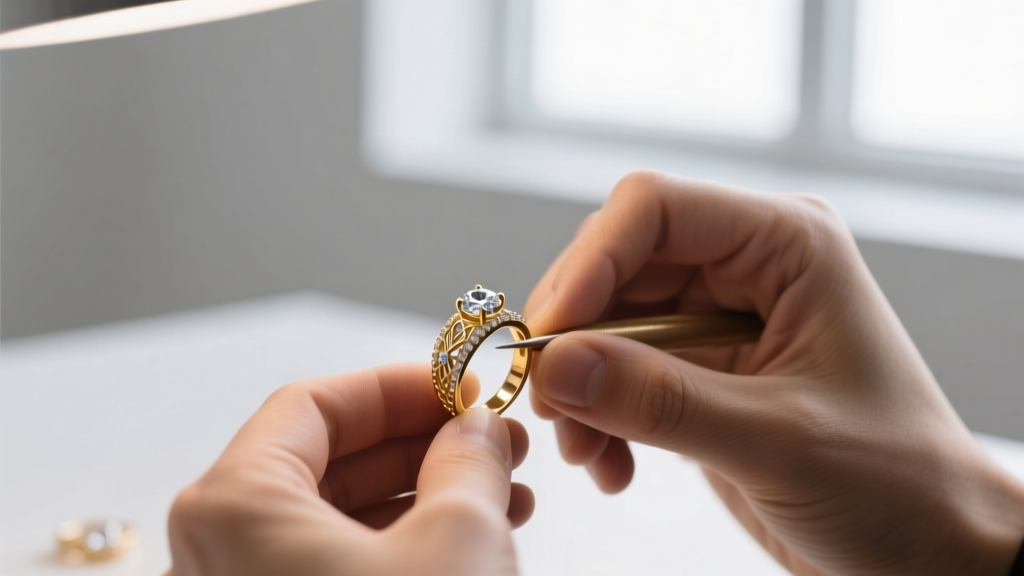
The Boutique Premium: What Are You Actually Paying For?
In the evolving landscape of 2026's jewelry market, the line between mass-produced luxury and true bench-made craftsmanship has never been more blurred. When collectors and buyers search for benchmark local artisans, names like Munchel's Fine Jewelry often surface as a standard for traditional, heirloom-quality fabrication. But for the budget-conscious consumer, a critical question remains: does the boutique premium actually translate to tangible value, or are you simply paying for overhead and a velvet box?
To conduct a proper budget and value assessment, we must strip away the marketing and examine the metallurgy, gemology, and structural engineering of fine jewelry. Evaluating a traditional fine jeweler against direct-to-consumer (DTC) online brands and mall-chain retailers requires a deep dive into material grades, setting techniques, and the hidden ROI of lifetime aftercare.
Material Breakdown: Alloys, Hardness, and Longevity
The foundation of any fine jewelry piece is its metal. While online retailers often push 14-karat gold as a durable, cost-effective standard, boutique jewelers typically favor 18-karat gold or 950 platinum. The difference in price is substantial, but the structural implications are profound.
- 14k Gold (58.5% Pure Gold): With a Vickers hardness (HV) of roughly 135, 14k gold is highly resistant to scratching but more prone to brittle snapping under extreme pressure due to its higher alloy content (copper, zinc, nickel).
- 18k Gold (75% Pure Gold): Softer (approx. 120 HV) but significantly more malleable. This malleability allows master jewelers to burnish and hand-set stones with tighter, more secure prong seals without the metal fatigue that plagues 14k alloys.
- 950 Platinum (95% Pure Platinum): The undisputed king of heirloom settings. While it scratches easily (developing a patina), platinum is incredibly dense and displaces rather than chips. A 1.2mm platinum prong will outlast a 1.2mm white gold prong by decades.
When assessing the value proposition of a boutique like Munchel's Fine Jewelry, you are often paying for the use of 950 platinum alloyed with ruthenium rather than iridium, which provides a superior grain structure for casting and hand-forging, ensuring the ring's shank won't warp over decades of daily wear.
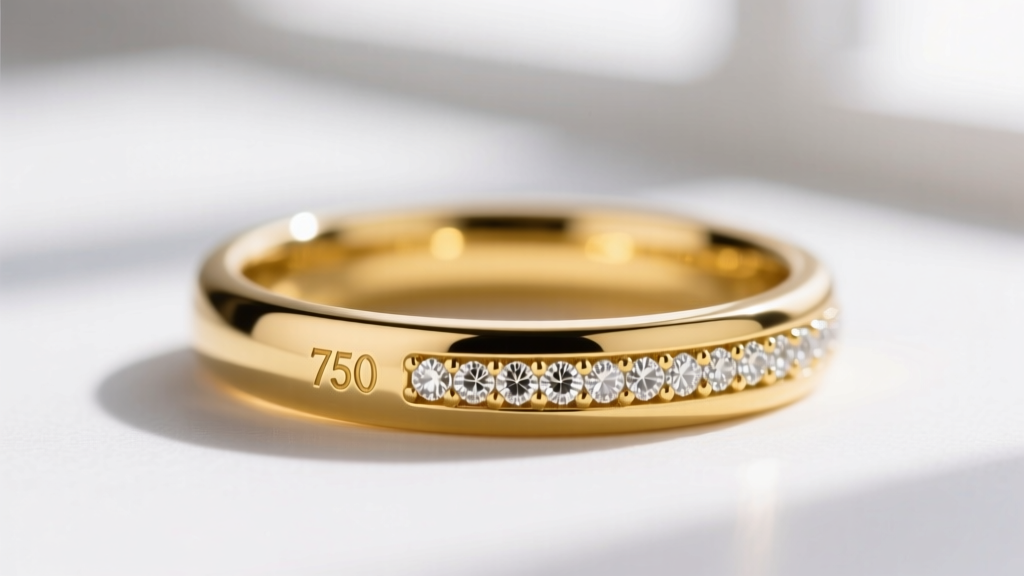
Diamond and Gemstone Sourcing: The Certification Gap
The most significant budget sink in any engagement ring or statement piece is the center stone. In 2026, the market is saturated with lab-grown diamonds, which has driven natural diamond prices down but simultaneously increased the importance of rigorous grading. Mass-market retailers frequently rely on in-house grading or lesser-known laboratories, which can inflate color and clarity grades by up to two tiers.
According to the Gemological Institute of America (GIA), natural diamonds graded by top-tier labs (GIA or AGS) hold their structural and resale value far better than those with uncertified or loosely certified pedigrees. A boutique fine jeweler justifies its higher price point by sourcing stones with optimal light performance (ideal cut proportions) rather than merely buying 'blind boxes' of near-colorless stones to hit a retail price point.
Furthermore, the melee diamonds (the small accent stones) used by high-end bench jewelers are typically VS clarity and F/G color. Mall brands often use SI1-SI2 clarity and J/K color melee, which can make the entire mounting look cloudy or yellowish, detracting from the center stone's brilliance.
Value Comparison: Boutique vs. Online vs. Mall Chain
To understand where your budget is actually going, consider this cost breakdown for a standard 1.5-carat round brilliant solitaire with a pave band in 2026:
| Feature | DTC Online Brand | National Mall Chain | Boutique Fine Jeweler |
|---|---|---|---|
| Estimated Price | $4,500 - $6,500 | $8,000 - $12,000 | $9,500 - $15,000 |
| Center Stone Cert | IGI / GCAL (Lab) or GIA | GIA / IGI / In-House | Strictly GIA / AGS |
| Melee Quality | SI / G-H (Commercial) | I1-I2 / J-K (Promotional) | VS / F-G (Premium) |
| Setting Method | Mass Cast / Automated | Cast / Hand-assembled | Hand-forged / Custom CAD |
| Long-Term Aftercare | Mail-in (Fee-based) | Store credit / Paid plans | Lifetime in-house bench |
Craftsmanship: Cast Porosity vs. Hand-Forged Integrity
The structural integrity of a ring is where the true value assessment separates the masters from the factories. Most commercial jewelry is cast using the lost-wax method in large batches. While efficient, this process can introduce microscopic porosity—tiny air bubbles trapped inside the metal. Over time, a porous ring shank can crack or snap when resized or subjected to blunt force.
As highlighted by industry standards from Jewelers of America, bench-made jewelry often utilizes die-striking or hand-forging techniques. By physically compressing the metal through hammering and rolling, the jeweler aligns the crystalline grain structure, increasing the metal's density and tensile strength. When you invest in a piece from a dedicated local artisan, you are paying for the hours spent at the bench filing, sanding, and burnishing the metal to a mirror finish, ensuring that prongs are not just pushed over the stone, but seamlessly integrated into the mounting.
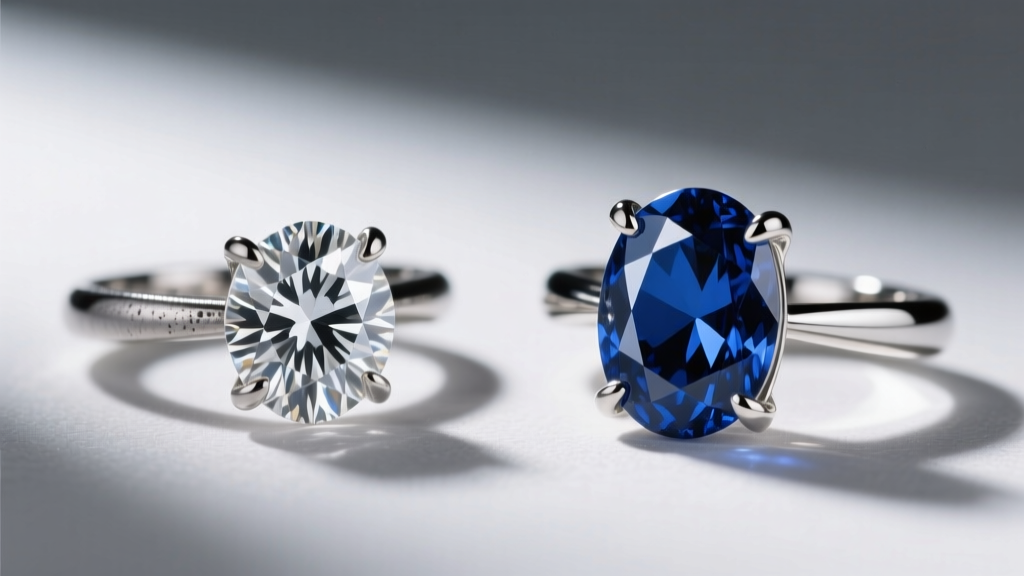
The Hidden ROI: Aftercare, Sizing, and Heirloom Maintenance
The most overlooked factor in a jewelry budget assessment is the cost of ownership over a 30-year timeline. Fine jewelry requires maintenance. Rhodium plating for white gold, prong re-tipping, shank sizing, and ultrasonic cleaning are recurring expenses.
Online retailers and mall chains typically outsource repairs to centralized facilities, resulting in shipping delays, insurance risks, and per-service fees that can total hundreds of dollars over a decade. Conversely, the premium paid upfront to a boutique establishment includes access to an in-house master jeweler. The ability to walk into a store, have a prong tightened in five minutes while you wait, and receive complimentary lifetime ultrasonic cleanings and annual structural inspections represents a massive, often unquantified return on investment.
Final Verdict: Budgeting for Generational Pieces
Is the premium associated with established local artisans and benchmark retailers justified? If your goal is to purchase a disposable fashion accessory or a piece you plan to wear for only a few years, the DTC online market offers undeniable short-term budget efficiency. However, if you are commissioning an engagement ring, an anniversary band, or a generational heirloom meant to survive decades of daily wear, the value assessment heavily favors the boutique model.
By prioritizing premium alloy compositions, strictly certified gemstones, and structurally superior hand-forged settings, you are not merely buying jewelry; you are funding the time, expertise, and lifetime infrastructure required to keep that piece intact for the next generation. When evaluating your budget, allocate funds away from fleeting brand-name markups and redirect them toward the metallurgical and gemological integrity that only a dedicated fine jewelry bench can provide.


