Luxury Jewelry Packaging: A Buyer's Guide for Fine Jewelers
Discover what defines luxury jewelry packaging. This buyer's guide covers material grades, anti-tarnish interiors, and sustainable sourcing for fine jewelers.

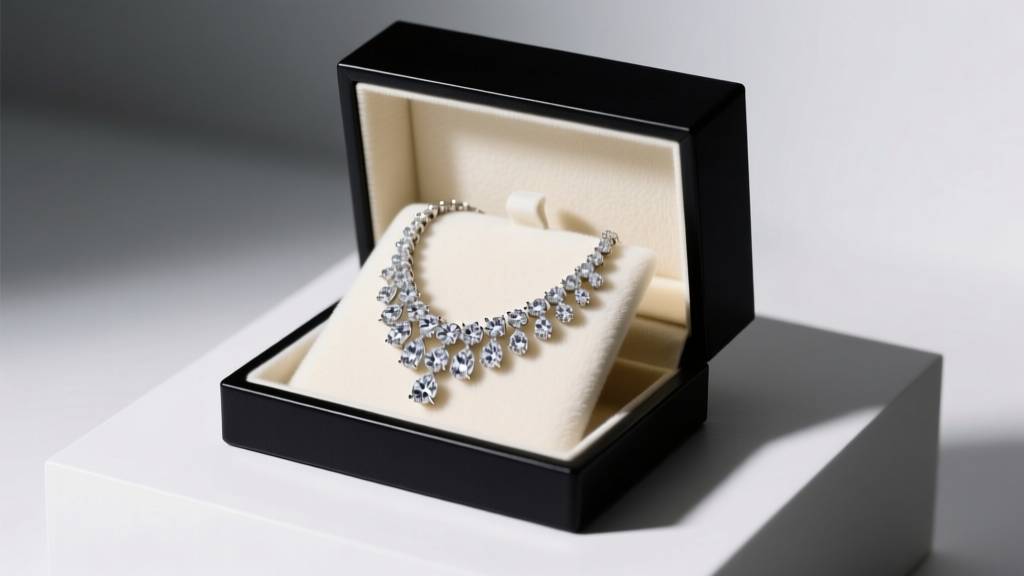
In the realm of fine and fashion jewelry, the unboxing experience is not merely an afterthought; it is the first physical touchpoint a client has with your brand. For independent designers, boutique owners, and heritage houses, sourcing the right luxury jewelry packaging is a critical investment in brand equity. A poorly constructed box can diminish the perceived value of a flawless VVS diamond, while a meticulously engineered presentation case can elevate a modest demi-fine piece into a cherished heirloom. This comprehensive buying guide dissects the material science, structural engineering, and sustainable innovations that define top-tier jewelry packaging in 2026.
The Anatomy of High-End Presentation: Substrates and Shells
The foundation of any premium jewelry box is its structural core. In the luxury tier, flimsy folding cartons are entirely discarded in favor of rigid setup boxes. These are constructed using high-density greyboard or medium-density fiberboard (MDF).
Greyboard vs. MDF Cores
- High-Density Greyboard: The industry standard for luxury rigid boxes. Buyers should specify a minimum weight of 1200 GSM to 1500 GSM (roughly 2.0mm to 2.5mm in thickness). This provides a satisfying heft and prevents the box from warping under varying humidity levels.
- MDF Wood: Reserved for ultra-high-end bespoke pieces or watch boxes. MDF allows for piano-gloss finishes, velvet wrapping, and complex routed shapes, but it is significantly heavier and more expensive to ship.
Exterior Wrapping Materials
The outer skin of the box dictates its tactile appeal. While 157 GSM coated art paper with a soft-touch matte lamination is common in the mid-tier, true luxury demands specialty stocks. Look for uncoated, textured papers like GF Smith Colorplan (up to 700 GSM), book cloth, or vegan leather (polyurethane with a microfiber base). Debossing and blind-stamping on these materials create a subtle, sophisticated branding effect that foil stamping often overpowers.
Interior Flocking and Anti-Tarnish Technologies
The interior of the packaging must serve a dual purpose: aesthetic presentation and chemical protection. Fine metals, particularly sterling silver and copper alloys, are highly susceptible to oxidation. According to the Gemological Institute of America (GIA), proper storage in anti-tarnish environments is crucial for maintaining the luster of precious metals and the integrity of porous gemstones like pearls and opals.
Interior Material Comparison Matrix
| Material | Aesthetic Profile | Tarnish Resistance | Best Use Case |
|---|---|---|---|
| Velour | Classic, plush, traditional luxury | Low (requires anti-tarnish strips) | Gold, platinum, and bridal sets |
| Microfiber Suede | Modern, matte, fingerprint-resistant | Medium | Demi-fine, everyday wear, minimalist brands |
| Pacific Silvercloth | Utilitarian, soft flannel texture | Extremely High (embedded inhibitors) | Heirloom silver, antique pieces, long-term storage |
| Alcantara | Automotive-grade, ultra-premium grip | High (synthetic, non-reactive) | High jewelry, bespoke horology, limited editions |
Pro-Tip: If utilizing standard velour or EVA foam inserts, always integrate 3M Anti-Tarnish strips or Intercept Technology copper-infused polymer tabs hidden beneath the flocking to neutralize atmospheric sulfur.
Hardware and Closure Mechanisms: The Sound of Luxury
Sensory branding extends to the auditory feedback of opening a box. The "soft-close" suction effect found in high-end automotive engineering has been adapted for luxury jewelry packaging. This is achieved through precise magnet grading and hidden hinge mechanisms.
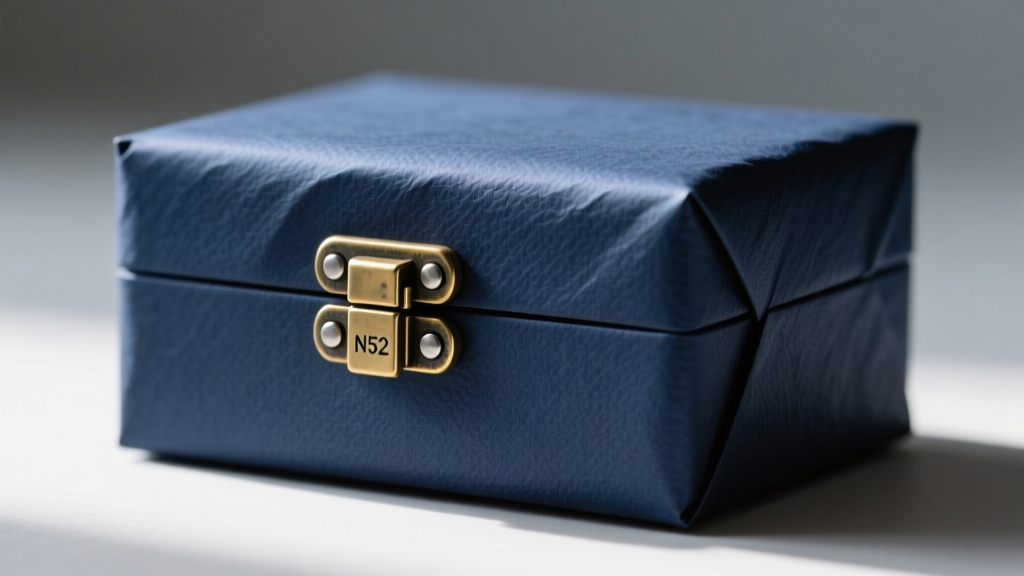
- Magnet Grading: Do not settle for generic ferrite magnets. Specify N52 grade neodymium magnets. These rare-earth magnets provide a strong, secure hold that keeps the box closed during transit, yet allows for a smooth, controlled release when opened.
- Hinge Engineering: Exposed piano hinges are largely outdated in fine jewelry. Opt for hidden brass hinges or flexible book-binding tape (like Tyvek) reinforced with fabric. Brass is preferred over steel as it resists rust, ensuring the hinge mechanism does not degrade or stain the interior wrapping over decades of use.
Sustainable Luxury: The Modern Sourcing Standard
By 2026, sustainability is no longer a niche selling point; it is a baseline expectation for conscious consumers and regulatory compliance in global markets. The Forest Stewardship Council (FSC) certification is the minimum requirement for any paper-based luxury packaging, ensuring that the virgin fibers used in rigid boxes and wrapping papers are sourced from responsibly managed forests.
Beyond Paper: Insert Innovations
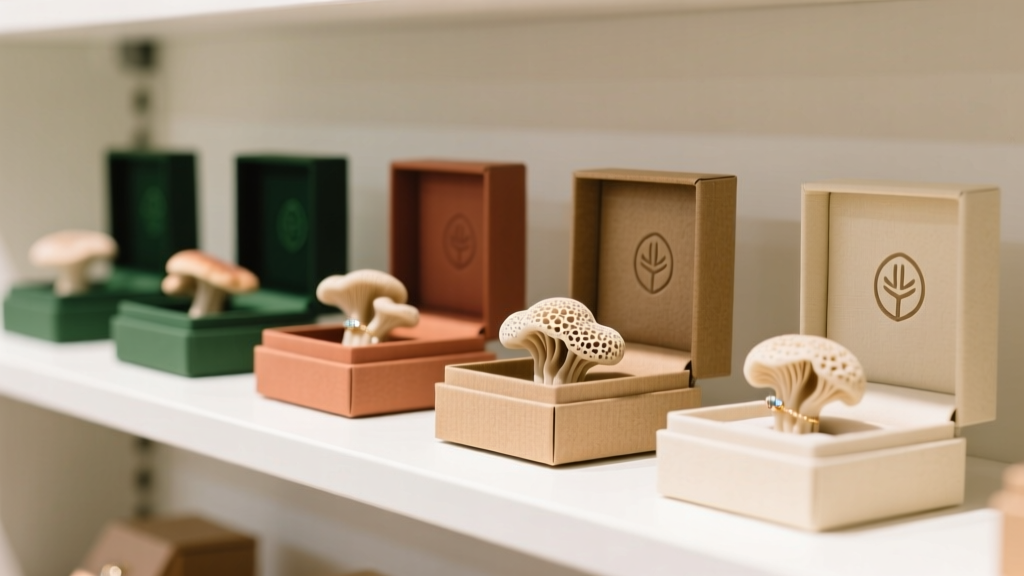
Historically, jewelry inserts were die-cut from EVA (ethylene-vinyl acetate) foam, a petroleum-based plastic that takes centuries to degrade. Today's luxury sector is pivoting toward bio-fabricated alternatives:
- Mycelium Packaging: Grown from mushroom roots and agricultural waste, mycelium can be molded into custom, shock-absorbent inserts that perfectly cradle a necklace or ring. It is 100% home-compostable and offers a unique, earthy narrative for eco-conscious fine jewelers.
- Molded Bagasse: Made from sugarcane pulp, high-density molded bagasse can be flocked or wrapped in recycled suede, offering a rigid, plastic-free alternative to traditional foam bases.
Pricing Tiers and Sourcing Strategies
Understanding the cost structure of luxury packaging is vital for maintaining healthy profit margins. Below is a breakdown of what to expect when sourcing from premium manufacturers (typically based in Southern China, Italy, or specialized US/EU boutiques).
| Tier | Specifications | Estimated Unit Cost | Typical MOQ |
|---|---|---|---|
| Stock / Semi-Luxury | Standard sizes, 800 GSM board, basic velour, hot-foil logo | $4.00 - $9.00 | 300 - 500 units |
| Custom Premium | 1200 GSM board, custom sizing, microfiber suede, N52 magnets, debossing | $14.00 - $28.00 | 1,000 - 2,000 units |
| Bespoke Haute | MDF or wood core, Alcantara interior, brass hidden hinges, hand-finished | $45.00 - $120.00+ | 500 - 1,000 units |
Sourcing Advice: Always request a "white sample" (a blank, unprinted structural prototype) before approving the final production run. This allows you to test the magnet strength, hinge durability, and insert fitment with your actual jewelry pieces without risking the cost of a full printed run.
The Final Buyer's Checklist
Before signing off on your packaging purchase order, run through this critical quality assurance checklist:
- Weight and Balance: Does the box feel substantial? Is the base heavier than the lid to prevent tipping when the lid is removed?
- Odor Test: Smell the interior. Cheap adhesives and off-gassing plastics can transfer chemical odors to porous gems and degrade pearls. Ensure water-based, eco-friendly glues are specified in your contract.
- Clearance Check: Place your largest statement piece (e.g., a chunky chain or a high-profile cocktail ring) inside the box. Close the lid slowly to ensure the jewelry does not press against the lid, which can bend prongs or scratch stones over time.
- Edge Finishing: Run your finger along the interior seams. The paper or fabric wrapping should be folded and glued seamlessly, with no raw edges or visible adhesive residue.
Investing in meticulously engineered luxury jewelry packaging is a direct investment in your brand's perceived value. By prioritizing dense substrates, reactive-safe interiors, and sustainable material innovations, you ensure that the vessel holding your creations is as remarkable as the art inside.


