Troubleshooting Cove Fine Jewelry: Repair & Care Guide
Learn how to troubleshoot, clean, and repair Cove Fine Jewelry. Expert fixes for delicate prongs, organic gemstones, and micro-chain tangles.

The Delicate Dilemma of Coastal-Inspired Fine Jewelry
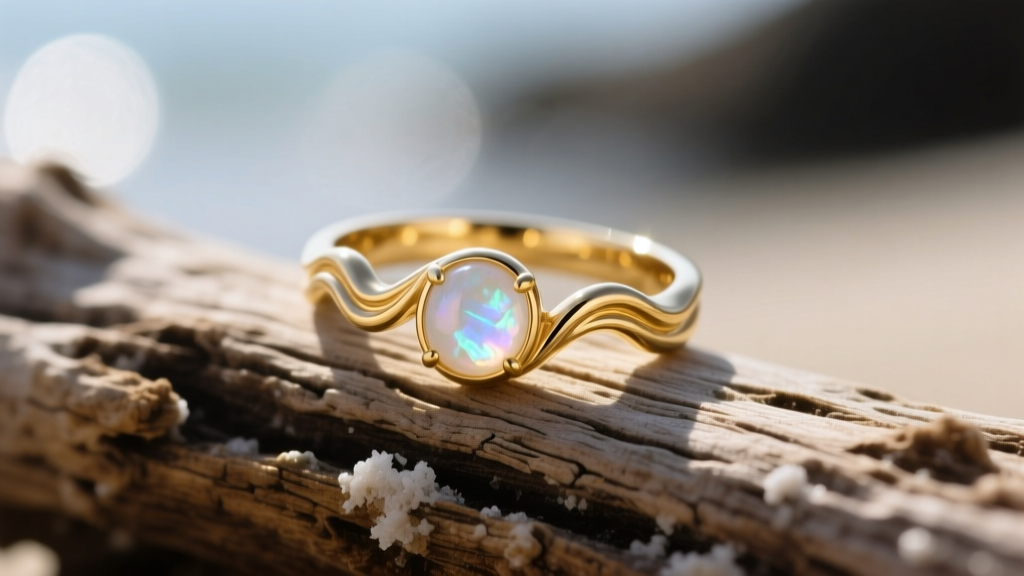
Cove Fine Jewelry has carved out a distinct niche in the market by blending organic, coastal-inspired motifs with the enduring luxury of solid 14k and 18k gold. From undulating wave-shaped bands to bezel-set sea glass and delicate pearl drops, these pieces are masterclasses in nature-inspired design. However, the very elements that make these designs breathtaking—fluid lines, micro-pavé accents, and organic gemstones—also introduce unique structural vulnerabilities. Troubleshooting issues with Cove Fine Jewelry requires moving beyond generic cleaning cloths and understanding the metallurgy and gemology at play. Whether you are dealing with a snagged micro-prong on a shell-motif ring or a clouded Akoya pearl, this comprehensive guide provides bench-level troubleshooting frameworks to restore your pieces to their original brilliance.
Issue 1: Organic Gemstone Clouding and Nacre Degradation
Coastal-themed fine jewelry frequently incorporates organic gemstones like pearls, mother-of-pearl, and opals. Unlike crystalline stones (such as diamonds or sapphires) that rank high on the Mohs hardness scale, pearls rank at a mere 2.5 to 4.5, and opals sit between 5.5 and 6.5. This makes them exceptionally susceptible to chemical degradation from everyday coastal and summer environments.
The Science of Nacre and Hydration Loss
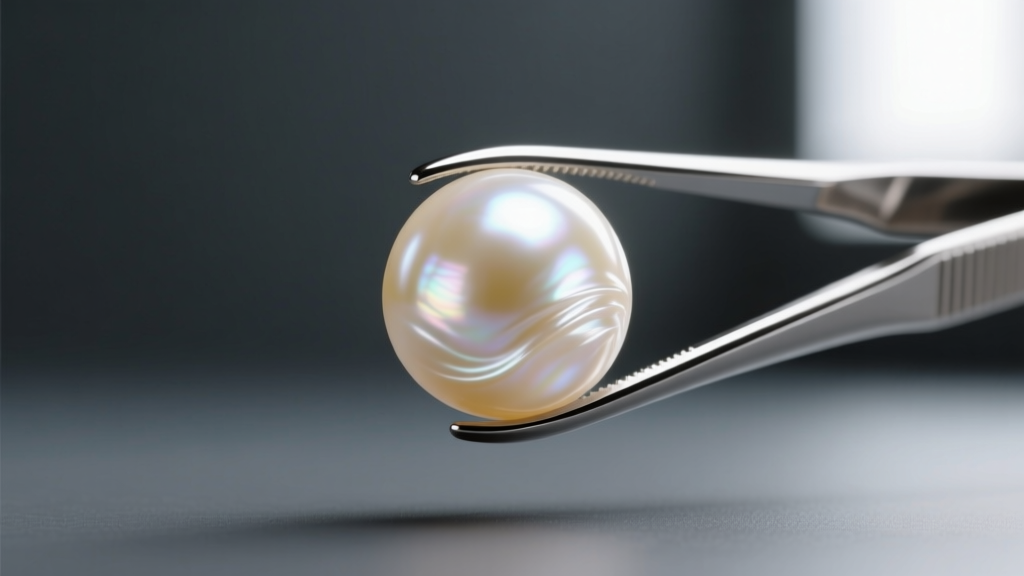
Pearls are composed of nacre—microscopic aragonite platelets bound by conchiolin, an organic protein. When exposed to the acidic pH of human sweat, the harsh chemicals in aerosol sunscreens, or the abrasive nature of dried saltwater, the conchiolin breaks down. This results in a dull, chalky appearance known as nacre etching. Opals, conversely, contain up to 20% water. Exposing opal jewelry to dry, heated environments or rapid temperature changes can cause 'crazing'—a network of microscopic internal fractures that permanently clouds the stone's play-of-color.
Step-by-Step Recovery Protocol
If your Cove Fine Jewelry pearl or opal piece has lost its luster, avoid commercial jewelry dips at all costs. According to the Gemological Institute of America (GIA), ultrasonic cleaners and ammonia-based solutions will instantly destroy organic gems. Instead, follow this bench-safe recovery method:
- For Pearls: Mix one cup of distilled water with two drops of pH-neutral Castile soap. Dampen a microfiber cloth (never submerge the silk thread or gold settings) and gently wipe the pearl in a circular motion. Buff dry immediately with a clean, untreated chamois cloth.
- For Opals: If an opal looks slightly dull due to surface oils, wipe it with a damp cloth. If it has been exposed to extreme dry heat, place the jewelry in a sealed plastic bag with a slightly damp (not wet) cotton ball for 24 hours to allow the stone to slowly reabsorb ambient moisture.
Issue 2: Snagging in Organic Micro-Prong Settings
Cove Fine Jewelry often utilizes flowing, asymmetrical designs that mimic ocean currents and shells. To maintain these fluid aesthetics, jewelers frequently use micro-prongs or V-prongs set in 14k gold. While 14k gold (58.5% pure gold alloyed with copper, silver, and zinc) offers excellent durability, prongs thinner than 0.8mm can easily catch on knitwear, towels, or hair, leading to lifted settings and lost accent stones.
The 10x Loupe Inspection Method
Do not wait for a stone to fall out. Troubleshooting prong integrity requires a 10x Hastings triplet loupe. Hold the jewelry exactly one inch from the lens under bright, direct LED light. Look for the 'light gap'—if you can see a sliver of light between the tip of the gold prong and the crown of the gemstone, the prong is lifted.
The Floss Test: Gently drag a piece of unwaxed dental floss across the setting. If the floss catches or shreds, a prong has burrs or is lifted more than 0.5mm. While you can sometimes use a wooden peg to gently press a slightly lifted bezel wall back against a cabochon, micro-prongs require laser welding by a professional bench jeweler to avoid crushing the delicate accent diamonds or sapphires.
Troubleshooting Matrix: Quick Reference Guide
Use this diagnostic table to quickly identify the root cause of common issues and determine whether a DIY fix is safe or if professional intervention is required.
| Symptom | Root Cause | DIY Action | Bench Jeweler Required? |
|---|---|---|---|
| Cloudy Pearl / Chalky Nacre | Acidic sweat, sunscreen, or saltwater etching | Wipe with distilled water and pH-neutral soap | No (unless nacre is stripped to the nucleus) |
| Chain Snapping at the Clasp | Work-hardening of the 14k gold jump ring | None; do not attempt to pull the ring closed | Yes (requires laser soldering) |
| Snagging on Fabric | Lifted micro-prong or burr on a cast shell motif | Perform the floss test to locate the exact prong | Yes (requires prong re-tipping) |
| Dull Moonstone / Opal | Surface oil buildup or minor dehydration | Gentle wipe with a damp microfiber cloth | No |
Issue 3: Micro-Chain Breakage and Knotting
To complement delicate pendants, Cove Fine Jewelry typically employs 14k gold cable, box, or rope chains ranging from 0.8mm to 1.2mm in width. While visually stunning, chains under 1.0mm are highly prone to tangling and micro-breaks, particularly at the jump rings connecting the lobster clasp.
The Baby Powder Untangling Trick
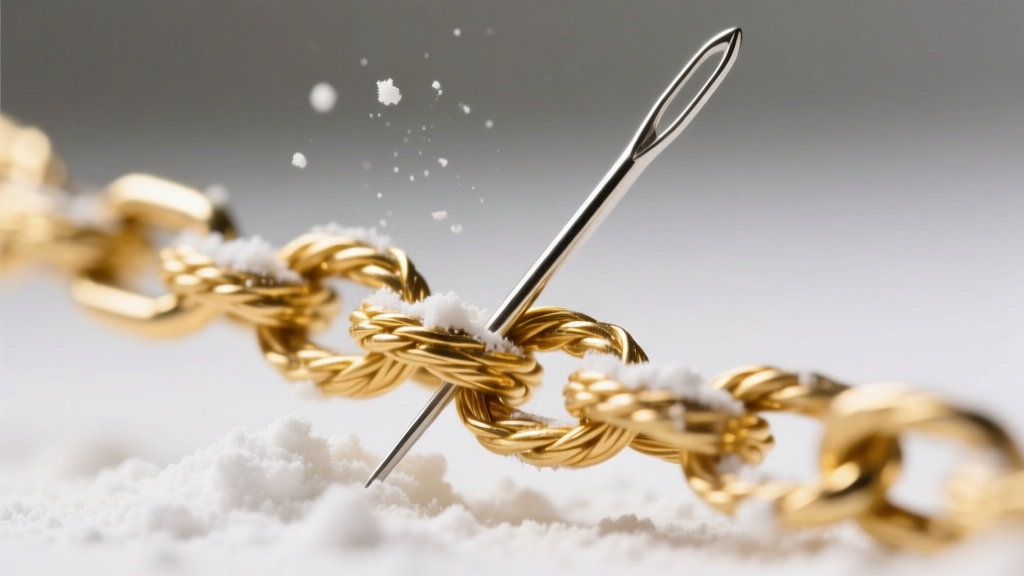
When a 0.9mm chain knots upon itself, the friction between the gold links makes it nearly impossible to pull apart with fingers. Never use tweezers to yank a knot tight. Instead, lay the chain flat on a hard, dark surface. Apply a generous dusting of talc-free baby powder or cornstarch over the knot. The powder acts as a dry lubricant, eliminating the metal-on-metal friction. Using two fine sewing needles, gently work the center of the knot outward. The links will slide apart with minimal tension.
Understanding Soldering Limits
If your chain has snapped, be aware that traditional torch soldering can melt the adjacent links on chains thinner than 1.0mm. According to Jewelers of America, modern bench jewelers use laser welders for micro-chains. Laser welding focuses a microscopic beam of heat, fusing the gold without heating the surrounding links, preserving the structural integrity and flexibility of your delicate Cove Fine Jewelry chain.
Preventative Maintenance for Coastal Fine Jewelry
The best troubleshooting strategy is proactive maintenance. Because coastal-inspired pieces often feature textured gold (like sandblasted or hammered finishes) that can trap lotions and dead skin cells, a weekly cleaning routine is essential. Use a soft-bristled baby toothbrush dipped in warm water and a drop of mild dish detergent to gently agitate the crevices of shell and wave motifs. Rinse thoroughly in a bowl of clean water—never directly over an open sink drain—and pat dry with a lint-free cloth. By understanding the specific material science behind your jewelry, you can ensure your Cove Fine Jewelry pieces remain as timeless and resilient as the ocean that inspired them.