Identifying Pictures of Costume Jewelry Worth Money for Gifting
Learn how to spot valuable vintage designer pieces using pictures of costume jewelry worth money, and match them to perfect gifting occasions.

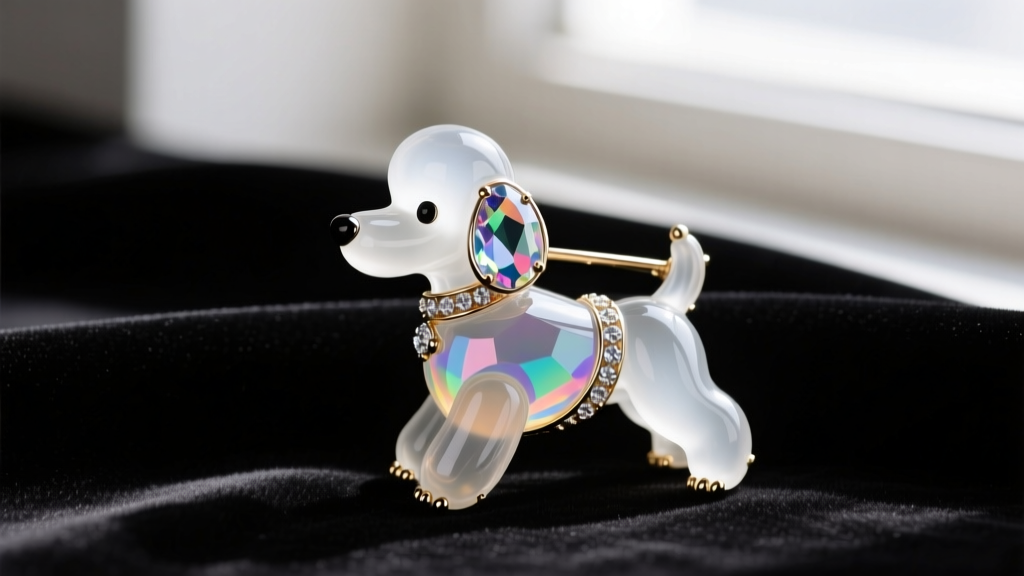
The Art of Gifting High-Value Vintage Costume Jewelry
In 2026, the most thoughtful gifts are those that carry a sense of history, sustainability, and unmatched craftsmanship. While fine jewelry often dominates the luxury gifting conversation, high-end vintage costume jewelry has quietly become a premier category for collectors and style connoisseurs. Pieces from mid-century powerhouses like Trifari, Miriam Haskell, and Schreiner offer intricate artistry that rivals fine jewelry, often at a fraction of the cost of their gemstone counterparts. However, the secondary market is flooded with mass-produced reproductions. For the discerning gifter, knowing how to evaluate authenticity and value is paramount.
When browsing estate sales, online auctions, or vintage dealer catalogs, studying pictures of costume jewelry worth money can help you distinguish a $50 bauble from a $5,000 collectible. This guide will teach you how to decode visual cues in photographs, identify hallmark designer traits, and perfectly match these historical treasures to meaningful gifting occasions.
Decoding Visual Cues: What Makes Costume Jewelry Valuable?
Unlike fine jewelry, where value is largely dictated by the intrinsic worth of precious metals and gemstones, costume jewelry derives its value from design, rarity, brand heritage, and construction quality. When you are limited to evaluating items through photographs, you must know exactly what to zoom in on.
The Clasp and Hardware Tell
The hardware on a piece of vintage jewelry is often the most reliable indicator of its age and authenticity. In pictures, always request a macro shot of the clasp. A genuine 1940s piece should feature a roll-over safety clasp or a simple barrel clasp. If you see a modern lobster claw clasp on a piece advertised as Art Deco, it has either been heavily altered or is an outright reproduction. Furthermore, look for patent numbers stamped near the clasp; cross-referencing these numbers with historical patent databases can instantly verify a piece's provenance.
Rhinestone and Enamel Construction
High-value vintage costume jewelry rarely uses glued-in stones. When examining pictures, look for prong-set rhinestones. Foil-backed stones should show no signs of moisture damage or blackening, which indicates the foil has deteriorated. For enameled pieces, look for the depth and translucency of the guilloché technique—a hallmark of high-end mid-century manufacturing that is incredibly difficult and expensive to replicate today.
Top Designer Brands to Look For (With Visual Cues)
To streamline your gifting search, focus on the "Big Four" of collectible vintage costume jewelry. Below is a breakdown of what to look for when analyzing pictures of costume jewelry worth money from these elite houses.
| Designer | Peak Era | Key Visual Hallmarks in Photos | 2026 Market Value Range |
|---|---|---|---|
| Trifari | 1940s–1950s | Crown over the 'T' mark; carved Lucite 'Jelly Bellies'; pave-set rhinestones. | $800 – $6,000+ |
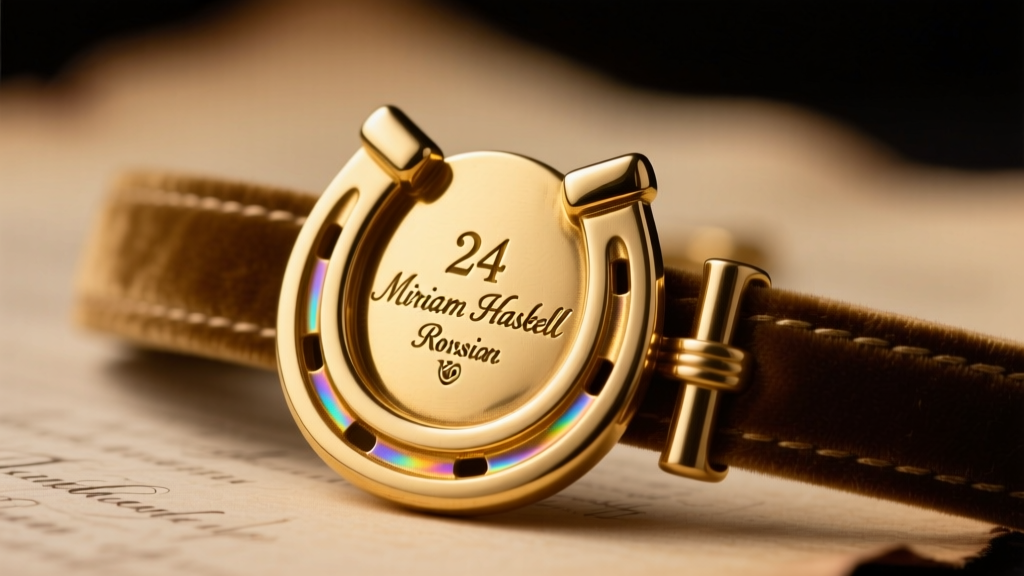
| Miriam Haskell | 1930s–1960s | Horseshoe mark; intricate wirework wrapping stones; matte 'Russian Gold' plating. | $400 – $3,500 |
| Schreiner | 1950s–1960s | Inverted stones (culet facing out); jagged 'dog-tooth' prongs; hook-and-eye clasps. | $600 – $4,000 |
| Chanel (Vintage) | 1970s–1980s | Gripoix poured glass cabochons; specific copyright marks post-1971; CC interlocking logo. | $1,200 – $5,500 |
Spotting the Fakes: Red Flags in Photographs
Not all pictures tell the truth. Be highly skeptical of listings where the hallmark is airbrushed, blurred, or photographed from an extreme distance. According to authentication experts at Ruby Lane, a reputable vintage marketplace, sellers of genuine high-end costume jewelry will always provide clear, well-lit macro photography of the maker's mark. Additionally, look for glue residue around the edges of rhinestones; elite makers like Schreiner and Trifari used precise metal prongs, not industrial adhesives.
Matching Valuable Costume Pieces to the Right Occasion
A vintage piece is more than an accessory; it is a conversation starter. Matching the historical context and aesthetic of the jewelry to the recipient's milestone elevates the gift from beautiful to deeply meaningful.
- The "Something Old" Wedding Gift: Skip the modern pearl studs and opt for a pair of Coro Duette dress clips. Patented in 1931, these ingenious pieces can be worn separately on a neckline or joined together on a mechanism to form a single brooch. In pictures, look for the specific Coro patent mechanism on the back. It is a brilliant metaphor for two individuals joining as one.
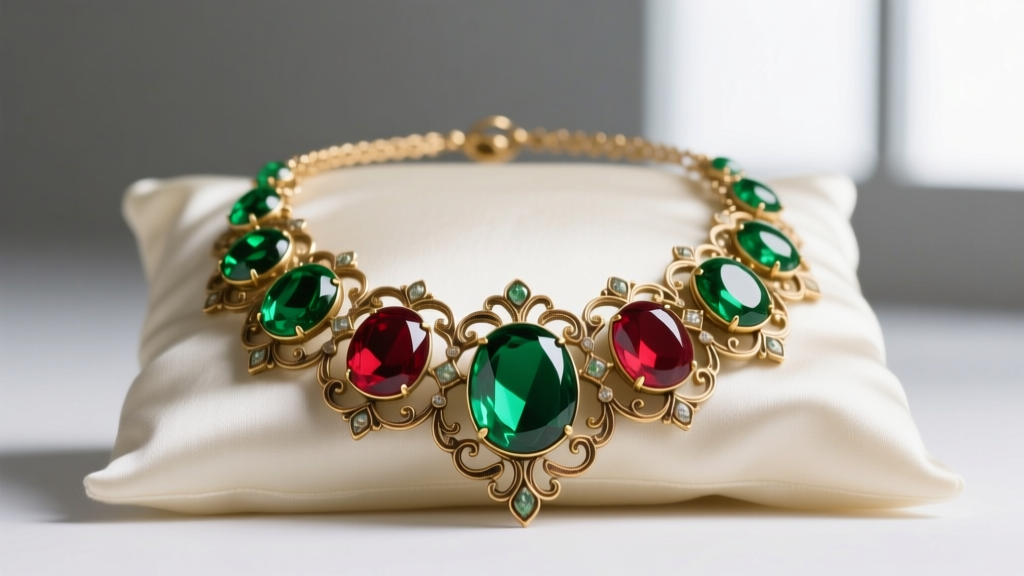
- The 35th Coral Anniversary: Natural coral is heavily restricted and ethically fraught. Instead, gift a vintage Chanel Gripoix necklace. The Gripoix family created a proprietary method of pouring molten glass directly into metal settings, resulting in faux coral and emerald pieces that possess a luminous, jelly-like depth that real stones lack. When viewing pictures, Gripoix glass will have tiny, intentional bubbles and a poured, organic look rather than the sharp facets of cut glass.
- The Milestone Career Promotion: Celebrate a leap to the C-suite with a bold Dior by Kramer statement necklace from the 1960s. Kramer manufactured for Dior before taking over their own lines. Look for pieces that feature the "Dior" stamp alongside the "Kramer" maker mark. These pieces feature aggressive, architectural gold-tone designs that project power and vintage sophistication in a modern boardroom.
- The Art Lover's Birthday: Seek out Art Deco Weiss or Eisenberg Original brooches. Eisenberg pieces from the 1930s are famous for their heavy, oversized Austrian rhinestones. In photographs, these stones will look incredibly bright and reflective, often dwarfing the metal setting itself.
Authentication and Sourcing Tips for the Modern Gifter
Sourcing high-value vintage costume jewelry requires a strategic approach. While local estate sales can yield hidden gems, the digital marketplace offers access to global archives. Platforms like 1stDibs curate vetted dealers who provide the high-resolution pictures necessary to verify hallmarks and stone conditions. For price verification, utilize auction archives on Invaluable to see what similar pieces have actually sold for at auction, rather than relying solely on retail asking prices.
"The true value of vintage costume jewelry lies in its survival. These pieces were worn, loved, and preserved through decades of shifting trends. When you gift a verified piece, you are gifting a surviving fragment of design history."
Condition vs. Value: What is Acceptable?
When analyzing pictures, understand the difference between "damage" and "patina." Missing rhinestones significantly devalue a piece and should be avoided for gifting unless the recipient is a restorer. However, a slight darkening of the metal on a Trifari piece, or the gentle wearing of the gold wash on the high points of a Miriam Haskell bracelet, is considered acceptable patina that proves the piece's age. Do not attempt to polish vintage Russian gold plating; it is a delicate 24k wash over brass that will strip away if cleaned with modern chemicals.
Conclusion: The Thought and History Behind the Gift
Gifting high-end vintage costume jewelry requires a keen eye and a deep appreciation for mid-century artistry. By learning to critically evaluate pictures of costume jewelry worth money, you protect yourself from reproductions and ensure your gift carries genuine historical and financial weight. Whether it is the whimsical charm of a Trifari Jelly Belly or the opulent poured glass of a Chanel Gripoix, these pieces offer a unique, sustainable, and deeply personal alternative to traditional fine jewelry, making them the ultimate gesture for life's most significant occasions.


