Troubleshooting and Restoring Italian Luxury Jewelry
Discover expert troubleshooting tips for authenticating, repairing, and maintaining heritage Italian luxury jewelry from top maisons.

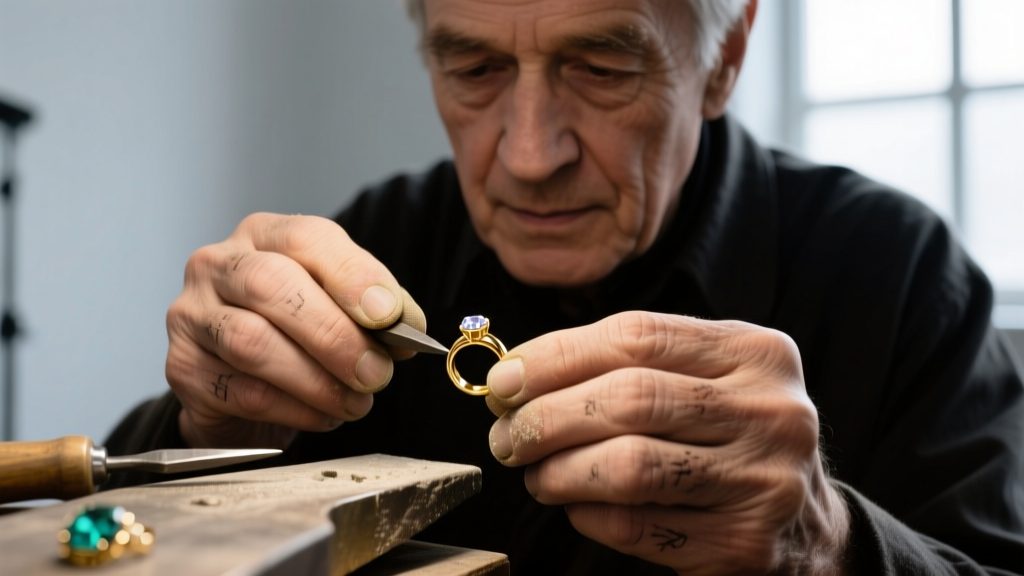
The Unique Metallurgy and Craftsmanship of Italian Maisons
When troubleshooting and restoring heritage pieces, understanding the foundational metallurgy of italian luxury jewelry is critical. Unlike standard American or Asian 18-karat gold alloys, traditional Italian 750 (18k) yellow gold typically utilizes a precise ratio of 75% pure gold, 12.5% silver, and 12.5% copper. However, legacy maisons like Damiani and Roberto Coin often tweak this copper-to-silver ratio to achieve a distinct, warmer "honey" hue.
The primary problem jewelers face when repairing these pieces is color-mismatching during soldering. If a bench jeweler uses standard US 18k yellow gold solder on a vintage Bulgari or Buccellati piece, the repair seam will cure with a noticeably pale, greenish-yellow cast. To troubleshoot this, master jewelers must custom-alloy their solder or source specialized European-formula laser wire to ensure the copper oxidation matches the original Italian casting. Furthermore, many mid-century Italian pieces feature mixed-metal constructions (such as steel and gold) that completely preclude traditional torch soldering, requiring cold-connection repairs or precision laser welding.
Troubleshooting Common Damage in Iconic Italian Designs
Each major Italian house employs proprietary construction techniques that introduce unique failure modes. Identifying these specific vulnerabilities is the first step in effective restoration.
Buccellati’s Rigato Engraving: Polishing Disasters
Buccellati is world-renowned for its Rigato (silk effect) engraving, achieved by cutting thousands of microscopic parallel lines into the gold with a specialized burin. The most common troubleshooting scenario occurs when an owner takes a scratched Buccellati ring to a standard mall jeweler for "polishing." A standard polishing wheel will instantly erase the Rigato texture, leaving a flat, mirror-finish disaster.
The Fix: Never allow a buffing wheel to touch textured Italian gold. Deep scratches in Rigato, Telato (linen), or Segrinato (velvet) engravings must be addressed via laser welding to fill the gouge, followed by meticulous hand re-engraving using a pneumatic graver to match the exact line density (often exceeding 100 lines per centimeter) of the surrounding metal.

Pomellato Nudo Rings: Gemstone Chipping and Prong Wear
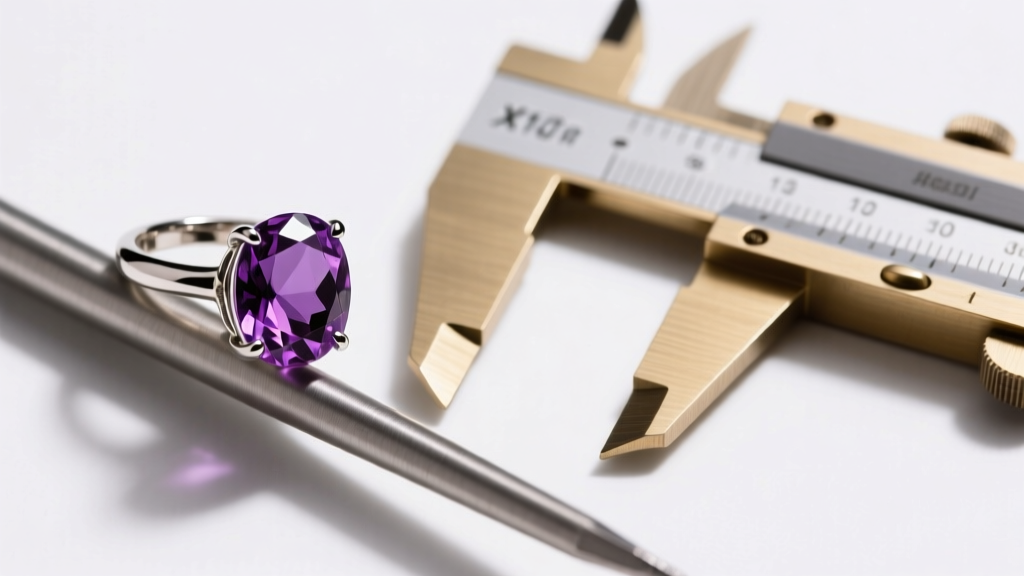
The Pomellato Nudo collection features a "naked" setting where the gemstone's girdle is largely exposed, held by minimal, low-profile prongs. Because these rings frequently feature heat-treated amethyst, blue topaz, or quartz, the exposed girdles are highly susceptible to chipping from daily impact against hard surfaces. According to the Gemological Institute of America (GIA), while amethyst is a 7 on the Mohs scale, its cleavage planes and treated inclusions make the girdle a critical weak point.
The Fix: If a Nudo stone is chipped, traditional re-tipping of the prongs will not hide the damage. The stone must be replaced. Because Pomellato uses highly specific, often custom-calibrated cushion cuts (frequently 9x9mm or 11x11mm), a lapidary must source a precision-cut replacement that matches the exact millimeter footprint and depth to ensure the minimalist prongs can secure the new stone without altering the ring's silhouette.
Bulgari Tubogas: Articulated Band Snapping
The Bulgari Tubogas design relies on interlocking bands of gold or steel that are wrapped around a core without the use of solder, held together entirely by mechanical tension. The most frequent failure mode is lateral bending. If a wearer bends the bracelet or ring sideways (rather than flexing it naturally along its hinge points), the internal tension mechanism snaps, causing the bands to unspool.
The Fix: Tubogas cannot be soldered back together. Repair requires complete disassembly, straightening the warped internal core on a specialized steel mandrel, and meticulously re-wrapping the interlocking bands using nylon-jawed pliers to prevent marring the high-polish exterior.
Authentication Red Flags: Spotting Superfakes in 2026
The secondary market for italian luxury jewelry is currently flooded with high-tier "superfakes" that replicate weight, dimensions, and even diamond quality. However, authentication troubleshooting relies heavily on examining the Italian hallmarking system, which is strictly governed by Law 464 of 1968.
| Hallmark Element | Genuine Characteristic | Superfake Red Flag |
|---|---|---|
| Purity Mark (e.g., 750) | Punched deeply; compressed, smooth floor; slight metal displacement on edges. | Laser-etched or shallow CNC stamped; micro-melt beads visible on edges under 30x loupe. |
| Maker's Mark (Star Polygon) | Star shape is slightly asymmetrical due to manual punch striking; crisp inner lines. | Star is mathematically perfect (CAD/CAM milled); lacks the depth variance of a hand strike. |
| Province Code (e.g., VI, RM) | Matches the historical location of the maison's registered workshop. | Random province codes used that do not align with the brand's known manufacturing hubs. |
When authenticating, always use a 30x triplet loupe and a fiber-optic pinpoint light. Genuine vintage Italian punches displace metal, creating a "valley" with a burnished, shiny floor. Modern counterfeiters often use laser engraving to mimic hallmarks, which leaves a frosted, matte floor with microscopic slag beads along the perimeter.
Sourcing Parts and Finding Certified Artisans
Troubleshooting severe damage requires more than a standard bench jeweler. For structural failures in pieces from houses like Damiani, Bulgari, or Chimento, you must seek out artisans certified in European micro-laser welding. Standard torch soldering introduces excessive heat, which can blow out the temper of Italian spring-ring clasps or shatter fracture-filled diamonds often used in mid-century estate pieces. Furthermore, sourcing replacement components—such as the specific internal elastic cords used in vintage Italian multi-strand pearl necklaces—requires access to specialized European findings suppliers rather than standard domestic jewelry distributors.
Preventative Maintenance Framework
Preserving the integrity of italian luxury jewelry requires a departure from standard cleaning habits. The Jewelers Vigilance Committee frequently warns against the misuse of ultrasonic cleaners, which is especially fatal for Italian designs featuring mixed materials or tension settings.
- Avoid Ultrasonics on Nudo and Tension Pieces: The high-frequency vibrations can easily loosen the minimal prongs of Pomellato rings or compromise the mechanical grip of Bulgari Tubogas bands.
- Chemical Sensitivity: Many Italian brands utilize blackened gold or oxidized silver accents (such as in Roberto Coin's Animalier collection). Standard silver dips or ammonia-based cleaners will strip these intentional patinas, ruining the contrast and value of the piece.
- Proper Storage: Store heavily textured pieces like Buccellati in individual anti-tarnish flannel pouches. The sharp ridges of Rigato engraving can easily scratch adjacent high-polish gold or gemstone surfaces if jumbled in a communal jewelry box.
By understanding the specific metallurgical choices, mechanical vulnerabilities, and strict hallmarking laws of these legendary maisons, collectors and jewelers can effectively troubleshoot damage, authenticate heritage pieces, and ensure these masterworks survive for generations.

