How to Sell Costume Jewelry for Cash: 2026 Material Guide
Learn how to sell costume jewelry for cash by identifying high-value vintage materials, testing base metals, and pricing Bakelite and rhinestones.

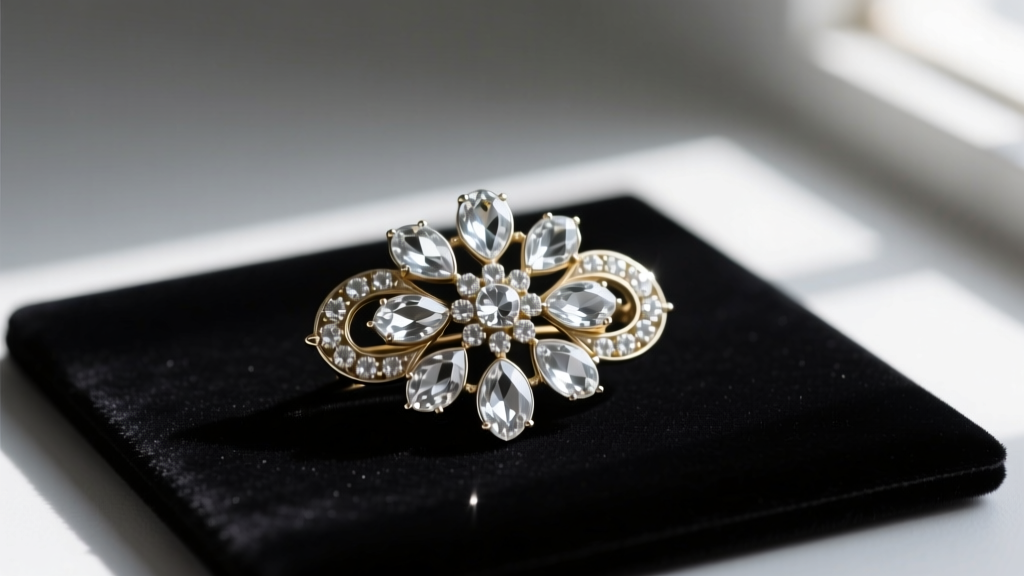
The Material Reality of Vintage Costume Jewelry
When most people attempt to sell costume jewelry for cash, they are met with immediate rejection from pawn shops and scrap dealers. This is because modern, mass-produced fashion jewelry is typically made from zinc alloys, acrylics, and glued-in acrylic stones that possess zero intrinsic melt value. However, from a material science and historical perspective, vintage costume jewelry (circa 1920–1960) is a completely different asset class. Early costume pieces were engineered using high-grade base metals, early synthetic polymers, and leaded glass that command serious cash premiums from specialized vintage buyers in 2026.
To successfully liquidate these pieces, you must stop looking at them as 'fake jewelry' and start evaluating them through the lens of material composition. Understanding the chemical and physical properties of early plastics, rhodium plating, and strass glass is the only way to accurately price and sell your collection.
The Material Hierarchy: What Actually Holds Cash Value
Not all costume materials are created equal. The cash value of a piece is directly tied to the rarity, durability, and historical significance of its base materials.
Early Plastics: Bakelite, Catalin, and Celluloid
Before the advent of cheap injection-molded acrylics, costume jewelry relied on thermosetting plastics. Bakelite (polyoxybenzylmethylenglycolanhydride) was heavily used in the 1930s for bangles and brooches. Unlike modern plastics, Bakelite is carved, not molded, meaning you will never see a mold seam on a genuine piece. Catalin, a similar phenolic resin, was prized for its ability to be cast in vibrant, translucent colors like butterscotch and apple juice. Because these materials are no longer manufactured due to the toxicity of their formaldehyde-based production processes, pristine examples are highly sought after by collectors.
Strass and Leaded Glass Rhinestones
According to the Gemological Institute of America (GIA), early rhinestones were not plastic; they were high-lead-content glass, often referred to as 'strass'. By adding lead oxide (PbO) in concentrations exceeding 32%, manufacturers achieved a refractive index that closely mimicked the brilliance of mined diamonds. When evaluating rhinestone jewelry for cash, you must verify the stones are glass (which feels cold to the touch and is heavier) rather than acrylic (which feels warm and is lightweight).
Rhodium-Plated Brass and Vermeil
During the WWII era, base metals like copper and brass were restricted for the war effort, leading to a surge in sterling silver vermeil. However, high-end pre-war and post-war costume houses like Trifari and Coro utilized heavy brass castings plated in rhodium. Rhodium is a precious metal in the platinum group, highly resistant to tarnish. A piece of 1940s costume jewelry that still retains its bright, silvery rhodium plating without flaking holds significantly more cash value than a later piece with degraded gold-toned electroplating.
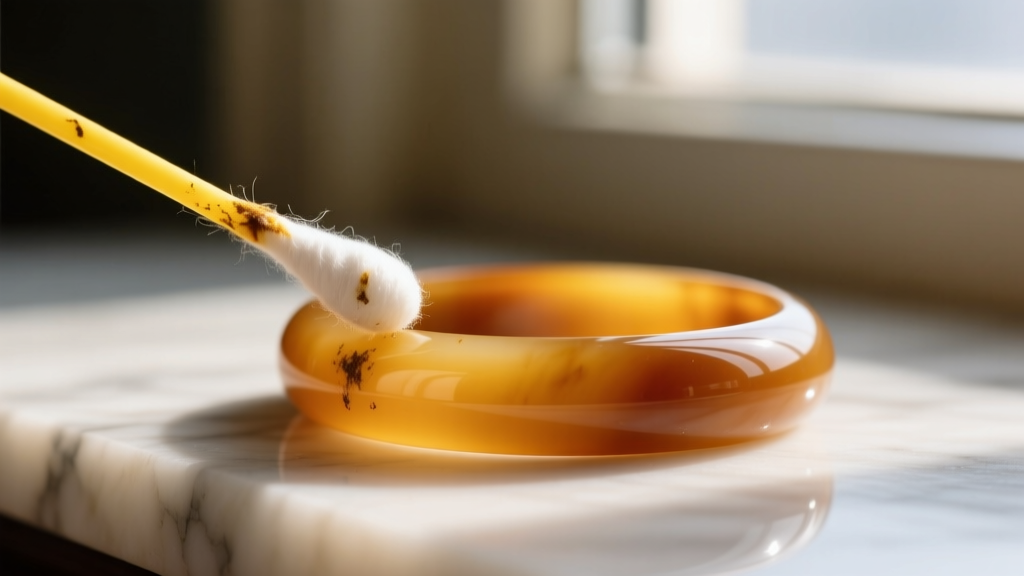
Field Testing: Authenticating Materials for Resale
Before you list your items or approach a dealer, you must authenticate the materials. Here are the non-destructive field tests used by professional appraisers.
- The Simichrome Test (Bakelite): Apply a small dot of Simichrome metal polish to a cotton swab and rub it on an inconspicuous edge of the plastic. If the swab turns a distinct mustard yellow, the piece is genuine Bakelite. Modern acrylics and Lucite will not react.
- The Hot Water Test (Celluloid & Bakelite): Submerge the piece in hot (not boiling) water for 10 seconds. Genuine Bakelite will emit a sharp, formaldehyde-like chemical odor, while Celluloid will smell like camphor or old Vicks VapoRub. Modern plastics will smell like nothing.
- The Magnet Test (Base Metals): Use a rare-earth neodymium magnet. Brass, copper, and silver are non-ferrous and will not attract the magnet. If a 'gold-toned' vintage brooch sticks to the magnet, it is plated steel—a later, lower-value manufacturing shortcut that drastically reduces the cash payout.
- The Blacklight Test (Uranium Glass): Some vintage green glass rhinestones and beads contain uranium dioxide. Under a 365nm UV blacklight, these stones will fluoresce a brilliant, glowing neon green, instantly verifying their vintage origins and increasing their niche collector value.
2026 Valuation Matrix: Material vs. Cash Payout
The following table outlines the current 2026 cash market ranges for specific vintage costume materials, assuming good condition with intact stones and functioning clasps.
| Material Composition | Era / Identifying Marks | Common Failure Modes | Estimated Cash Value (USD) |
|---|---|---|---|
| Carved Bakelite (Heavy) | 1930s, Unsigned or 'France' | Surface crazing, heat cracks | $85 - $450 per piece |
| Strass Glass (Pavé Set) | 1940s-50s, Trifari / Coro | Foil rot (blackening) | $60 - $250 per piece |
| Rhodium over Brass | 1930s-40s, 'Pat. Pend.' | Base metal pitting / flaking | $40 - $150 per piece |
| Pot Metal (Zinc Alloy) | 1940s-60s, Mass Market | Zinc pest, structural crumbling | $2 - $15 (Scrap/Junk) |
| Sterling Vermeil | 1940s, 'Sterling' stamp | Gold layer wear, silver tarnish | $75 - $300+ per piece |
Navigating Material Degradation and Failure Modes
When attempting to sell costume jewelry for cash, buyers will heavily discount pieces suffering from specific chemical degradation. You must inspect for these two primary failure modes:
Zinc Pest (Intergranular Corrosion)
Pieces cast from 'pot metal' (an unregulated alloy of zinc, lead, and tin) are highly susceptible to zinc pest. If the original alloy contained trace lead impurities, the zinc will slowly oxidize and expand from the inside out over decades. This causes the metal to warp, crack, and eventually crumble into a gray powder. If a vintage brooch feels unusually light or shows micro-fractures near the pin stem, it is suffering from zinc pest and is virtually unsellable.
Rhinestone Foil Rot
Vintage strass rhinestones rely on a delicate silver-leaf or metallic foil backing to create their mirror-like reflection. If the glue sealing the stone degrades, ambient moisture enters the setting and oxidizes the foil. This results in 'dead' or 'black' stones. While a single dead stone in a 50-stone pavé brooch is a minor deduction, widespread foil rot will drop the piece's value by 70% or more, as professional re-foiling is largely a lost art and economically unviable.
Where to Sell Based on Material Composition
Your chosen sales channel must align with the material reality of your jewelry. Do not waste time pitching high-end vintage to the wrong buyers.
- For Bakelite, Catalin, and High-End Pavé: Bypass pawn shops entirely. These buyers only care about melt value. Instead, utilize specialized vintage platforms like Ruby Lane, 1stDibs, or dedicated auction houses. According to Sotheby's collector guides, signed pieces by designers like Miriam Haskell or Schiaparelli utilizing these premium materials can fetch thousands when properly authenticated and marketed to fashion archivists.
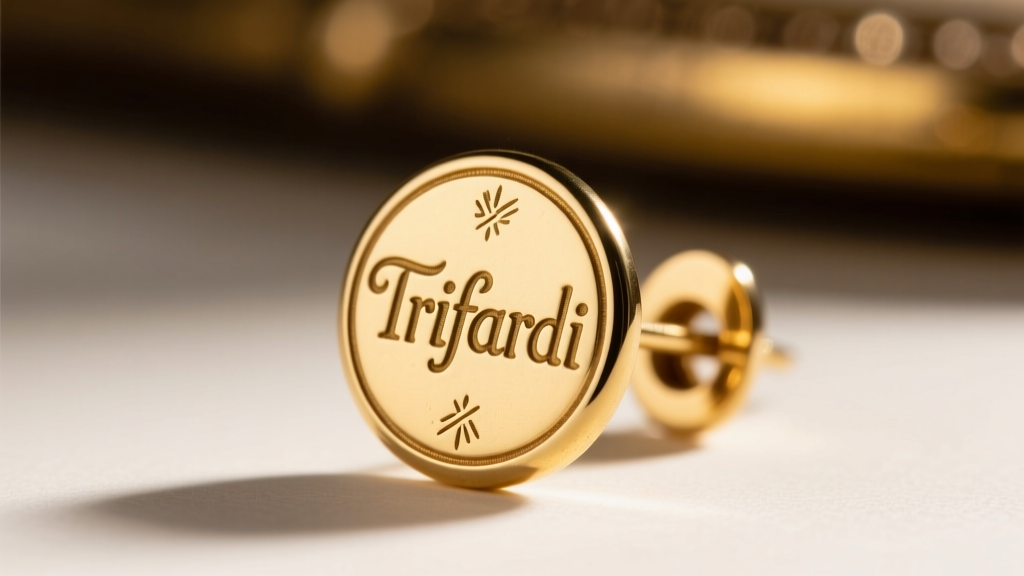
- For Rhodium-Plated Brass and Sterling Vermeil: Mid-tier antique malls and specialized Etsy vintage storefronts are your best bet. Buyers here are looking for the aesthetic and historical durability of the piece. Ensure you clearly photograph the hallmarks (e.g., 'Trifari Pat. Pend.' or 'Coro Craft') using a macro lens.
- For Pot Metal and Acrylic (Modern Fast Fashion): Be realistic. If your collection consists of post-1980s zinc alloy pieces with glued-in acrylic stones, your only option to sell costume jewelry for cash is through bulk 'job lots' on eBay or local flea markets, priced by the pound rather than by the piece.
Final Expert Takeaway
Successfully selling vintage costume jewelry requires a shift in perspective. By applying basic material science—testing for phenolic resins, identifying leaded glass, and recognizing precious metal plating—you can separate the highly liquid, cash-generating historical artifacts from the worthless mass-market clutter. Always test before you price, and always match the material tier to the correct buyer demographic.


