2026 Gift Guide: Crafts with Costume Jewelry for Milestones
Discover our 2026 gift guide on crafts with costume jewelry. Learn to source, upcycle, and gift vintage Trifari and Monet pieces for every milestone.

The Renaissance of Upcycled Elegance
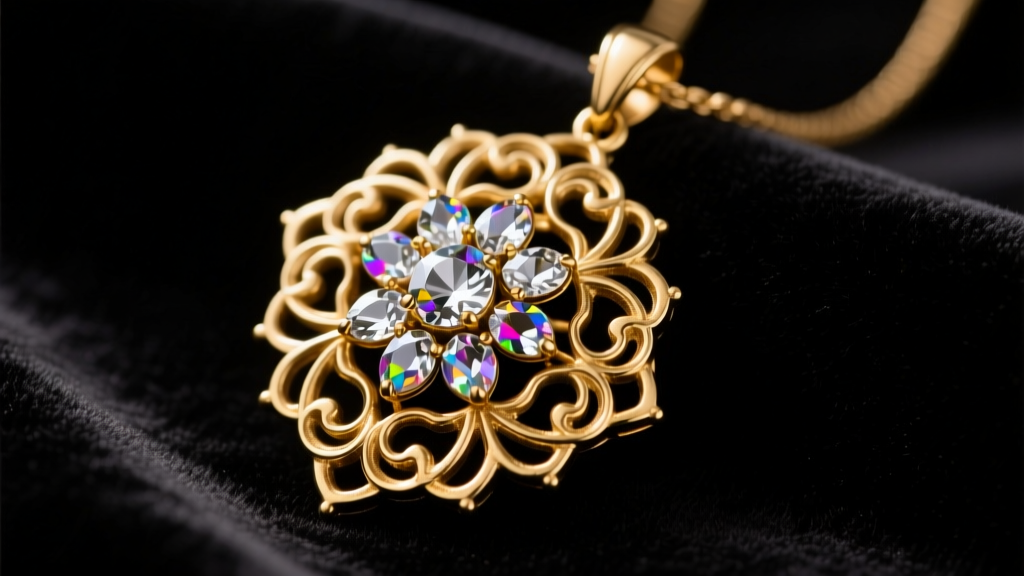
When modern collectors and artisans discuss crafts with costume jewelry, they are no longer referring to simple childhood stringing projects or basic macramé. In 2026, the intersection of sustainable luxury and heritage preservation has birthed a sophisticated movement: the bespoke upcycling of mid-century collectible costume jewelry. Gifting a piece of fine jewelry is a classic gesture, but gifting a meticulously crafted, upcycled artifact from legendary houses like Trifari, Miriam Haskell, or Christian Dior offers a profoundly personalized narrative. This 2026 gift guide explores how to source, craft, and match these upcycled masterpieces to life’s most significant milestones, turning forgotten vintage pieces into modern heirlooms.
Sourcing High-Quality Vintage Components
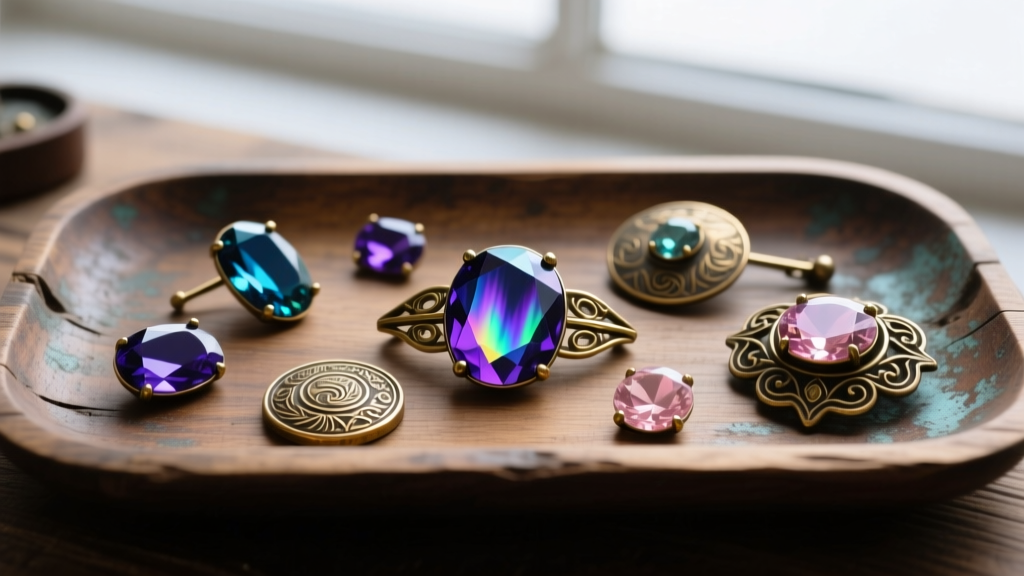
The foundation of any successful upcycling project lies in sourcing the right base materials. According to Invaluable's Costume Jewelry Guide, the mid-century era (1940s–1960s) represents the golden age of American and European costume design. When hunting for pieces to repurpose, look for specific maker's marks. The Kovels database is an indispensable tool for identifying authentic marks, such as the 'Trifari with Crown' or 'KRAMER N.Y.' stamps.
Focus on finding pieces with high-quality glass rhinestones rather than acrylic or plastic substitutes. Chaton (round) and marquise cuts with intact foil backings offer the best light refraction for pendants and hairpieces. Avoid pieces with severe 'verdigris' (green copper corrosion) on the clasps or pin stems, as this can spread to adjacent metals if not professionally treated.
Metallurgy & Material Grades to Look For
- 1930s Pot Metal: Often used in early Art Deco pieces, this zinc alloy is prone to 'spiderweb' cracking and pitting. It cannot be soldered, making it suitable only for cold-connection crafts.
- 1950s Gold-Plated Brass: The holy grail for upcyclers. Brass provides a sturdy, malleable base that can be drilled, riveted, and polished. Look for heavy gold vermeil or flash-plated brass that retains its warm, 14k-toned hue.
- Aurora Borealis (AB) Stones: Introduced by Swarovski in 1956, AB rhinestones feature a micro-thin metallic vapor coating. If a piece features AB stones, it is definitively post-1956, which helps narrow down its provenance.
Occasion Matching: Which Crafted Piece for Which Event?
Matching the era and style of the vintage component to the recipient's milestone is crucial for a meaningful gift. The following table outlines strategic pairings for 2026's most common gifting occasions.
| Occasion | Era & Maker Focus | Craft Technique | Estimated Budget |
|---|---|---|---|
| 50th Anniversary | 1950s Trifari / Coro | Brooch-to-Pendant Cold Bail | $150 - $350 |
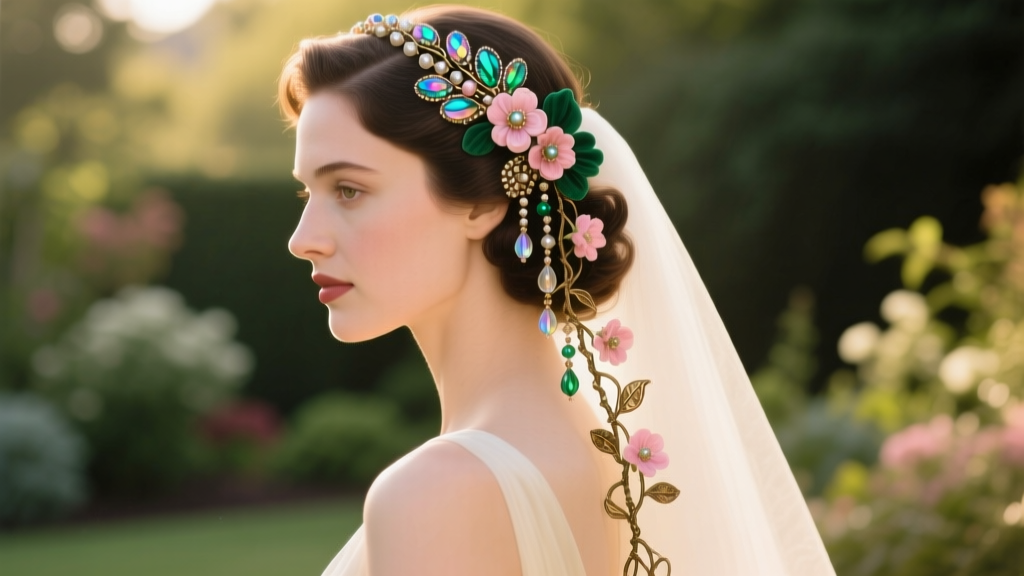
| Bridal 'Something Old' | 1940s Miriam Haskell | Floral Corsage to Hair Vine | $200 - $450 |
| Milestone Birthday | 1980s Chanel / Dior | Logo Button to Signet Ring | $250 - $600 |
| Graduation | 1960s Monet / Napier | Geometric Clip-on to Cufflink | $120 - $250 |
Artisan Technique: Converting a Foiled Rhinestone Brooch
Transforming a vintage brooch into a wearable pendant requires precision. The most critical rule in crafts with costume jewelry is heat management. Traditional torch soldering will instantly melt the delicate glue holding foiled rhinestones in place and destroy the mirror-like foil backing. Artisans must rely on cold connections or advanced laser welding.
- Assessment & Cleaning: Inspect the pin stem mechanism. Use a soft brass brush and an ammonia-free cleaner to gently remove surface oils. Never submerge foiled stones in liquid.
- Pin Stem Removal: Using high-leverage flush cutters, snip the pin stem and the 'C' clasp as close to the base metal as possible. File the remaining nubs flush with a #4 cut hand file, finishing with 600-grit sandpaper.
- Bail Attachment: For a non-destructive approach, use a sterling silver or brass glue-on bail. Apply a two-part jeweler's epoxy (sourced from suppliers like Rio Grande) to the flat pad of the bail and press it firmly onto the filed flat spot on the brooch's reverse. Allow 24 hours to cure.
- Alternative Cold Connection: If the base metal is thick brass, use a flex shaft with a 1mm carbide bur to drill a hole near the top edge. Attach a jump-ring bail using a cold-rivet technique, ensuring no heat touches the piece.
- Chain Selection: Match the karat color of the vintage plating. A 1.5mm to 2.0mm cable chain in 14k yellow gold vermeil provides the perfect balance of durability and vintage aesthetic.
Gifting Etiquette and Archival Presentation
"True luxury in 2026 is not defined by the karat weight of the gold, but by the scarcity of the design and the sustainability of its lifecycle."
When gifting upcycled costume jewelry, presentation is just as important as the craftsmanship. Because vintage base metals are susceptible to oxidation and humidity, proper packaging is mandatory. Always house the finished piece in an archival-quality, acid-free jewelry box lined with unbleached cotton.
Include a 3M anti-tarnish strip inside the box to absorb airborne sulfur compounds that cause silver and brass to blacken. Finally, elevate the unboxing experience by including a typed 'Provenance Card.' This card should detail the original maker, the estimated decade of production, the specific materials used (e.g., 'Swarovski AB chatons on gold-plated brass'), and the care instructions. This transforms a simple accessory into a documented piece of wearable history, ensuring your gift is cherished for generations to come.


