2026 Gift Guide: Giving Valuable Costume Jewelry That Lasts
Discover how to select valuable costume jewelry for any occasion in our 2026 gift guide. Learn to identify quality hallmarks, vintage eras, and top makers.

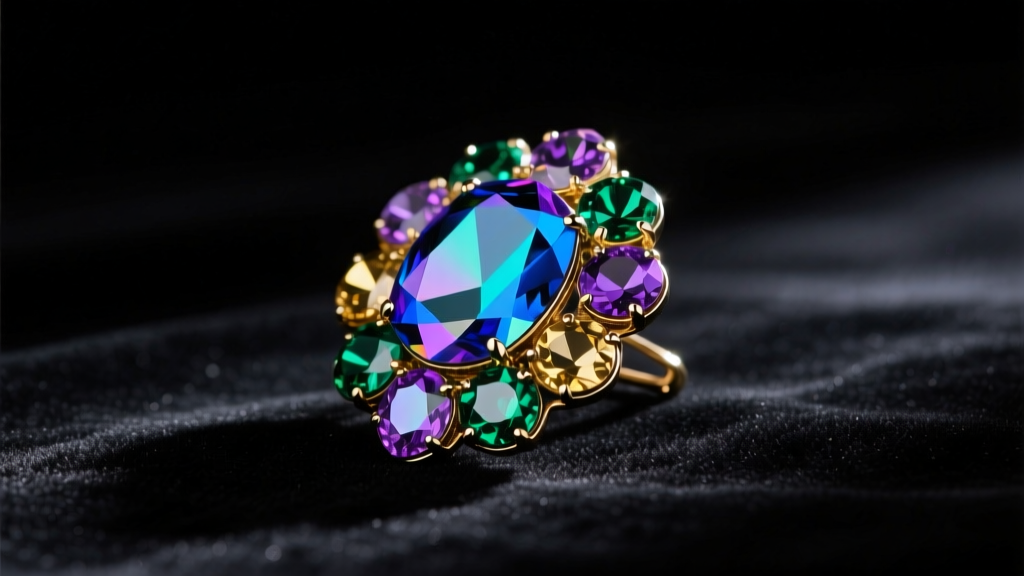
The Renaissance of Archival Fashion Jewelry
When it comes to gifting, the jewelry market has historically been split into two extremes: exorbitant fine jewelry and disposable fast-fashion alloys. However, as we navigate 2026, the discerning gifter has embraced a third, far more intriguing category: valuable costume jewelry. Driven by a cultural shift toward sustainable luxury and archival fashion, vintage and heritage costume pieces are no longer seen as mere placeholders for precious stones. They are recognized as wearable art, boasting rich histories, patented metallurgical innovations, and unparalleled craftsmanship.
According to market analyses from the Bonhams Jewelry Department, auction bids for mid-century archival fashion pieces have surged, reflecting a deep appreciation for design pedigree over raw material value. Gifting a piece of valuable costume jewelry is not just about giving an accessory; it is about gifting a tangible piece of 20th-century design history. But how do you distinguish a truly valuable archival piece from a mass-produced flea market find? This guide will equip you with the expertise to match the right heritage piece to the right occasion.
Decoding Value: What Elevates Costume Jewelry?
To gift confidently, you must understand what drives value in the absence of gold and diamonds. Valuable costume jewelry is defined by four pillars:
- Designer Pedigree & Provenance: Pieces designed by masters like Alfred Philippe (Trifari) or Robert Goossens (Chanel/Dior) carry immense historical weight.
- Material Innovation: Look for patented base metals like Trifanium (which refuses to tarnish), early plastics like Bakelite and Lucite, and poured glass techniques like Gripoix.
- Construction Quality: High-end costume jewelry utilizes prong-set stones rather than glue, hand-wired filigree, and intricate clasp mechanisms.
- Scarcity & Condition: Limited-run editorial pieces, runway samples, and intact 'Jelly Belly' designs command premium prices in the 2026 secondary market.
True value in costume jewelry lies in the intersection of artistic vision and material ingenuity. A well-preserved 1940s Trifari poodle brooch is not just an accessory; it is a masterclass in mid-century American manufacturing.
The 2026 Occasion-Matching Gifting Matrix
Matching the historical era and style of the jewelry to the recipient's milestone is the hallmark of a thoughtful gifter. Below is a strategic matrix to help you select the perfect piece of valuable costume jewelry for any major life event.
| Occasion | Recommended Era & Style | Heritage Brand Focus | 2026 Market Price Range | Why It Works |
|---|---|---|---|---|
| Milestone Birthday (30th/40th) | 1980s-1990s Archival Runway | Chanel, Dior (Gripoix glass) | $800 - $3,500 | Bold, recognizable, and highly collectible; bridges the gap between vintage and modern editorial fashion. |
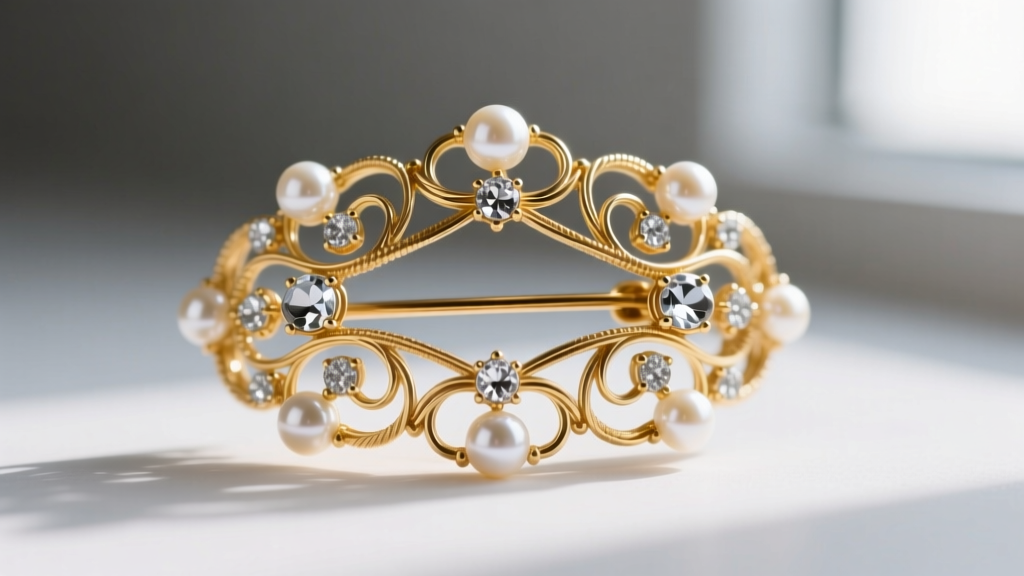
| Anniversary / Bridal | 1940s-1950s Romantic Filigree | Miriam Haskell, Coro | $400 - $1,500 | Intricate hand-wiring and faux seed pearls offer a delicate, timeless elegance that rivals fine bridal jewelry. |
| Career Milestone / Graduation | Mid-Century Modern (1950s) | Trifari, Weiss, Kramer | $150 - $800 | Structured, sophisticated aurora borealis rhinestone sets convey professionalism and sharp, classic taste. |
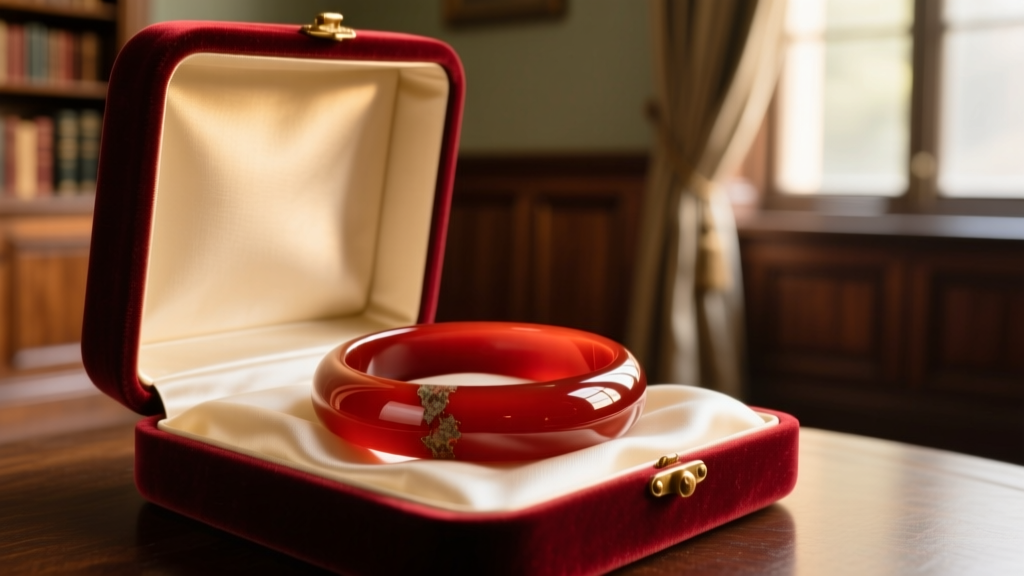
| Holiday / Hostess Gift | Art Deco (1920s-1930s) | Bakelite Carvings, Eisenberg | $250 - $1,200 | Chunky, colorful, and conversational; Bakelite bangles and enamel brooches are perfect statement starters. |
Deep Dive: The Magic of Gripoix and Russian Gold
When shopping for the brands listed above, you will encounter specific material terms that denote high value. For Chanel and Dior, look for Maison Gripoix collaborations. Gripoix is a legendary Parisian glassmaker that perfected the 'pâte de verre' (poured glass) technique, creating stones that look like liquid candy set directly into the metal without prongs. For Miriam Haskell, the holy grail is Russian Gold—a lush, pumpkin-hued 24-karat gold plating over copper and brass that develops a magnificent, warm patina over decades, highly prized by the Gemological Institute of America (GIA) historians for its unique chemical composition.
Heritage Brand Spotlight: The Investment Tier
If you want to guarantee your gift holds or appreciates in value, focus your hunt on these three undisputed titans of the costume jewelry world.
1. Trifari (The Master of Metallurgy)
Founded by Gustavo Trifari, this brand revolutionized the industry by hiring Alfred Philippe, a master jeweler who previously designed for Cartier and Van Cleef & Arpels. Philippe brought fine jewelry sensibilities to base metals. Gift Target: The 'Jelly Belly' collection (sterling silver or gold-plated metal featuring a carved, polished Lucite 'belly'). These are exceptionally rare, with pristine examples fetching between $2,000 and $15,000 at auction. For a more accessible but equally valuable gift, seek out Trifari's 1950s 'Coronation' sets featuring brilliant aurora borealis stones.
2. Miriam Haskell (The Queen of Wirework)
Haskell’s pieces are instantly recognizable by their complex, hand-wired construction. Her team of artisans would spend hours wrapping tiny glass seed pearls and Bohemian glass beads onto delicate brass frames. Gift Target: A 1940s Russian gold bib necklace or a pair of elaborate chandelier earrings. These pieces offer a level of three-dimensional texture that modern casting simply cannot replicate.
3. Christian Dior (The New Look Accomplice)
Dior’s costume jewelry was designed to complement his revolutionary post-war silhouettes. Early pieces were crafted by Robert Goossens and Henkel & Grosse. Gift Target: 1960s Maltese cross cuffs or necklaces featuring massive, faceted crystal cabochons. These pieces are bold, architectural, and perfect for the recipient with a strong, editorial personal style.
Authentication: Prongs, Patinas, and Patents
The secondary market is flooded with reproductions. Before purchasing valuable costume jewelry as a gift, perform these three critical authentication checks:
- The Prong Test: Turn the piece over. High-end heritage brands almost exclusively used metal prongs to set their rhinestones. If you see dried glue or a foil backing that is peeling away, it is likely a lower-tier mass-produced piece or has suffered fatal water damage.
- The Copyright Symbol (©): The Chloremium and Trifari copyright lawsuits in the mid-1950s changed the industry. Pieces stamped with a © symbol generally date from 1954 or later. If a seller claims a piece with a © mark is from the 1930s, they are incorrect.
- Clasp Mechanics: Look for period-correct hardware. Trombone clasps (a push-pull tube mechanism) are typical on European pieces pre-1950. Fold-over clasps and safety chains (often an 8-shaped loop) indicate mid-century American manufacturing. Modern lobster claws on a supposedly vintage piece indicate a replacement or a fake.
Where to Source Authentic Pieces in 2026
Sourcing valuable costume jewelry requires moving away from generic marketplaces and toward vetted archival platforms. The 1stDibs Vintage Jewelry Archive remains the gold standard for high-end, dealer-verified pieces, offering buyer protection and detailed provenance. For mid-tier investments ($150–$600), specialized Etsy dealers with decades of reviews and physical storefronts are excellent resources, provided you request macro-photography of the hallmarks and clasps before purchasing.
When presenting your gift, elevate the experience by including a small, printed dossier detailing the piece’s history, the designer’s biography, and the specific materials used. In an era of digital ephemerality, gifting a tangible, historically significant piece of valuable costume jewelry is a profound gesture that will be treasured for generations.


