A Step-by-Step Guide to Vetting Online Fashion Jewelry Stores
Learn how to evaluate online fashion jewelry stores with our step-by-step vetting guide. Spot quality metals, avoid green skin, and shop smart.

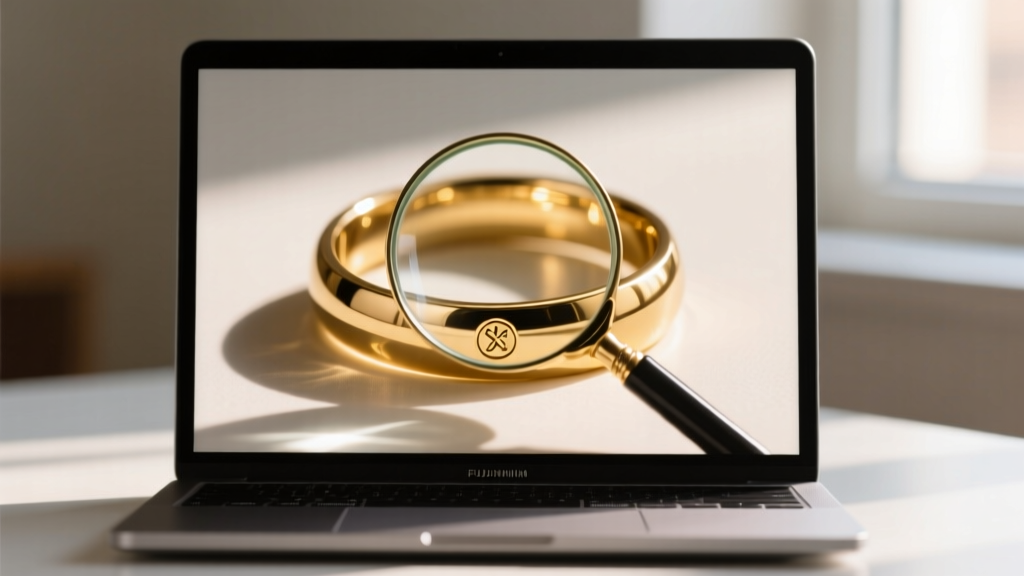
The e-commerce boom has made accessorizing easier than ever, but navigating online fashion jewelry stores requires a metallurgist's eye and a skeptic's mindset. Unlike fine jewelry, which relies on solid precious metals, fashion jewelry utilizes base metals, surface plating, and simulated stones. The gap between a $25 statement piece that lasts for years and a $40 piece that turns your skin green in five days lies entirely in manufacturing transparency.
As we move through 2026, the line between 'costume' and 'demi-fine' has blurred, with many retailers using deceptive marketing jargon to inflate prices. This guide provides a rigorous, step-by-step framework to vet online retailers, decode their material specifications, and avoid low-tier fast fashion traps.
Step 1: Decode the Material Composition (The Base Metal Trap)
The foundation of any fashion jewelry piece is its base metal. If an online store does not explicitly state the base metal in the product description or specifications tab, consider it a major red flag. Here is the hierarchy of base metals you will encounter:
Zinc Alloy (Zamak / Pot Metal)
Zinc alloy is the cheapest option, cast at low temperatures. It is heavy, brittle, and highly porous. While it allows for intricate, cheap casting, it has a high failure rate. Ring shanks made of zinc alloy will snap under moderate pressure, and the porous surface makes it impossible for plating to adhere smoothly, leading to rapid tarnishing and bubbling.
Brass and Copper
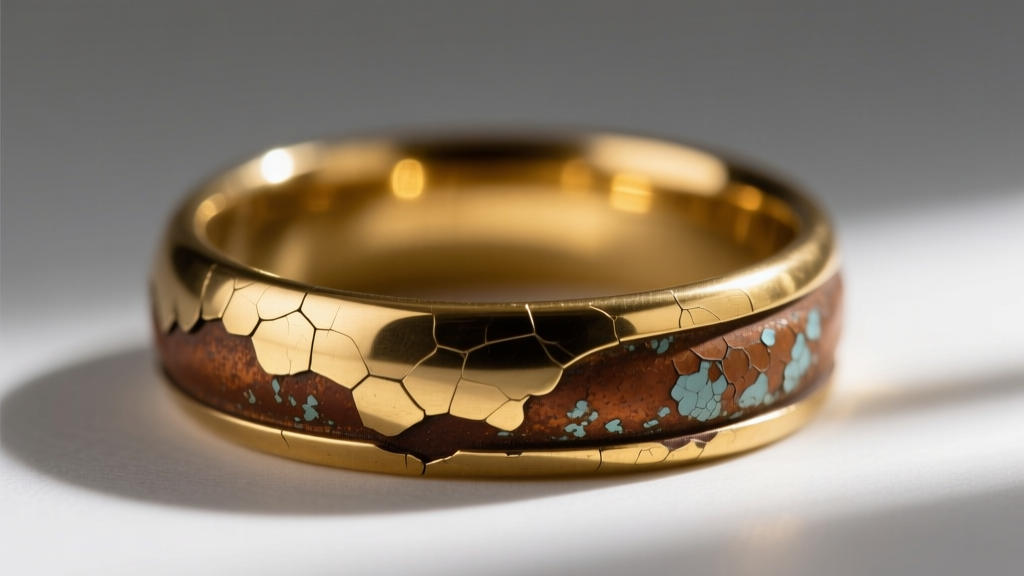
Brass (an alloy of copper and zinc) is the industry standard for mid-tier fashion jewelry. It casts beautifully, holds fine detail, and provides a smooth surface for plating. However, the copper content is highly reactive. Once the thin layer of gold or silver plating wears off, the copper reacts with the acidity in your sweat, resulting in the dreaded 'green skin' effect and potential contact dermatitis.
316L Surgical Stainless Steel
This is the gold standard for durable, hypoallergenic fashion jewelry. 316L steel contains molybdenum, which drastically increases corrosion resistance compared to standard 304 steel. It does not require plating if left in its natural silver tone, and it will never turn your skin green. According to the Federal Trade Commission's Jewelry Guides, retailers must accurately represent metal content, yet many obscure steel grades to pass off lower-quality alloys as premium.
Step 2: Analyze the Plating Technique and Thickness
Plating is where online fashion jewelry stores employ the most deceptive terminology. 'Gold tone' or 'silver tone' simply means the item is colored to look like precious metal, usually via a microscopic flash plating or even paint. To ensure longevity, you must look for specific plating metrics.
Electroplating vs. PVD Coating
Traditional wet electroplating dips the base metal into a chemical bath. In 2026, premium fashion and demi-fine stores have largely transitioned to PVD (Physical Vapor Deposition) for stainless steel pieces. PVD is a vacuum coating process that creates a molecular bond between the titanium nitride base and the gold color. PVD coatings are up to 10 times more durable than wet electroplating and can withstand exposure to water and sweat without blistering.
| Plating Type | Typical Base Metal | Thickness / Bond | Expected Lifespan |
|---|---|---|---|
| Flash Plated ('Gold Tone') | Zinc Alloy / Brass | < 0.1 microns | 1 - 3 months |
| Standard Electroplated | Brass | 0.5 - 1.0 microns | 6 - 12 months |
| Gold Vermeil | Sterling Silver (925) | 2.0 - 2.5+ microns | 2 - 5 years |
| PVD Coated | 316L Stainless Steel | Molecular Vacuum Bond | 5+ years |
Pro Tip: If a store advertises '18k Gold Plated' but the price is under $30, it is flash-plated brass. True micron plating and PVD processes require expensive machinery and quality control that cannot be sustained at ultra-fast-fashion price points.
Step 3: Scrutinize Gemstone and Embellishment Disclosures
Fashion jewelry rarely uses natural precious gemstones, relying instead on simulants. The Gemological Institute of America (GIA) provides extensive databases on gem simulants, noting that the setting method is just as critical as the stone itself.
Stone Materials
- Glass / Crystal: Easily scratched (Mohs hardness of 5-6). Often backed with foil to create artificial sparkle, which degrades when exposed to moisture.
- Cubic Zirconia (CZ): The standard for high-quality fashion jewelry. With a Mohs hardness of 8-8.5, CZ resists scratching and offers excellent light dispersion. High-end stores will use AAA-grade machine-cut CZ for precise facets.
- Nano-Sitall / Synthetic Spinel: Increasingly popular in 2026 for colored stones, offering better durability and color consistency than dyed glass.
Setting Methods: Prong vs. Glue
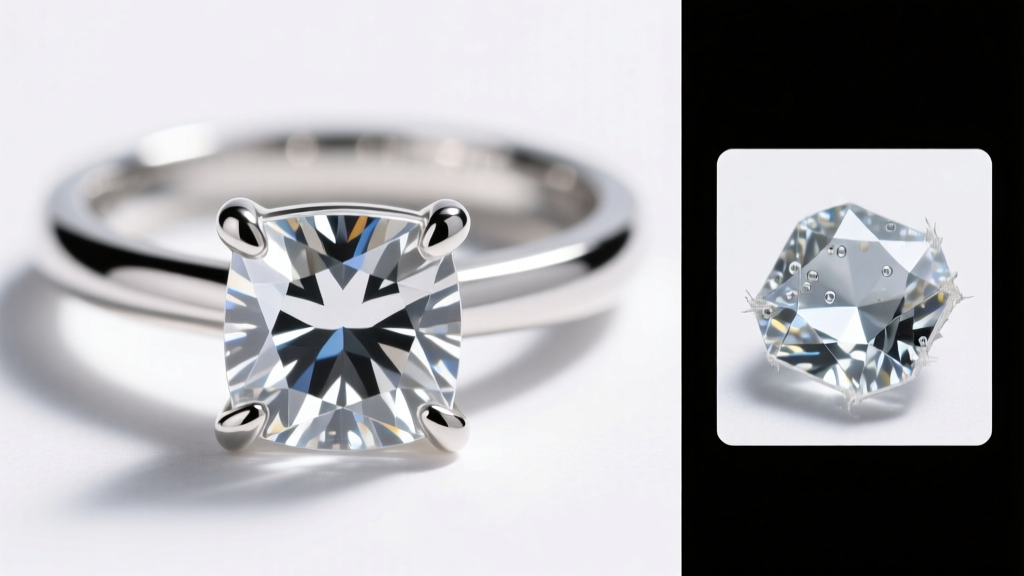
Zoom in on the product photos. High-quality fashion jewelry uses metal prongs or bezel settings to secure stones, allowing light to pass through the pavilion (bottom) of the stone. If the stones appear to be sitting in a solid metal cup with no visible prongs, they are likely secured with cheap epoxy glue. Glue degrades upon contact with lotions, perfumes, and warm water, leading to inevitable stone loss.
Step 4: Evaluate Store Policies and Transparency
A reputable online fashion jewelry store will have clear, accessible policies regarding metal allergies and tarnishing. Look for explicit mentions of the EU Nickel Directive (94/27/EC) or 'Nickel-Free' guarantees. Even if you are shopping from outside Europe, stores that comply with REACH regulations are held to stricter standards regarding toxic heavy metals like lead and cadmium in their base alloys.
Additionally, review their warranty policy. Fast fashion sites will offer 14-day return windows but will not cover tarnishing. Premium demi-fine and high-tier fashion stores often offer a 1-year or 2-year warranty against plating defects and premature tarnishing, signaling confidence in their PVD or vermeil processes.
Step 5: Cross-Reference Reviews for Specific Failure Modes
Do not rely on the aggregate star rating. Fake reviews are rampant in the e-commerce jewelry space. Instead, use the search function within the review section to mine for specific metallurgical and structural failure modes. Search the reviews for the following keywords:
- 'Turned green' / 'Darkened': Indicates flash plating over a copper-heavy brass or cheap alloy base.
- 'Clasp broke' / 'Jump ring opened': Suggests the store uses soft, low-tensile base metals for structural findings rather than hardened steel or spring-ring mechanisms.
- 'Stones fell out': Confirms the use of epoxy glue instead of prong or bezel settings.
- 'Rash' / 'Itchy': A clear indicator of nickel leaching from non-compliant zinc alloys or low-grade stainless steel.
Final Verdict
Shopping at online fashion jewelry stores is an exercise in reading between the lines. By demanding transparency on base metals, understanding the superiority of PVD and vermeil plating, and inspecting stone settings, you can curate a collection of fashion pieces that look luxurious and endure daily wear without compromising your skin or your wallet.


