Find Wholesale Fashion Jewelry Suppliers Worldwide No Minimum Order
Discover how to source wholesale fashion jewelry suppliers worldwide no minimum order. Learn quality tiers, material checks, and B2B tactics.

The Shift to Agile Sourcing in 2026
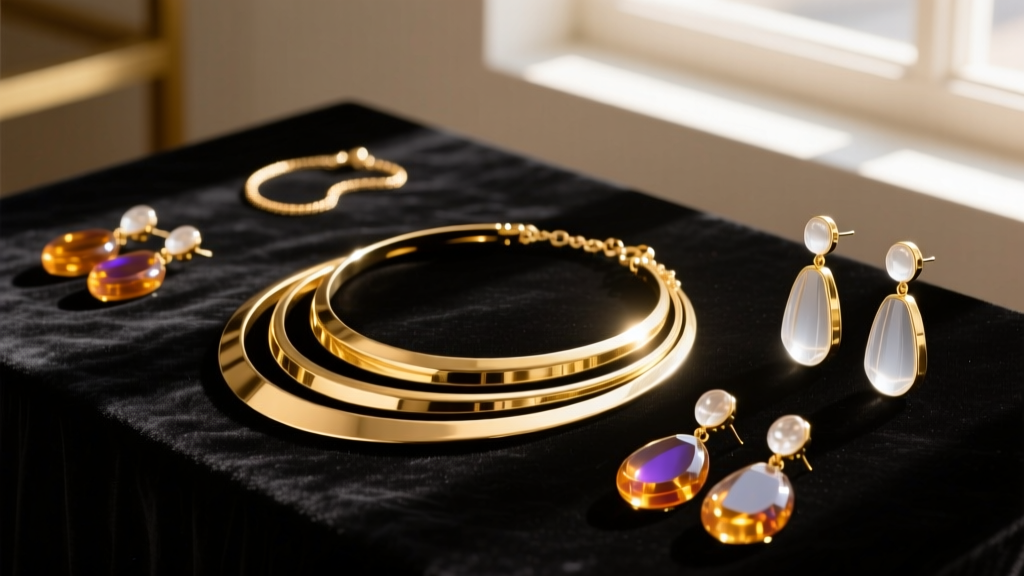
The jewelry retail landscape has undergone a massive transformation over the last few years. In 2026, holding thousands of dollars in stagnant inventory is a liability for emerging brands and boutique owners. This is where the search for wholesale fashion jewelry suppliers worldwide no minimum order becomes a critical strategic advantage. Zero-MOQ (Minimum Order Quantity) or low-MOQ sourcing allows retailers to test trends, maintain cash flow, and pivot quickly without the financial risk of traditional bulk manufacturing.
However, the barrier to entry for suppliers offering no minimums is often lower, which means the market is flooded with inconsistent quality. Navigating this space requires a deep understanding of metallurgy, plating standards, and international compliance. This guide provides a comprehensive framework for vetting global suppliers, ensuring that your zero-MOQ purchases meet the rigorous demands of modern consumers.
Material Science: What to Demand from Zero-MOQ Suppliers
When suppliers do not require massive production runs, they often rely on pre-cast, off-the-shelf components. The base metal of these components dictates the longevity, plating adherence, and skin-safety of the final piece. You must explicitly verify the base metal before placing an order.
Zamak (Zinc Alloy) vs. Cast Brass
Many ultra-cheap, no-MOQ suppliers default to Zamak, an alloy of zinc, aluminum, magnesium, and copper. While Zamak is excellent for intricate, heavy castings (like chunky signet rings or detailed pendants), it is inherently brittle. It has poor tensile strength, meaning Zamak earring posts will snap under pressure, and jump rings will warp. Furthermore, Zamak is porous, making it difficult to achieve a smooth, mirror-like electroplated finish without heavy nickel undercoats.
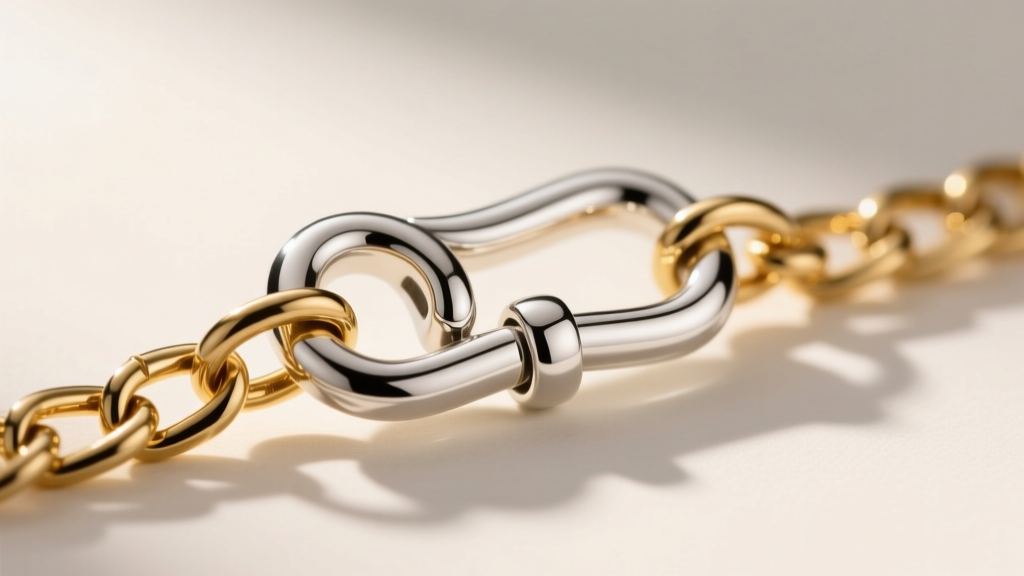
Conversely, cast brass is the industry standard for high-quality fashion jewelry. Brass offers superior tensile strength, making it ideal for tension points like lobster clasps, earring wires, and chain links. It also accepts gold and rhodium electroplating beautifully. When negotiating with suppliers, mandate brass for all structural components and findings, even if the main pendant is cast from Zamak or stainless steel.
Stainless Steel and PVD Coating
For waterproof, everyday fashion jewelry, 316L surgical stainless steel is the premier choice. Unlike brass or zinc, stainless steel does not tarnish or oxidize. However, it cannot be traditionally electroplated. Instead, suppliers use PVD (Physical Vapor Deposition) to apply a layer of titanium nitride, creating a highly durable 14k or 18k gold color. PVD-coated stainless steel is highly resistant to sweat, perfumes, and water, making it a massive seller in the 2026 demi-fine market.
Global Compliance: Navigating Lead, Cadmium, and Nickel
Sourcing from global wholesale fashion jewelry suppliers worldwide no minimum order means you are importing goods that must comply with the strict chemical regulations of your target market. Ignorance of these laws can result in devastating fines and brand reputation damage.
- California Proposition 65: If you sell to US customers, your jewelry must comply with Prop 65. This limits lead content to less than 100 ppm in the substrate and restricts lead in surface coatings. Cadmium is also heavily restricted.
- EU REACH Regulations: For European markets, the EU REACH Regulations strictly limit nickel release from articles intended to come into direct and prolonged contact with the skin. The limit is less than 0.5 µg/cm²/week. Many cheap zinc alloys use nickel as a barrier layer before gold plating; you must explicitly request 'nickel-free' or 'copper-palladium' barrier layers from your supplier.
- FTC Metal Marking: According to the FTC Jewelry Guides, you cannot stamp or describe a piece as 'Gold' or 'Silver' unless it meets specific fineness standards. Misleading consumers about gold-plated brass being 'solid gold' is a federal offense.
Vetting Framework: A 4-Step Quality Control Process
Because no-MOQ suppliers often act as trading companies rather than direct manufacturers, quality can fluctuate wildly between batches. Implement this 4-step vetting framework before scaling your orders.
1. The Findings Stress Test
Order a diverse sample pack. Immediately test the mechanical findings. Open and close lobster clasps 50 times. Pull on the jump rings with pliers to check for soldering integrity. Test 20-gauge brass earring posts by bending them slightly; they should yield, not snap.
2. The Plating Adhesion Check
Use a jeweler's loupe to inspect the recessed areas of the castings. Poor electroplating often results in pooling in the crevices and thin, easily worn spots on the high-relief edges. Run a piece of soft jeweler's cloth vigorously over the gold plating; if the color transfers to the cloth immediately, the supplier is using cheap, unprotected flash plating.
3. Stone Setting Integrity
For fashion pieces featuring cubic zirconia (CZ) or resin stones, check the prong settings. In mass-produced, zero-MOQ items, stones are often glued rather than prong-set. If prongs are present, use a dental pick to gently test if they are actually holding the stone or merely decorative metal stamped over glue.
4. Hallmark and Stamping Verification
Ensure that any '925' stamps on sterling silver components are deeply and cleanly struck. As noted by industry analysts at JCK Online, counterfeit hallmarks on imported fashion jewelry remain a persistent issue. Always request a third-party assay certificate for any supplier claiming to offer sterling silver components in their no-MOQ catalogs.
Pricing Tiers & Margin Expectations
Understanding the wholesale pricing structure is vital for maintaining healthy retail margins. Below is a breakdown of what you should expect to pay per unit when sourcing with no minimum order quantities, compared to traditional bulk MOQs.
| Plating / Material Tier | Base Metal | No-MOQ Wholesale Cost | Traditional MOQ (500+ pcs) | Recommended Retail Price (RRP) |
|---|---|---|---|---|
| Flash Plated (0.03 microns) | Zinc Alloy / Brass | $3.50 - $6.00 | $1.20 - $2.50 | $18.00 - $28.00 |
| E-Coated Gold (0.5 microns) | Cast Brass | $8.00 - $14.00 | $4.00 - $7.00 | $35.00 - $55.00 |
| Gold Vermeil (2.5 microns) | 925 Sterling Silver | $18.00 - $28.00 | $12.00 - $16.00 | $65.00 - $110.00 |
| PVD Coated (Titanium Nitride) | 316L Stainless Steel | $5.00 - $9.00 | $2.50 - $4.50 | $28.00 - $48.00 |
Navigating Shipping, Tariffs, and Logistics
One of the hidden traps of working with wholesale fashion jewelry suppliers worldwide no minimum order is the logistical friction. When you order 20 pieces instead of 2,000, the shipping cost per unit skyrockets if not managed correctly.
Understanding DDP vs. DAP Shipping Terms
Always negotiate DDP (Delivered Duty Paid) shipping terms for small, no-MOQ orders. Under DDP, the supplier handles all freight, customs clearance, and import tariffs, delivering the goods directly to your door. If you agree to DAP (Delivered at Place), you will be hit with unexpected customs brokerage fees and duties when the package arrives, which can easily wipe out your profit margin on a small batch.
The Dropshipping Hybrid Model
Many top-tier no-MOQ suppliers in 2026 now offer integrated API dropshipping. This allows you to list their catalog on your Shopify store and only purchase the unit when your customer checks out. While this eliminates inventory risk entirely, it sacrifices your ability to perform the QC checks mentioned above. The best compromise is a hybrid model: use dropshipping to test new, unproven designs, and immediately switch to holding local inventory (ordering in batches of 20-50) once a SKU proves it has consistent sales velocity.
Pro Tip for Boutique Owners: Never rely solely on the supplier's provided product photography for your main storefront. Zero-MOQ suppliers often use heavily edited, generic 3D renders. Order the sample, photograph it on a real model with natural lighting, and use that media to drive your conversion rates.
Final Sourcing Checklist
Before finalizing your relationship with any global supplier, ensure you have ticked the following boxes:
- Verified base metals (Brass or 316L Steel preferred over Zamak for structural parts).
- Confirmed plating thickness (Minimum 0.5 microns with e-coating for brass; PVD for steel).
- Obtained written guarantees for Prop 65 and REACH compliance regarding lead and nickel.
- Established DDP shipping rates for small parcel international express (DHL/FedEx).
- Tested mechanical findings (clasps, jump rings, earring posts) for tensile strength.
By applying this rigorous, detail-oriented approach, you can successfully leverage the agility of no-minimum-order wholesale sourcing while building a fashion jewelry brand that is respected for its quality and durability.


