Analyzing Design Wise Fine Jewelry Photos: Buyer's Guide
Learn how to evaluate design wise fine jewelry photos to spot quality, verify metal grades, and avoid online buying pitfalls in our expert guide.

The Digital Shift: Why Photo Analysis is Your Best Tool
In the modern landscape of 2026, purchasing high-end accessories online is no longer a gamble, provided you know how to read the visual data. When browsing digital collections, analyzing design wise fine jewelry photos is the most critical skill a collector can develop. While augmented reality try-ons have improved, they cannot replace the forensic evidence provided by high-resolution macro photography. True fine jewelry—crafted from 14k or 18k gold, platinum, and natural or high-grade lab-grown diamonds—leaves distinct metallurgical and gemological signatures that costume and demi-fine pieces simply cannot replicate.
However, not all product photography is created equal. Many e-commerce brands use heavy post-processing, standardized 3D renders, or deceptive lighting to mask poor craftsmanship. To separate heirloom-quality investments from overpriced fashion accessories, you must look past the sparkle and examine the structural integrity captured in the pixels. This guide will teach you exactly what to look for when evaluating design wise fine jewelry photos before committing your capital.
Decoding the Macro: What to Look for in High-Resolution Shots
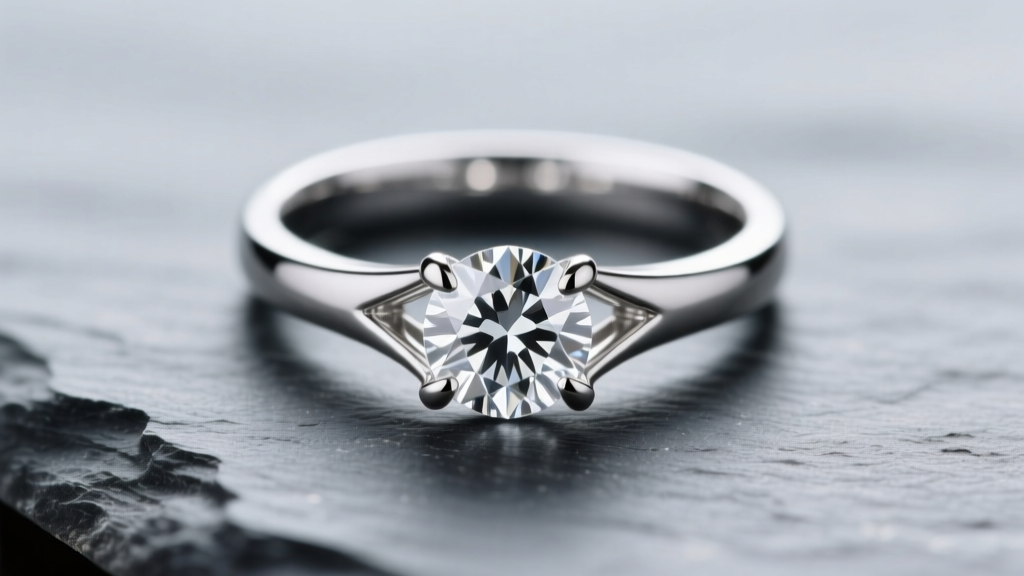
The hallmark of a reputable fine jeweler is transparency. High-quality design wise fine jewelry photos will always include a macro lens perspective, typically shot at 2x to 5x magnification. This level of detail exposes the reality of the manufacturing process, whether it is traditional lost-wax casting, CAD/CAM milling, or hand-fabrication.
Prong Construction and Stone Seating
The prong is the primary security mechanism for your gemstones. In macro photography, you should be looking for specific structural cues:
- Tip Geometry: Prongs should be smoothly rounded or perfectly flat (if a specialized setting). Avoid photos showing sharp, jagged, or ‘fish-hook’ prongs, which indicate poor finishing and will snag on textiles.
- Stone Seating: The girdle of the diamond or gemstone should sit flush against the bearing (the notch cut into the prong). If you see a gap between the metal and the stone in the macro shot, the setting is loose and risks losing the gem.
- V-Prongs for Fancy Shapes: If you are buying a marquise, pear, or princess-cut stone, the corners must be protected by V-prongs. Standard rounded prongs on sharp corners are a massive red flag for chipping.
Identifying Casting Porosity
Porosity is the enemy of fine jewelry. It occurs when gas bubbles become trapped in molten metal during the casting process, leaving tiny voids as the metal cools. In macro photos, porosity looks like microscopic pits, dark grey craters, or a ‘orange peel’ texture on the metal surface, particularly in hard-to-reach areas like the gallery (the underside of the setting) or where the shank meets the head. While a microscopic pinhole might be polished out, widespread porosity weakens the structural integrity of the ring, making it prone to snapping under pressure.
Lighting Tricks: Spotting the Difference Between Fine and Demi-Fine
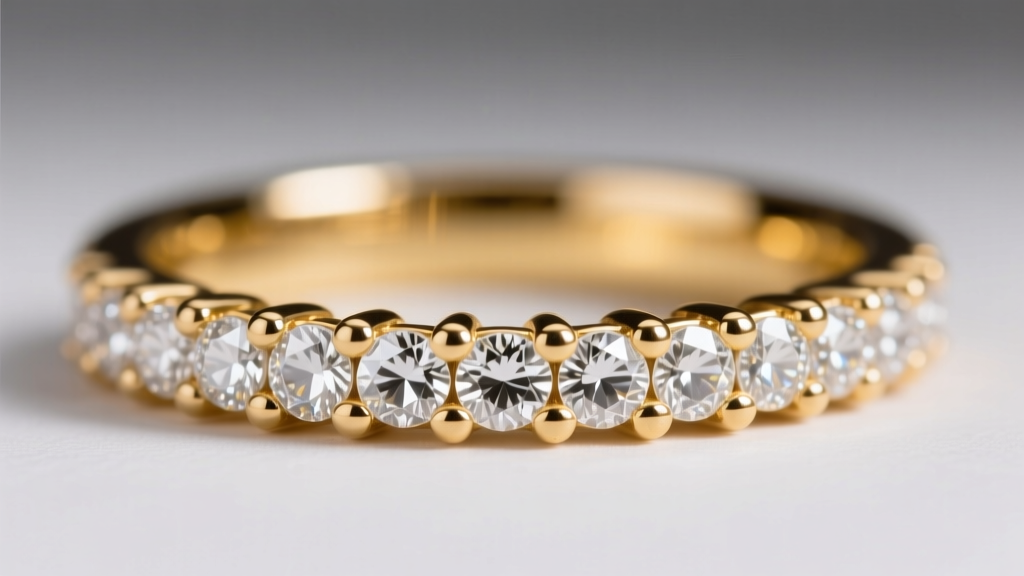
Lighting in jewelry photography is highly manipulative. Understanding how light interacts with diamonds and precious metals is crucial for accurate evaluation. According to GIA’s clarity and color grading standards, the environment in which a diamond is viewed drastically alters its perceived quality.
The ‘Sparkle’ Trap (Point-Source Lighting)
Many mass-market brands use harsh, single-point LED lighting to create aggressive scintillation (sparkle). While this looks dazzling on a smartphone screen, it is often used to mask poor cut quality, milkiness, or heavy fluorescence in lower-grade diamonds (such as SI2 or I1 clarity, or K-M color grades). The intense flashes of light blind the camera sensor to the stone’s actual body color and internal inclusions.
The Truth in Diffused Lighting
Genuine fine jewelers will provide at least one image under flat, diffused lighting (often using a softbox or light tent). Diffused lighting eliminates surface glare and allows you to see the true body color of the diamond and the actual transparency of colored gemstones like emeralds or sapphires. If a vendor only provides high-contrast ‘sparkle’ videos and refuses to provide a diffused light photo, consider it a major red flag.
Hallmarks, Stamps, and Engravings in Product Photography
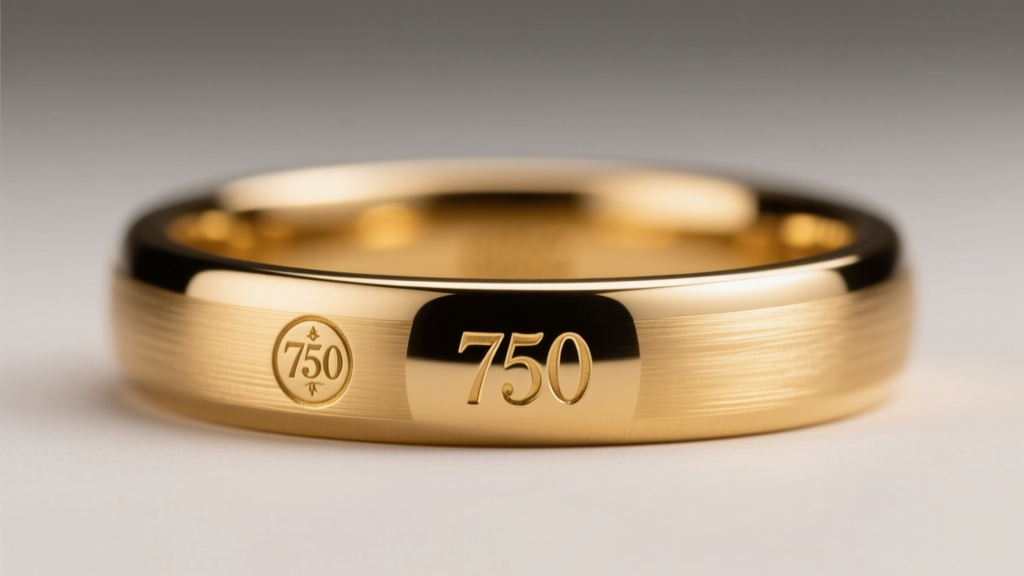
Authenticity is verified through hallmarks. Under the FTC Jewelry Guides, precious metal items must be accurately stamped with their purity mark. When examining design wise fine jewelry photos, zoom in on the inner shank of rings or the back of clasps on necklaces.
Expert Insight: Look for the 750 (18k), 585 (14k), or PT950 (Platinum) stamps. More importantly, look for the ‘Maker’s Mark’—a unique symbol or initials registered by the manufacturing house. A purity stamp without a maker’s mark often indicates mass-produced, imported jewelry where accountability for metallurgical accuracy is virtually non-existent.
Furthermore, examine the depth and crispness of the laser or hand engraving. High-end houses use deep, sharply defined stamps. Blurry, shallow, or misaligned stamps often indicate that the piece was cast with the stamp already in the wax mold, a shortcut that results in illegible marks after polishing.
Comparison Chart: Red Flags vs. Green Flags in Jewelry Photography
Use this quick-reference table to audit the product gallery of any online fine jewelry retailer.
| Visual Element | Green Flag (Indicates Fine Quality) | Red Flag (Indicates Demi-Fine or Poor Craft) |
|---|---|---|
| Metal Finish | Mirror-like polish with sharp, distinct edges between matte and glossy textures. | Wavy surfaces, blurred edges, or a dull, greyish cast indicating poor polishing compounds. |
| Prong Profile | Uniform, smooth, and proportionate to the stone’s carat weight. | Bulky, asymmetrical, or visibly porous prongs that cover too much of the crown. |
| Gallery (Underside) | Open, highly polished, and carefully contoured for light return and cleaning. | Rough, unpolished, or heavily oxidized metal hidden beneath the setting. |
| Chain Clasps | Lobster or custom box clasps with visible, sturdy jump rings soldered shut. | Flimsy spring-ring clasps with open, unsoldered jump rings that easily pull apart. |
| Stone Matching | Melee diamonds in pavé or halo settings share identical body color and faceting patterns. | Noticeable color variations (some yellow, some grey) and misaligned facets in accent stones. |
Expert Tips for Requesting Custom Photos from Independent Jewelers
If you are commissioning a bespoke piece or buying from an independent artisan on platforms like 1stDibs or Etsy, you have the right to request specific photographic evidence. Do not settle for the standard studio render. Ask the jeweler for the following three images:
- The Grey Card Shot: Request a photo of the piece resting on an 18% grey photography card. This neutral background prevents the camera’s auto-white-balance from artificially warming up or cooling down the metal and stones, giving you a true sense of the diamond’s color grade.
- The UV/Fluorescence Check: Ask for a quick photo or video under a standard UV flashlight. This will immediately reveal if a diamond has strong blue fluorescence, which can cause a milky or oily appearance in daylight for higher color grades (D-F), or conversely, make a lower color grade (H-J) appear whiter.
- The Loupe Video: Ask the jeweler to place a standard 10x jeweler’s loupe over their smartphone camera lens and record a slow pan across the setting. This simulates the exact magnification a gemologist uses to check for inclusions and prong tension.
Final Verdict: Trusting Your Eye
The transition from buying fashion accessories to investing in fine jewelry requires a shift in how you consume visual media. By learning to scrutinize design wise fine jewelry photos for porosity, prong geometry, lighting manipulation, and hallmark authenticity, you insulate yourself from marketing illusions. In an era where digital storefronts can make a $500 demi-fine ring look identical to a $5,000 fine jewelry heirloom, your ability to read the macro details is the ultimate safeguard for your investment.


