Best Metals for Dainty Jewelry for Women: Durability Guide
Discover the best metals for dainty jewelry for women. Compare 14k gold, platinum, and Argentium silver for durability, hardness, and everyday wear.

The Engineering of Delicate Chains: Why Metal Choice Matters
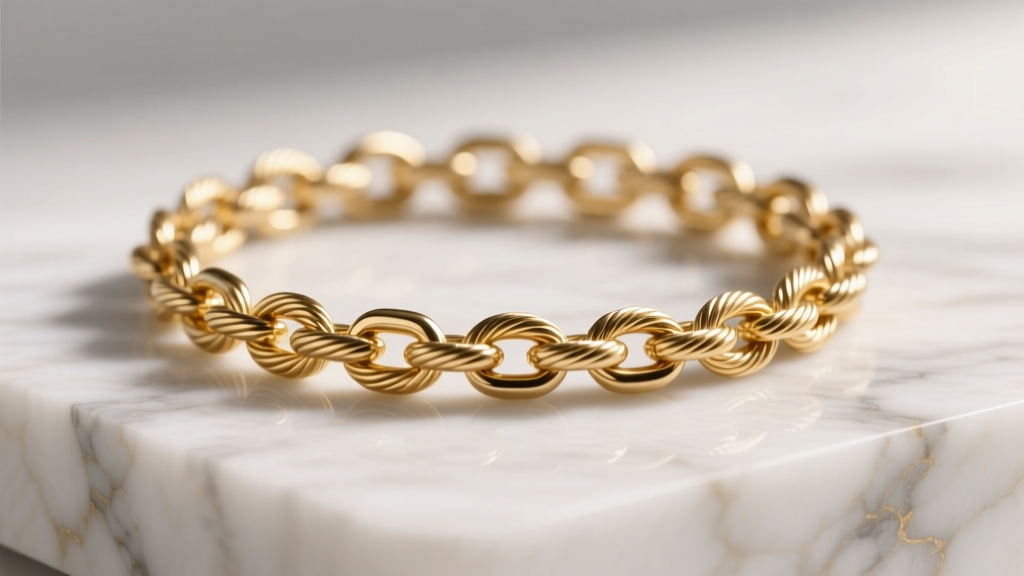
When curating a capsule collection of minimalist accessories, the aesthetic appeal of ultra-thin chains and micro-pave settings often overshadows a critical factor: metallurgical durability. The market for dainty jewelry for women has exploded, yet the structural integrity of sub-1mm chains and delicate gemstone prongs is entirely dependent on the base metal's tensile strength and Vickers Hardness (HV). A 0.8mm cable chain is only as strong as its weakest soldered link, and the alloy composition dictates whether that link will withstand years of daily friction or snap under minimal mechanical stress.
Unlike heavy, statement-making pieces that rely on sheer mass for longevity, minimalist designs require metals that resist deformation, work-hardening fatigue, and galvanic corrosion. Understanding the precise material properties of gold karats, platinum group metals, and advanced silver alloys is essential for making informed purchasing decisions that balance quiet luxury with lifelong wearability.
Material Breakdown: Hardness, Tarnish, and Tensile Limits
14k vs. 18k Gold: The Alloy Advantage
Pure 24k gold is entirely unsuitable for delicate jewelry due to its extreme malleability. To achieve the necessary structural rigidity, gold is alloyed with metals like copper, silver, and zinc. 14k gold (58.5% pure gold) typically exhibits a Vickers Hardness between 130 and 150 HV, making it exceptionally resistant to the stretching and warping that plagues ultra-thine box and rope chains. According to the World Gold Council, the higher proportion of alloying metals in 14k gold not only increases its yield strength but also improves its resistance to surface scratching.
Conversely, 18k gold (75% pure gold) offers a richer, warmer color and higher hypoallergenic properties but drops to roughly 110-130 HV. For dainty chains under 1.0mm, 18k gold is more susceptible to 'chain stretch'—a phenomenon where the repeated tension of daily wear slowly elongates the links, eventually compromising the solder joints.
Platinum 950: The Micro-Prong Champion
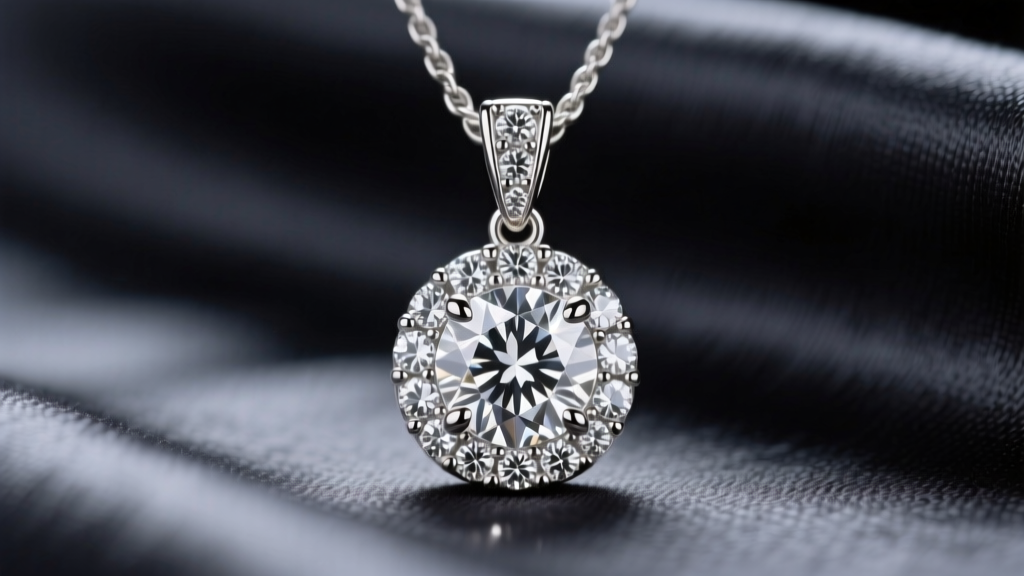
Platinum 950 (95% pure platinum, usually alloyed with ruthenium or iridium) is the undisputed king of gemstone security. While its Vickers Hardness is similar to 18k gold (around 110 HV), its density and unique malleability mean it displaces rather than wears away when scratched. The Gemological Institute of America (GIA) notes that platinum's durability makes it the premier choice for micro-pave settings, where prongs are often less than 0.5mm thick. However, its high density makes it less ideal for long, ultra-thin chains, as the weight can cause excessive strain on the clasp and neck.
Argentium Silver: Upgrading the Sterling Standard
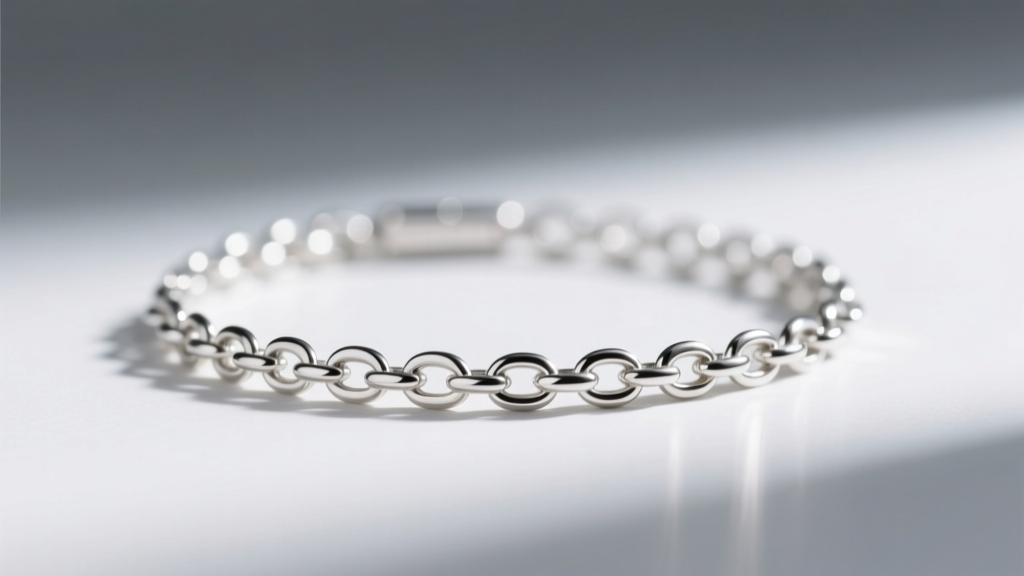
Traditional sterling silver (92.5% silver, 7.5% copper) is notorious for tarnishing due to the copper content reacting with sulfur in the environment. Argentium silver replaces a portion of the copper with germanium, creating a transparent, self-healing oxide layer that drastically slows tarnish. For minimalist silver lovers, Argentium provides a high-polish, low-maintenance alternative that retains the bright white luster required for modern, quiet luxury aesthetics without the constant need for chemical polishing.
Comparative Data: Metal Properties for Sub-1mm Jewelry
To visualize how these materials perform under the specific stresses of minimalist designs, review the metallurgical comparison below. This data is crucial for matching the metal to the specific type of dainty piece you intend to wear daily.
| Metal Alloy | Vickers Hardness (HV) | Tensile Strength | Tarnish Risk | Best Minimalist Application |
|---|---|---|---|---|
| 14k Yellow/White Gold | 130 - 150 | High | Low (White gold requires rhodium) | 0.8mm - 1.2mm everyday cable chains |
| 18k Yellow/Rose Gold | 110 - 130 | Medium | Very Low | Short, delicate chokers and herringbone chains |
| Platinum 950 | 100 - 115 | Very High (Density) | None (Patina only) | Micro-pave pendants and bezel settings |
| Argentium Silver 935 | 95 - 110 | Medium | Extremely Low | Layering chains and minimalist cuffs |
| Grade 23 Titanium | 330+ | Exceptional | None | Hypoallergenic micro-dermals and ultra-thin hoops |
Real-World Failure Modes in Dainty Pieces
Understanding how delicate jewelry fails allows you to inspect pieces more critically before purchasing. The most common structural failures in minimalist jewelry include:
- Clasp Fatigue in Spring Rings: The internal steel spring in a standard 4mm spring ring clasp is often the first point of failure. The thin gold or platinum exterior can dent, misaligning the internal mechanism. For chains under 1mm, upgrading to a solid 5mm lobster clasp with a reinforced jump ring significantly extends the lifespan of the piece.
- Link Stretching in Box Chains: Box chains rely on folded, interlocking square links. When crafted in softer 18k gold or sterling silver, the sharp folds act as stress concentrators. Over time, the metal work-hardens and becomes brittle at the folds, leading to sudden, irreparable snapping. Cable and rope chains distribute tension more evenly and are vastly superior for sub-millimeter gold alloys.
- Rhodium Depletion on White Gold: White gold is naturally pale yellow and requires a microscopic layer of rhodium plating (usually 0.1 to 0.5 microns thick) to achieve a bright white finish. On high-friction areas like chain links and ring bands, this plating wears off within 12 to 24 months, requiring professional re-plating. Platinum and palladium-white gold alloys avoid this maintenance loop entirely.
The Buyer’s Framework: Matching Metal to Lifestyle
Selecting the right metal requires an honest assessment of your daily activities and maintenance tolerance. The Jewelers of America recommends aligning your metal choice with your environmental exposure and physical habits.
Expert Insight: If you refuse to remove your necklace before showering or swimming, avoid sterling silver and standard white gold entirely. Chlorine and sulfur compounds rapidly degrade copper alloys and strip rhodium plating. Opt for high-karat yellow gold, platinum, or solid titanium to ensure your delicate chains survive harsh chemical exposures.
For those building a permanent, never-take-off capsule wardrobe, 14k solid gold remains the optimal balance of affordability, tensile strength, and tarnish resistance. The slightly lower gold content is more than offset by the mechanical stability it provides to ultra-fine wire and soldered joints.
Final Verdict on Everyday Wearability
The pursuit of the perfect minimalist aesthetic should never compromise structural engineering. While 18k gold and platinum offer undeniable prestige and color superiority, the physical realities of sub-1mm jewelry demand a pragmatic approach to material science. By prioritizing high-tensile alloys like 14k gold for chains and reserving dense, malleable metals like platinum for micro-settings, you can curate a collection of dainty jewelry for women that is as resilient as it is visually captivating. Always inspect the clasp mechanics, verify the chain link style, and choose your alloys based on the specific mechanical stresses the piece will endure.


