How to Vet Dainty Jewelry Brands: A 2026 Buyer's Guide
Learn how to vet dainty jewelry brands with our step-by-step 2026 guide. Discover metal grades, hallmark checks, and pricing frameworks for fine pieces.

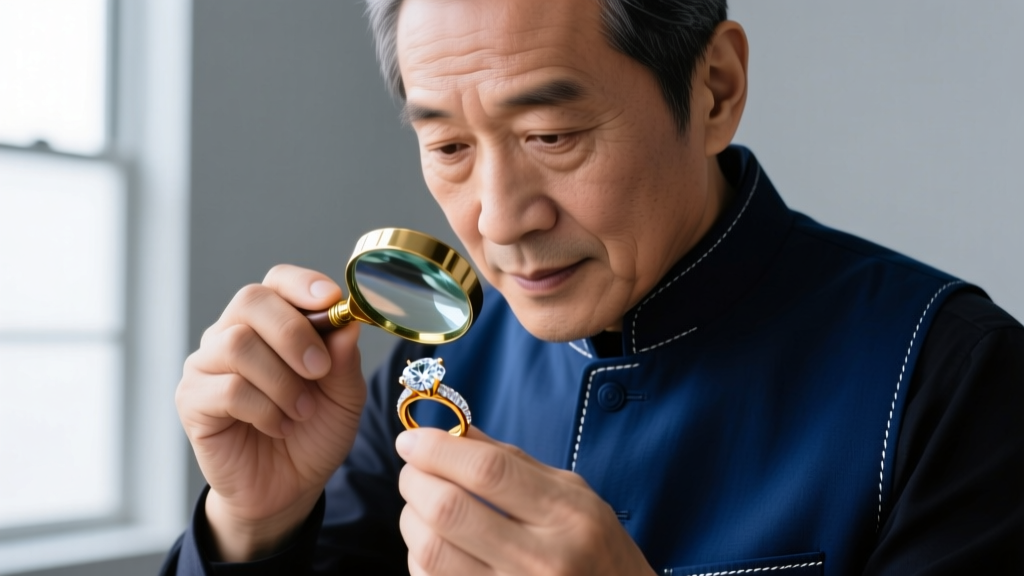
The Hidden Pitfalls of "Dainty" Marketing
The minimalist jewelry movement has evolved from a fleeting trend into a permanent pillar of the quiet luxury aesthetic. However, the surging demand for delicate, everyday pieces has created a crowded marketplace where quality is often sacrificed for the sake of a low price point. When evaluating dainty jewelry brands, consumers are frequently misled by clever photography that masks structural vulnerabilities and subpar metallurgy.
A chain that measures a mere 0.6mm in diameter might look exquisite on a heavily edited social media feed, but without the proper tensile strength and alloy composition, it will snap the moment it catches on a cashmere sweater. In 2026, building a lasting capsule jewelry wardrobe requires looking past the branding and auditing the physical engineering of the pieces. This step-by-step guide will teach you how to separate masterfully crafted fine jewelry from fragile, overpriced costume pieces.
Step 1: Decode the Metal Hallmarks and Grades
The foundation of any reputable brand is transparency regarding its metal sourcing and composition. Dainty pieces endure significant friction and tension relative to their mass, making the choice of alloy critical. Solid 14k gold (58.5% pure gold) remains the gold standard for daily-wear minimalist jewelry because the higher copper and silver content provides the necessary rigidity that 18k or 24k gold lacks.
Many emerging brands rely on gold vermeil or gold-filled materials to keep retail prices under the $100 threshold. According to the Federal Trade Commission's Jewelry Guides, true gold vermeil must consist of a sterling silver base plated with at least 2.5 microns of gold. Brands that simply advertise "gold plated sterling silver" without specifying the micron thickness are often using flash plating (0.1 to 0.5 microns), which will wear through to the silver core within months of daily wear.
Metal Composition & Durability Matrix
| Material Grade | Core Metal | Gold Thickness | Tarnish Risk | Expected Lifespan |
|---|---|---|---|---|
| Solid 14k Gold | None (Alloy) | N/A (Solid) | Very Low | Generational |
| Gold Vermeil | Sterling Silver | 2.5+ Microns | Moderate | 3-5 Years |
| Gold Filled | Jeweler's Brass | 5% of total weight | Low | 10+ Years |
| Flash Plated | Brass or Copper | <0.5 Microns | High | <6 Months |
Step 2: Assess the Structural Integrity of Delicate Chains
The most common failure point in minimalist necklaces is the chain itself. To maintain a delicate, barely-there aesthetic, many brands utilize ultra-thin cable chains measuring 0.5mm to 0.7mm. While visually appealing, these chains possess a breaking point of less than two pounds of tension. If you sleep, shower, or exercise in your jewelry, these micro-chains will inevitably snap at the solder point near the clasp.
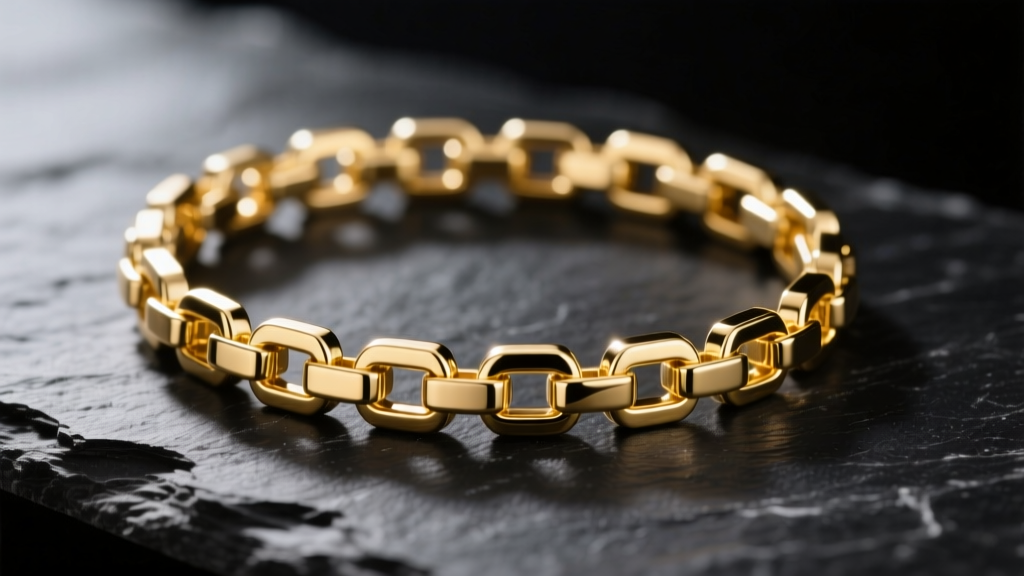
For a resilient capsule wardrobe, you must scrutinize the chain style and gauge. A 0.9mm to 1.1mm box chain or rope chain offers a vastly superior interlocking structure. Box chains, composed of tightly linked square segments, distribute tension evenly across multiple joints, making them highly resistant to snapping. Furthermore, inspect the jump rings connecting the chain to the clasp. Reputable brands use laser-welded, closed jump rings. If you see a visible slit in the jump ring (an open jump ring), the chain will eventually pull apart under the weight of a pendant.
Step 3: Verify Gemstone Sourcing and Setting Techniques
When dainty jewelry brands incorporate diamonds or colored gemstones, the setting technique dictates both the security of the stone and the comfort of the wearer. Traditional prong settings, while excellent for maximizing light return in larger stones, are highly problematic in micro-jewelry. A 1.5mm diamond held by four microscopic prongs will act like a tiny grappling hook, snagging on silk blouses, hair, and towels, eventually bending a prong and losing the stone.
Expert Insight: For stones under 2.0mm, always demand bezel or flush (gypsy) settings. A bezel setting encircles the gemstone in a continuous rim of metal, eliminating snag points while protecting the fragile girdle of the stone from chipping during daily impacts.
Regarding sourcing, the 2026 market has seen lab-grown diamonds achieve price parity with high-quality natural alternatives. The Gemological Institute of America (GIA) notes that lab-grown stones offer identical chemical and optical properties to mined diamonds. Be highly skeptical of brands marketing "natural diamond accents" at extremely low price points; they are frequently utilizing I2 or I3 clarity stones with heavy inclusions that compromise the structural integrity of the tiny gems.
Step 4: Analyze the Pricing Framework
Understanding the true cost of materials allows you to identify brands that are charging luxury markups for mass-produced, low-quality goods. While brand heritage and design originality command a premium, the baseline pricing should reflect the metallurgical reality of the piece.
- The Fast-Fashion Tier ($15 - $45): Almost exclusively flash-plated brass or copper. Chains are hollow and prone to kinking. Clasps are fragile spring-rings. Avoid for permanent capsule wardrobes.
- The Accessible Fine Tier ($80 - $250): Features solid 14k gold on lightweight chains (0.8mm), high-quality gold vermeil, or gold-filled materials. Settings are usually machine-stamped bezels. Excellent for everyday layering.
- The Quiet Luxury Tier ($300 - $800+): Heavier solid gold chains (1.0mm+), proprietary custom clasps, and hand-set VS-clarity diamonds in precision-milled bezels. These pieces are designed to be heirloom-quality despite their small footprint.
Step 5: Audit the Brand's Repair and Warranty Policies
Even the most meticulously engineered 0.9mm chain can break if subjected to extreme force. How a brand handles post-purchase repairs is the ultimate litmus test of their confidence in their manufacturing. Before purchasing, investigate the brand's warranty documentation. Do they offer complimentary soldering for chain breaks within the first year? Do they have an in-house bench jeweler, or do they outsource repairs to third-party kiosks?
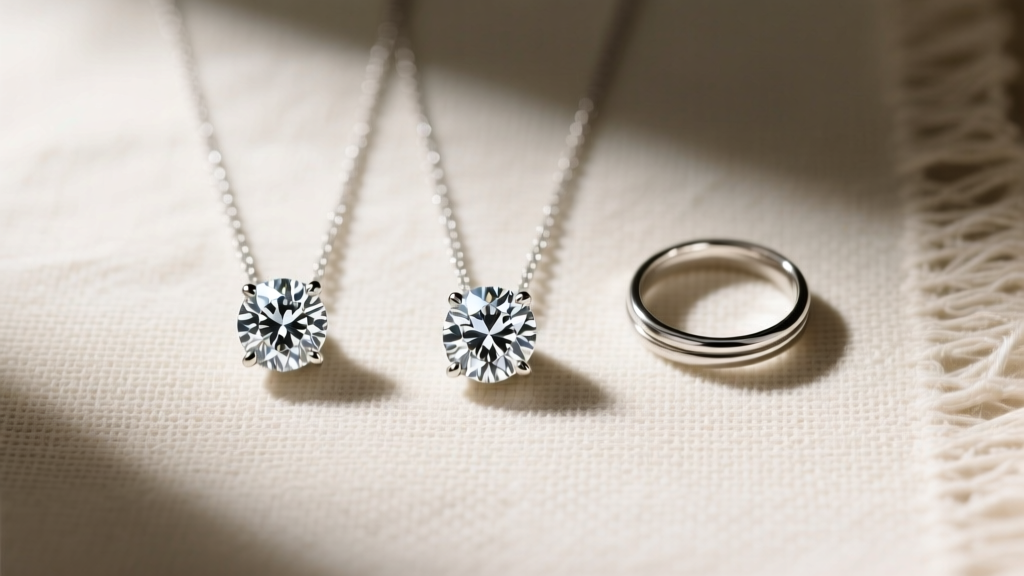
Brands that produce ultra-dainty jewelry with hollow clasps or open jump rings rarely offer robust repair policies because the cost of fixing the poorly made item exceeds its manufacturing cost. Look for brands that explicitly detail their chain-soldering services, prong-tightening warranties, and re-plating options for vermeil pieces. A transparent, accessible repair policy is the hallmark of a brand that views its jewelry as a long-term investment rather than a disposable accessory.
Final Checklist for Your Capsule Wardrobe
Vetting dainty jewelry brands requires a shift in perspective from passive consumer to active auditor. By demanding solid 14k alloys or properly microned vermeil, insisting on laser-welded jump rings, prioritizing bezel settings for micro-stones, and verifying comprehensive repair policies, you can curate a minimalist jewelry collection that survives the rigors of daily life. True luxury is not just about the delicate aesthetic; it is about the invisible engineering that allows that delicate aesthetic to endure.


