Indian Beaded Jewelry: A Beginner's Guide to Styles
Discover the rich heritage of Indian beaded jewelry. Learn to identify authentic Banjara and Rabari pieces, understand materials, and style them.

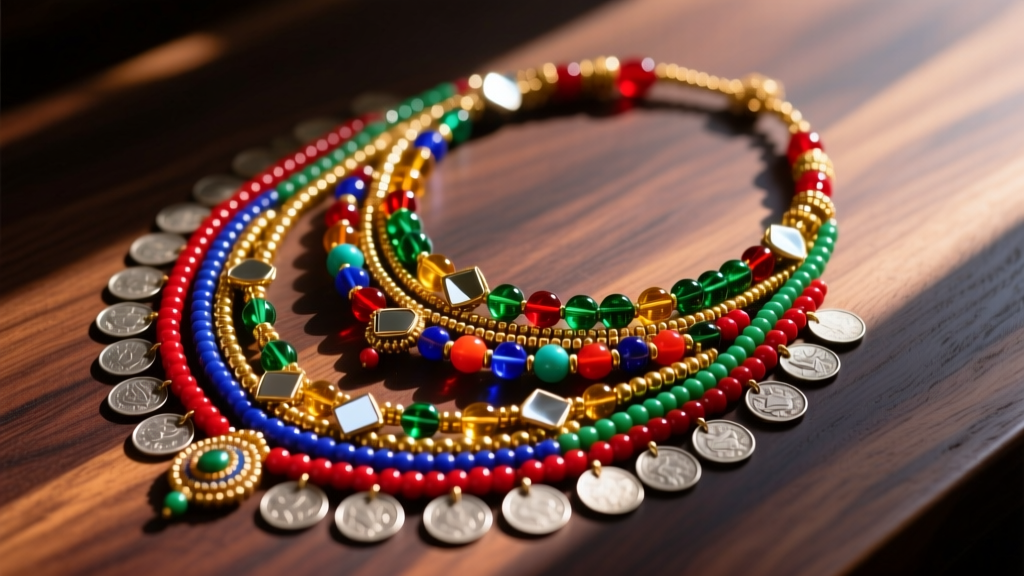
Introduction to Indian Beaded Jewelry
Indian beaded jewelry is far more than mere adornment; it is a wearable archive of the subcontinent's diverse cultural history, regional craftsmanship, and nomadic heritage. For beginners stepping into the world of regional and cultural jewelry, understanding the nuances of Indian beadwork is essential. Unlike mass-produced costume jewelry, authentic Indian beaded pieces carry the weight of centuries-old traditions, often utilizing techniques passed down through generations of tribal artisans. As of 2026, there is a massive resurgence in collectors and fashion enthusiasts seeking out sustainable, vintage, and ethically sourced tribal pieces over fast-fashion imitations. According to The Metropolitan Museum of Art, Indian jewelry has always served as both a spiritual talisman and a portable form of wealth for nomadic communities. This guide will break down the origins, materials, authentication methods, and modern styling techniques for Indian beaded jewelry, giving you the expertise needed to build a meaningful collection.
The Roots: Banjara, Rabari, and Tribal Heritage
To truly appreciate Indian beaded jewelry, one must look to the nomadic and semi-nomadic tribes of India, particularly the Banjara (or Lambani) and the Rabari communities. The Banjara people were historically salt merchants and transporters who traveled across the Indian subcontinent. Their jewelry was designed to be portable wealth, heavily incorporating glass beads, cowrie shells, and silver coins that could be easily carried and traded.
The Rabari tribe, primarily located in the arid regions of Gujarat and Rajasthan, utilizes beadwork that reflects their desert environment. Their pieces often feature dense, multi-strand necklaces made of vibrant glass beads, interspersed with heavy brass or silver pendants. The beadwork is not just decorative; the colors and patterns often denote marital status, age, and specific community affiliations. The Victoria and Albert Museum notes that the intricate combination of beadwork and mirror embroidery (shisha) in these tribal garments and accessories represents a profound cultural language, where every color and knot holds specific meaning.

Material Breakdown: What Are the Beads Actually Made Of?
A common mistake beginners make is assuming all beads in Indian jewelry are made of the same material. The subcontinent utilizes a vast array of bead materials, each with distinct physical properties, origins, and price points. Understanding these materials is critical for evaluating authenticity and determining proper care.
| Material | Origin / Characteristics | Durability (Mohs/Impact) | Avg. Price Range (USD) | Best For |
|---|---|---|---|---|
| Firozabad Glass | Hand-blown glass from the Firozabad region; vibrant, opaque colors. | 5.5 - 6.5 Mohs (Brittle) | $20 - $150 | Statement necklaces, bangles |
| Lac (Lakh) | Natural resin secreted by the Kerria lacca insect, mixed with rosin. | Low Impact Resistance | $15 - $80 | Bangles, lightweight earrings |
| Oxidized Silver | Sterling or high-purity silver treated with sulfur for a darkened patina. | 2.5 - 3 Mohs (Malleable) | $100 - $500+ | Heirloom pieces, spacers |
| Bone and Horn | Carved animal byproducts, often dyed or left natural; lightweight. | High Impact Resistance | $10 - $60 | Bohemian layering, everyday wear |
| Terracotta | Baked clay, often hand-painted with natural pigments and sealed. | Very Brittle | $5 - $40 | Festive wear, lightweight sets |
The Significance of Shisha (Mirror Work)
In many Banjara and Kutchi beaded pieces, you will find small mirrors integrated into the beadwork. Known as shisha, these mirrors were historically hand-blown and cut, resulting in slight irregularities. Today, while machine-cut glass is common in commercial pieces, authentic vintage jewelry will feature the slightly uneven, bubbled edges of hand-cut shisha, which catches the light in a uniquely organic way.
How to Spot Authentic Indian Beaded Jewelry
With the global rise in popularity of bohemian and tribal fashion, the market is flooded with factory-made replicas. Here is a practical framework for authenticating genuine Indian beaded jewelry:
- The Threading Test: Authentic tribal jewelry is strung on thick, hand-spun cotton, silk, or even animal sinew. If you examine the clasp or the spaces between beads and see clear nylon fishing line or synthetic elastic, the piece is likely a modern mass-produced replica.
- Weight and Temperature: Genuine Firozabad glass and silver beads are surprisingly heavy and cool to the touch. Plastic or acrylic imitations will feel lightweight and will quickly warm up to your body temperature.
- Imperfections in Shape: Hand-rolled and kiln-fired beads (like terracotta or traditional glass) will have slight variations in size and shape. Perfectly uniform, laser-cut beads are a hallmark of modern manufacturing.
- Clasp Construction: Vintage Banjara necklaces often do not have modern metal lobster clasps. Instead, they are finished with intricate macramé-style cotton knotting or simple fabric ties designed to be wrapped and secured.
When evaluating a piece of tribal Indian jewelry, look at the reverse side. Authentic artisans take pride in the structural integrity of the knotting, meaning the back of the beadwork should be nearly as neat and complex as the front.
Styling Traditional Beads for Modern Wardrobes
Integrating heavy, vibrant Indian beaded jewelry into a contemporary 2026 wardrobe requires a balance of contrast and proportion. The goal is to let the cultural piece act as the focal point without overwhelming your silhouette.

Contrast and Minimalism
Because traditional Rabari and Banjara necklaces feature dense, multi-colored patterns (often utilizing reds, yellows, greens, and blacks), they pair best with minimalist, monochromatic clothing. A chunky, multi-strand glass beaded choker looks striking against a crisp white linen button-down or a simple black turtleneck. The stark contrast allows the intricate beadwork and silver accents to pop.
Layering with Delicate Chains
For a more subtle approach, mix a single strand of smaller Indian glass beads with delicate, modern gold or silver chains. This bridges the gap between ethnic heritage and contemporary minimalism. Ensure the beads are spaced out enough to prevent the necklace from looking overly heavy or costume-like.
Care and Maintenance for Longevity
Proper care is essential to preserve the integrity of natural and handcrafted materials. Indian beaded jewelry requires specific maintenance routines depending on its composition.
Glass and Shisha: Clean with a soft, dry microfiber cloth. Avoid ultrasonic cleaners or harsh chemical dips, as these can degrade the cotton threading and dull the antique patina on any silver spacer beads. If the threading becomes frayed, take the piece to a professional jeweler who specializes in restringing with silk or cotton thread; do not attempt to restring with nylon, as it will alter the drape and historical accuracy of the piece.
Lac and Terracotta: Lac is highly sensitive to extreme heat and can become brittle in very cold temperatures. Store lac bangles and beaded pieces in a climate-controlled environment, wrapped in soft muslin cloth to prevent scratching. Terracotta beads, being essentially baked clay, are porous. Keep them away from perfumes, lotions, and excessive humidity, which can cause the natural pigments to bleed or the clay to soften over time.
Oxidized Silver Beads: The dark patina on oxidized silver is intentional and adds depth to the beadwork. Do not use silver polish, as it will strip the blackening from the crevices. Instead, gently rub the beads with a soft jewelry cloth to remove skin oils and environmental dirt, preserving the darkened contrast that makes the beadwork stand out.
By understanding the deep cultural roots, material realities, and proper care techniques, beginners can confidently explore and collect Indian beaded jewelry. These pieces are not just accessories; they are vibrant, tangible connections to the rich, nomadic histories of the Indian subcontinent. For further historical context on South Asian adornment, The British Museum Collection offers extensive archives on the evolution of tribal and classical Indian jewelry-making techniques.


