Navajo Jewelry Stamp Guide: 2026 Authentic Gift Match
Discover how to read a Navajo jewelry stamp to guarantee authenticity. Our 2026 guide matches genuine Diné silver and turquoise to every occasion.

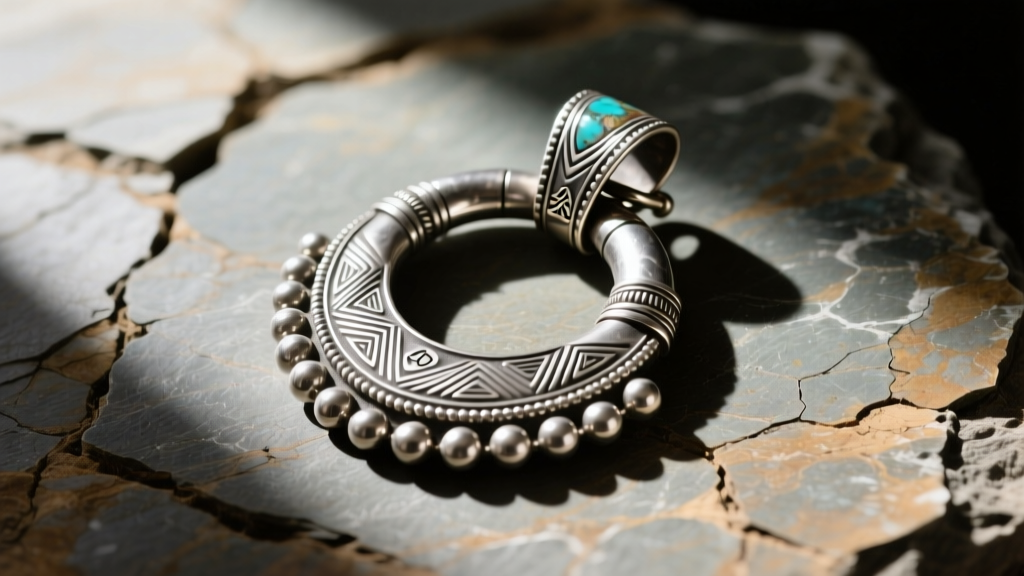
The Anatomy and History of the Navajo Jewelry Stamp
Gifting Native American jewelry is a profound way to honor heritage, artistry, and personal milestones. However, the market is saturated with mass-produced imitations. The single most critical factor in verifying authenticity and determining value is the navajo jewelry stamp (often called a hallmark). For the Diné (Navajo) people, silversmithing is a revered tradition, and the hallmark is the artist's definitive signature.
Historically, early Navajo silversmiths (circa 1870s–1930s) did not stamp their work. Pieces were sold to trading posts like the Bell Traders or Fred Harvey Company, which applied generic shop marks or assayer stamps. It wasn't until the Native American jewelry boom of the late 1960s and 1970s that individual artists began stamping their initials, clan symbols, or unique pictographs to claim authorship and build personal reputations.
Hand-Struck vs. Engraved: Reading the Mark
When examining a navajo jewelry stamp, authenticators look for the physical impression of the metal. A genuine hallmark is hand-struck with a steel die and a heavy mallet. Because of this manual process, the stamp will often be slightly uneven—deeper on one side where the hammer struck at an angle, or slightly blurred if the die shifted. Conversely, laser-etched, perfectly uniform, or machine-engraved marks are immediate red flags indicating overseas mass production.
Metallurgy and Material Grades Guaranteed by the Stamp
A maker's mark is a bond of trust regarding the materials used. Authentic Navajo silversmiths work primarily with two grades of silver, and understanding these is crucial for occasion matching and pricing.
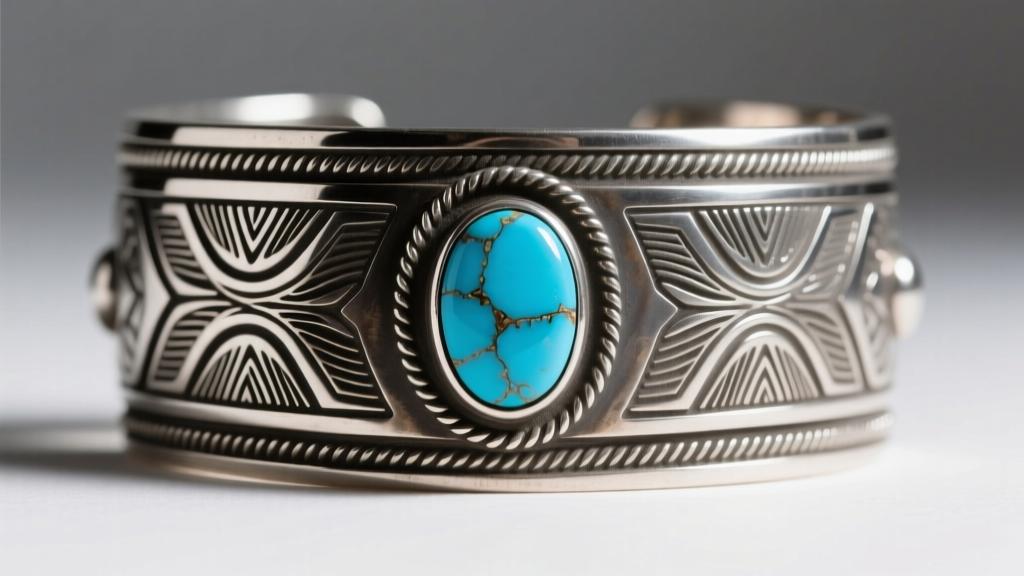
- Coin Silver (.900 Fine): Early vintage pieces (and some modern traditionalists) melt down pre-1965 US silver coins. Coin silver is slightly softer, allowing for deeper, more fluid repoussé and hand-stamping. It develops a warmer, darker patina over time.
- Sterling Silver (.925 Fine): The modern standard. Most contemporary Navajo jewelry is crafted from heavy-gauge sterling silver sheets or wire. A heavy cuff bracelet will typically be forged from 12 to 14-gauge silver, while intricate rings utilize 16 to 18-gauge shanks.
"The hallmark is not just a signature; it is a legal and cultural guarantee. Under the Indian Arts and Crafts Act, misrepresenting the origin of Native American jewelry is a federal offense." — Indian Arts and Crafts Board
Occasion Matching: Gifting by Stamp, Stone, and Silhouette
Matching the right piece to the right occasion requires understanding the hierarchy of Navajo silversmiths and the geological rarity of the stones they set. Below is a 2026 decision framework for gifting authentic, stamped Diné jewelry.
| Occasion | Piece Type | Stamp Profile & Gauge | Turquoise / Material | 2026 Price Range |
|---|---|---|---|---|
| 25th+ Anniversary | Squash Blossom Necklace | Master Smith Initial / 14ga Naja | Sleeping Beauty or Lander Blue | $4,500 - $15,000+ |
| College Graduation | Heavy Cuff Bracelet | Emerging Artist Pictograph / 12ga | Kingman or Royston | $800 - $2,500 |
| Wedding Band | Overlay or Stampwork Ring | Clan Symbol / 16ga Shank | Bisbee or No Stone (All Silver) | $450 - $950 |
| Heritage / Milestone | Concho Belt | Established Guild Stamp / 18ga | Carico Lake or Fox | $3,000 - $8,000 |
Milestone Anniversaries: The Squash Blossom
For major anniversaries, a Squash Blossom necklace is the pinnacle of Navajo jewelry. Look for stamps belonging to established master smiths (e.g., the estate stamps of Tommy Singer or contemporary masters like Calvin Begay). The naja (crescent pendant) should feature high-domed, matrix-free Sleeping Beauty turquoise, commanding premium prices due to the mine's closure.
Graduations and Career Milestones: The Heavy Cuff
A 12-gauge sterling silver cuff bracelet represents strength and endurance. Emerging artists often use unique pictograph stamps (like a bear paw or cornstalk) rather than simple initials. Look for vibrant blue Kingman turquoise with deep brown or black pyrite matrix for a striking, everyday wearable piece.
Verifying Authenticity: Avoiding the "Fake Stamp" Trap
As prices for authentic Native American jewelry have surged, so has the sophistication of counterfeit stamps. Importers often cast molds from genuine vintage pieces, complete with a blurred, fake navajo jewelry stamp, and artificially oxidize the silver to mimic age.
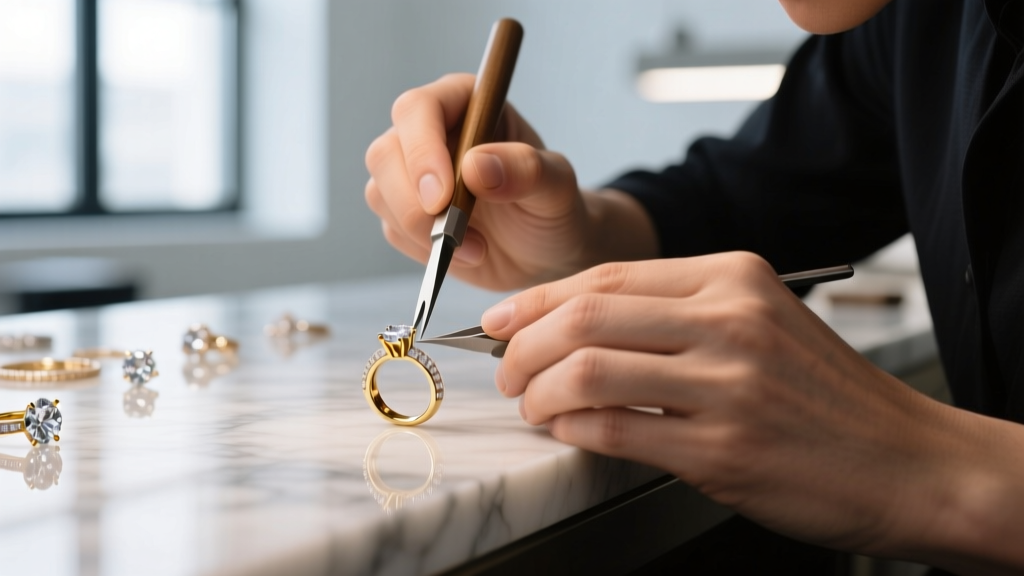
To protect your investment, utilize the following authentication checklist:
- Check the Bezel Work: Authentic Navajo smiths hand-cut and file their silver bezels to perfectly hug the cabochon. Mass-produced fakes often have gaps, excess glue, or machine-sawtooth bezels that do not lay flat against the stone.
- Analyze the Patina: Vintage coin silver tarnishes deeply in the recesses of the stampwork. Fake patinas often look uniformly gray or chemically applied, lacking the natural wear patterns of a piece handled over decades.
- Cross-Reference the Hallmark: Use databases and resources provided by institutions like the Southwestern Association for Indian Arts (SWAIA) to verify if an artist's stamp matches their known era and style.
Where to Source Stamped Pieces in 2026
When buying a gift that carries cultural and financial weight, provenance is everything. Avoid generic tourist shops near national parks, which frequently stock imported knockoffs. Instead, source directly from verified channels:
- The Heard Museum Guild Indian Fair & Market: Held annually in Phoenix, Arizona, this juried market guarantees that every stamped piece is crafted by an enrolled tribal member. Visit the Heard Museum for their vetted artist directories.
- Reservation Trading Posts: Establishments like the Hubbell Trading Post in Ganado, Arizona, maintain meticulous records of the artisans they represent, providing a certificate of authenticity that details the maker's stamp, silver weight, and stone origin.
- Direct-to-Artisan Co-ops: Many contemporary Diné silversmiths now sell directly through verified Native-owned online cooperatives, allowing you to commission a custom-stamped piece tailored to your recipient's specific wrist size or ring gauge.
Ultimately, a genuine navajo jewelry stamp is more than a marker of silver purity; it is a lineage of artistry. By understanding the nuances of the hallmark, the weight of the silver, and the origin of the stone, you ensure your 2026 gift is not just a beautiful accessory, but a culturally respected, enduring heirloom.


