Indian Headband Jewelry: 2026 Gift & Occasion Guide
Discover the perfect indian headband jewelry for every occasion. Our 2026 gift guide covers Native American beadwork and South Asian maang tikkas.

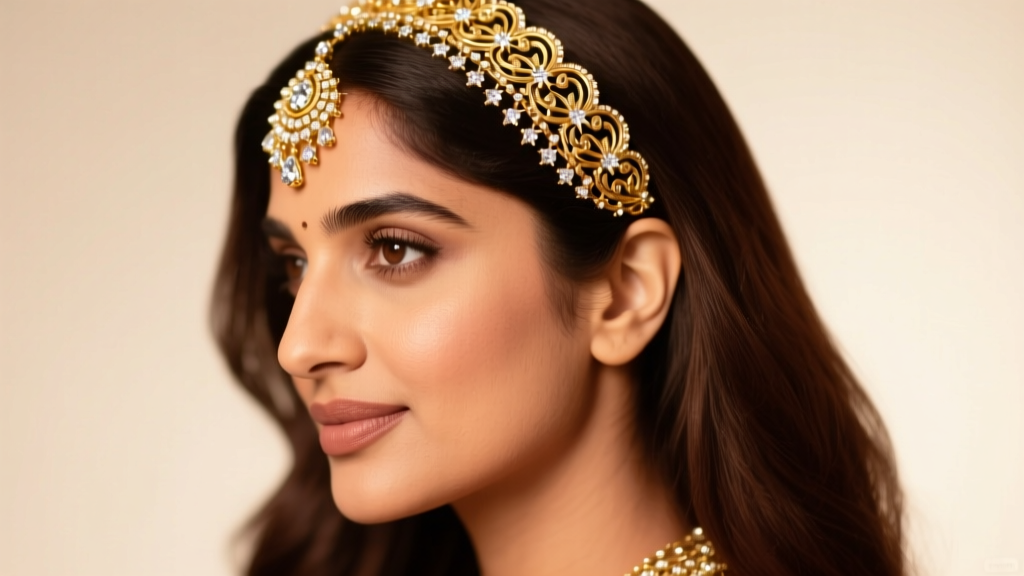
The Dual Heritage: Decoding the Term
When collectors and gift-givers search for indian headband jewelry, they are often navigating a fascinating intersection of two entirely distinct, yet equally rich, cultural traditions. In the global artisan market, this keyword serves as a bridge between the intricate forehead ornaments of South Asia (such as the Maang Tikka and Jhoomar) and the masterful silverwork, turquoise inlay, and loom beadwork of North American Indigenous tribes. Understanding this duality is critical for making culturally respectful, authentic, and aesthetically appropriate gifts in 2026.
This comprehensive guide breaks down the metallurgy, gemology, and cultural significance of both traditions, providing you with a precise framework for matching these stunning pieces to the right occasions, recipients, and styling needs.
South Asian Forehead Jewelry: Maang Tikka & Jhoomar
Originating from the Indian subcontinent, the Maang Tikka is a centerpiece of bridal and festive jewelry. It rests on the forehead, aligning with the Ajna chakra (the third eye), symbolizing spiritual awakening and the union of masculine and feminine energies. The Jhoomar, a related variation, is worn on the side of the head and is heavily favored in Punjabi and Pakistani bridal traditions.
Material Grades & Pricing Matrix
When gifting South Asian head jewelry, understanding the purity of the gold and the nature of the gemstones is essential for determining value and appropriateness. Below is a breakdown of the most common material configurations available in the 2026 market.
| Material & Technique | Purity / Grade | Price Range (USD) | Best Occasion | Weight Profile |
|---|---|---|---|---|
| 22k Hallmarked Gold with Polki | 91.6% Gold, Uncut Diamonds | $1,200 - $5,000+ | Weddings, Heirloom Gifting | Heavy (30g - 80g) |
| 18k Gold with Kundan | 75% Gold, Refined Glass/Foil | $400 - $1,500 | Engagements, Major Festivals | Medium (15g - 35g) |
| Gold-Plated Brass with CZ | Brass Base, Cubic Zirconia | $40 - $150 | Diwali Parties, Dance Recitals | Light (5g - 15g) |
| Oxidized Silver (Boho-Fusion) | .925 Sterling or German Silver | $60 - $250 | Art Festivals, Casual Gatherings | Medium (10g - 25g) |
For authentic heirloom gifts, always look for the BIS (Bureau of Indian Standards) hallmark on 22k pieces. Polki refers to uncut, raw diamonds set in gold foil, whereas Kundan traditionally uses highly refined glass or semi-precious stones set with 24k gold foil strips.
Native American & Indigenous Headpieces
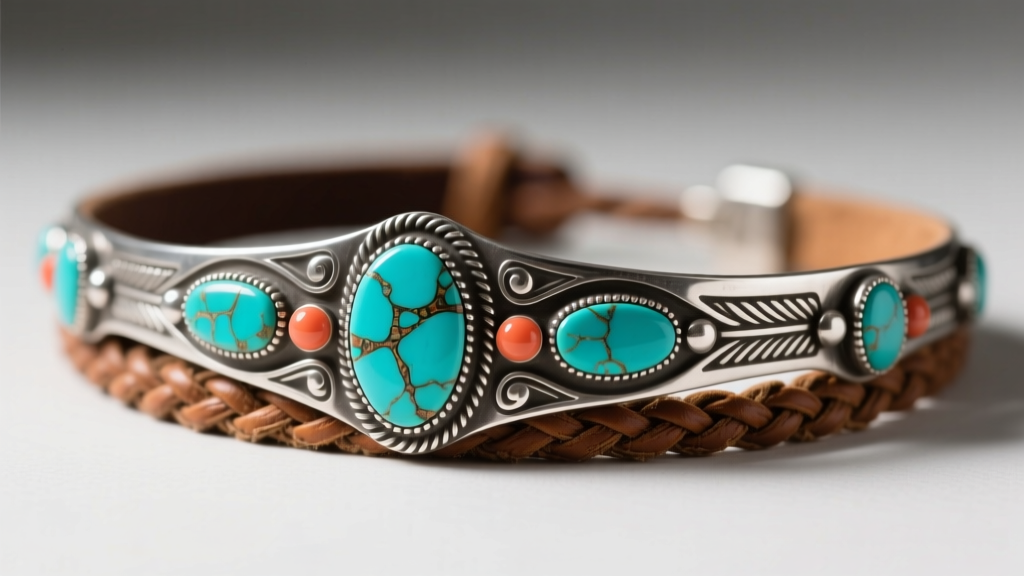
In the context of North American Indigenous artistry, 'Indian jewelry' is a recognized industry term governed by federal law. Headbands and headpieces from tribes such as the Navajo (Diné), Zuni, Hopi, and Plains nations are celebrated for their profound spiritual significance and unparalleled craftsmanship. These pieces range from intricate loom-beaded leather headbands to heavy sterling silver bands featuring tufa-cast motifs and channel-set turquoise.
Metallurgy and Gemstone Specifics
Authentic Native American silverwork primarily utilizes .925 sterling silver or coin silver (.900 purity). Artisans employ techniques like tufa casting (carving molds into porous volcanic rock) and stamp work (using handmade steel dies to create geometric patterns). When selecting turquoise-inlaid headbands, knowing the mine origin is crucial for valuation:
- Sleeping Beauty Turquoise: Known for its solid, robin's-egg blue color with little to no matrix (webbing). Often stabilized for durability in headpieces that may experience impact.
- Kingman Turquoise: Highly prized for its deep blue color and striking black or brown matrix. Natural, untreated Kingman stones command a premium price, often pushing artisan headbands into the $800 to $3,000+ range.
- Spiny Oyster Shell & Coral: Frequently paired with turquoise in Zuni and Santo Domingo (Kewa) Pueblo designs, providing a vivid red and orange contrast.
Occasion Matching Framework: What to Gift and When
Matching the specific style of head jewelry to the occasion ensures your gift is both culturally appropriate and practically wearable. Use this decision matrix to guide your purchase:
1. South Asian Bridal & Festive Gifting
If the recipient is a bride or attending a major cultural event like Diwali or Eid, a 22k gold Maang Tikka with Meenakari (enamel) work on the reverse is the ultimate gift. The dual-sided craftsmanship allows the piece to be worn with different colored outfits. Ensure the chain features an adjustable S-hook, which is far more secure than modern lobster clasps for heavy bridal pieces.
2. Powwows, Heritage Days, and Artisan Appreciation
Gifting a Native American beaded or silver headband is a profound gesture of respect for Indigenous artistry. These are often worn during Powwows, cultural gatherings, or displayed as wearable art. Crucial Note: Non-Indigenous individuals should approach wearing these items with extreme care, as many beaded and feathered headpieces hold sacred, earned, or ceremonial significance. When in doubt, gift these items to Indigenous recipients or purchase them as supported art pieces for display.
3. Music Festivals and Boho-Chic Styling
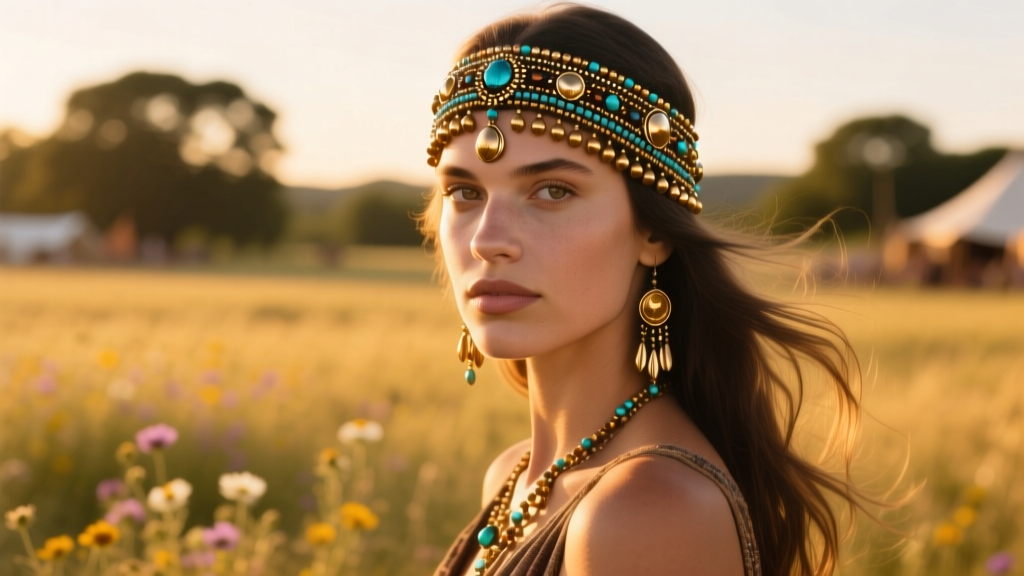
For the bohemian fashion enthusiast, a lightweight, brass-based South Asian Jhoomar or a contemporary, ethically sourced beaded headband offers a striking aesthetic. However, buyers must navigate the line between cultural appreciation and appropriation. Opt for contemporary fusion designers who explicitly collaborate with and compensate Indigenous or South Asian artisans, rather than buying mass-produced, culturally stripped knockoffs.
Sizing, Fit, and Wearability Troubleshooting
Head jewelry presents unique sizing challenges compared to rings or necklaces. A poorly fitted headpiece will slip, cause headaches, or fail to align correctly with the facial structure. Here is how to troubleshoot fit before and during wear:
- Maang Tikka Chain Length: The standard chain length is 12 to 14 inches. The pendant must rest exactly at the center of the hair parting, just above the brow. If the recipient has a higher hairline or voluminous hair, opt for a piece with an adjustable 16-inch chain or include a jeweler's extension link in your gift box.
- Weight Distribution: Heavy Polki or silver tufa-cast pieces (over 40 grams) will pull the hair. The traditional method of securing a Maang Tikka involves using the S-hook at the back of the head, anchoring it to a structural braid or bun, and using two bobby pins crossed over the chain at the hairline to distribute the weight.
- Native American Leather Headbands: These are typically sized by head circumference. Measure the recipient's head just above the ears and across the forehead. Standard sizes range from 21 inches (Small) to 23.5 inches (Large). Look for headbands with adjustable tie-backs or brass snaps rather than fixed elastic, which degrades over time and damages historic beadwork.
Authenticity & Ethical Sourcing Verification
The market for cultural jewelry is unfortunately saturated with mass-produced imitations. To ensure your gift is authentic, you must verify the provenance of the piece.
Under the Indian Arts and Crafts Act of 1990, it is illegal to offer or display for sale any art or craft product in a manner that falsely suggests it is Indian-produced when it is not. Always look for the artist's hallmark, tribal affiliation, and a Certificate of Authenticity when purchasing Native American silverwork or beadwork.
For South Asian gold jewelry, request the BIS hallmark certificate and verify the karatage. When evaluating turquoise in Indigenous pieces, consult resources like the Gemological Institute of America (GIA) to understand the difference between natural, stabilized, and dyed stones. Stabilized turquoise is an accepted industry practice for durability, but it must be disclosed, and it should not command the same premium as natural, untreated stones.
By understanding the deep cultural roots, precise material grades, and proper wearability of these pieces, you can select indian headband jewelry that serves not just as an accessory, but as a meaningful, historically grounded heirloom. Whether you are choosing a 22k gold Maang Tikka for a bride or a masterfully stamped Navajo silver band for a collector, prioritizing authenticity and ethical sourcing ensures your gift honors the artisans who keep these ancient traditions alive in 2026.


