Jewish Chai Jewelry Explained: Meaning, Styles, and Buying Guide
Discover the rich meaning behind Jewish Chai jewelry. Learn about styles, precious metals, pricing, and how to choose the perfect Chai pendant or ring.

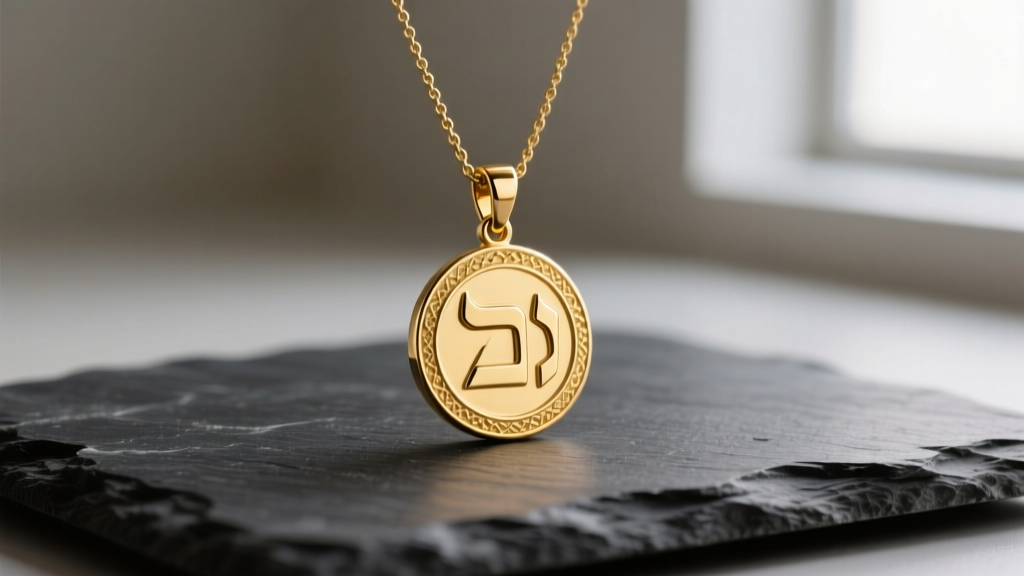
The Cultural and Spiritual Weight of Jewish Chai Jewelry
For those exploring meaningful cultural adornments, jewish chai jewelry stands out as a profound expression of heritage, faith, and vitality. Unlike purely decorative motifs, the Chai symbol carries centuries of theological and philosophical weight. Whether you are purchasing your first piece as a rite of passage, a Bar or Bat Mitzvah gift, or simply appreciating the geometric beauty of Hebrew calligraphy, understanding the nuances of this symbol is essential. This beginner-friendly guide breaks down the history, material considerations, and structural frameworks needed to select a piece that will last a lifetime.
Decoding the Symbol: Gematria and the Hebrew Alphabet
The word 'Chai' (חי) translates directly to 'life' or 'living' in Hebrew. It is composed of two letters: Chet (ח) and Yud (י). In the Jewish mystical tradition of Kabbalah and the system of Gematria (where letters correspond to numerical values), Chet equals 8 and Yud equals 10. Together, they sum to 18. This is why the number 18 is considered deeply auspicious in Jewish culture, often dictating the monetary value of charitable gifts or wedding presents (e.g., $18, $36, $180).
'The Chai symbol is more than an ornament; it is a daily, wearable affirmation of the sanctity and resilience of life.' — The Jewish Museum
When you wear a Chai pendant or ring, you are participating in a tradition that emphasizes living in the present and valuing life above all else, a concept heavily referenced in the Torah and explored deeply in texts analyzed by Chabad.org.
Anatomy of a Chai Pendant: Design Variations
The visual representation of the Chai can vary drastically depending on the artisan's approach and the wearer's aesthetic preference. The two primary typographic styles used in jewelry design are:
- Block Script (Stam): This is the traditional, square lettering used in Torah scrolls. It offers a bold, easily readable, and highly traditional look. The sharp angles of the block Chet and Yud make it ideal for cast metal pendants with clean, polished edges.
- Cursive or Rashi Script: A more fluid, modern, and artistic interpretation. Cursive Chai designs often feature intertwined letters, creating a continuous loop that symbolizes the eternal nature of life. These are popular in delicate, laser-cut gold jewelry.
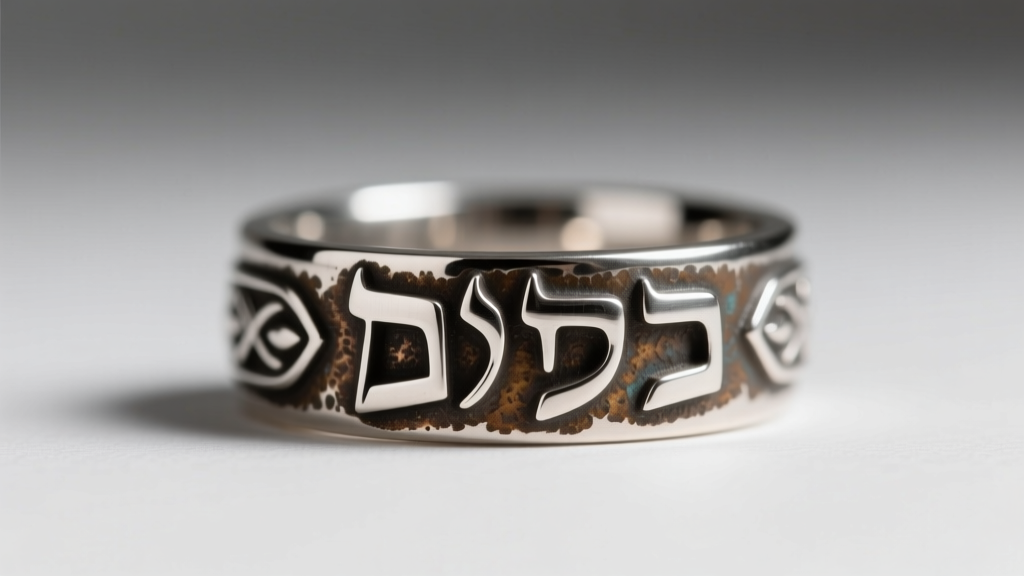
Solid vs. Cutout Silhouettes
Beyond typography, the structural silhouette plays a major role in durability. Solid cast pendants are heavier, more durable, and less prone to bending, making them ideal for daily wear or active lifestyles. Cutout (negative space) designs, where the letters are carved out of a solid circle or rectangle of metal, offer a modern, lightweight feel but require a thicker metal gauge (at least 1.2mm) to prevent the outer frame from warping under tension.
Material Selection: Durability, Allergies, and Pricing
Choosing the right metal is critical for both longevity and skin compatibility. Below is a comparative framework for the most common metals used in Chai jewelry.
| Metal | Purity Mark | Durability & Traits | Avg. Price Range (Pendant Only) |
|---|---|---|---|
| Sterling Silver | 925 | Moderate. Tarnishes over time; requires polishing. Hypoallergenic if nickel-free. | $40 - $150 |
| 14k Yellow Gold | 585 / 14K | High. Excellent for daily wear; resists scratching better than 18k. Warm tone. | $250 - $600 |
| 18k Yellow Gold | 750 / 18K | Moderate. Richer color but softer; prone to micro-scratches. Heirloom quality. | $500 - $1,200 |
| Platinum | PT950 | Exceptional. Dense, naturally white, hypoallergenic. Develops a patina over time. | $800 - $2,000+ |
Pro Tip: If opting for white gold, ensure the piece is rhodium-plated and verify with the jeweler that the alloy is nickel-free, as nickel allergies are a common cause of contact dermatitis in jewelry wearers.
Proportions, Sizing, and Chain Pairing Framework
A common mistake beginners make is mismatching the pendant size with an inadequate chain. The bail (the loop at the top of the pendant) must comfortably accommodate the chain's gauge and clasp.
- Pendant Size (10mm - 15mm): Best for subtle, layered looks. Pair with a 1.0mm to 1.2mm box or cable chain. Ensure the bail inner diameter is at least 2.5mm.
- Pendant Size (18mm - 25mm): The standard 'statement' size. Requires a sturdier chain to prevent snapping. Use a 1.5mm to 2.0mm wheat or rope chain. The bail should be 4mm x 3mm to allow a lobster claw clasp to pass through easily.
- Pendant Size (30mm+): Bold, traditional pieces often worn by men or as outerwear statement pieces. Requires a 2.5mm+ figaro or curb chain.
Clasp Mechanics
Always inspect the clasp. Lobster claw clasps are vastly superior to spring-ring clasps for anything heavier than 5 grams, as they feature a solid internal spring mechanism that is less likely to fail or catch on clothing.
Styling and Layering Techniques
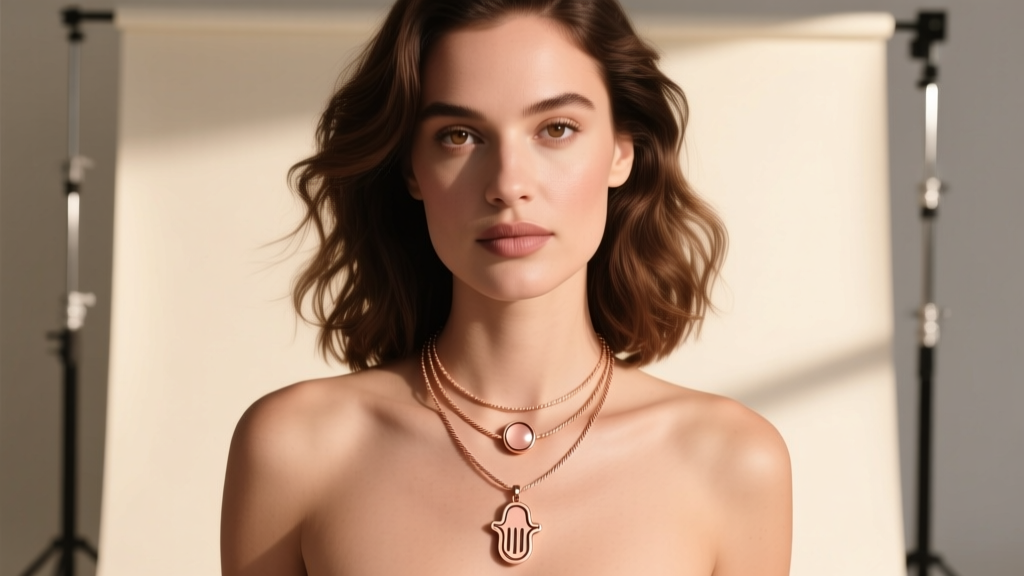
In 2026, the trend of 'meaningful stacking' continues to dominate. A Chai pendant pairs beautifully with other cultural or protective symbols when layered correctly. To avoid tangling, follow the 'two-inch rule': ensure each subsequent chain in your stack is at least two inches longer than the last. For example, wear a 16-inch delicate Hamsa chain, an 18-inch Chai pendant, and a 20-inch plain satellite chain. Mixing metals—such as a 14k yellow gold Chai with a sterling silver chain—is increasingly accepted and adds a modern, curated aesthetic to the traditional symbol.
Authenticity Marks and Smart Buying Practices
When investing in precious metals, always verify the hallmark. In the US and Israel, you should see stamps like '14K', '585', '18K', or '750' alongside a maker's mark. Be wary of online marketplaces offering 'solid gold' Chai pendants for under $100; these are almost invariably gold-plated brass or stainless steel. For authentic, high-quality pieces, seek out specialized Judaica artisans, established local jewelers, or verified heritage brands that provide a certificate of authenticity and a clear return policy. Proper care—such as removing the jewelry before swimming in chlorinated pools and storing it in an anti-tarnish pouch—will ensure your Chai jewelry remains a vibrant testament to life for generations.


