2026 Gift Guide: Sourcing Tucson Indian Jewelry Tucson AZ
Discover the ultimate 2026 gift guide for authentic Tucson Indian jewelry in Tucson AZ. Match Navajo, Hopi, and Zuni pieces to every special occasion.

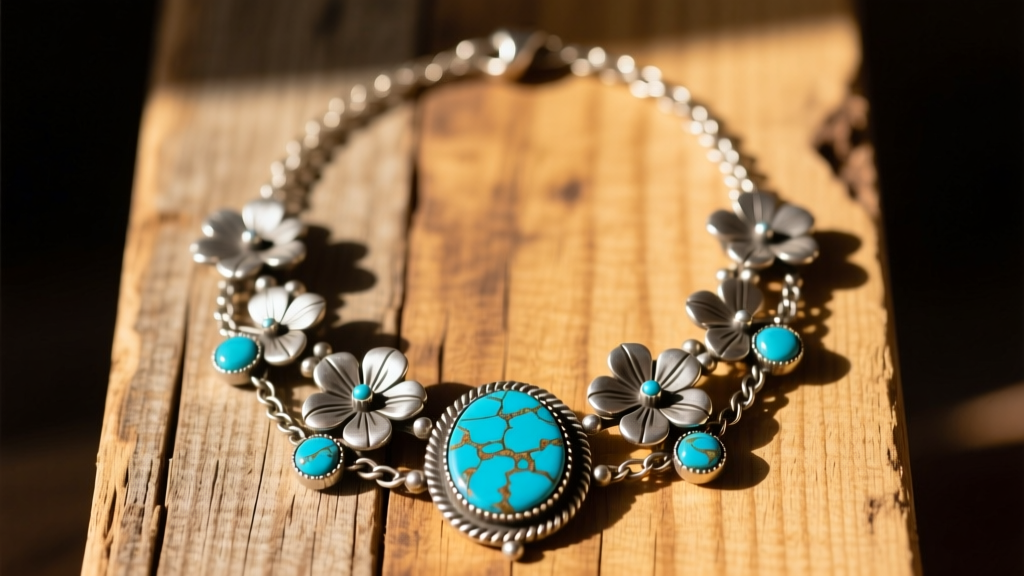
The Enduring Appeal of Southwestern Heritage Pieces
When selecting a meaningful gift that carries both historical weight and striking aesthetic value, few categories rival the craftsmanship of Southwestern Native American silversmithing. For collectors and gift-givers alike, sourcing authentic Tucson Indian jewelry Tucson AZ markets offer requires a discerning eye and an understanding of tribal distinctions. Tucson serves as a major hub for the trade of Navajo, Hopi, Zuni, and Santo Domingo jewelry, largely driven by its proximity to reservations and the massive annual gem and mineral shows. However, navigating this vibrant market in 2026 demands more than just a love for turquoise; it requires an understanding of material grades, hallmark verification, and occasion-specific matching. This comprehensive guide will help you select the perfect heritage piece for your loved ones while ensuring your investment supports legitimate Indigenous artisans.
The Legacy and Law of Southwestern Silversmithing
Before purchasing, it is critical to understand the legal and historical framework protecting these art forms. The Indian Arts and Crafts Board enforces the Indian Arts and Crafts Act of 1990, which makes it illegal to offer or sell any art or craft product in a manner that falsely suggests it is Indian-produced. When shopping in Tucson, reputable galleries will provide documentation of the artist’s tribal affiliation.
Expert Insight: True vintage and contemporary Native American jewelry is typically crafted from .925 sterling silver or traditional coin silver (.900 purity). Avoid pieces marked “Tibetan Silver” or “Alpaca,” as these are base metal alloys containing little to no actual silver and are frequently used in imported counterfeit goods.
Occasion Matching: Selecting the Right Heritage Piece
Different tribal styles and jewelry formats carry distinct visual weights and cultural significances, making them suitable for specific gifting occasions.
Weddings and Major Anniversaries: The Navajo Squash Blossom
For a milestone anniversary or a bold wedding statement, the Navajo Squash Blossom necklace is unparalleled. Originating in the late 19th century, this piece features a central Naja (crescent-shaped) pendant and fluted silver beads resembling pomegranate blossoms.
- Material Weight: Authentic, full-size squash blossom necklaces are heavy, typically weighing between 80 and 150 grams of solid sterling silver.
- Stone Selection: Look for natural, untreated turquoise rather than stabilized or dyed howlite.
- Pricing Tier: $1,200 to $4,500+ for contemporary masterwork; $5,000 to $15,000+ for verified vintage (1930s-1960s) pieces.
Graduations and Career Milestones: Hopi Silver Overlay
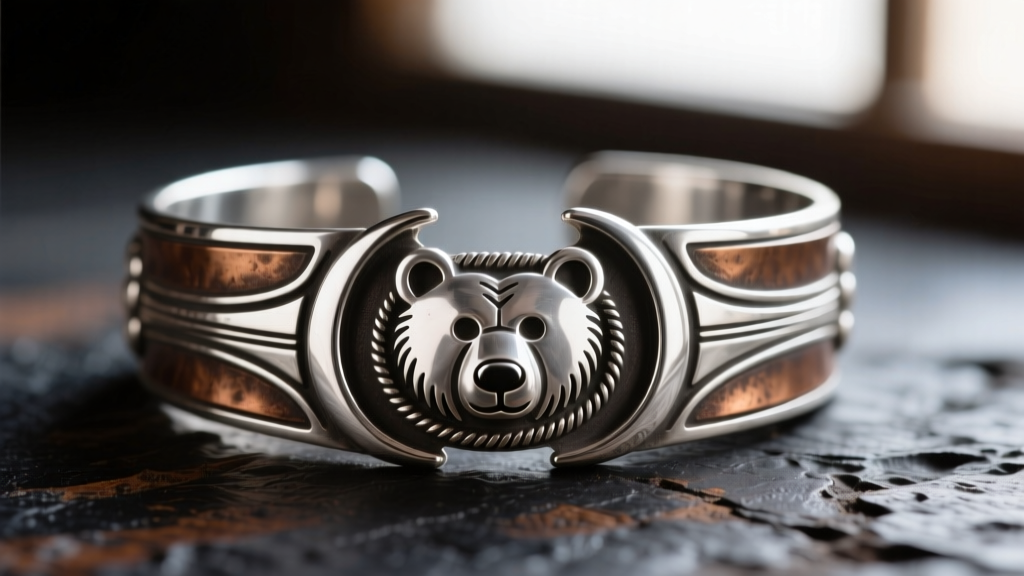
Hopi jewelry is instantly recognizable by its intricate silver overlay technique, which rarely incorporates gemstones. Artisans solder two sheets of silver together—the top sheet featuring a cut-out design (often representing water, clouds, or bear claws) and the bottom sheet oxidized and textured to create a striking 3D contrast. A heavy 14-gauge or 12-gauge Hopi overlay cuff bracelet is an exceptional gift for a graduation or career promotion, symbolizing resilience and deep-rooted heritage.
Corporate and Everyday Elegance: Zuni Needlepoint and Petit Point
For everyday wear or corporate environments where a massive silver cuff might be too loud, Zuni cluster work is the ideal choice. Zuni lapidaries are masters of stone cutting. “Needlepoint” features long, needle-thin cuts of turquoise set in individual silver bezels, while “Petit Point” uses tiny, uniform oval or teardrop stones. A delicate Zuni petit point pendant on a 1.5mm sterling silver rope chain offers a sophisticated, subtle pop of color perfect for the modern professional.
Material Matrix: Turquoise and Silver Grades
The value of Southwestern jewelry is heavily dictated by the origin and treatment of the turquoise. Use this matrix to evaluate stones when shopping in Tucson galleries.
| Turquoise Mine / Type | Color Profile & Matrix | Market Premium | Best Gifting Scenario |
|---|---|---|---|
| Sleeping Beauty | Robin’s egg blue, little to no matrix (veining). Often stabilized for durability. | Medium | Everyday wear, Zuni inlay pieces, corporate gifts. |
| Kingman | Deep sky blue to green with striking black or brown pyrite/quartz matrix. | High | Statement cuffs, squash blossom centerpieces, collector gifts. |
| Bisbee | Vivid blue with a distinct chocolate brown or reddish webbed matrix. Highly rare. | Very High | Milestone anniversaries, serious collectors, investment pieces. |
| Royston | Light to dark blue and green, heavy brown matrix. Very popular in Navajo stamp work. | Medium-High | Anniversary bands, bolo ties, unisex statement rings. |
Navigating Authenticity in the Desert
Tucson’s jewelry market is vast, but it is not immune to mass-produced imports. When evaluating a piece, turn it over and inspect the hallmark. Authentic Native American silversmiths typically stamp their initials, their full name, or a specific tribal symbol into the silver.
Furthermore, examine the bezel work (the silver wrapping around the stone). Handcrafted pieces will show slight, natural variations in the silver file work and bezel edges. If the bezels are perfectly uniform, microscopically smooth, and the piece lacks a clear artist hallmark, it is likely cast from a mold in an overseas factory. For deeper verification, consult resources provided by institutions like the Heard Museum, which offers extensive educational archives on identifying authentic Indigenous art and historical silversmithing techniques.
Sizing, Care, and Presentation
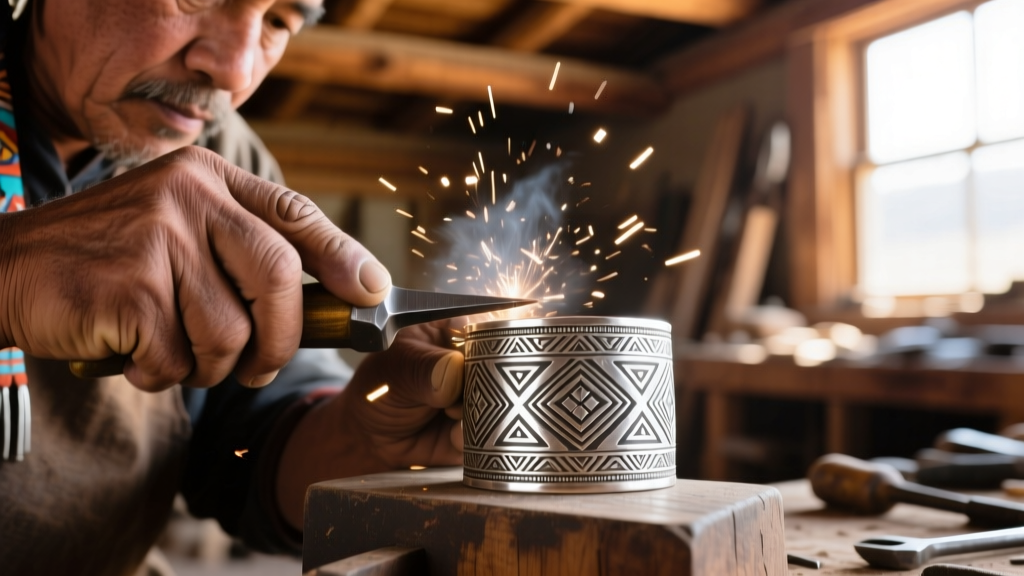
Gifting a cuff bracelet requires precise sizing, as bending heavy gauge silver repeatedly can cause the metal to fatigue and the set stones to pop out of their bezels. To determine the correct size, measure the recipient’s wrist circumference and add 1 to 1.25 inches to account for the front gap. A 6.5-inch wrist requires a cuff with a 5.5-inch silver span and a 1-inch gap.
Care Instructions to Include with Your Gift
When presenting your gift, include a care card detailing the specific needs of Southwestern jewelry:
- Never use ultrasonic cleaners: The high-frequency vibrations will shatter natural turquoise and loosen the silver bezels.
- Avoid chemical exposure: Turquoise is a porous phosphate mineral. Lotions, perfumes, and harsh soaps will alter its color and degrade the matrix over time.
- Polishing: Use only a soft, untreated microfiber cloth. Do not use liquid silver dips, as they will strip the intentional oxidation (antiquing) from Hopi overlay and Navajo stamp work, ruining the contrast.
Final Gifting Thoughts for 2026
Whether you are browsing the established galleries near the Arizona State Museum or attending the winter shows, purchasing Southwestern jewelry is an investment in living history. By prioritizing authentic hallmarks, understanding the nuances of turquoise origins, and matching the tribal style to the recipient’s lifestyle, you ensure your gift is not just a beautiful accessory, but a wearable heirloom that honors the rich cultural tapestry of the American Southwest.


