The 2026 Guide to Buying Celtic Friendship Knot Jewelry
Discover what to look for when buying Celtic friendship knot jewelry in 2026. Learn about metal grades, hallmarks, pricing, and craftsmanship red flags.

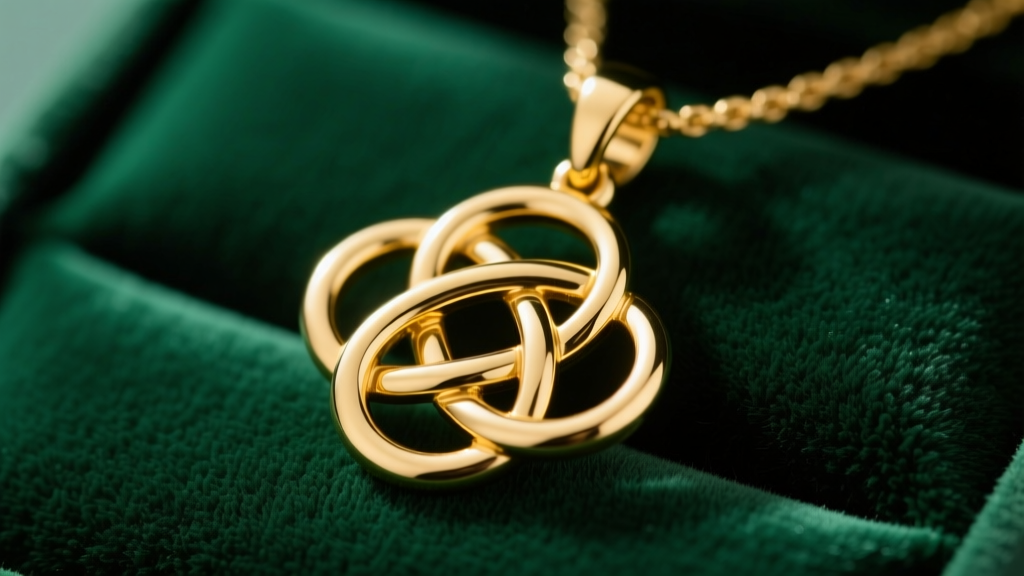
The Celtic friendship knot is more than just a beautiful aesthetic; it is a profound symbol of intertwined lives, loyalty, and an unbreakable bond. Unlike the three-pointed Trinity Knot (Triquetra), the traditional friendship knot often features an endless, continuous interwoven path with no distinct beginning or end, representing two separate paths joining into one harmonious loop. As we navigate the jewelry market in 2026, the surge in demand for heritage-inspired pieces has unfortunately brought a flood of mass-produced, low-quality imitations. Whether you are purchasing a meaningful gift or adding to your personal collection, understanding the metallurgy, craftsmanship markers, and historical authenticity of Celtic jewelry is essential.
Decoding the Knot: History Meets Modern Metallurgy
To truly appreciate Celtic friendship knot jewelry, one must look at its origins. According to the Victoria and Albert Museum, Celtic interlaced patterns gained prominence in the early medieval period, heavily influenced by the Insular art movement. These designs were not merely decorative; they were talismanic. Today, translating these ancient, fluid lines into wearable metal requires a deep understanding of structural integrity. A poorly designed knot will warp under daily wear, while a masterfully engineered piece will retain its geometric tension for generations. When evaluating a piece, you are not just buying metal; you are buying the artisan's ability to manipulate that metal into an endless, tension-bearing weave.
Material Grades & Authenticity: What to Look For
The intricate crevices of a friendship knot make material choice critical. Tarnish and dirt easily accumulate in the deep undercuts of the weave, making certain metals superior to others for daily wear.
Silver: 925 Sterling vs. Argentium 935
Traditional 925 sterling silver is the industry standard, but it requires frequent polishing. In 2026, top-tier artisans are increasingly utilizing Argentium Silver (935). Alloyed with germanium, Argentium is highly tarnish-resistant and possesses a natural, bright white luster that mimics platinum. For a complex knot where polishing the inner loops with a cloth is nearly impossible, Argentium is vastly superior to standard sterling.
Gold: 14k vs. 18k Durability
While 18k gold offers a richer, warmer yellow hue, it is softer. For a friendship knot ring or a bracelet charm that will endure friction and impact, 14k gold is the optimal choice. The higher alloy content provides the tensile strength needed to prevent the interwoven bands from bending out of their precise geometric alignment.
Hallmarks: The Ultimate Proof of Origin
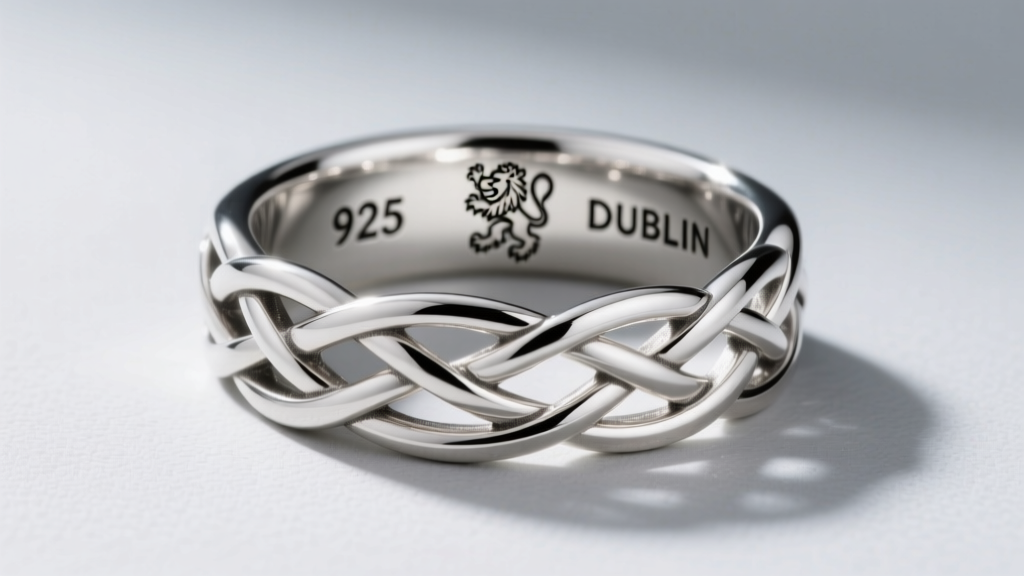
Authentic Celtic jewelry, particularly pieces originating from Ireland or Scotland, will bear official assay marks. The Dublin Assay Office stamps the Hibernia mark and the harp on verified Irish pieces. If a seller claims a piece is "authentic Irish heritage silver" but it lacks these stamped hallmarks inside the band or on the pendant bail, treat it as a mass-produced import.
Pricing Tiers & Market Realities
Understanding the pricing landscape prevents you from overpaying for dropshipped goods or underestimating the value of master craftsmanship. Below is the 2026 market breakdown for Celtic friendship knot jewelry:
| Tier | Material Standard | Price Range (USD) | Craftsmanship & Origin |
|---|---|---|---|
| Commercial | 925 Silver (Plated) | $25 - $60 | Overseas cast, blurred edges, no hallmarks, thin rhodium plating. |
| Artisan Cast | Argentium or 14k Gold | $120 - $350 | Small-batch lost-wax cast, hand-chased edges, official hallmarks. |
| Master Wrought | 18k Gold / Platinum | $800 - $2,500+ | Hand-forged or precision milled, deep undercut weaving, bespoke sizing. |
Craftsmanship Red Flags: Avoiding Mass-Produced Fakes
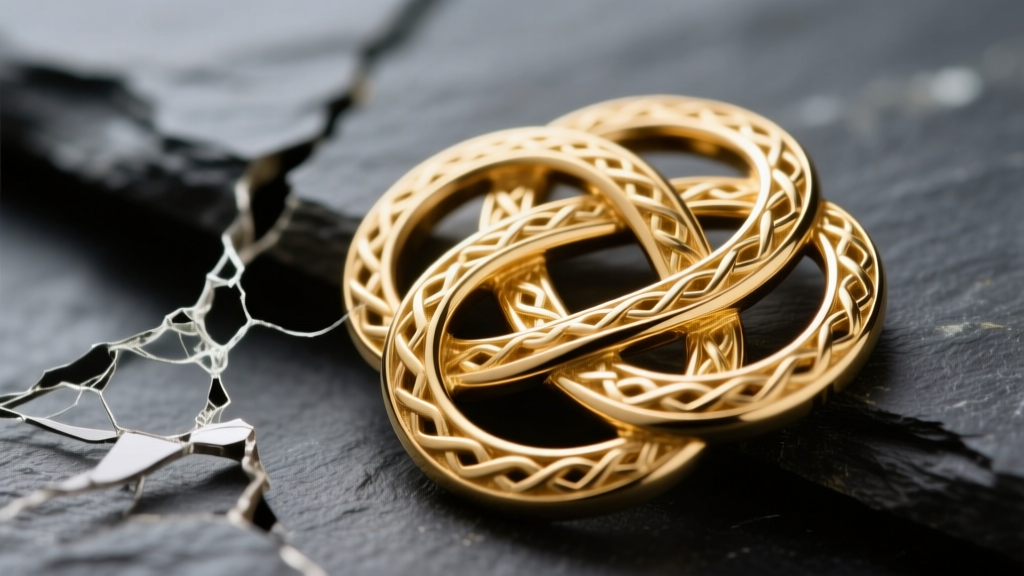
The true test of a Celtic knot's quality lies in its depth and relief. Many cheap pendants are stamped or cast from low-resolution 3D models, resulting in a "melted" appearance where the overlapping bands blend together without clear definition.
- Look for Undercutting: In high-end pieces, the artisan uses a burin to carve away metal beneath the overlapping band. This creates a shadow line that tricks the eye into seeing two distinct, woven pieces of metal rather than a single flat casting.
- Examine the Solder Joints: If you are buying a knot ring, inspect the inside of the band. A visible, thick, or discolored solder line indicates poor assembly. Master jewelers use laser welding or perfectly matched hard solder that is entirely invisible to the naked eye.
- Bail Proportions: For pendants, the bail (the loop the chain passes through) should be seamlessly integrated into the knot's geometry, not merely glued or soldered on as an afterthought.
Sizing, Wearability, and Chain Pairing
The structural complexity of the friendship knot dictates how it should be worn. A heavy, solid gold knot pendant requires a chain that can support its weight without kinking or snapping. Avoid snake chains entirely; their interlocking links easily trap skin and hair, and once kinked, they cannot be repaired.
Instead, opt for a 2.0mm to 2.5mm box chain or a wheat (spiga) chain. These styles offer immense tensile strength and complement the geometric nature of the Celtic weave. For rings, because the interwoven design often creates an uneven inner band, it is highly recommended to order a quarter-size up from your standard ring size and request a "comfort fit" interior dome from the jeweler to prevent the knot's ridges from digging into your finger.
Caring for Intricate Interwoven Metals
Maintaining the brilliance of a friendship knot requires specific techniques, as traditional polishing cloths cannot reach the deep crevices of the weave.
"Never use harsh chemical dips or silver polish pastes on intricate Celtic knotwork. These substances can become trapped in the undercuts, drying into a chalky white residue that is nearly impossible to remove without professional ultrasonic intervention." - Heritage Jewelry Conservation Guidelines
For routine cleaning, use a few drops of mild dish soap in warm water and a soft-bristled baby toothbrush. Gently agitate the bristles along the grain of the metal weave. For unplated Argentium or high-karat gold, this method safely removes sebum and environmental dust without risking the removal of protective patinas or delicate rhodium plating. According to the National Museum of Ireland, preserving the integrity of historical metalwork relies on gentle, non-abrasive maintenance—a principle that applies perfectly to your modern heirlooms.
By prioritizing premium alloys like Argentium, demanding authentic assay hallmarks, and scrutinizing the depth of the metalwork, you ensure that the Celtic friendship knot jewelry you purchase in 2026 will remain a flawless symbol of connection for decades to come.


