Assessing Greek Eye Jewelry: Budget Guide & Material Value
Discover how to assess Greek eye jewelry value. Compare pricing tiers, glass vs. gemstone mati, and metal grades to make smart budget decisions.

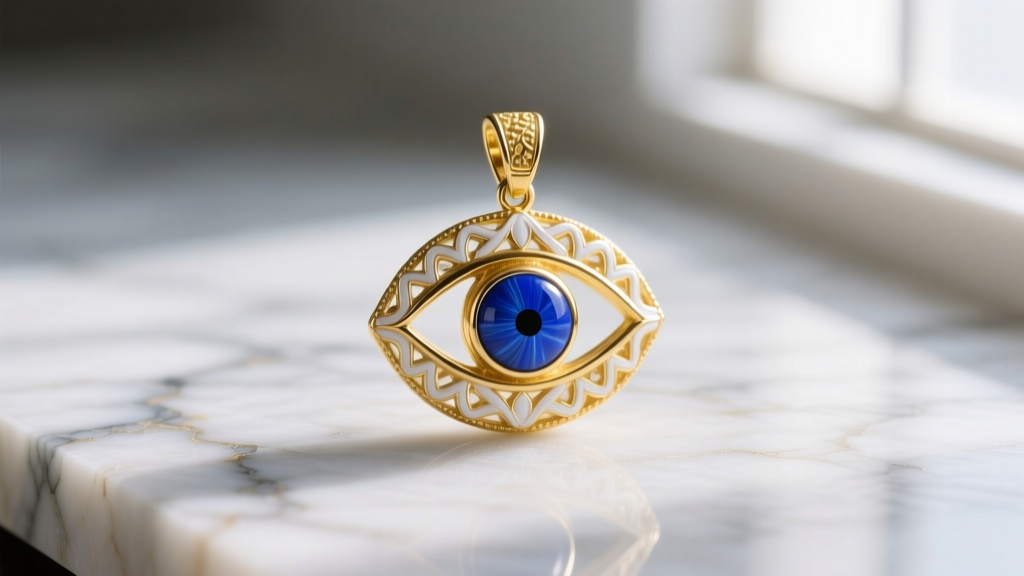
The Anatomy and Cultural Weight of the Mati
The Greek eye, universally known as the Mati (μάτι), is far more than a trendy aesthetic; it is a centuries-old apotropaic amulet designed to ward off the 'evil eye' curse. In the contemporary jewelry market, the explosion of demand has led to a saturated landscape ranging from $5 tourist trinkets to $5,000 bespoke fine jewelry pieces. For the discerning buyer, assessing the true value of Greek eye jewelry requires looking past the iconic cobalt-and-white motif and deeply evaluating material integrity, craftsmanship, and gemological grading.
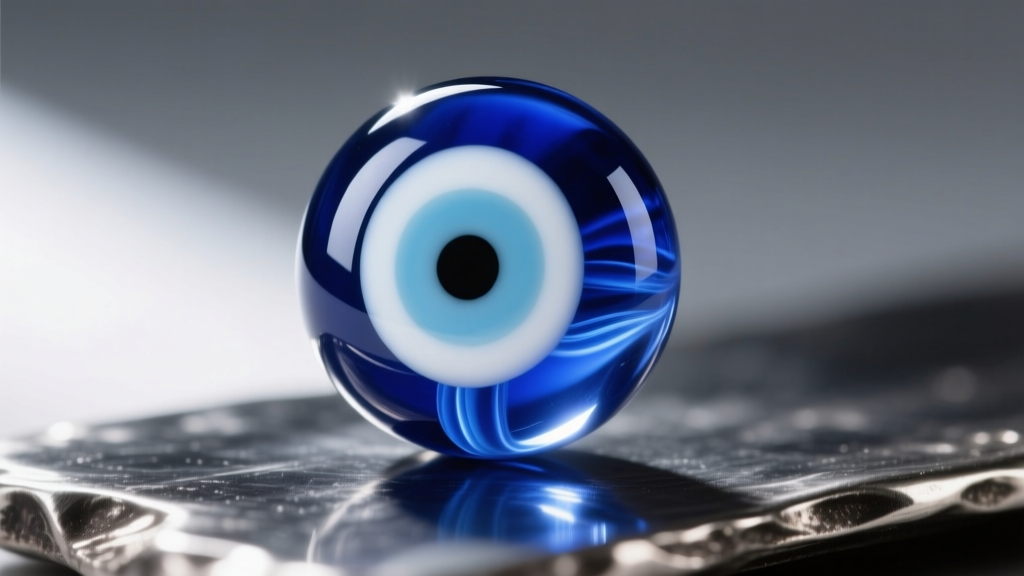
"The traditional Mati relies on a specific concentric geometry: an outer dark blue ring, a white border, a light blue inner circle, and a black pupil. Deviations in these proportions or colors often indicate mass-produced counterfeits rather than authentic Hellenic craftsmanship."
With precious metal markets experiencing historic volatility and peaks in 2026, understanding the exact composition of your jewelry is the only way to ensure you are paying for intrinsic value rather than marketing markup. This guide breaks down the budget and value assessment of Greek eye jewelry across three critical vectors: the 'eye' material, the metal setting, and the structural engineering of the piece.
The Core: Glass vs. Genuine Gemstones
The most significant price driver in Greek eye jewelry is the material used to create the eye itself. Manufacturers utilize everything from fragile soda-lime glass to high-grade precious gemstones. Here is how to evaluate what you are actually buying.
1. Soda-Lime and Borosilicate Glass
Over 80% of the market consists of glass eyes. Mass-market pieces use soda-lime glass (Mohs hardness of ~5.5), which scratches easily and clouds over time when exposed to skin oils and lotions. Artisan jewelers, however, use lampworked borosilicate glass or Murano-style glass. Borosilicate offers superior thermal shock resistance and a Mohs hardness of ~6.5, retaining its optical clarity for decades. If you are buying a glass Mati, expect to pay a premium (typically $60–$150) only if the artisan employs complex encasing techniques that prevent the internal layers from shifting or cracking.
2. Lapis Lazuli and Sapphire
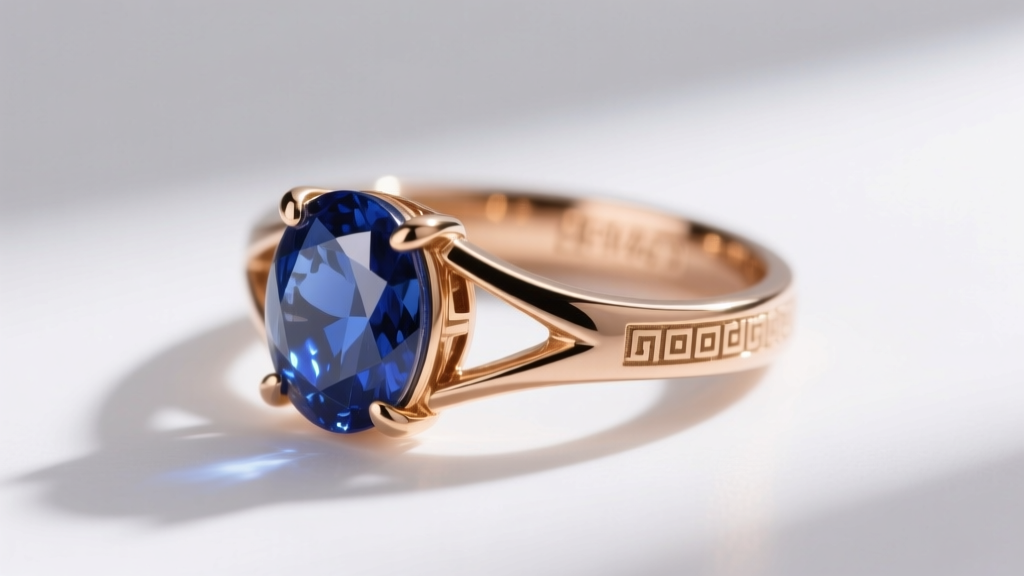
For fine jewelry, the blue layers of the eye are frequently carved from Lapis Lazuli or faceted from Blue Sapphire. According to the Gemological Institute of America (GIA), high-quality Lapis Lazuli should exhibit a rich, medium-dark, slightly greenish to violetish blue color. Stones heavily mottled with white calcite matrix are lower grade and should command a lower price. Sapphire (Mohs 9) is the ultimate investment for Greek eye rings, as it will not scratch from daily wear, unlike Lapis (Mohs 5-6) or glass, which will quickly show abrasion on the knuckles.
Metal Settings: Decoding Purity and Plating
The metal holding the Mati dictates the baseline scrap and intrinsic value of the piece. In 2026, the price gap between solid gold and gold-plated alternatives has widened significantly, making hallmark verification essential.
- Sterling Silver (925): The standard for mid-tier Greek eye jewelry. Ensure the piece is stamped '925'. High-quality silver pieces are plated with rhodium (0.1 to 0.5 microns thick) to prevent tarnishing. The Silver Institute notes that genuine sterling must contain exactly 92.5% pure silver; unmarked 'silver' pieces are often base metals like alpaca or nickel silver, which hold zero precious metal value and can cause contact dermatitis.
- Gold Vermeil vs. Gold Plated: Many brands market 'gold' Greek eye necklaces that are actually brass plated with a microscopic layer of gold (0.05 microns). True Gold Vermeil requires a sterling silver base coated with a minimum of 2.5 microns of 10k, 14k, or 18k gold. Always request the micron thickness from the seller before purchasing vermeil.
- Solid Karat Gold: For heirloom pieces, 14k gold (58.5% purity) offers the best durability for rings and bracelets, while 18k gold (75% purity) provides the rich, warm yellow hue preferred for pendants and earrings that do not endure heavy physical impact.
Greek Eye Jewelry Pricing Matrix
Use this matrix to benchmark retail prices against actual material costs and craftsmanship tiers. If a piece is priced in Tier 3 but features Tier 1 materials, you are overpaying for the brand name.
| Value Tier | Core Material | Metal Setting | Expected Price Range (USD) | Best Use Case |
|---|---|---|---|---|
| Tier 1: Souvenir | Soda-Lime Glass | Brass / Copper Alloy | $5 - $35 | Occasional travel wear |
| Tier 2: Commercial | Standard Glass / CZ | 925 Sterling Silver | $45 - $120 | Everyday fashion jewelry |
| Tier 3: Artisan | Borosilicate / Lapis | 14k Gold Vermeil | $150 - $450 | Curated boutique styling |
| Tier 4: Fine / Heirloom | Natural Sapphire | 18k Solid Gold | $800 - $3,500+ | Lifetime wear & investment |
Red Flags: Avoiding Overpriced Counterfeits
When assessing value, structural engineering is just as important as raw materials. A $2,000 sapphire Mati is a poor investment if the structural integrity is compromised. Watch out for these manufacturing shortcuts:
The Glued-In Eye
In mass-produced pieces, the glass or stone eye is simply glued into a flat metal bezel using industrial epoxy. Over time, exposure to UV light, perfumes, and sweat degrades the adhesive, causing the eye to fall out and shatter. High-value Greek eye jewelry utilizes mechanical settings—such as folded bezels, prongs, or friction-fit channels—to secure the stone permanently without adhesives.
Painted Enamel Over Base Metal
Many 'designer' brands charge upwards of $200 for Greek eye pendants that are merely stamped brass painted with cold enamel (epoxy resin). True vitreous enamel requires firing glass powder onto the metal at over 1,400°F. If the enamel looks plasticky or can be scratched with a fingernail, it is cold enamel, and the piece should not exceed the Tier 2 pricing bracket.
The Buyer's Framework: Investment vs. Everyday Wear
To maximize your budget, align your purchase with your lifestyle requirements using this decision framework:
- For Necklaces and Earrings (Low Impact): You can safely allocate your budget toward intricate artisan glass or Lapis Lazuli set in 18k gold vermeil or solid 14k gold. These pieces do not face the abrasive forces of daily hand movements, allowing softer, more vibrant materials to shine without degrading.
- For Rings and Bracelets (High Impact): Never buy glass or Lapis Lazuli for a daily-wear Greek eye ring. The Mohs hardness is too low; the stone will scratch, chip, or crack within months. Reallocate your budget to a solid 14k or 18k gold band featuring a genuine Blue Sapphire cabochon or faceted center, secured in a protective bezel or low-profile prong setting.
- For Gifting and Heritage: If the piece is meant to be passed down as a cultural heirloom, bypass vermeil and glass entirely. Invest in Tier 4 solid gold and natural gemstones. The intrinsic scrap value of the gold combined with the gemological certification of the sapphire ensures the piece retains financial value alongside its profound cultural sentiment.
Ultimately, the value of Greek eye jewelry is not just in its ability to ward off negative energy, but in its capacity to endure. By demanding transparency in metal hallmarks, understanding gemstone hardness, and recognizing true mechanical craftsmanship, you can build a Mati collection that is both culturally authentic and financially sound.


