Troubleshooting Begay Navajo Jewelry: Authentication & Repair
Learn how to authenticate, clean, and repair Begay Navajo jewelry. Expert troubleshooting for loose turquoise, tufa cast cracks, and hallmarks.

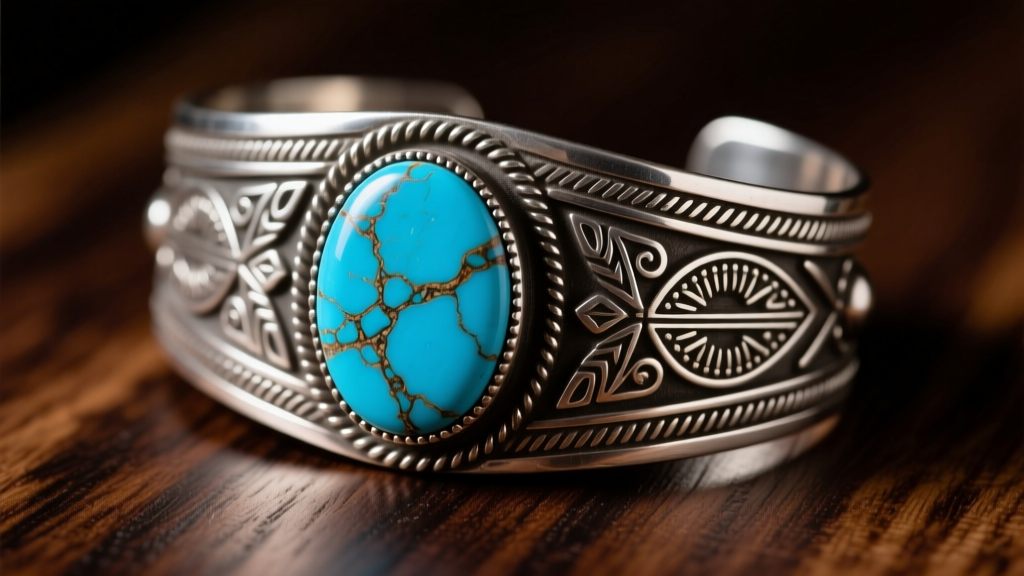
The Legacy and Metallurgy of Begay Navajo Silversmiths
When collectors and enthusiasts discuss high-end Southwestern adornments, Begay Navajo jewelry occupies a revered tier. Artisans from the Begay family—most notably the late Leonard Begay, alongside contemporaries like Gary and Aaron Begay—pioneered and perfected techniques that bridge traditional Navajo silversmithing with avant-garde metallurgy. However, owning vintage or contemporary pieces from these master craftsmen comes with a unique set of maintenance challenges. From the inherent fragility of tufa-casted silver to the complexities of preserving natural, untreated turquoise, troubleshooting these pieces requires a deep understanding of indigenous jewelry-making techniques.
In this comprehensive guide, we address the most common structural, aesthetic, and authentication problems associated with Begay Navajo jewelry, providing actionable, expert-level solutions to preserve both the monetary value and cultural integrity of your collection.
Problem 1: Verifying Authentic Begay Hallmarks
The secondary market is currently flooded with counterfeit Southwestern jewelry. As of 2026, counterfeiters have moved beyond simple cast copies and are using CNC laser engraving to replicate the hallmarks of renowned Navajo silversmiths. Authenticating a Begay piece requires looking past the surface text and examining the metallurgical evidence of the stamp itself.
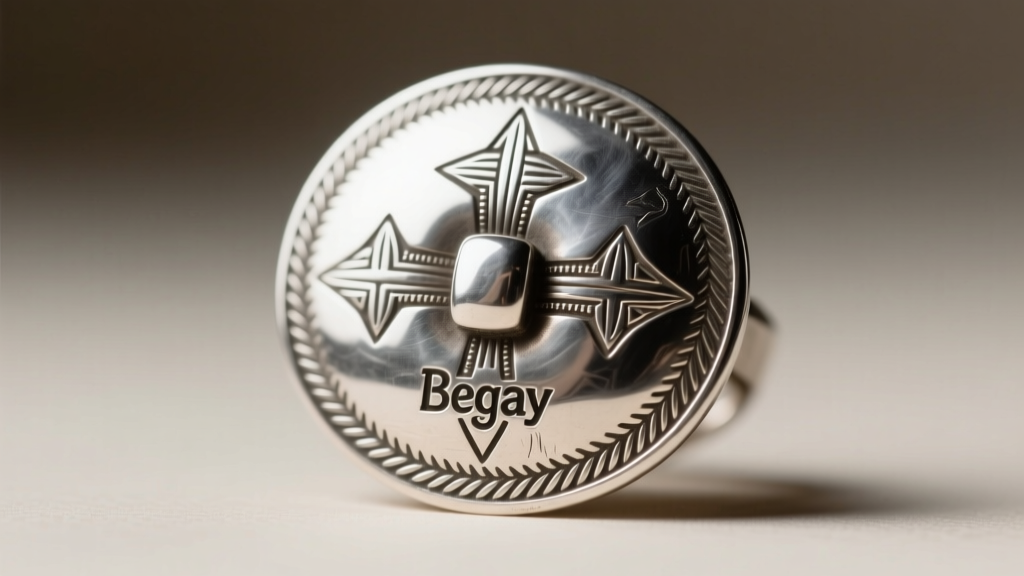
The Loupe Test: Struck vs. Laser-Etched
Traditional Navajo hallmarks are applied using a hardened steel die and a heavy brass mallet. This physical impact displaces the sterling silver (an alloy of 92.5% silver and 7.5% copper). When examining the hallmark with a 10x jeweler's loupe, you should look for the following:
- Displacement Ridges: Authentic hand-stamped hallmarks will show microscopic ridges of silver squeezed up around the edges of the letters.
- Uneven Depth: A hand-struck stamp is rarely perfectly level. One side of the letter will often be slightly deeper than the other due to the angle of the mallet strike.
- Patina Consistency: On vintage pieces, the oxidation (tarnish) inside the hallmark should match the age of the surrounding silver. Laser-etched fakes often have clean, sharp grooves that lack decades of natural patina buildup.
For definitive verification of indigenous authenticity and to ensure compliance with the Indian Arts and Crafts Act, collectors should cross-reference pieces with the Indian Arts and Crafts Board database and historical archives.
Problem 2: Troubleshooting Tufa Cast Silver Fractures
Leonard Begay was a master of tufa casting. This ancient technique involves carving a design into two halves of a porous volcanic tuff stone, binding them together, and pouring molten sterling silver into the mold. The resulting jewelry features a distinctive, pitted texture that mimics raw earth. However, the rapid cooling process and the porosity of the mold can leave microscopic air pockets within the silver, making tufa-casted cuffs and rings inherently more brittle than stamped or cast sheet silver.
Why Standard Soldering Fails
If a tufa-casted Begay cuff suffers a stress fracture from being dropped or bent, never attempt to repair it using a standard butane or oxy-acetylene torch. The intense, broad heat of a torch causes rapid thermal expansion. Because tufa-casted silver is dense yet porous, this sudden heat will almost certainly cause the surrounding silver to shatter or warp, destroying the artisan's original texture.
The Laser Welding Solution
The only safe method for repairing a fractured tufa cast is precision laser welding. A master jeweler will use a low-energy laser to fuse a 20-gauge sterling silver backing plate over the interior of the fracture. The laser penetrates only a fraction of a millimeter, bonding the silver without raising the ambient temperature of the surrounding piece. This preserves the structural integrity without melting the pitted exterior texture.
Problem 3: Loose Turquoise and Bezel Setting Failures
Navajo silversmiths traditionally use 22-gauge or 24-gauge dead-soft sterling silver wire to create bezel cups for cabochon stones. Over decades of wear, temperature fluctuations, and minor impacts, this work-hardened silver can relax, bend outward, or develop microscopic tears, leading to a loose turquoise stone. According to mineralogical data from Geology.com, natural turquoise is a relatively soft, porous phosphate mineral (Mohs hardness 5-6), making it highly vulnerable to falling out of a compromised bezel.
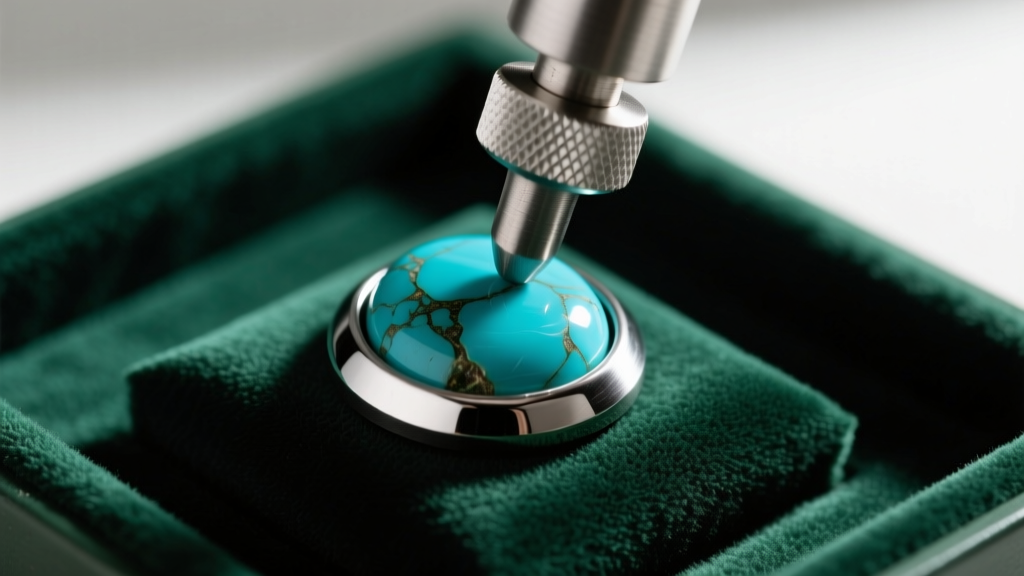
Repair Methods: What to Do and What to Avoid
When troubleshooting a loose stone in a Begay bracelet, the goal is to secure the mineral without introducing foreign chemicals that will permanently devalue the artifact.
| Repair Method | Process | Impact on Value | Expert Verdict |
|---|---|---|---|
| Bezel Pushing | Using a polished steel pusher to mechanically fold the silver wall back over the stone's edge. | Neutral / Positive | Recommended. The traditional, correct method for Navajo jewelry. |
| Burnishing | Rubbing the bezel edge with a hardened steel tool to smooth and tighten it against the cabochon. | Neutral | Recommended. Excellent for thick, heavy-gauge bezels typical of vintage cuffs. |
| Cyanoacrylate (Super Glue) | Applying liquid adhesive under the stone to hold it in place. | Severe Negative | Avoid. Glue seeps into the turquoise matrix, permanently staining and ruining the stone. |
| Jeweler's Epoxy | Using two-part resin to secure the base of the cabochon. | Moderate Negative | Avoid. While stronger than glue, it creates a permanent bond that prevents future safe stone removal. |
Problem 4: Reversing Improper Chemical Cleaning
One of the most frequent issues we see with inherited Begay Navajo jewelry is the accidental stripping of its intentional patina. Well-meaning owners often clean heavily oxidized cuffs using commercial liquid silver dips (like Tarn-X). These thiourea-based chemicals strip away all oxidation, leaving the piece a flat, blindingly bright white and completely erasing the dark antiquing that gives tufa-cast and deeply stamped jewelry its three-dimensional contrast.
Restoring the Patina with Liver of Sulfur
If your vintage Begay piece has been chemically stripped, you can restore the depth and contrast using a traditional liver of sulfur (LOS) solution. Follow these exact parameters to avoid over-oxidizing:
- Mix the Solution: Dissolve a pea-sized amount of liver of sulfur gel in one cup of warm (not hot) distilled water. The water should be roughly 100°F (38°C).
- The Dip: Submerge the cleaned, dry silver piece for exactly 15 to 30 seconds. You will watch the silver turn from yellow to copper, and finally to a deep gunmetal black.
- Neutralize: Immediately transfer the piece to a bowl of water mixed with a tablespoon of baking soda to halt the chemical reaction.
- Selective Polishing: Once dry, use a treated silver polishing cloth to gently buff only the high spots and raised edges. Leave the dark oxidation trapped inside the tufa pits and stamped grooves to restore the original artisan's contrast.
When to Seek a Master Navajo Silversmith
While basic bezel tightening and selective polishing can be performed by any competent local jeweler, severe structural issues require specialized care. If your Begay Navajo jewelry features a shattered matrix stone (like a highly prized Number 8 or Lander Blue turquoise) or a complex multi-stone coral and silver cluster that requires complete disassembly, you must seek out a contemporary Navajo silversmith.
Institutions like the Smithsonian National Museum of the American Indian frequently collaborate with indigenous artisan guilds and can provide directories of verified, master-level Native American jewelers who understand the cultural and historical significance of these pieces. Entrusting your jewelry to an artisan who understands the legacy of the Begay family ensures that the repair honors the original creator's intent, preserving a vital piece of Southwestern heritage for the next generation.


