Traditional African Jewelry: A Buyer's Value & Pricing Guide
Discover how to assess the value, authenticity, and fair market pricing of traditional African jewelry, from Tuareg silver to Maasai beadwork.

The Complex Market of Traditional African Jewelry
When collectors and enthusiasts begin exploring traditional African jewelry, they are immediately confronted with a market saturated by mass-produced replicas, 'airport art,' and genuine cultural artifacts. Assessing the true value of these pieces requires moving beyond aesthetic appreciation and understanding the material science, labor intensity, and cultural provenance behind each item. Unlike Western fine jewelry, where value is strictly dictated by gemstone carat weight and precious metal spot prices, the valuation of traditional African jewelry relies heavily on artisanal labor, symbolic coding, and historical authenticity.
In this comprehensive guide, we break down the pricing structures, material grades, and authentication frameworks you need to build a valuable, ethically sourced collection without overpaying for tourist-trap reproductions.
Material Breakdown: What You Are Actually Paying For
To accurately assess budget and value, you must first understand the raw materials utilized by different regional artisans. The intrinsic value of the metal or bead is often secondary to the technique used to shape it.
Tuareg Silver & Ebony: The Saharan Standard
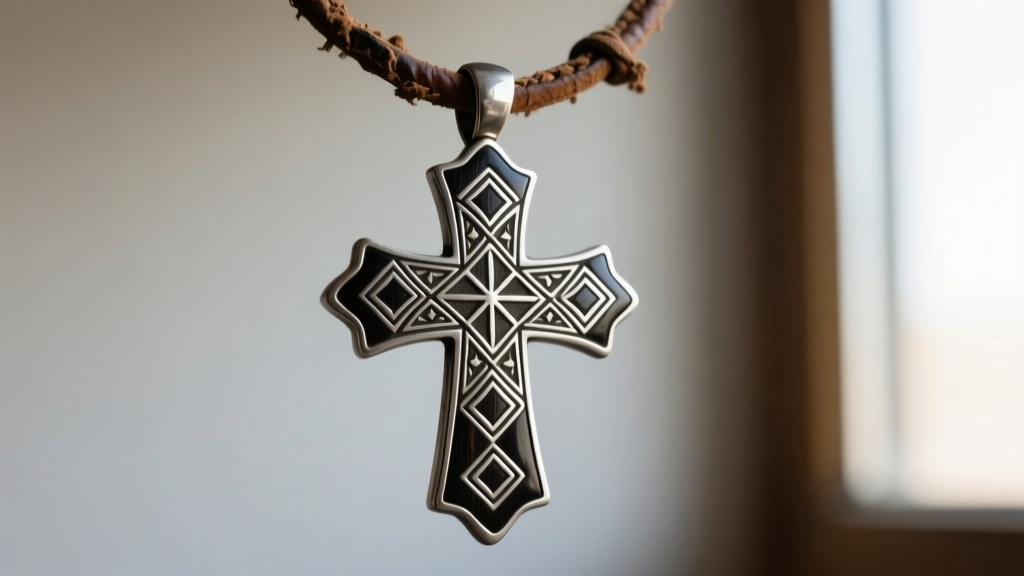
The Tuareg people of the Sahara are renowned for their intricate metalwork, particularly the famous Cross of Agadez. However, a common misconception among novice buyers is that Tuareg jewelry is made of 925 sterling silver. In reality, traditional Tuareg silversmiths typically use an 800-grade coin silver alloy (80% silver, 20% copper or nickel) because pure sterling is too soft to hold the deep, hand-chased geometric engravings without warping in the harsh desert climate.
Value Assessment: You are paying for the hand-forging process, not the silver spot price. A genuine, hand-engraved Tuareg pendant weighing 25 grams should cost between $60 and $120. If a vendor is pricing it strictly by the gram at premium sterling rates, they are inflating the cost. Furthermore, authentic pieces frequently incorporate ebony wood or vulcanite inlays. If the black inlay feels like plastic or emits a chemical odor when warmed by friction, it is a modern synthetic substitute, reducing the piece's value by at least 50%.
Maasai Beadwork: Labor Over Material
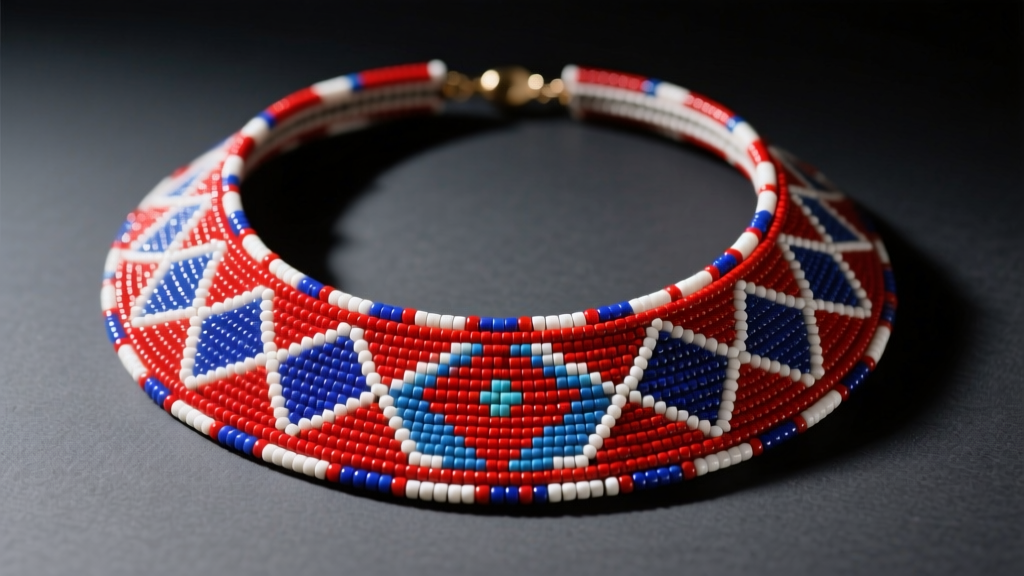
Maasai beadwork from Kenya and Tanzania is iconic, but its material value is inherently low. Historically crafted from clay, wood, and bone, modern Maasai jewelry utilizes imported Czech glass seed beads and 20- to 22-gauge brass or copper wire. The value here is entirely driven by the staggering labor hours and the strict cultural coding of the colors.
Value Assessment: A complex, multi-strand Maasai bridal collar (enkarewa) can take over 40 hours to weave. Fair trade pricing for an authentic, hand-woven collar ranges from $80 to $150. Conversely, factory-made replicas glued or loosely strung without traditional wire-weaving techniques sell for $5 to $15. To verify value, inspect the wire armature: authentic pieces use tightly coiled brass wire that provides structural rigidity, while fakes rely on flimsy cotton thread.
Ashanti Cast Brass: The Lost-Wax Legacy
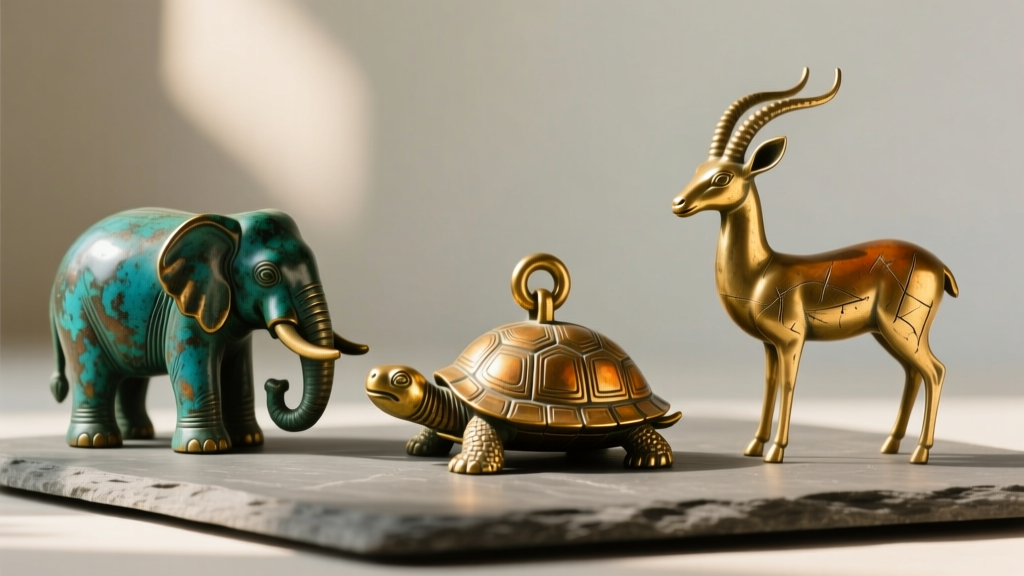
The Akan people of Ghana, particularly the Ashanti, have utilized the lost-wax casting method (cire perdue) for centuries to create goldweights and adornments. While historically used to weigh gold dust, these brass and bronze figures are now highly collectible. According to the Metropolitan Museum of Art, authentic antique goldweights exhibit a mastery of form that modern tourist-trade casts completely lack.
Value Assessment: Authentic mid-century or older brass goldweights typically range from $30 to $150 depending on the rarity of the proverb they represent. Modern die-cast reproductions sell for under $5. The value lies in the asymmetry and imperfections inherent to the lost-wax process; every genuine piece is a one-of-a-kind casting.
Value Assessment Matrix: Price Ranges & Red Flags
Use the following matrix to benchmark prices and identify immediate red flags when evaluating traditional African jewelry in galleries, online marketplaces, or direct from artisans.
| Style / Origin | Primary Materials | Fair Market Price (USD) | Authenticity Marker | Immediate Red Flag |
|---|---|---|---|---|
| Tuareg Crosses (Niger/Mali) | 800 Silver, Ebony, Leather | $60 - $150 | Asymmetrical hand-chasing, natural oxidation in crevices | Perfectly uniform stamping, lightweight plastic inlay |
| Maasai Collars (Kenya) | Czech Glass, Brass Wire | $80 - $150 | Rigid brass wire armature, complex geometric color coding | Glued beads, flimsy cotton thread, uniform machine patterns |
| Ashanti Goldweights (Ghana) | Brass, Bronze | $30 - $150+ | Seam lines from mold, varied natural patina, hollow bases | Uniform painted-on 'antique' finish, heavy solid casting |
| Berber Amazigh (Morocco) | Low-grade Silver, Coral, Amber | $100 - $300 | Hand-engraved niello work, natural resin inclusions | Bright yellow 'amber' that smells like pine when heated (copal) |
Spotting Fakes: The Authentication Framework
When investing in regional jewelry, the difference between a $20 trinket and a $200 cultural artifact often comes down to a few physical tests. As noted by curators at the British Museum, the patina and manufacturing marks are the most reliable indicators of age and origin.
The Patina and Smell Test
Genuine brass and bronze develop a complex, layered patina over decades of handling and exposure to the elements. This patina is usually asymmetrical, gathering in the recesses of the casting while remaining polished on the high points. Fake patina is often applied chemically or via paint, resulting in a uniform, muddy brown color that smells sharply of sulfur or ammonia when rubbed vigorously. Furthermore, old brass smells dull and earthy; newly cast tourist-trade brass smells sharply metallic, like fresh pennies.
The Heat and Friction Test for Resins
Many North and West African pieces feature large, opaque yellow or red beads sold as 'amber' or 'coral.' True fossilized amber is rare and expensive. Most traditional pieces actually use copal (a younger tree resin) or modern synthetic plastics. To test, rub the bead vigorously against a soft cloth until it is warm to the touch, then smell it. Copal will emit a distinct pine or sap-like scent, while modern plastic will smell acrid. Genuine antique amber will develop a slight static charge and will not melt or stick to a hot needle, whereas copal will become tacky.
Inspecting the Mold Lines
For cast metal pieces, examine the edges under a jeweler's loupe. Lost-wax casting leaves subtle, organic seam lines where the mold halves met, which the artisan usually files down but rarely perfects. Die-cast modern replicas will feature razor-sharp, perfectly uniform seam lines, or evidence of 'tumbling' (a machine process used to smooth rough edges en masse), which rounds off the sharp details of the original carving.
Where to Buy: Maximizing Your Budget
Your sourcing strategy directly impacts both the price you pay and the ethical footprint of your purchase. Buying from high-end Western galleries guarantees authenticity but carries a 200% to 400% markup. Conversely, buying direct from online marketplaces like Etsy or eBay requires rigorous vetting to avoid mass-produced imports from overseas factories.
The optimal budget strategy is to purchase from verified fair-trade cooperatives or specialized vintage dealers who source directly from regional artisans. For example, buying Tuareg jewelry directly from cooperatives in Niamey or Agadez (via trusted online proxies) ensures the silversmiths receive 80% of the retail price, while keeping your cost closer to the $50-$80 range for substantial pieces. Always request high-resolution macro photography of the clasp mechanisms, the back of the pendants, and the wire-wrapping techniques before committing to a purchase over $100.
Final Verdict: Value is in the Craft
Assessing the budget and value of traditional African jewelry requires a paradigm shift. You are not buying precious metals by the ounce; you are investing in centuries-old metallurgical techniques, intricate bead-weaving mathematics, and wearable cultural history. By focusing on the authenticity of the labor—checking for lost-wax imperfections, hand-chased asymmetry, and rigid wire armatures—you can build a profound, valuable collection that respects the artisans and protects your wallet from the tourist trade.


