Gifting An Ancient Egyptian Jewelry Ankh: 2026 Guide
Find the perfect ancient Egyptian jewelry ankh for any occasion. Our 2026 gift guide covers materials, historical meanings, and modern styling tips.

The Enduring Appeal of the Ankh in Modern Gifting
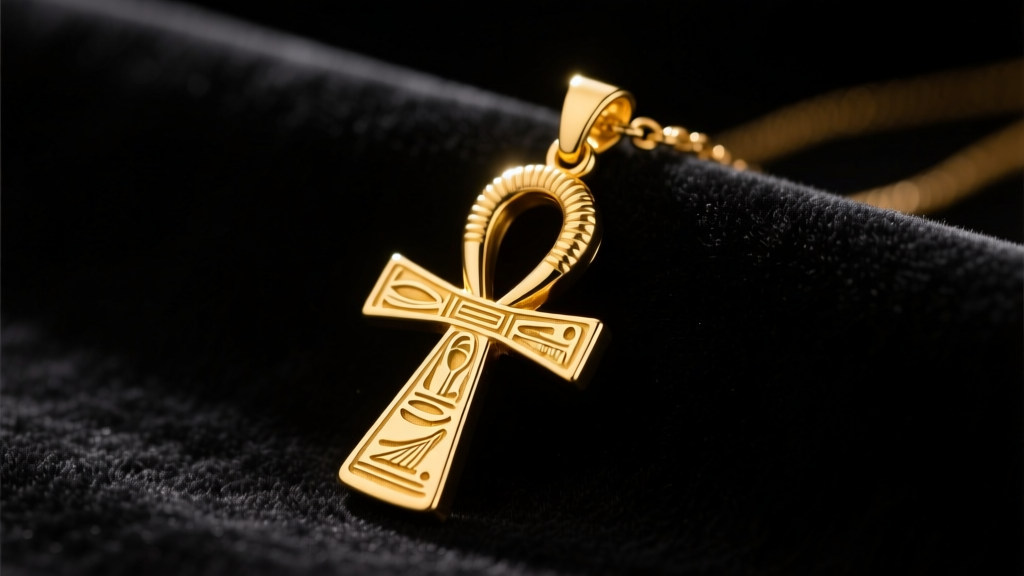
Gifting jewelry is an inherently intimate act, but presenting someone with an ancient Egyptian jewelry ankh elevates the gesture from a simple accessory exchange to the bestowal of a profound historical talisman. Originating in the Early Dynastic Period (c. 3150–2613 BCE), the ankh (☥) evolved from a utilitarian sandal strap hieroglyph into the ultimate emblem of divine breath, eternal vitality, and the key of life. In 2026, as consumers increasingly gravitate toward pieces with deep narrative roots and sustainable historical appreciation, the ankh has experienced a massive resurgence in luxury and artisanal markets.
However, navigating the market for an ancient Egyptian jewelry ankh requires a discerning eye. The space is flooded with mass-produced, historically inaccurate trinkets, making it essential to understand metallurgical grades, gemstone authenticity, and proportional sizing. Whether you are shopping for a museum-quality replica or a modern minimalist interpretation, this comprehensive guide will help you match the perfect piece to your recipient's milestone.
Decoding the Symbolism: Who Should Receive an Ankh?
The ankh is universally recognized as a symbol of life, but its nuanced meanings make it uniquely suited for specific life events. Understanding these contexts will help you articulate the 'why' behind your gift.
Milestone Birthdays and Graduations
Because the ankh represents the 'breath of life' and new beginnings, it is an exceptional gift for graduations, 18th or 21st birthdays, and career transitions. It symbolizes the unlocking of new potentials and the eternal nature of the soul's journey. For these occasions, lighter, more contemporary designs in sterling silver or 14k gold are ideal, as they suit the dynamic, everyday lifestyle of a younger recipient.
Weddings and Major Anniversaries
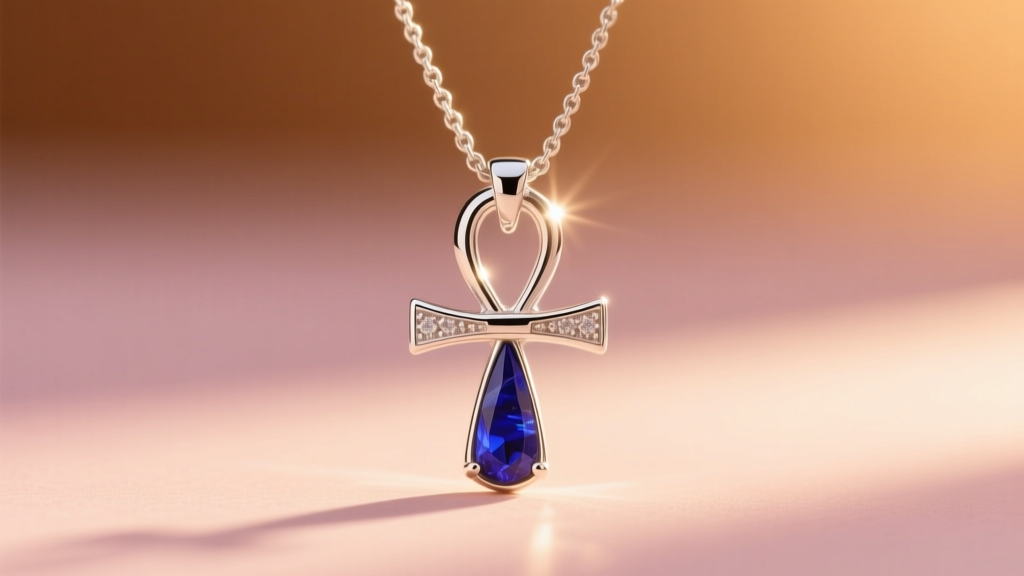
In ancient iconography, gods are frequently depicted holding the ankh to the noses of pharaohs, bestowing the breath of eternal life. This makes the symbol deeply romantic, representing a love that transcends mortality. For a 10th (aluminum/tin) or 15th (crystal) anniversary, an 18k gold ankh inlaid with lapis lazuli serves as a breathtaking, historically resonant alternative to traditional diamond jewelry.
Sympathy and Remembrance
When words fail, the ankh speaks volumes about the eternal nature of the human spirit. A subtle, oxidized silver or platinum ankh pendant is a deeply comforting gift for someone navigating loss, serving as a wearable reminder that life, in its broader cosmic sense, is continuous and unbroken.
Material Matters: Choosing the Right Metal and Gemstones
The authenticity and longevity of your gift depend entirely on its material composition. According to the British Museum, ancient artisans heavily favored gold for its association with the flesh of the gods, alongside vibrant gemstones like lapis lazuli, turquoise, and carnelian. Here is how those materials translate to the 2026 market.
| Material | Grade / Specification | 2026 Price Range (Pendant Only) | Best For |
|---|---|---|---|
| Yellow Gold | 14k (58.5%) vs 18k (75%) | $250 - $1,200+ | Anniversaries, heirloom gifting |
| Sterling Silver | 925 Stamp (Rhodium plated) | $45 - $180 | Graduations, everyday wear |
| Lapis Lazuli | Afghan (Deep blue, pyrite flecks) | $120 - $600 | Scholars, artists, spiritual seekers |
| Turquoise | Sleeping Beauty (Stabilized) | $90 - $450 | Bohemian styles, summer birthdays |
Gemological Deep Dive: Lapis Lazuli and Turquoise
If you are purchasing an ancient Egyptian jewelry ankh featuring gemstone inlays, you must verify the stone's origin and treatment. The Gemological Institute of America (GIA) notes that the finest lapis lazuli originates from Afghanistan's Sar-e-Sang mines, characterized by a rich, royal blue hue with minimal white calcite and striking golden pyrite flecks. Avoid stones that look uniformly flat or overly dyed.
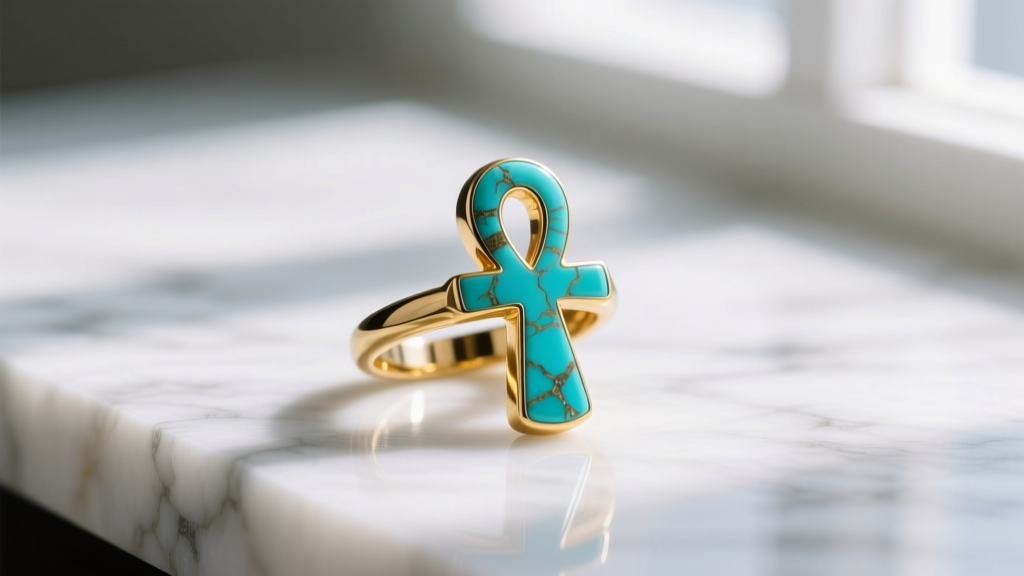
Turquoise, historically mined in the Sinai Peninsula, is highly porous. Modern high-quality pieces often use stabilized turquoise (treated with a clear epoxy to enhance durability and color) which is perfectly acceptable and standard in fine jewelry. However, beware of 'reconstituted' turquoise, which is essentially turquoise dust glued together and dyed. Always ask the jeweler for the specific treatment disclosure.
"The ankh was not merely decorative; it was a conduit for divine energy. When gifting a replica, the integrity of the materials honors the original spiritual intent of the artifact."
Sizing, Proportions, and Hardware Considerations
A common mistake when gifting pendants is ignoring the physical relationship between the ankh, the bail (the loop that holds the chain), and the chain itself. Ankh pendants range from delicate 15mm x 10mm charms to heavy, statement-making 60mm x 40mm pieces.
- The Bail Diameter: A heavy 18k gold ankh (approx. 12-18 grams) requires a bail with an inner diameter of at least 4.5mm. If the bail is too small, it will cause excessive friction and premature wear on delicate chains.
- Chain Pairing: For ankhs under 5 grams, a 1.2mm to 1.5mm rope or cable chain is sufficient. For heavier, gemstone-inlaid pieces, opt for a 2.5mm to 3.5mm wheat, box, or Figaro chain to ensure structural integrity.
- Length Guidelines: A 16-inch choker length suits smaller, minimalist ankhs. For larger, historically accurate replicas with intricate hieroglyphic engravings, an 18-inch or 20-inch chain allows the piece to rest on the sternum, providing the visual weight it deserves.
Authenticity vs. Modern Interpretations
When sourcing an ancient Egyptian jewelry ankh, you will generally encounter three distinct categories of design. Matching the design style to the recipient's personal aesthetic is crucial for a successful gift.
1. Museum-Grade Replicas
Institutions like The Metropolitan Museum of Art and the British Museum offer licensed, exact-scale replicas of specific archaeological finds. These pieces often feature the original's asymmetrical wear, specific casting techniques, and historically accurate alloy colors. They are the ultimate gift for history buffs, archaeologists, and museum patrons.
2. Artisanal Neo-Egyptian Designs
These pieces blend the traditional ankh silhouette with modern jewelry-making techniques, such as high-polish finishes, diamond pavé accents, or mixed-metal oxidation. They appeal to fashion-forward recipients who appreciate cultural motifs but prefer contemporary luxury aesthetics.
3. Minimalist and Geometric
Stripped of hieroglyphic detailing and reduced to pure, clean lines, minimalist ankhs are often crafted in matte-finish platinum or recycled silver. These are ideal for everyday wearers, professionals, and those who favor subtle, understated symbolism.
Troubleshooting the Market: Red Flags to Avoid
To ensure your gift is a cherished heirloom rather than a disposable trinket, watch out for these common market deceptions:
- The 'Egyptian Silver' Stamp: This is not a recognized metallurgical standard. It often denotes low-grade nickel alloys or silver-plated brass that will cause contact dermatitis. Always demand a '925' or 'Sterling' hallmark.
- Hollow-Backed Castings: Many mass-produced gold ankhs are hollowed out on the reverse to save on metal costs. While lighter, they are prone to denting and cannot be easily repaired by a bench jeweler if damaged.
- Glued-In Inlays: High-quality ancient Egyptian jewelry ankh designs feature bezel-set or precision-channel-set gemstones. If you see visible epoxy glue around the lapis or turquoise edges, the piece is of inferior craftsmanship.
Final Thoughts on Gifting the Key of Life
Presenting an ancient Egyptian jewelry ankh is a deeply thoughtful act that bridges millennia of human history with a personal milestone. By prioritizing solid metallurgical grades, ethically sourced and properly treated gemstones, and structurally sound hardware, you ensure that your gift will endure just as the symbol itself has. Whether chosen for its historical fidelity or its sleek modern adaptation, the ankh remains one of the most powerful, universally understood emblems of life, making it an unforgettable gift for the people who bring vitality to your own world.


