Greek Jewelry Designers: 2026 Buying Guide & What To Look For
Discover top Greek jewelry designers in our 2026 buying guide. Learn what to look for, from 18k gold hallmarks to authentic meander motifs.

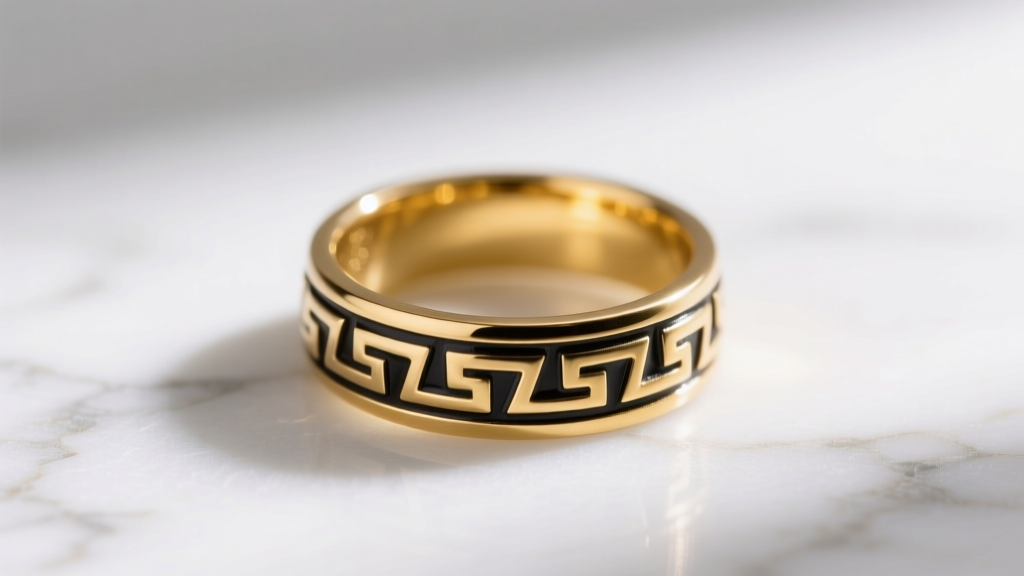
The global luxury market has seen a massive resurgence in heritage-driven craftsmanship, and Hellenic artistry is leading the charge. Moving far beyond the mass-produced souvenir shops of Mykonos and Santorini, contemporary Greek jewelry designers are redefining Mediterranean luxury. By marrying ancient metallurgical techniques with avant-garde geometric aesthetics, these artisans are creating highly coveted, investment-grade pieces. As we navigate the luxury landscape of 2026, understanding the nuances of authentic Hellenic design is crucial for collectors and enthusiasts alike.
This comprehensive buying guide will walk you through the essential markers of authenticity, the specific material grades used in Athens' top ateliers, and the visionary designers who are currently shaping the industry.
The Anatomy of Authentic Hellenic Craftsmanship
When evaluating high-end Greek jewelry, the first step is verifying the metallurgical standards. Unlike the 14k gold commonly favored in the United States, premium Greek designers almost exclusively utilize 18k yellow gold (750 purity). However, the specific alloy composition is what gives Hellenic gold its signature warmth.
Greek master goldsmiths typically use a precise copper-to-silver ratio (often around 15% silver and 10% copper) to achieve a rich, sun-kissed yellow hue that contrasts sharply with the paler, greener alloys found in Northern European manufacturing. When inspecting a piece, look for a deep, saturated yellow tone rather than a brassy or washed-out finish.
Decoding the Hallmarks
Authenticity in Greece is strictly regulated. Genuine pieces will bear the stamp of the Athens Chamber of Commerce and Industry (ACCI). You should look for two distinct marks:
- The Purity Mark: Usually '750' for 18k gold or '925' for sterling silver.
- The Maker's Mark: A unique symbol or set of initials (often enclosed in a shield, rectangle, or circle) registered to the specific atelier or master goldsmith.
If a piece claims to be from a premier Greek designer but lacks these dual hallmarks, it is likely a counterfeit or mass-produced abroad.
Decoding the Motifs: Beyond the Souvenir Shop
While the 'Greek Key' (Meander) and the 'Evil Eye' (Mati) are ubiquitous, top-tier designers interpret these motifs through a lens of high jewelry rather than literal replication. Understanding how these symbols are adapted is key to spotting genuine designer work versus tourist-grade trinkets.
| Motif | Historical Origin | Modern Designer Application (2026) |
|---|---|---|
| Meander (Greek Key) | Geometric period pottery; symbolizes infinity and unity. | Used as structural architectural elements in rings; often inlaid with black rhodium or matte enamel rather than simple surface engraving. |
| Mati (Evil Eye) | Apotropaic amulet dating back to 6th century BC. | Reimagined using guilloché enamel, cabochon turquoise, and diamond pavé settings; integrated into sleek, minimalist pendants. |
| Laurel Wreath | Symbol of victory and status in ancient athletic games. | Abstracted into asymmetric ear cuffs and articulated headpieces using flexible 18k gold links and raw, uncut diamonds. |
| Gorgoneion | The head of Medusa; used on shields and armor for protection. | Stylized into bold, sculptural signet rings using deep repoussé techniques and oxidized silver accents for high contrast. |
Top Greek Jewelry Designers Defining 2026
To build a truly authentic collection, you must know the names dominating the Hellenic high jewelry scene. These designers represent the pinnacle of regional craftsmanship.

1. Nikos Koulis
Nikos Koulis is arguably the most globally recognized name in contemporary Greek high jewelry. His signature style involves juxtaposing the warmth of 18k yellow gold with stark black enamel and brilliant diamond pavé. Koulis's 'Feelings' and 'Energy' collections are masterclasses in geometric Art Deco influences blended with Greek architectural lines. What to look for: His pieces feature impeccable micro-pavé settings and seamless enamel inlay work that sits perfectly flush with the gold bezels. Expect pricing to start around $3,500 for statement earrings, scaling up to $25,000+ for high jewelry necklaces. You can view his architectural collections directly via Nikos Koulis Official.
2. Lito Karakostanoglou
Lito is the undisputed queen of the modern 'Mati' (evil eye). Based in Paris but deeply rooted in her Greek heritage, Lito elevates the traditional protective amulet into a luxury staple. Her use of vibrant, hand-painted guilloché enamel and intricate gold braiding sets her work apart. What to look for: Authentic Lito pieces feature a distinct, slightly hammered gold texture that catches the light organically, paired with custom-cut gemstones like lapis lazuli and turquoise. Entry-level pendants begin around $850, while elaborate multi-strand necklaces reach the $8,000 mark. Explore her iconic eye motifs at Lito Jewelry.
3. Katerina Makriyianni
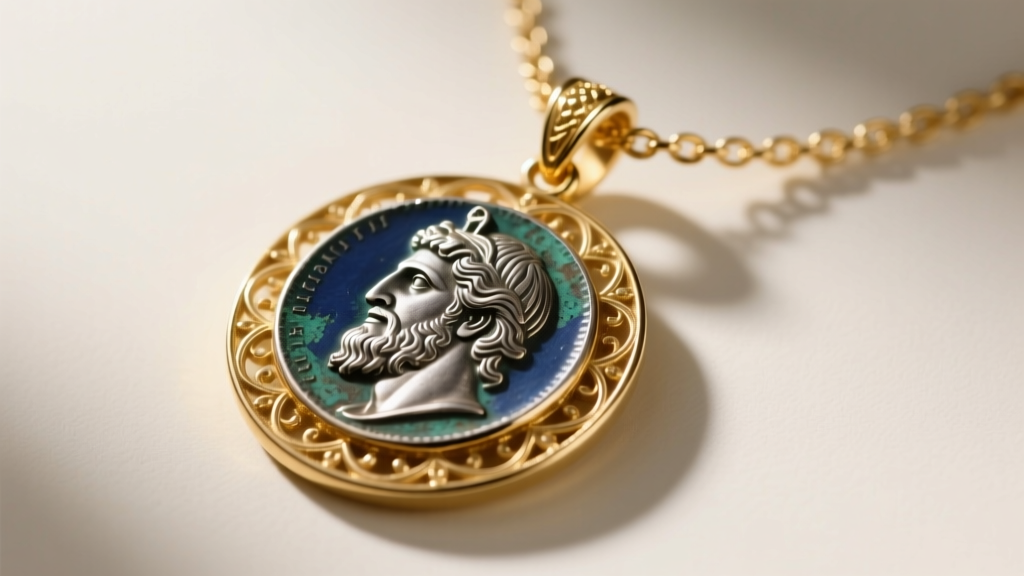
For collectors who prefer a raw, sculptural aesthetic, Katerina Makriyianni is the definitive choice. Her work frequently incorporates museum-grade replica ancient coins, raw uncut diamonds, and heavily oxidized silver paired with 18k gold. What to look for: Her coin jewelry utilizes legally sourced, high-fidelity electrotypes (often produced in collaboration with institutions like the Benaki Museum) set in custom-engineered bezels that protect the edges of the 'coin' while allowing the patina to show. Prices typically range from $1,500 to $12,000.
Material Grades & Ancient Techniques Revived
The true value of premium Greek jewelry lies in the revival of ancient metallurgical techniques that are incredibly labor-intensive and rarely seen in modern mass manufacturing.
Granulation and Filigree
Originating in the Minoan and Mycenaean eras, granulation involves fusing microscopic spheres of gold to a base surface without the use of modern solder. Instead, artisans use a traditional mixture of copper salts and organic hide glue, which burns away in the kiln, leaving a pure metallic bond. When buying a piece advertised as 'Mycenaean style,' inspect the granules under a loupe. They should be perfectly spherical and show no signs of solder pooling or discoloration at the base.
Repoussé and Chasing
Used extensively in Hellenistic gold wreaths, repoussé involves hammering the reverse side of a gold sheet to create a raised relief design, while chasing refines the details on the front. High-end Greek designers use these methods to create lightweight but visually massive sculptural cuffs. The interior of a genuine repoussé piece will show the concave hollows corresponding to the exterior relief, whereas cast imitations will have uniformly thick walls.
Navigating Coin Jewelry: Replicas vs. Antiquities
A major trend among Greek jewelry designers in 2026 is the incorporation of ancient coins. However, buyers must exercise extreme caution regarding provenance and legality.
Expert Warning: The export of genuine ancient antiquities from Greece is strictly prohibited and heavily monitored by the Ministry of Culture. Any designer claiming to sell newly excavated, unregistered ancient coins set in jewelry is likely violating international heritage laws or selling fakes.
Reputable designers use electrotypes (museum-authorized galvanic copies) or legally acquired, low-grade Roman provincial bronzes that have been deaccessioned from private collections prior to modern heritage laws. Always demand a certificate of provenance or a letter of authorization from a recognized museum workshop when purchasing coin jewelry exceeding $2,000.
Pricing Tiers & Investment Value
Understanding the current market pricing will help you identify fair value and avoid inflated tourist premiums.
- Entry-Level ($500 - $1,500): Sterling silver pieces with 18k gold vermeil, single diamond accents, or enamel evil eye pendants from established ateliers.
- Mid-Tier ($1,500 - $5,000): Solid 18k gold everyday wear, featuring meander inlays, small cabochon gemstones, and basic granulation work.
- High Jewelry ($5,000 - $20,000+): One-of-a-kind sculptural pieces, intricate repoussé cuffs, high-carat diamond pavé, and museum-grade coin integrations.
Final Verification Checklist for Buyers
Before finalizing your purchase from any Greek jewelry designer, run through this essential checklist:
- Hallmark Check: Verify the '750' stamp and the maker's mark registered with the ACCI.
- Weight and Proportion: Authentic 18k gold is dense. A solid gold cuff should feel substantially heavier than a hollow-cast or silver-plated imitation.
- Enamel Quality: If the piece features enamel (common in Mati designs), it should be glassy, free of bubbles, and perfectly level with the surrounding gold bezel.
- Provenance Documentation: For coin jewelry or pieces featuring 'ancient' artifacts, ensure accompanying paperwork details the legal sourcing of the materials.
By prioritizing these technical and historical markers, you can confidently navigate the market and acquire pieces that truly represent the zenith of Hellenic artistry.


